From Breton Raiders to Royal Guns: The Story of Plymouth’s Harbour Defences
More than 600 years ago, Plymouth was a very different place.
There was no modern Barbican, no busy waterfront lined with restaurants and cafés, and certainly no great naval dockyard dominating the landscape.
Instead, there was a growing medieval town clustered around its natural harbour.
And that harbour made Plymouth valuable but it also made it vulnerable.
In 1403, during the Hundred Years’ War, Breton raiders attacked Plymouth.
The attack was a brutal reminder that an enemy arriving by sea could strike directly at the town. Houses were destroyed and the settlement suffered badly.
For the people of medieval Plymouth, the message was clear.
The harbour needed protecting.
Building Plymouth Castle
Following the attacks, Plymouth’s defences were strengthened.
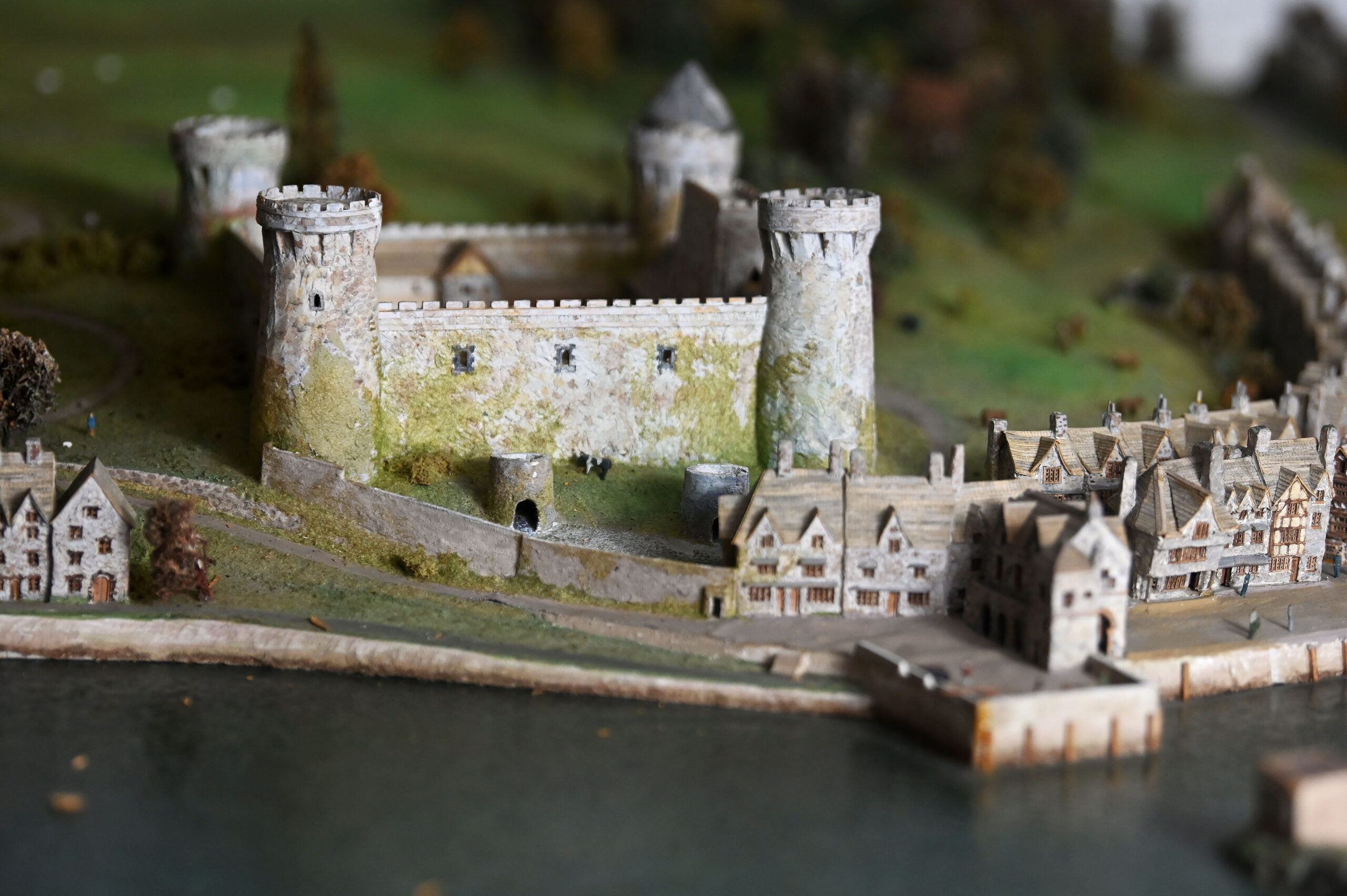
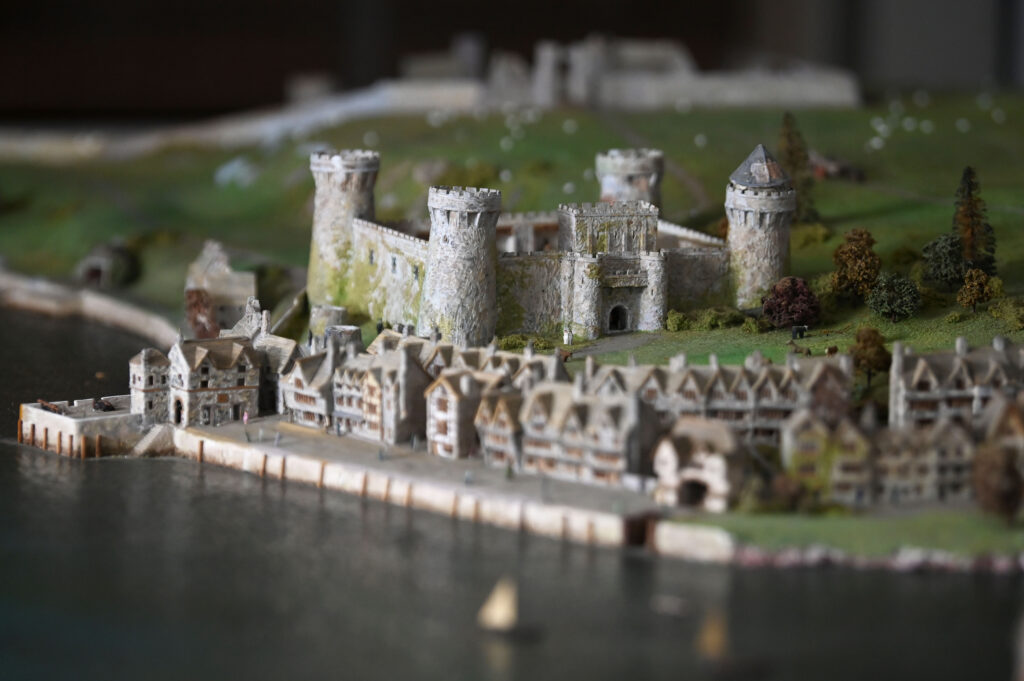
A castle was established overlooking the harbour, forming an important part of the town’s defensive system.
Plymouth Castle was not built as a magnificent royal residence. Its purpose was much more practical to protect the town and harbour from attack.
The castle was roughly square, with towers at its corners, and its position allowed the defenders to watch the approaches to the harbour.
Over the following centuries, the castle and the wider town defences were strengthened and altered as warfare changed.
The threat from ships remained.
The chain across the water
One of the most fascinating features of Plymouth’s early harbour defences was the use of a defensive chain.
When an attack was feared, a heavy chain could be stretched across the entrance to the harbour.
The idea was simple but effective.
An enemy ship trying to enter would be confronted not only by the guns and defenders on shore, but by an obstacle across the water itself.
Plymouth’s harbour was becoming a carefully defended gateway rather than an easy route into the town.
But by the sixteenth century, warfare was changing dramatically.
Cannons were becoming increasingly powerful, and old medieval walls and towers were no longer enough on their own.
Enter Sir Francis Drake
The threat of Spain, particularly after the Spanish Armada of 1588, brought renewed attention to Plymouth’s strategic importance.
At the end of the sixteenth century, a new artillery fort was constructed at the eastern end of Plymouth Hoe.
It was built between 1592 and 1598 and formed a major part of the defences protecting the entrance to the Cattewater and Sutton Harbour.
The fort became associated with Sir Francis Drake, one of Plymouth’s most famous sons and a key figure in the development of England’s naval power.
Unlike the medieval castle, this was a fortress designed for the age of gunpowder.
Its guns could command the water and make it extremely difficult for an enemy fleet to approach the harbour without coming under fire.
Plymouth’s defences had evolved from medieval towers and walls into a sophisticated artillery system.

Plymouth and the English Civil War
Then, less than half a century later, Plymouth found itself at war again.
The English Civil War divided the country.
Plymouth declared for Parliament, while Royalist forces controlled much of the surrounding countryside.
Between 1643 and 1646, Plymouth endured a prolonged siege.
The harbour became absolutely vital.
Royalist forces attempted to isolate the town, while Parliamentarian defenders relied on the sea to keep Plymouth supplied.
The old defensive works were strengthened and new earthworks and gun positions appeared around the town.
Plymouth survived the siege.
But the war left a lasting mark on the town – and on its relationship with the monarchy.
The King builds a new fortress
When Charles II was restored to the throne in 1660, Plymouth’s support for Parliament during the Civil War had not been forgotten.
Yet the King also understood something else.
Plymouth was simply too important to leave poorly defended.
It possessed an excellent natural harbour and was becoming increasingly important as a naval base.
So a huge new fortress was planned for Plymouth Hoe.
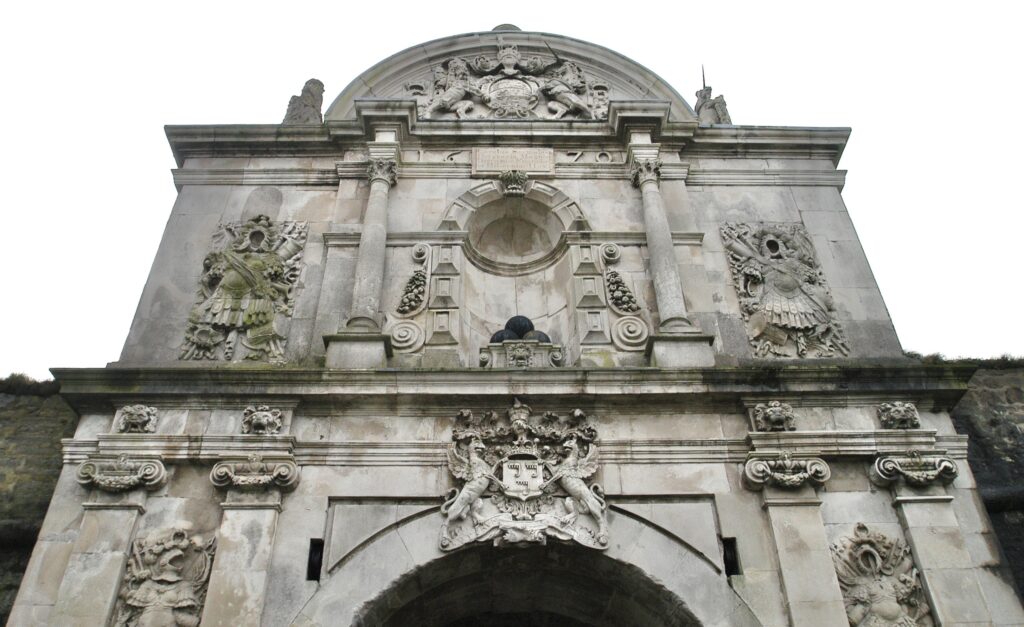
Construction of the Royal Citadel began in 1665 under the direction of Sir Bernard de Gomme.
The new fortress incorporated parts of the earlier Elizabethan fort and was designed to dominate the approaches to Sutton Harbour and the Cattewater.
And there was another important consideration.
The Citadel’s guns could defend Plymouth from an attack from the sea but they could also command the town itself.
For a town that had sided with Parliament against the Crown, that was a powerful reminder of who was now in charge.
The end of Plymouth Castle

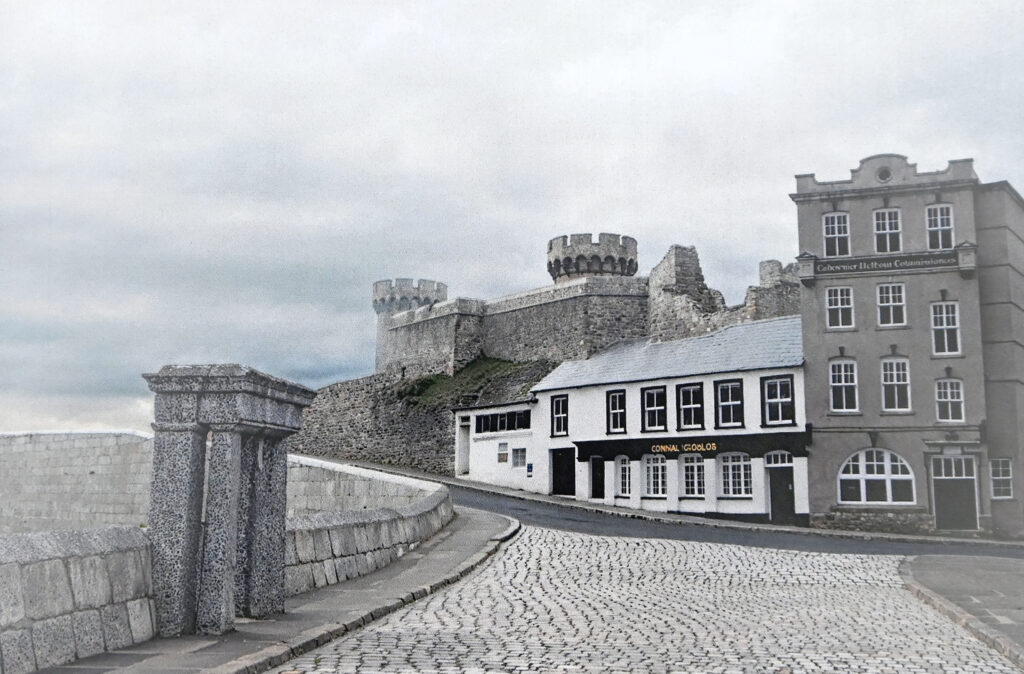
The building of the Citadel also marked the end of the old medieval castle.
By the seventeenth century, Plymouth Castle had become obsolete as a major military installation.
Much of it was dismantled in 1665, with stone and other materials being reused in the construction of the new Citadel.
The castle that had once stood as Plymouth’s answer to medieval raiders was disappearing.
In its place was one of the most powerful fortresses in the country.
Six centuries of defence
From the Breton attack of 1403 to the construction of the Royal Citadel, the story of Plymouth’s waterfront is really a story about changing warfare.
First came medieval walls, towers and the castle.
Then came defensive chains and stronger harbour fortifications.
The arrival of powerful artillery brought the Elizabethan fort on the Hoe and the age of Sir Francis Drake.
The English Civil War turned Plymouth itself into a besieged fortress.
And finally, after the restoration of Charles II, came the enormous Royal Citadel.
Today, much of the medieval landscape has disappeared beneath the modern city.
But traces remain.
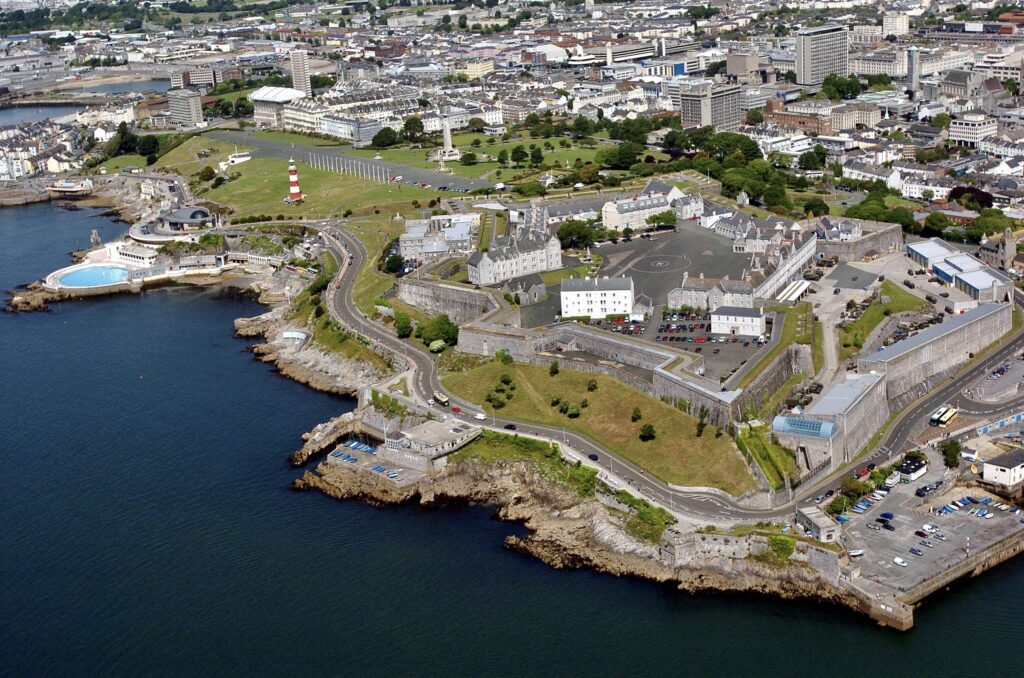
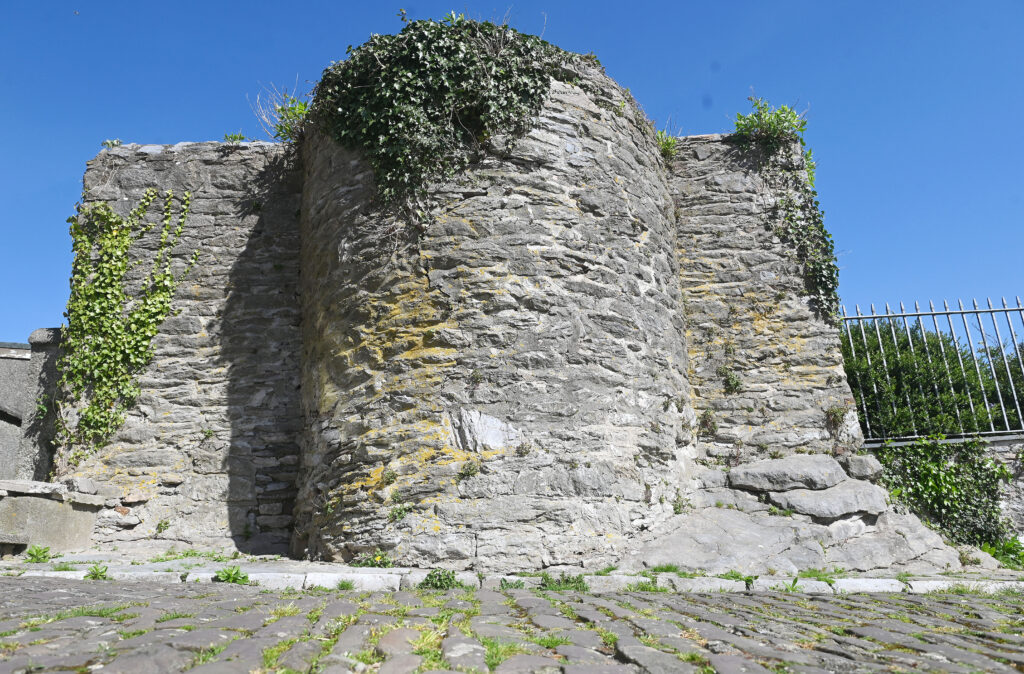
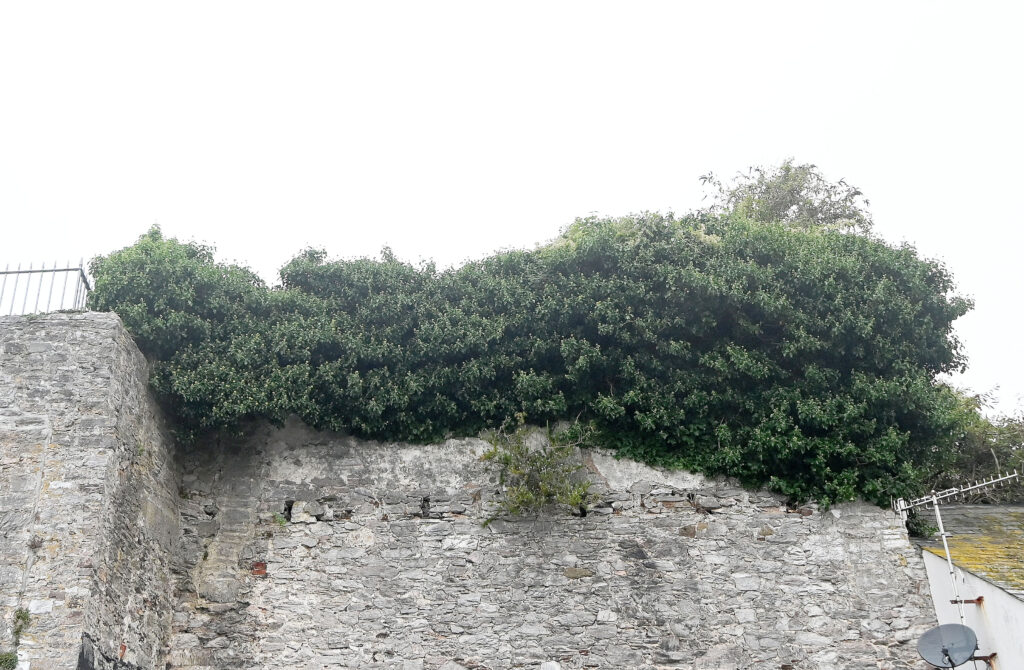
The old castle survives in fragments around the Barbican, while the Royal Citadel still dominates the eastern end of the Hoe.
And beneath the modern waterfront lies a much older story – one of raiders, soldiers, sailors, kings and ordinary Plymouth people who spent centuries living with the knowledge that the sea which brought them wealth could also bring an enemy to their doorstep.
For more than 600 years, Plymouth’s harbour has been worth defending.
And the fortifications built to protect it tell the story of how the town grew from a medieval port into one of Britain’s most important naval cities.
Photographs © Wayne Perry / Plymouth Post