
Most people walking the footpaths around Jennycliff see little more than rolling fields, sea views and the impressive Victorian fort that still dominates the skyline. Few realise they are standing on one of Plymouth’s most important Civil War battlefields.
Joined by local historian Phil Photiou we explored the site of Fort Stamford, where traces of one of the defining struggles of the English Civil War can still be found nearly 400 years later.
Plymouth Under Siege
In 1643, during the English Civil War, Plymouth was one of Parliament’s strongest remaining strongholds in the South West. Royalist forces loyal to King Charles I surrounded the town in an attempt to starve it into surrender.
The siege stretched for months, with Royalist troops occupying the high ground North of Plymouth, while Parliament’s defenders held the fortified town below.
One of the key positions overlooking the eastern approaches was the ridge above Jennycliff.
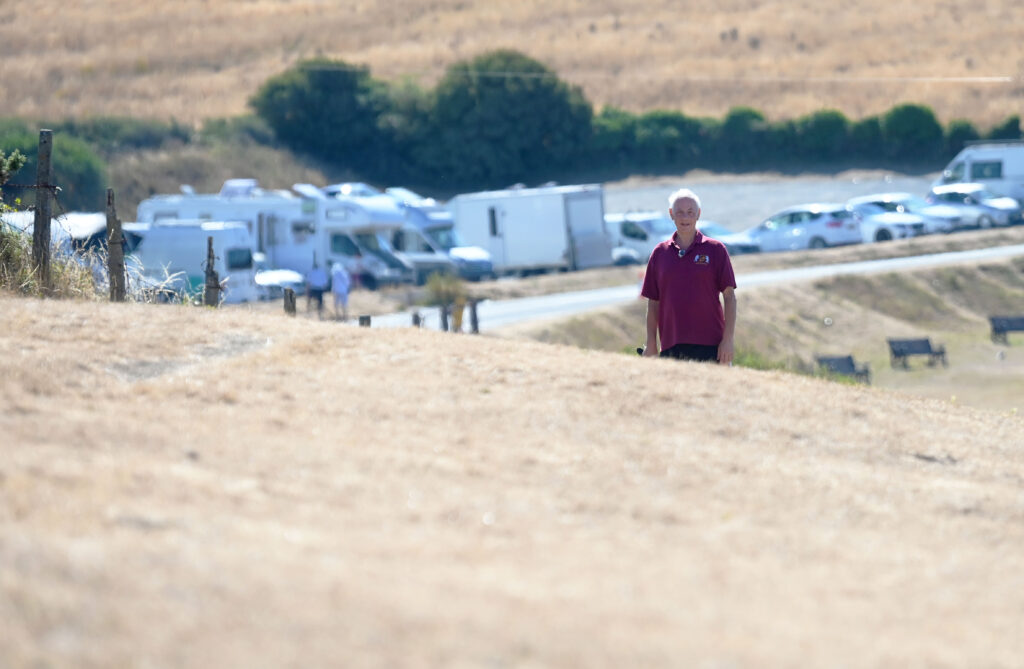
Standing there today, it is still possible to make out sections of the earthworks where Royalist siege lines once ran. Although softened by centuries of farming, the ridge remains surprisingly visible, giving a remarkable impression of the military landscape of the 1640s.
Archaeological finds, including fragments of 17th-century clay tobacco pipes and other military artefacts, have confirmed the presence of soldiers along these defensive lines.
Historians believe around 450 Royalist soldiers manned this section of the siege, with approximately 50 stationed near what is now St Anne’s House at the eastern end of the line and the remainder spread across the ridge overlooking Plymouth.
Why Is It Called Fort Stamford?
Many people assume the fort takes its name from the Victorian military structure that survives today.
In fact, the name predates that building by more than 200 years.
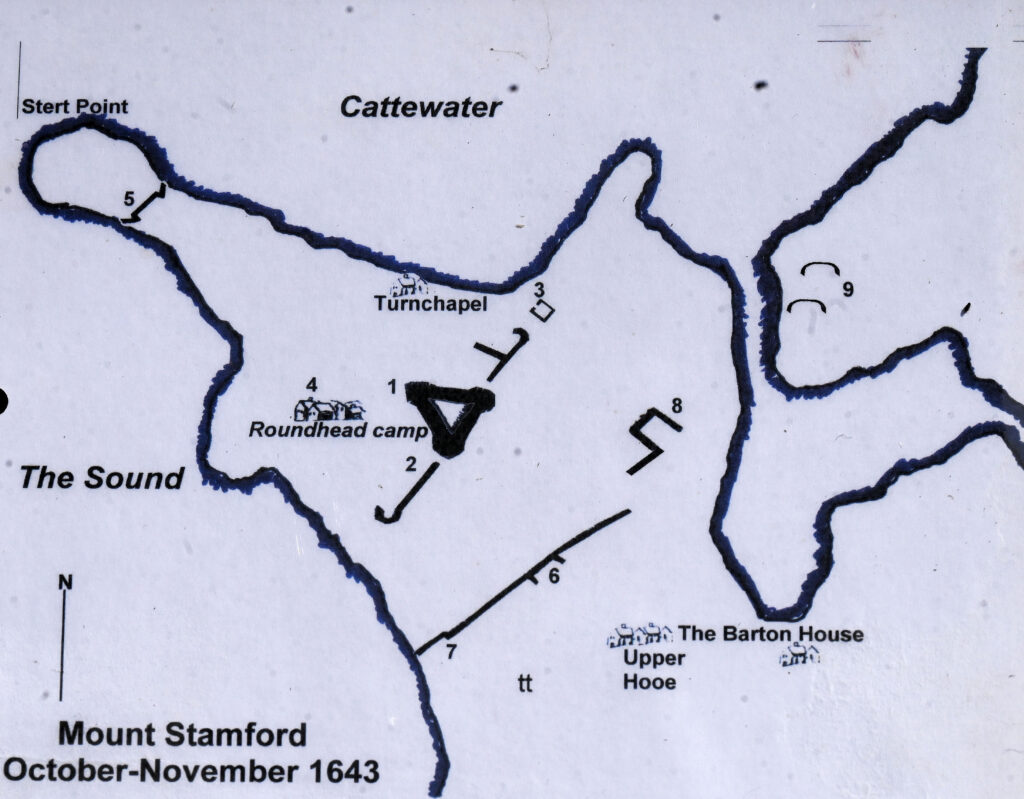
The original Civil War earthwork was named after Henry Grey, Earl of Stamford, Parliament’s commander in the West Country during the early stages of the conflict. Although the Earl himself was not permanently based at the fort, his association with Parliament’s forces led to the position becoming known as Fort Stamford—a name that has survived ever since.
The Victorian Palmerston Fort standing today was constructed in the 1860s to defend Plymouth against the perceived threat of a French invasion. It occupies the same strategic position but is entirely different from the original Civil War fort, which consisted mainly of earthen ramparts, ditches and timber defences.
Guns Across the Valley
Looking across the valley from Fort Stamford, the battlefield begins to reveal itself.
The opposing slopes provided ideal positions for Royalist artillery, whose guns bombarded the Parliamentarian defenders occupying the fort.
From this commanding ground, both sides could observe each other’s movements, making the area one of the most fiercely contested sectors of the siege.
Even after four centuries, the shape of the land explains exactly why these positions were chosen.
Forgotten Forts
The Civil War landscape extended far beyond Fort Stamford itself.
At the allotments near St John’s Road once stood another defensive work forming part of the network protecting the approaches to Plymouth.
Excavations in the area have uncovered further Civil War artefacts, including clay pipes and military-related finds, reinforcing the evidence that soldiers occupied these positions throughout the siege.
To the east, St Anne’s House marked the end of the Royalist siege line, where a detachment of around 50 men guarded the flank while the remainder stretched across the ridge towards Jennycliff.
Together, these positions formed part of the tightening ring around Plymouth during the Royalist blockade.
This first battle of Fort Stamford was a seizure which lasted almost two weeks. The second assault the Barton Farm and the Catwater Raid took place in February 1645 and was over in 20 minutes.
Barton Farm and the Catwater Raid
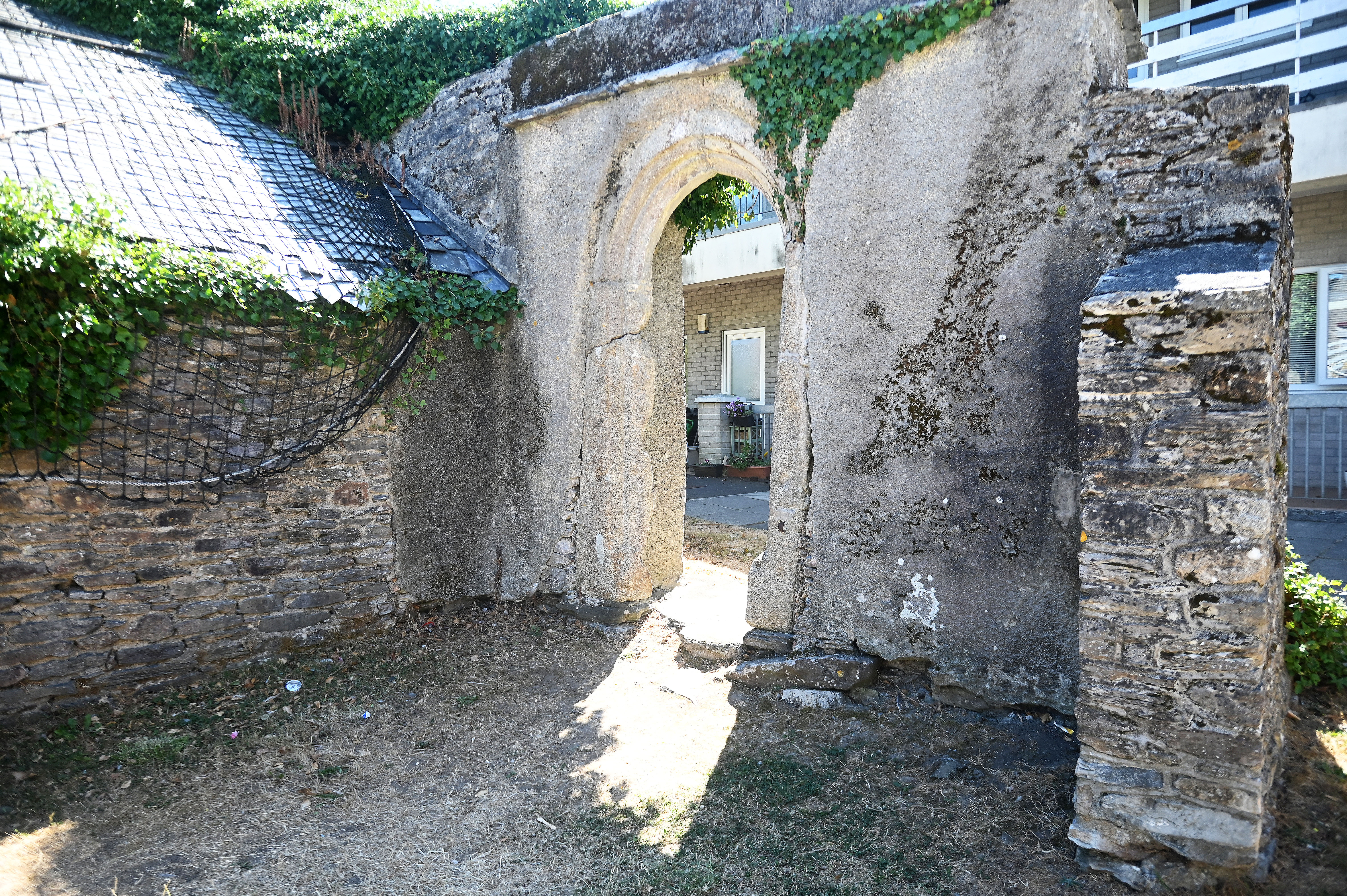
One of the most remarkable surviving Civil War sites lies lower down at Hooe, where part of the medieval Barton Farm complex still survives.
Although the original manor house has long disappeared, a beautiful stone archway and sections of a medieval barn remain. They are among the very few structures in the area that would have been standing during the Civil War itself.
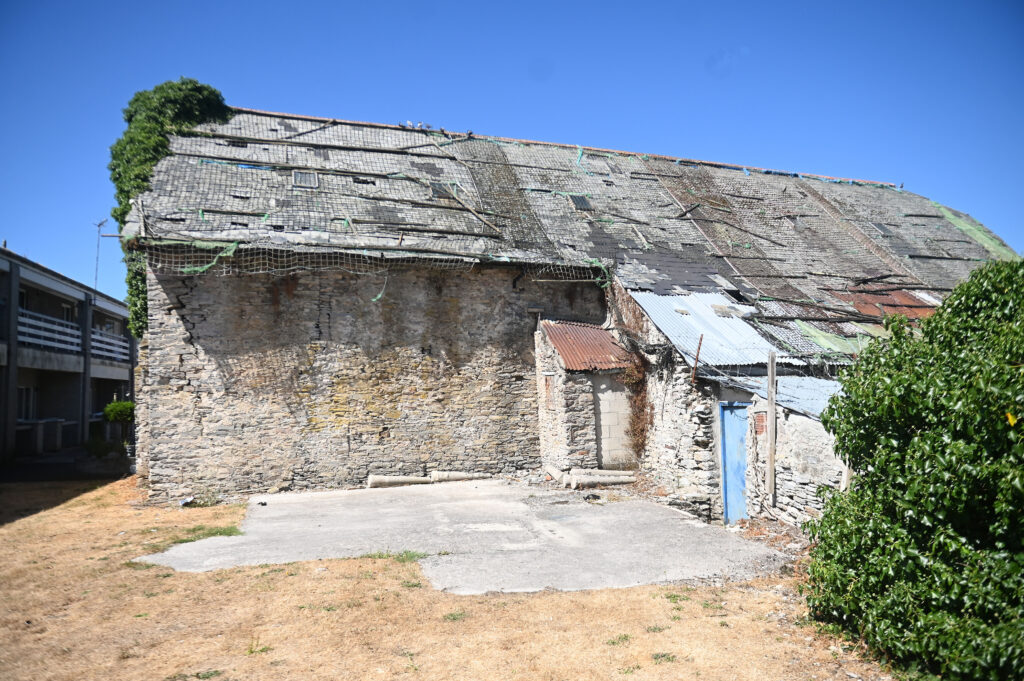
The site witnessed dramatic fighting during the siege.
Parliamentarian troops crossed the Cattewater by boat and launched a surprise raid against Royalist soldiers believed to have been sheltering in and around the farm buildings. Several prisoners were captured before the raiding party withdrew across the water.
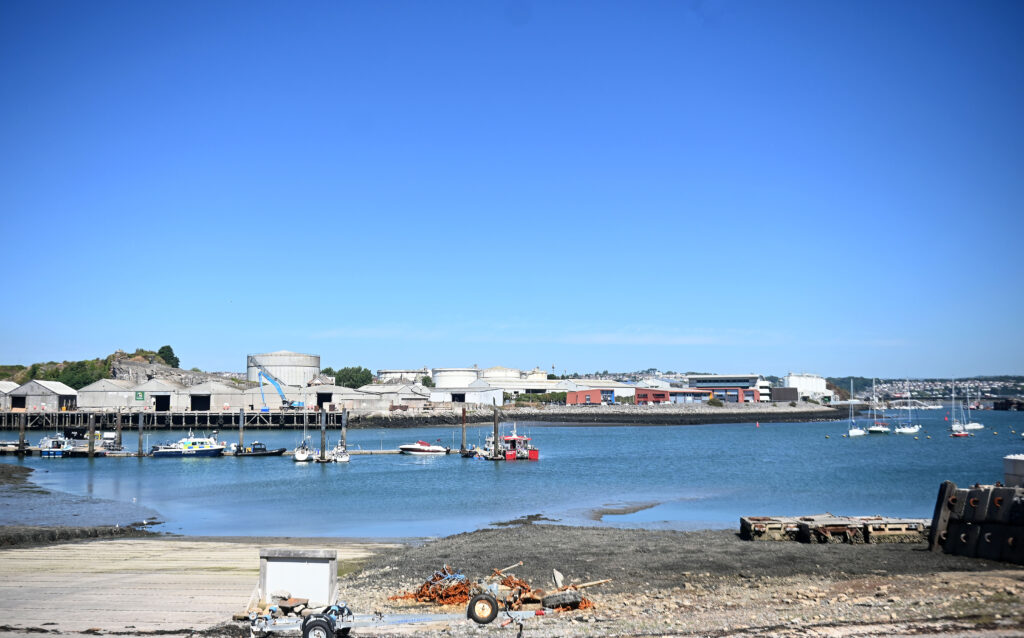
The attack demonstrated that, despite being surrounded, Plymouth’s defenders were still capable of striking deep into Royalist territory.
The Assault on Fort Stamford
The decisive action came in late October, early November 1643.
After heavy fighting elsewhere around Plymouth, Parliament’s commanders launched a major offensive to break sections of the siege.
As Royalist troops struggled to strengthen and repair Fort Stamford after exhausting work through the previous night, Parliamentarian forces crossed the Cattewater before marching rapidly towards the position.
The Royalists spotted the advancing soldiers and opened fire.
Parliament’s troops answered with volleys of musket fire before pressing home the attack.
Amid clouds of black powder smoke, they reached the earthworks and stormed the defences. Fierce hand-to-hand fighting followed as both sides battled across the ramparts.
During the struggle, an explosion ignited part of the Royalists’ gunpowder supplies, adding to the confusion.
Already exhausted from repairing the fortifications, the Royalist defenders were overwhelmed. Realising further resistance was hopeless, many surrendered, allowing Parliament to capture Fort Stamford and significantly weaken the siege.
Although Plymouth would remain under pressure for several more months, the successful assault helped shift the balance in Parliament’s favour and marked one of the turning points in the defence of the town.
A Battlefield Hidden in Plain Sight
Today, walkers, dog owners and families enjoy the same hills without realising they are crossing one of the best-preserved Civil War landscapes in Devon.
The surviving earthworks, archaeological discoveries and medieval buildings all help tell the story of a battlefield where Parliament and Royalist forces fought for control of Plymouth.
It is a reminder that long before the Victorian fort was built, these quiet fields echoed with cannon fire, musket volleys and fierce hand-to-hand combat—events that helped determine the future of Plymouth during one of the most turbulent periods in English history.
Photographs © Wayne Perry / Plymouth Post