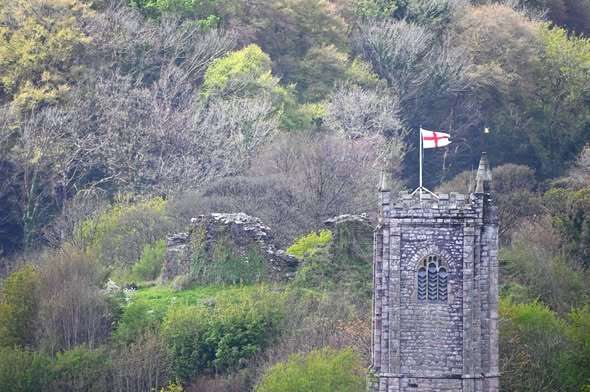
Rising above Plympton, the remains of Plympton Castle still dominate the landscape, a clear reminder that this was once one of the most powerful sites in the region.
Long before Plymouth became the city we know today, Plympton was the centre of authority in this part of Devon. Its position near a tidal waterway made it strategically important for trade and movement, while the elevated ground offered a commanding defensive advantage that had likely been used for centuries.
After the Norman Conquest, the land was granted to Richard de Redvers, a key supporter of the crown. In the early 12th century, a castle was established here by his family, built in the classic motte-and-bailey form. A large earth mound supported the main defensive structure, while the enclosed bailey below would have housed soldiers, supplies, and essential buildings.
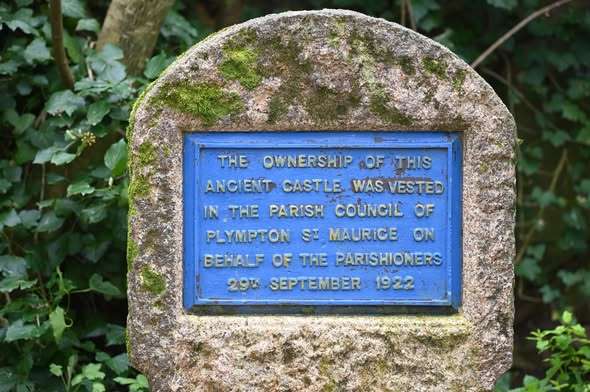
This was more than just a fortification, it was a seat of control. From here, the surrounding lands could be governed, defended, and, when necessary, fought over.
That conflict came quickly.
In 1136, during the civil war known as The Anarchy, which followed the disputed reign of King Stephen, the castle became a focal point in the wider struggle for control of England. Forces loyal to the crown moved against rebel-held positions in the region, and Plympton Castle was besieged and destroyed, a clear demonstration of royal authority during one of the most unstable periods in English history.
But its story didn’t end there. Control of the area shifted again, and the castle was rebuilt, this time in stone. Stronger and more permanent, it reflected both the wealth and status of its owners, and the continuing importance of Plympton as a regional power base.
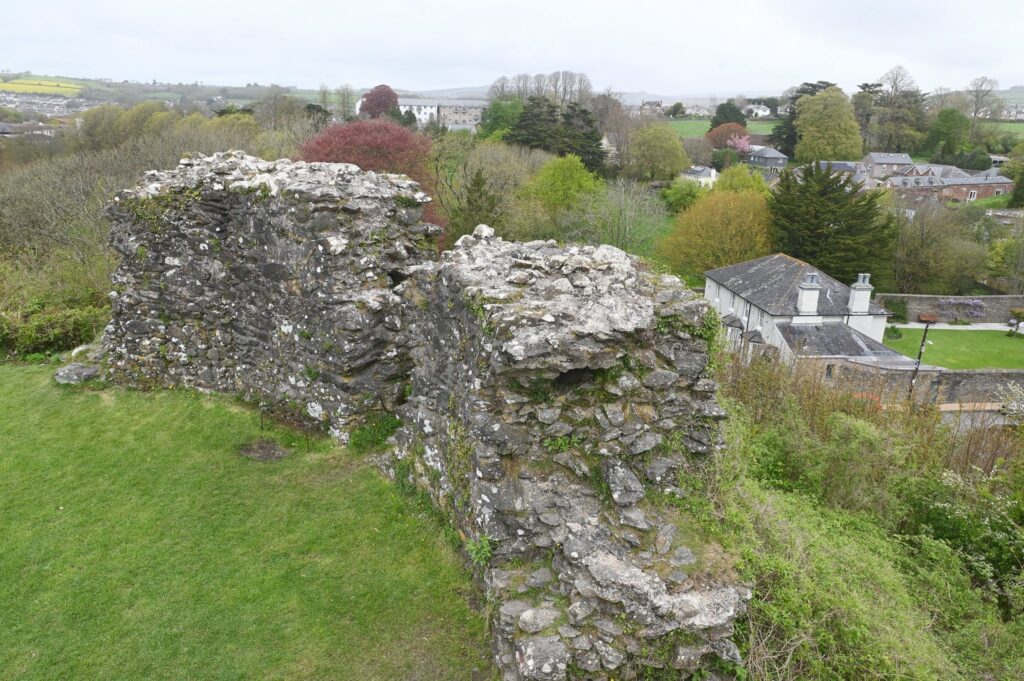
Even in the following century, the castle remained tied to conflict. In 1224, during unrest in the reign of Henry III, the castle was once again besieged. Royal forces surrounded it with knights and siege equipment, and after roughly two weeks, it fell. The repeated sieges highlight just how significant this stronghold remained, it was a place that had to be controlled.
Over time, however, power began to move. As Plymouth grew into a major port, economic and strategic importance shifted downriver. Plympton’s influence declined, and with it, the role of the castle. By the late medieval period, it was no longer central to regional control, and maintenance began to fall away.
By the 16th century, it was already in a state of decay. It saw one final phase of use during the English Civil War, when Royalist forces operated in the area as part of attempts to take Plymouth. But by the end of that conflict, the castle’s military relevance had effectively come to an end. It was abandoned, and over time, much of its structure was lost.
Today, the surviving earthworks and fragments of stone still mark the site, not as a ruin of mystery, but as a clear reminder of what once stood there.
Because this was never just a local landmark. Plympton Castle was a centre of authority, a target in times of rebellion, and a symbol of control in medieval Devon. Its rise and fall mirror the wider shift in power from inland strongholds to coastal cities, a turning point that shaped the region as it exists today.
Pictures and video by Wayne Perry