Tucked away on North Hill is one of Plymouth’s most remarkable historic landmarks.
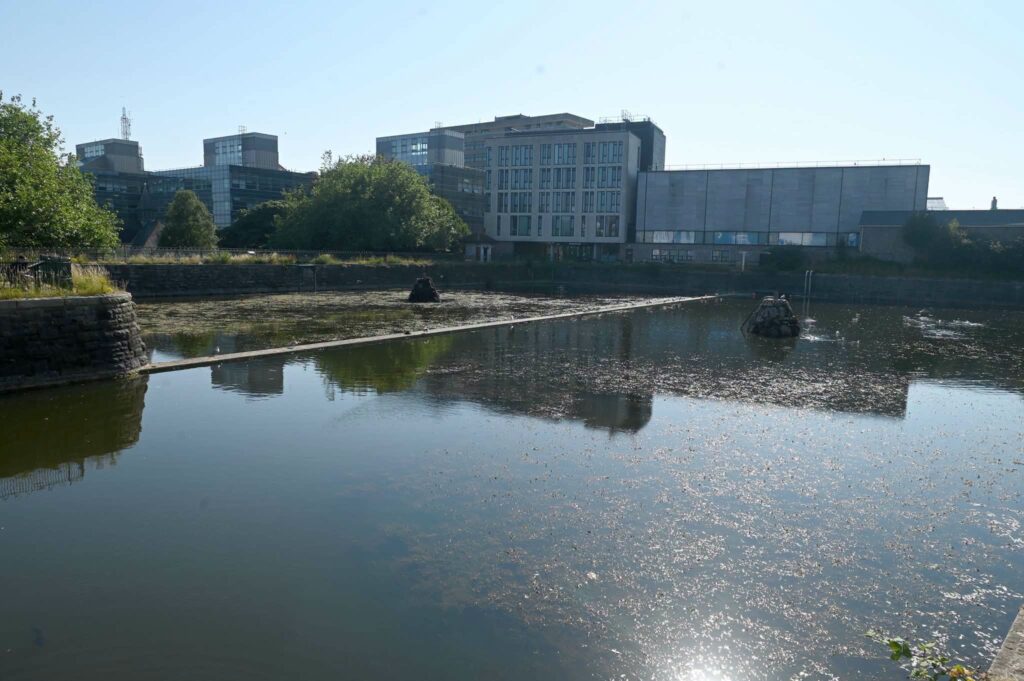
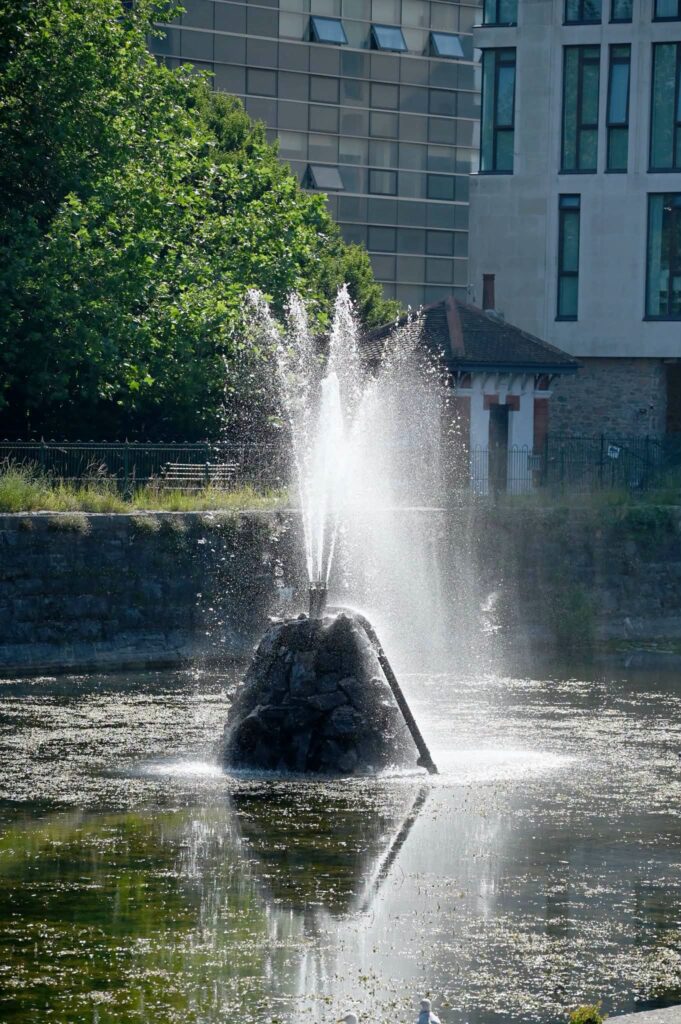
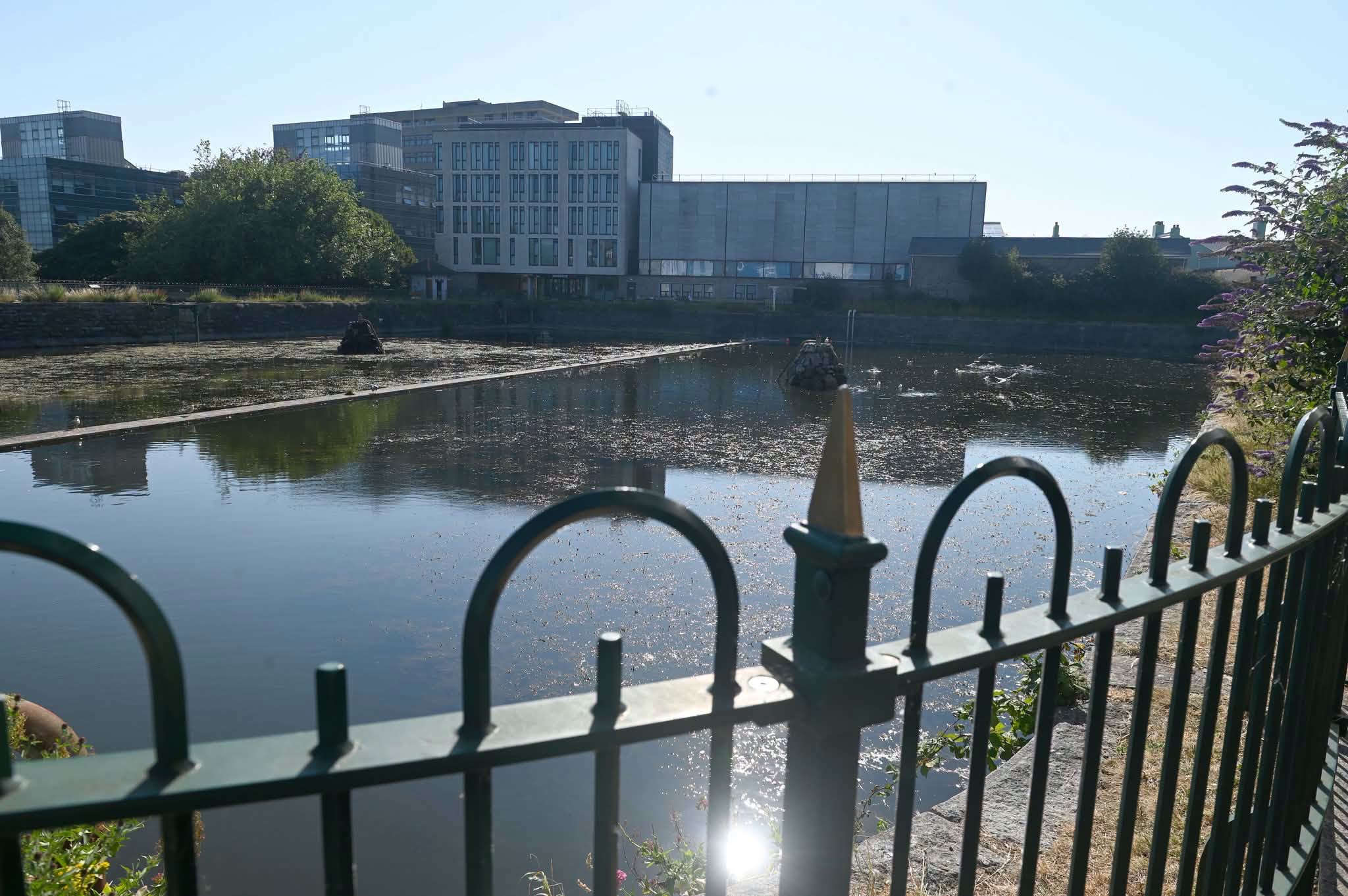
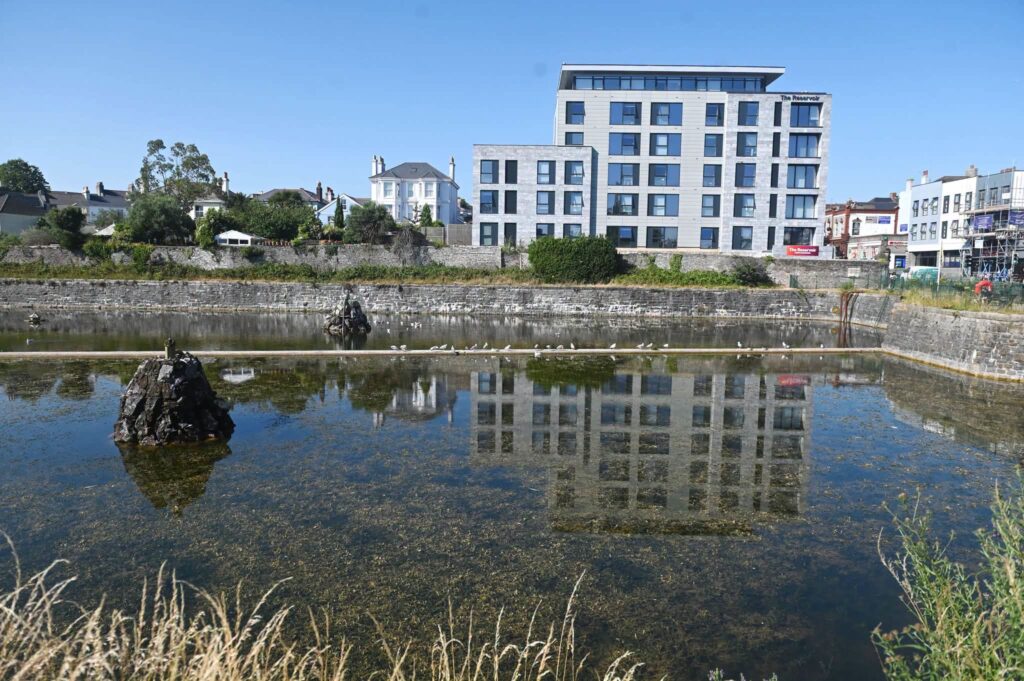
Today, Drake‘s Place is a peaceful oasis where colourful fish glide through the reservoir and visitors can escape the bustle of the city.
But beneath the calm surface lies a story stretching back more than four centuries.
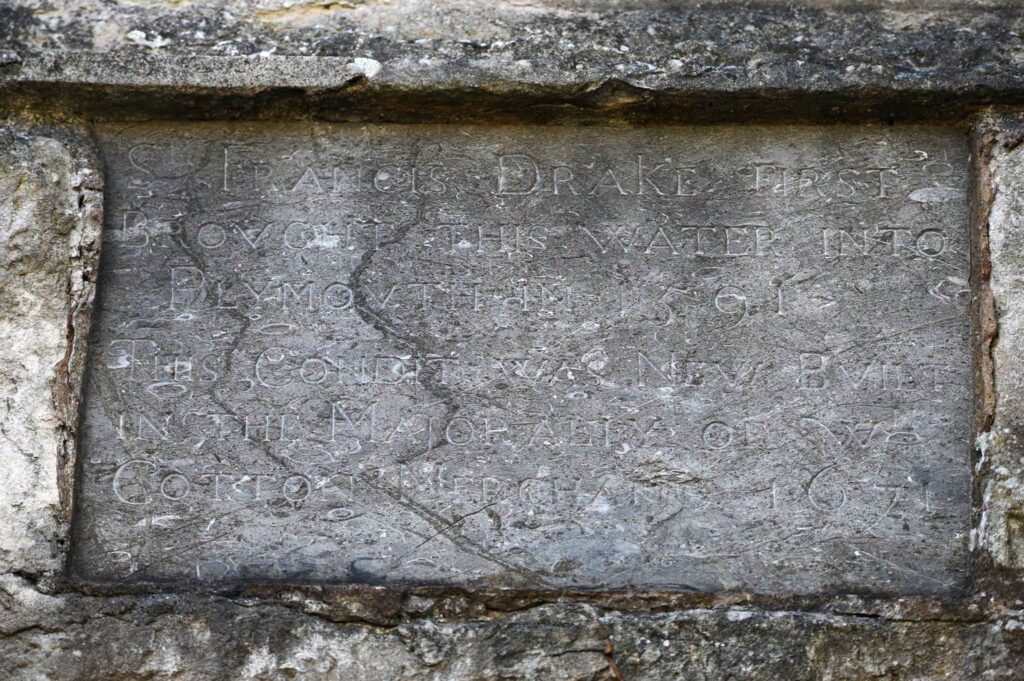
That story begins in 1591, when Sir Francis Drake oversaw the construction of Drake’s Leat. Carrying fresh water almost 18 miles from Dartmoor, it transformed Plymouth by providing the town with a reliable water supply.
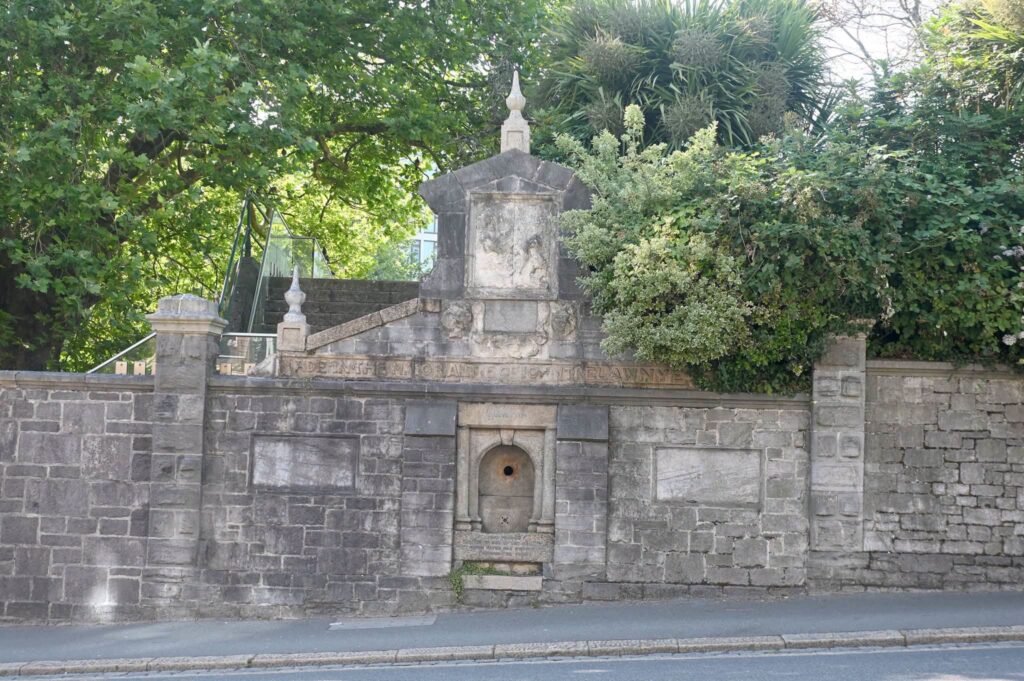
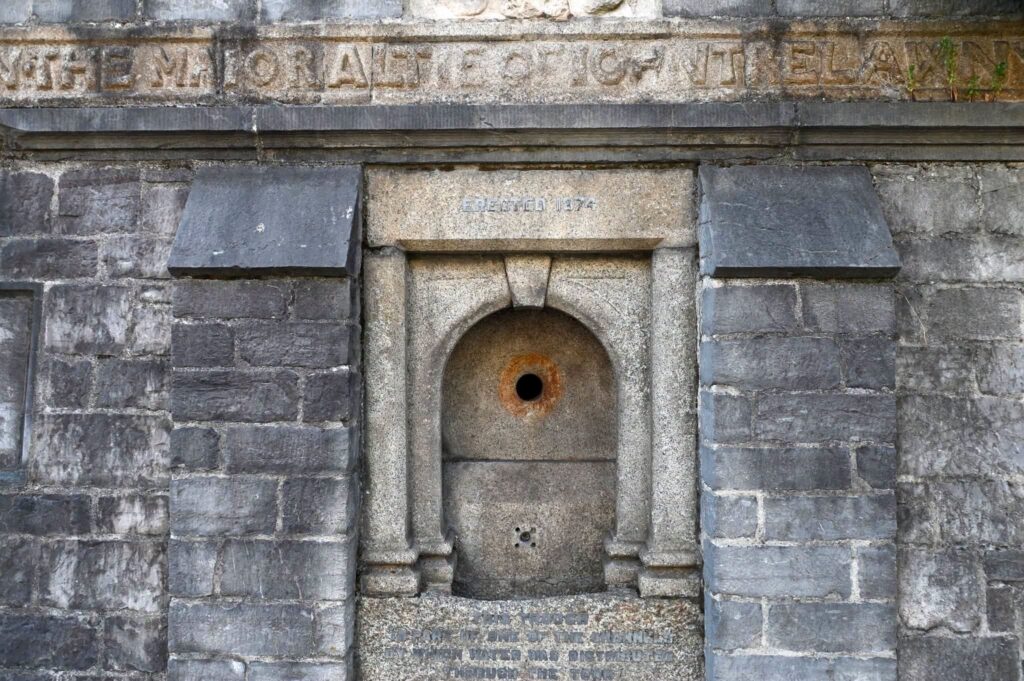
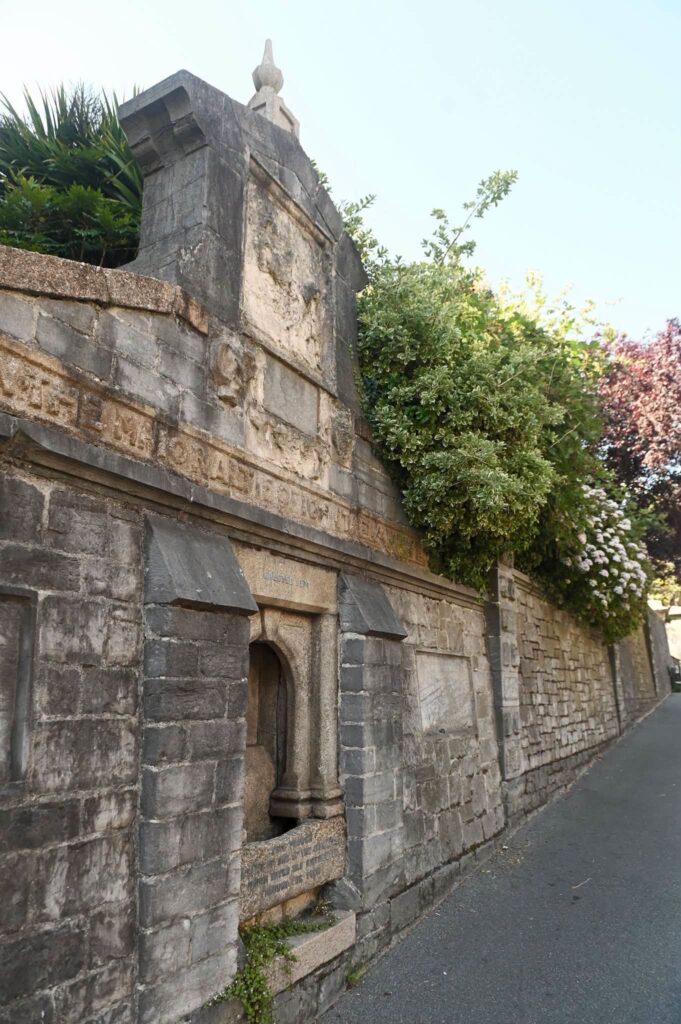
You can still see reminders of that remarkable achievement today. Built into the wall beside North Hill is a granite inscription dating from 1598, while nearby stands a Victorian drinking fountain, built incorporating remnants of the earlier Old Town Street conduit.
The leat also powered Sir Francis Drake’s mill, which once stood partly on the land now occupied by these gardens.
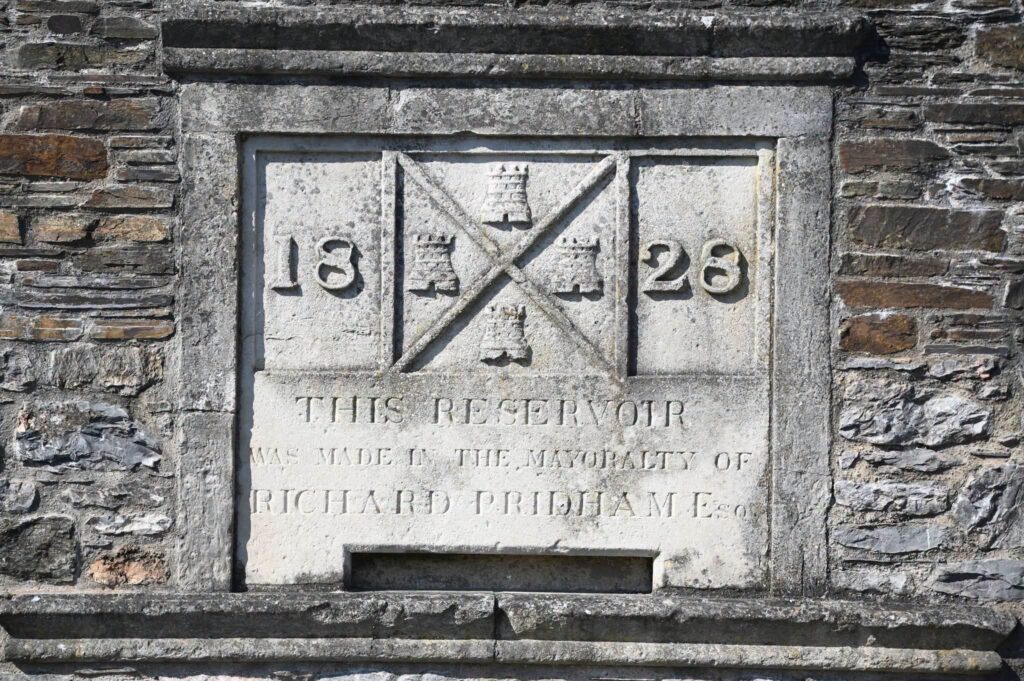
As Plymouth expanded during the nineteenth century, so did its demand for water. The first reservoir was built here in 1825, with a second added just three years later.
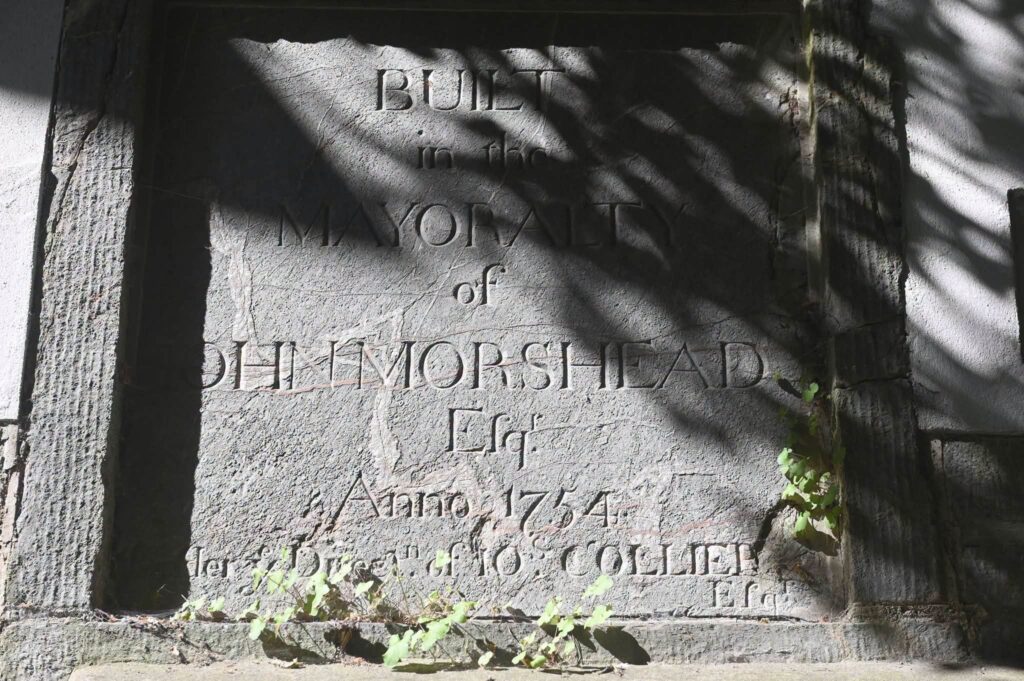
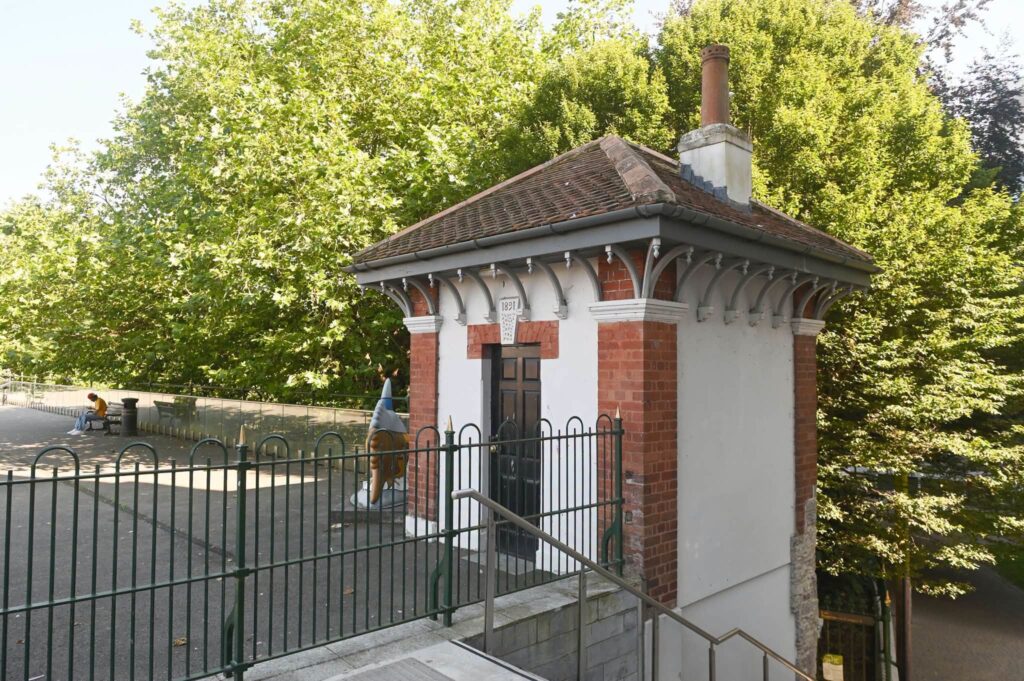
At the café end of the reservoir stands the site of a public water conduit and fountain first built in 1754. It was enclosed within a Victorian structure in 1891. And yes, the café, like the rest of Drake’s Place, is open to everyone.
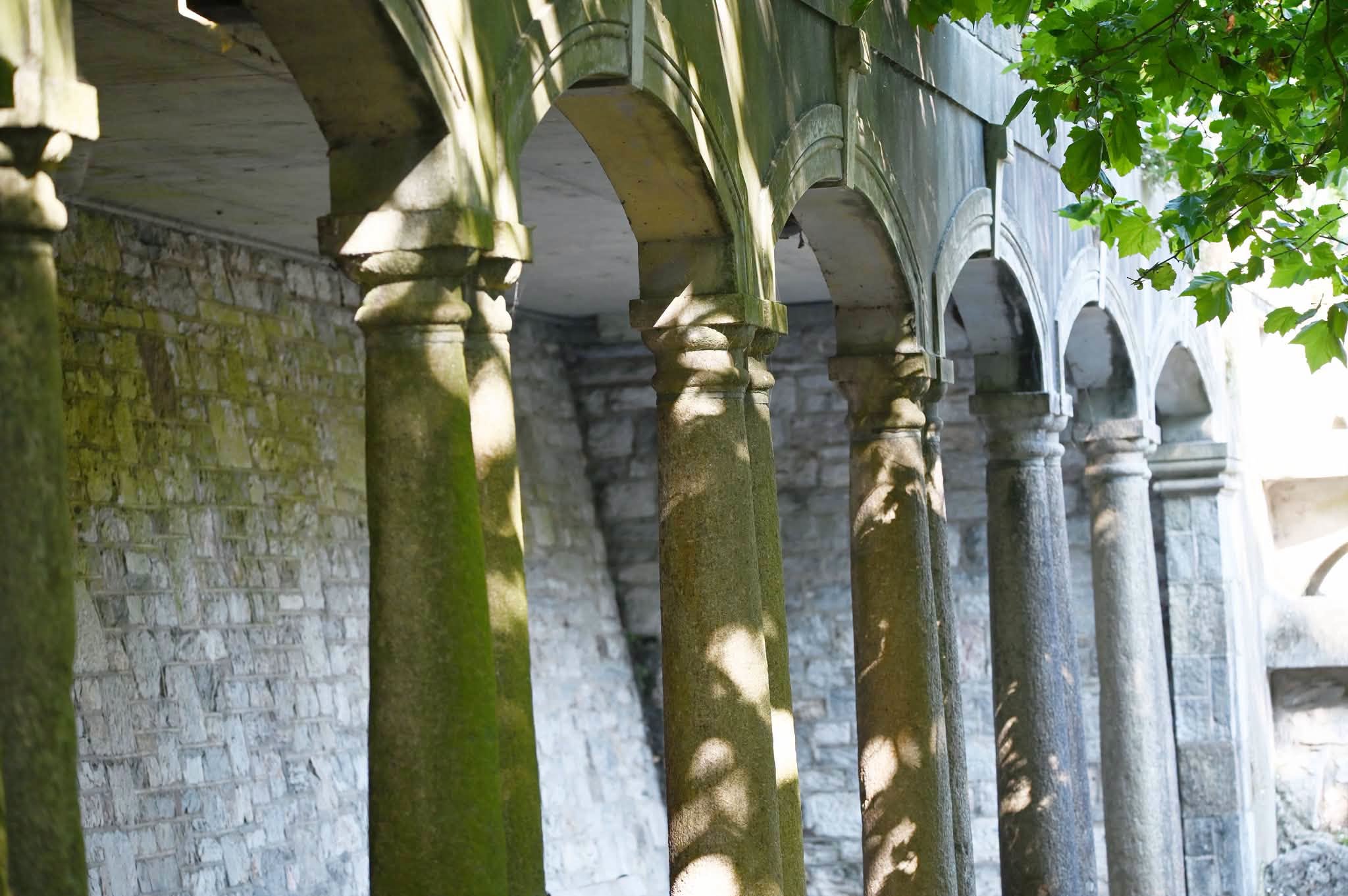
As you walk through the gardens you’ll come across an impressive granite colonnade, built using columns widely believed to have been salvaged from Plymouth’s former market.
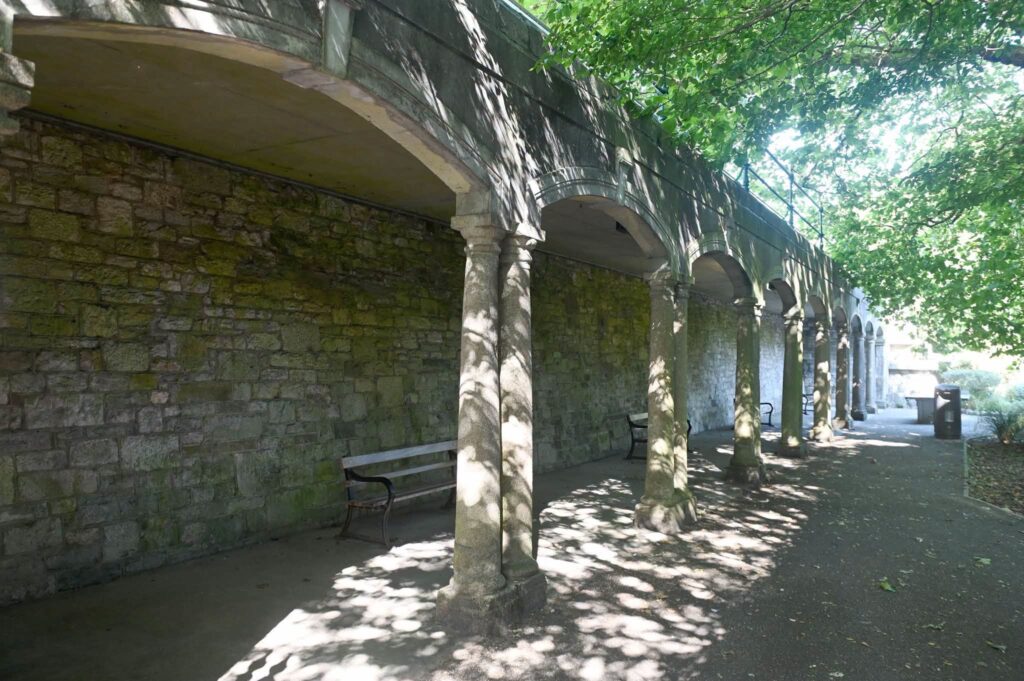
Imagine the scene. Potentially during the English Civil War, while Plymouth endured a long Royalist siege and King Charles I campaigned nearby, these very columns stood elsewhere in the town, and townspeople may well have gathered beneath them to trade, exchange news and carry on daily life despite the conflict surrounding them.
By the 1970s the reservoir had fallen out of use. Nature slowly reclaimed the site, and for many years these historic gardens became neglected and largely forgotten.
Thankfully, careful restoration has given Drake’s Place a new lease of life. Today it is a place where history, engineering and wildlife come together in the heart of Plymouth.
It’s all too easy to drive past without ever realising what’s hidden behind the walls.
Yet this quiet corner preserves more than old stonework. It offers a direct connection to the people who built Plymouth, carried its water, traded beneath its market arches and endured some of the most dramatic moments in the city’s history.
Photographs and Video © Wayne Perry / Plymouth Post