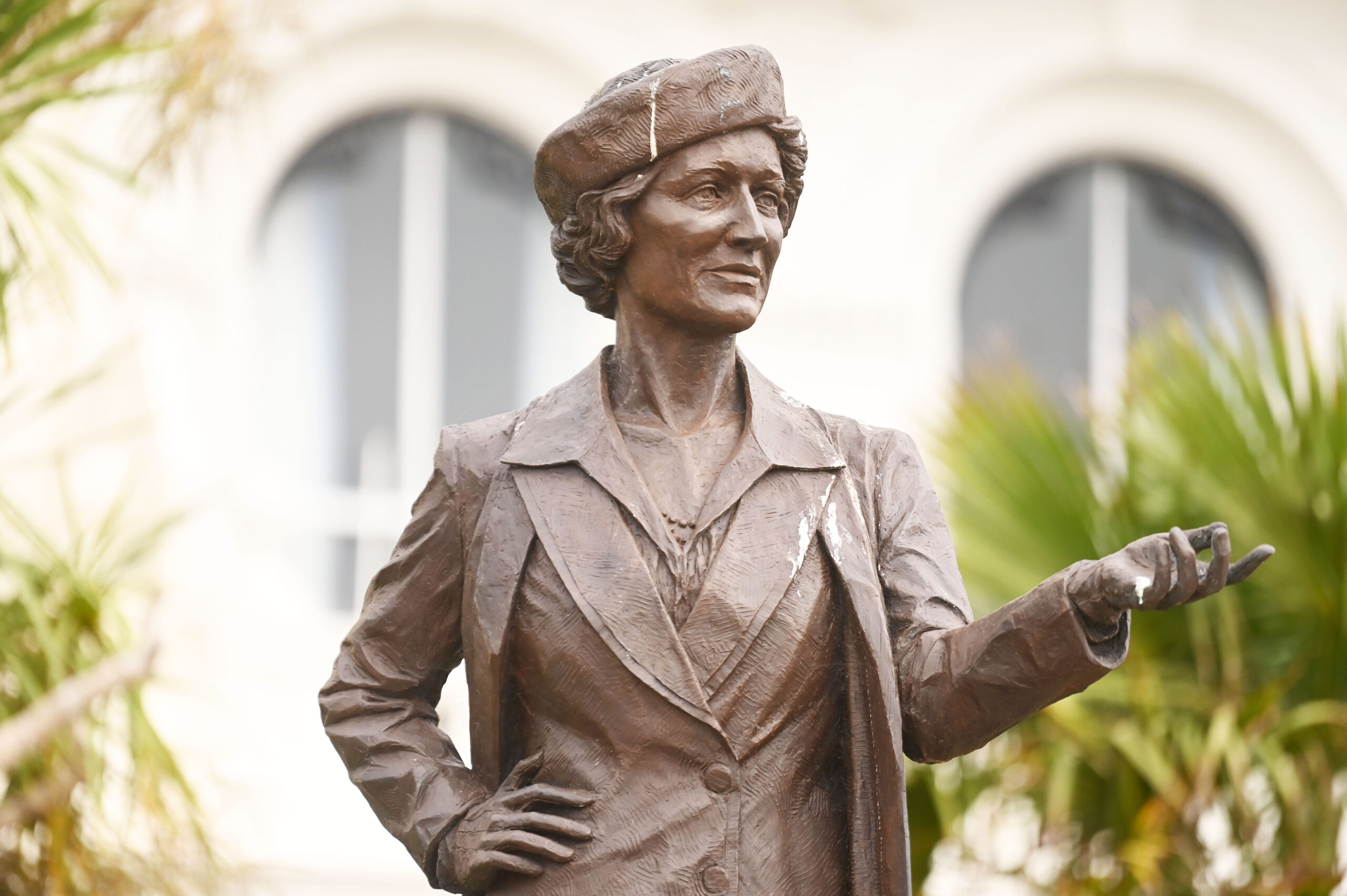
Lady Nancy Astor’s Plymouth Legacy: The Lasting Impact of Britain’s First Female MP
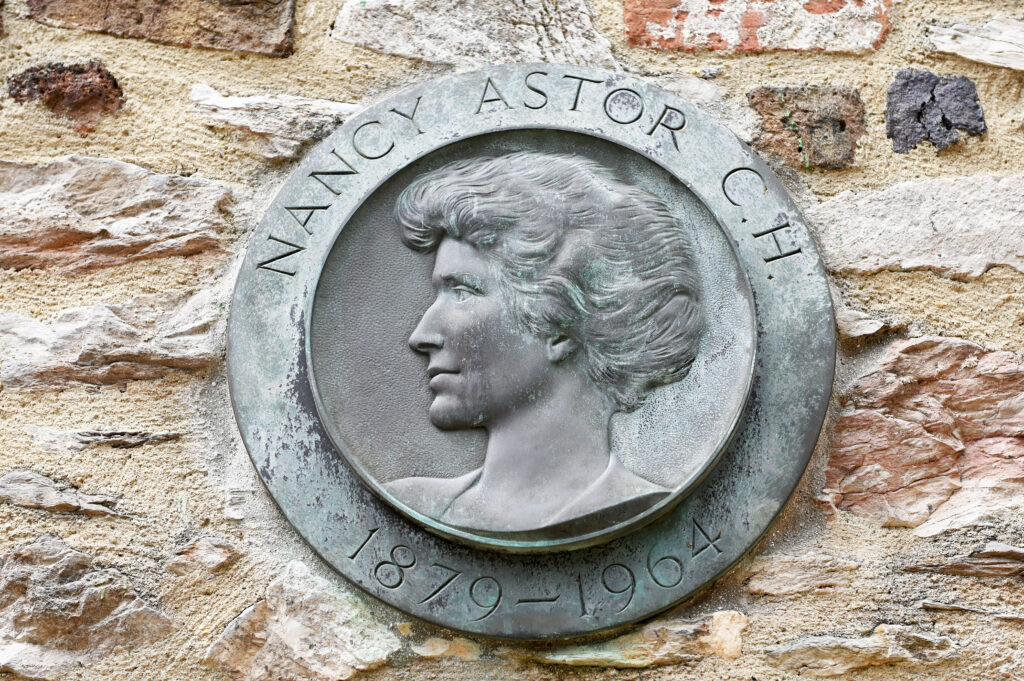
When people think of Lady Nancy Astor, history usually remembers one defining moment. In 1919, she became the first woman to take her seat in the House of Commons, breaking new ground in British politics and opening the door for generations of women who would follow.
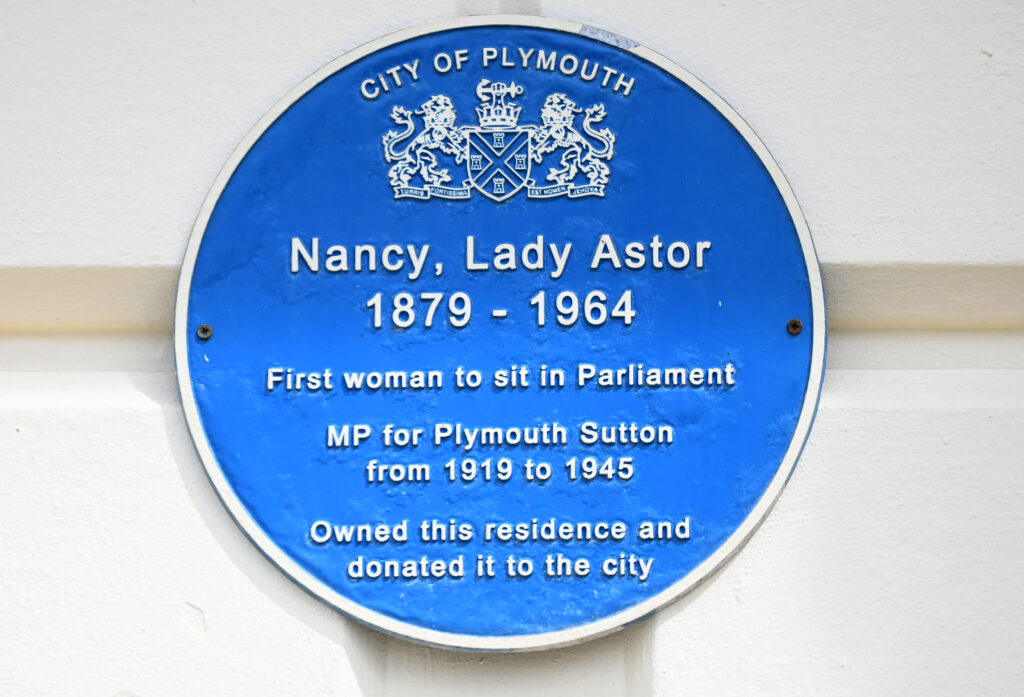
It was a landmark achievement, but in Plymouth her legacy extends far beyond Westminster. Across the city, her influence can still be seen in schools, community buildings, scientific institutions and historic landmarks. More than a century later, many of the places she helped create or support continue to serve local people.
One of the clearest examples is the Margaret McMillan Nursery School on Hoe Street.
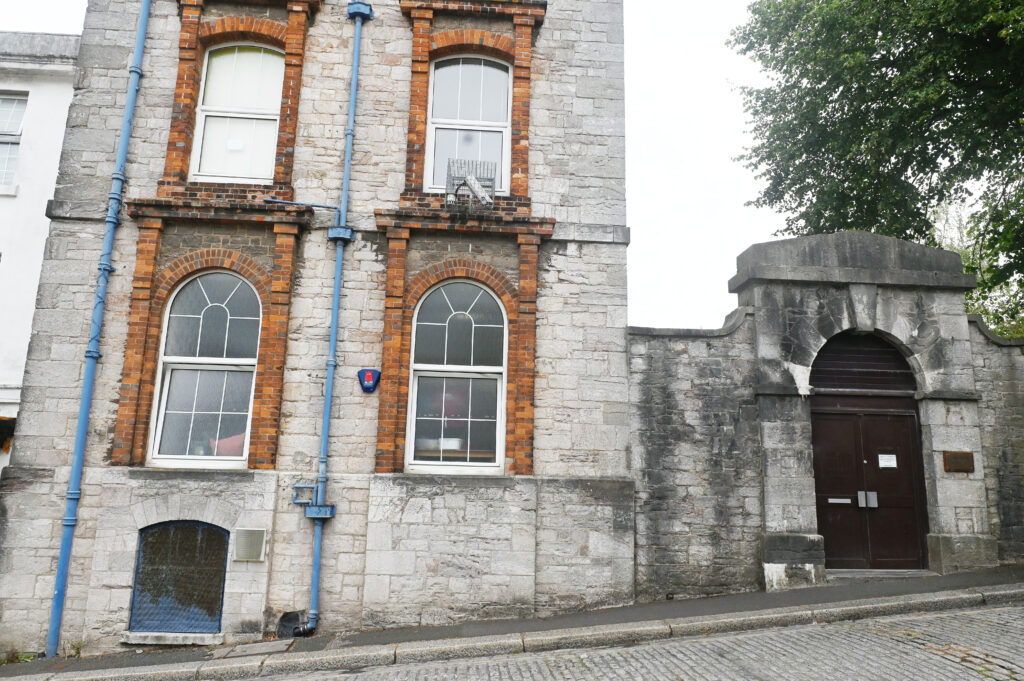
The nursery was established through Lady Astor’s efforts after she acquired and converted a property to create Plymouth’s first purpose-built day nursery. Inspired by the educational ideas of Margaret McMillan, she believed every child deserved the best possible start in life, regardless of their family’s circumstances.
At a time when childcare and early years education received little public attention, the nursery provided children with a safe, healthy environment where they could learn, play and develop. It reflected Lady Astor’s growing interest in children’s welfare, health and education issues she consistently championed throughout her political career.
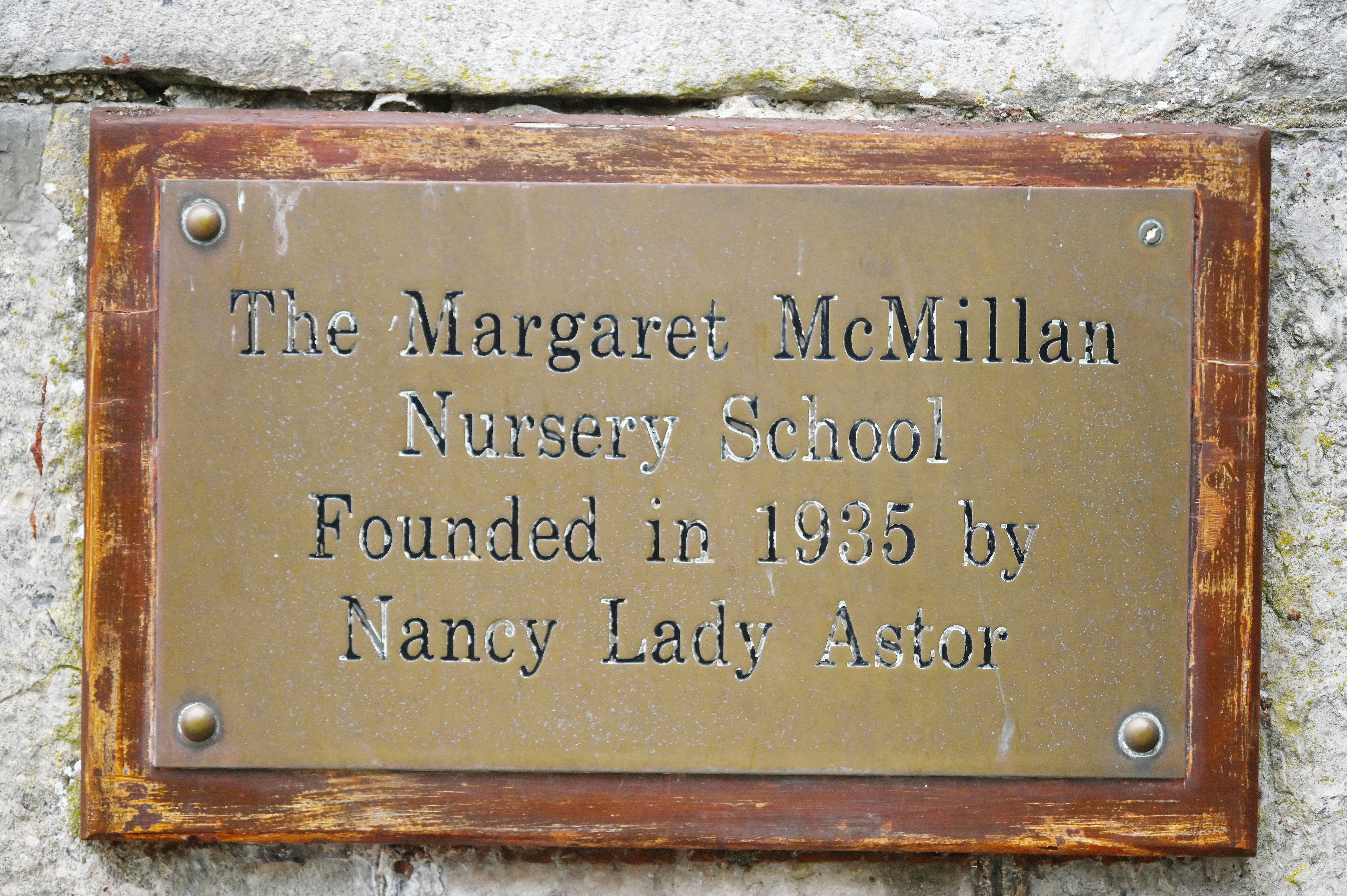
More than ninety years later, Margaret McMillan Nursery School continues to support families in Plymouth, making it one of the city’s most enduring examples of Lady Astor’s vision.
Her commitment to improving everyday life did not stop there.
Lady Astor also played a leading role in the creation of Virginia House, named after her home state of Virginia in the United States. The building evolved from the former Victory Boys’ and Girls’ Club into one of Plymouth’s most important community centres.
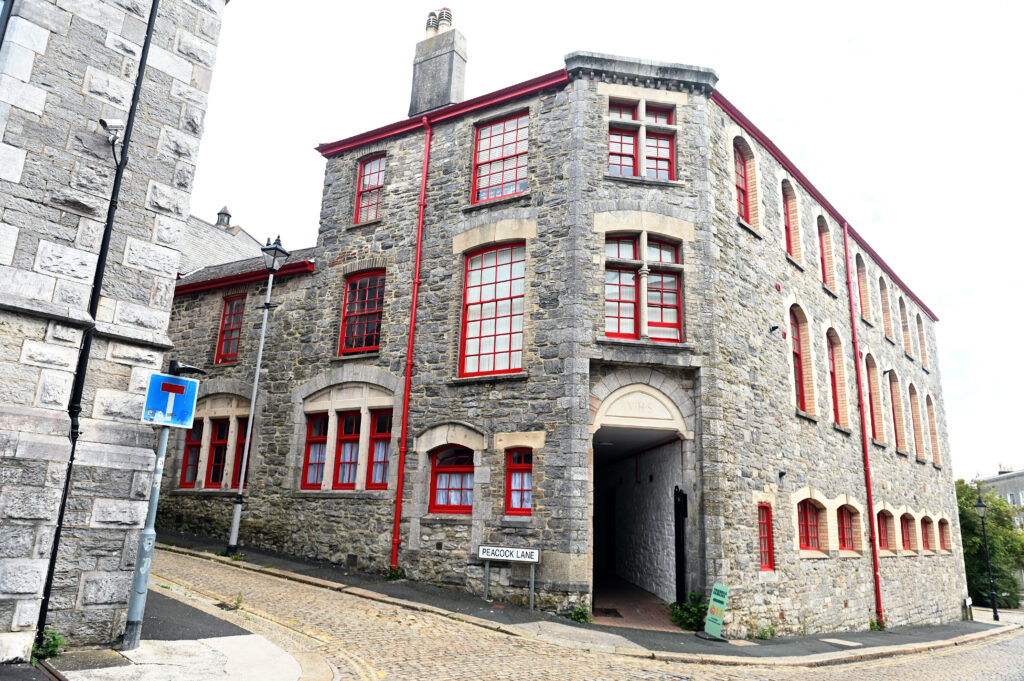
Virginia House offered facilities that were remarkably forward-thinking for their time. It included a gymnasium, library, music room, dance hall and meeting spaces, providing educational, recreational and social opportunities for people of all ages.
Over the decades it became home to a remarkable range of organisations and activities. These included mothers’ clubs, men’s clubs, youth organisations, boxing clubs and judo clubs, while countless local groups met there throughout the year.
One particularly unusual organisation was the World Order Group, established by Lord Astor to encourage discussion of international affairs and promote understanding between nations during the turbulent years between the two World Wars.
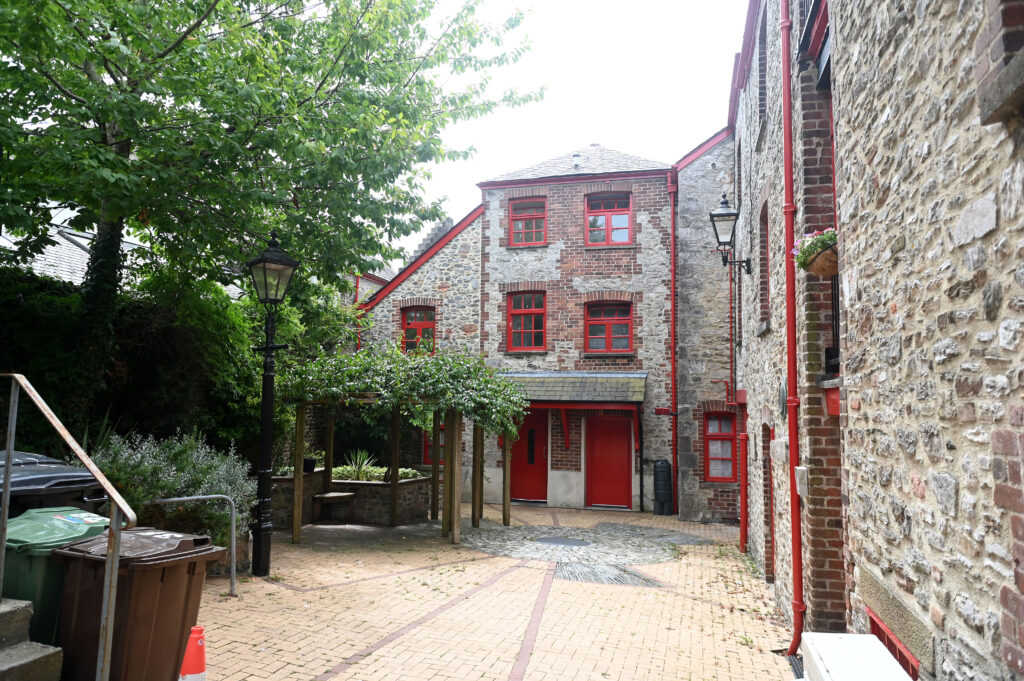
At its height, Virginia House attracted well over a thousand members and became woven into the fabric of everyday life in Plymouth. For generations of local families, it was where lifelong friendships were formed, hobbies discovered and childhood memories created.
Lady Astor’s influence also reached into the world of science.
During her years as Plymouth’s Member of Parliament, she became a strong supporter of the Marine Biological Association. Recognising the importance of marine research to both Plymouth and the wider scientific community, she used her position in Parliament to advocate for government funding and support.
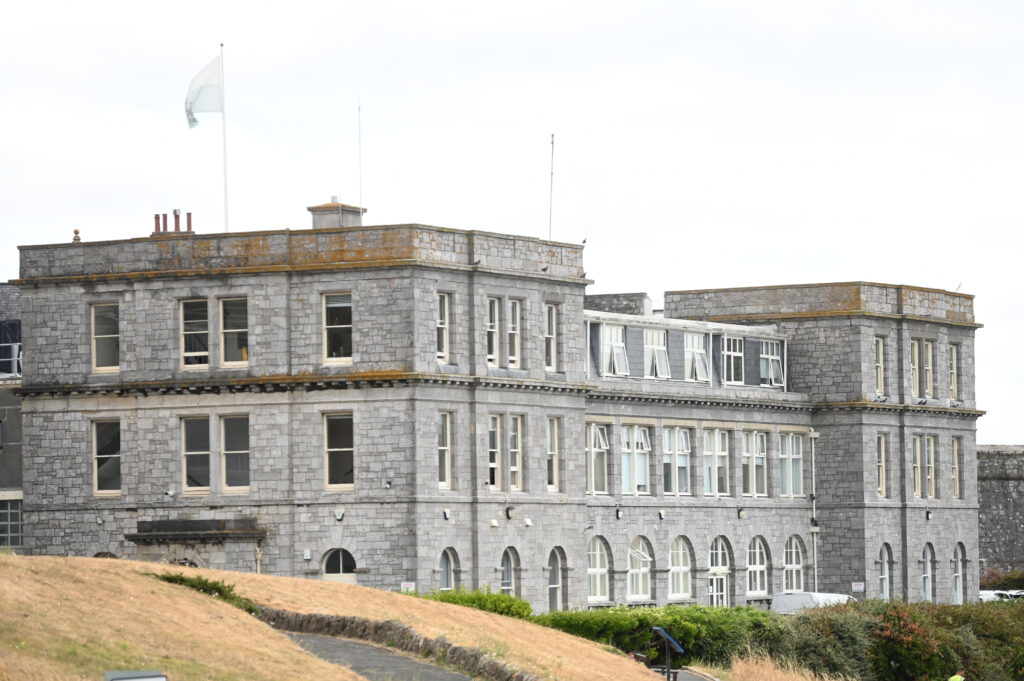
The official Nancy Astor Papers include correspondence from the 1920s that records her communication with leaders of the Marine Biological Association. These letters demonstrate her willingness to support funding applications and educational initiatives designed to strengthen marine science and expand opportunities for future researchers.
Her interest in marine biology was not merely political. Lady Astor was also a keen collector of shells, and her personal collection was later preserved alongside marine specimens associated with Plymouth’s scientific heritage, reflecting her genuine fascination with the natural world.
Although Lady Nancy Astor is rightly remembered as Britain’s first female Member of Parliament to take her seat, her achievements in Plymouth deserve equal recognition.
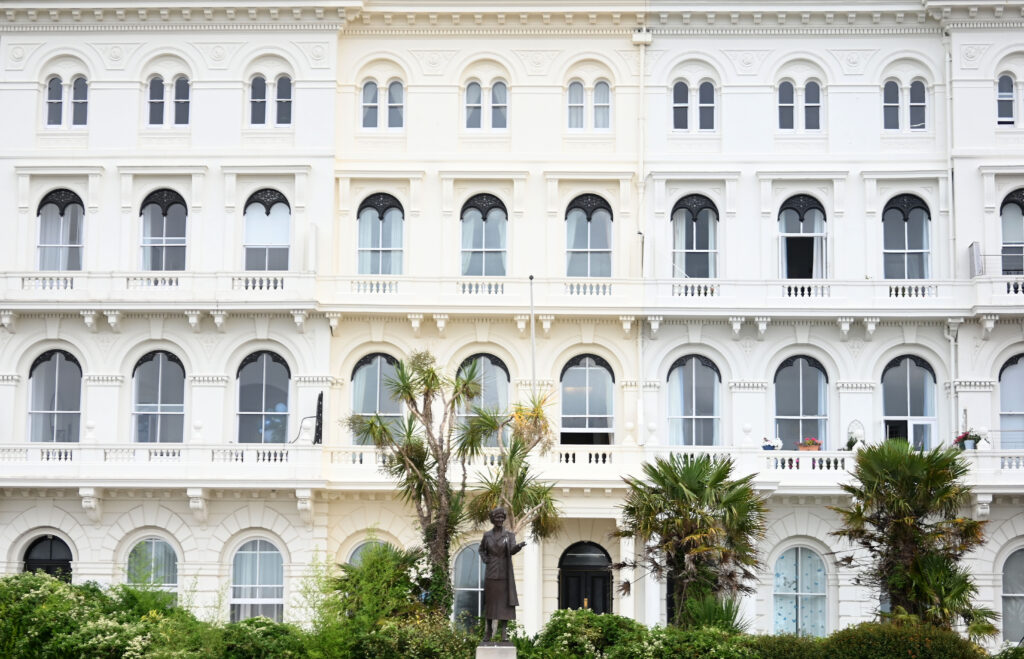
She helped improve opportunities for children through education, invested in community life, championed scientific research, and supported cultural and civic institutions across the city.
Many of the places she influenced still exist today. They are not simply historic buildings; they remain living reminders of a woman who believed public service should improve everyday life.
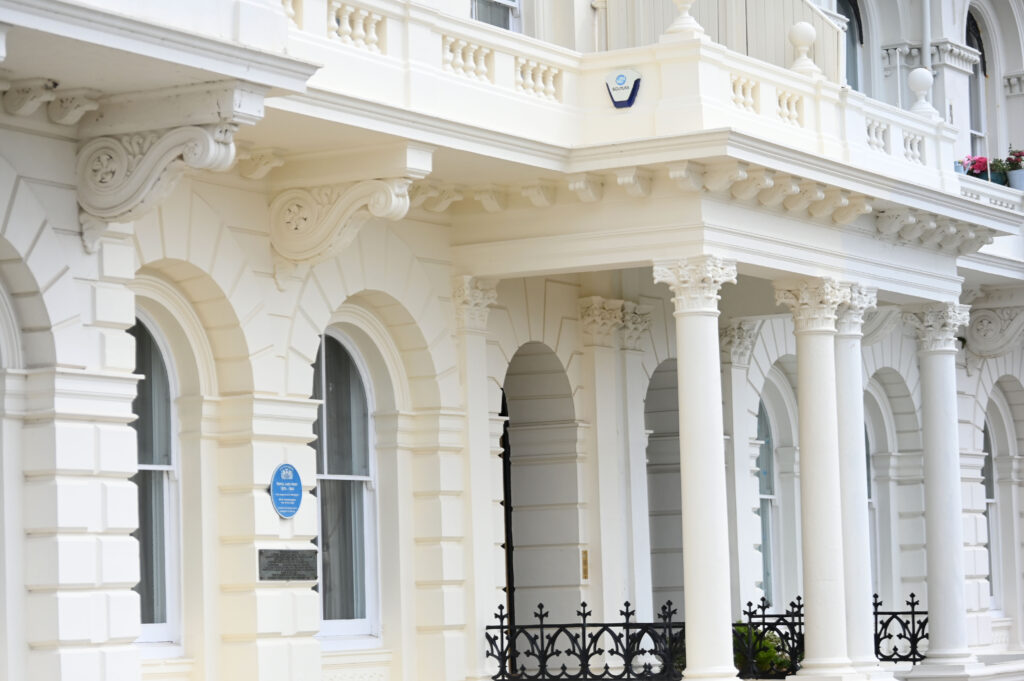
More than a century after she entered Parliament, Lady Nancy Astor’s legacy is still visible across Plymouth in its schools, community organisations and scientific institutions continuing to shape the city she represented for twenty-five years.
Film by Maisie Pennington /Plymouth Post
Photographs © Wayne Perry/ Plymouth Post