Tucked behind a row of Tudor merchant houses on one of Plymouth’s oldest streets lies a hidden gem that most people walk straight past, four enchanting walled gardens that transport you back more than 400 years.
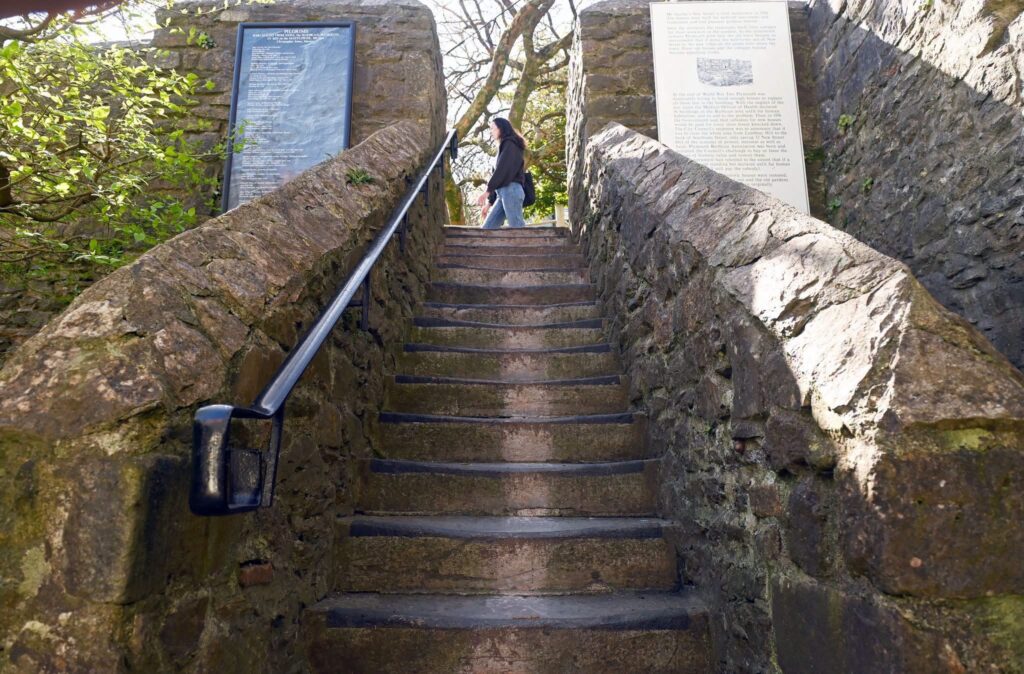
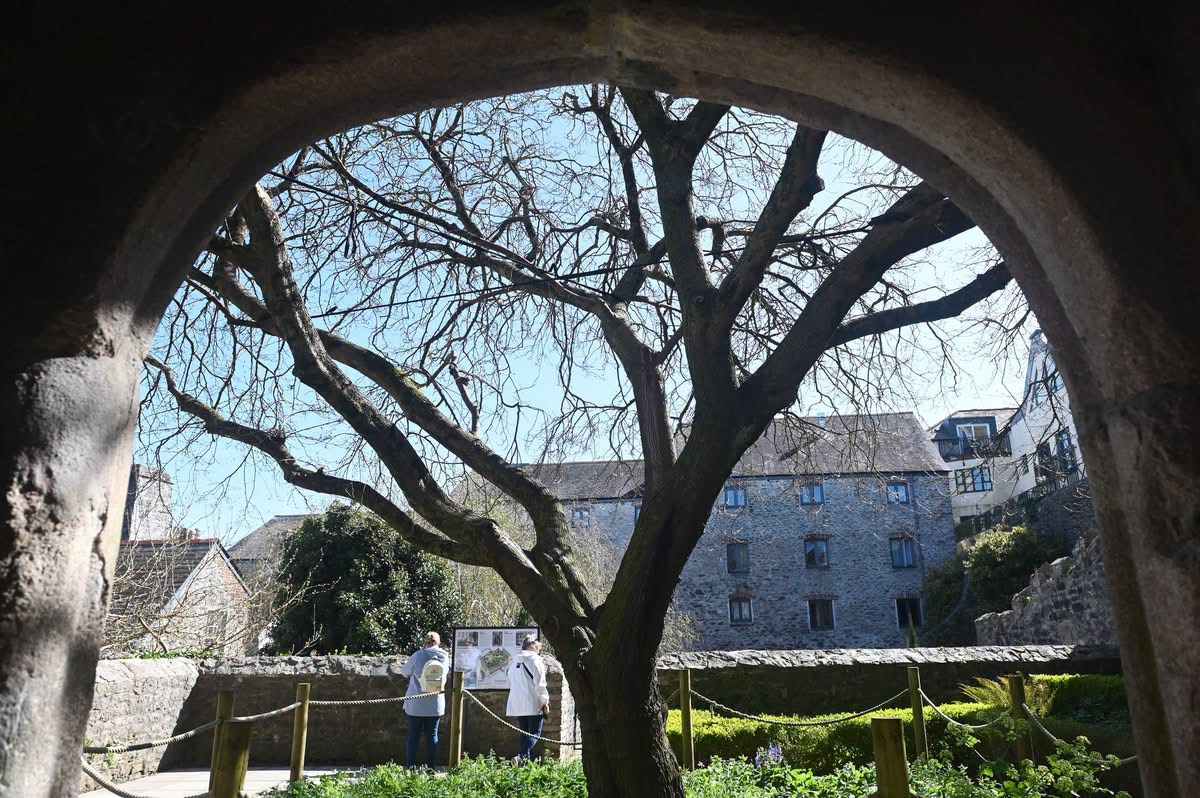
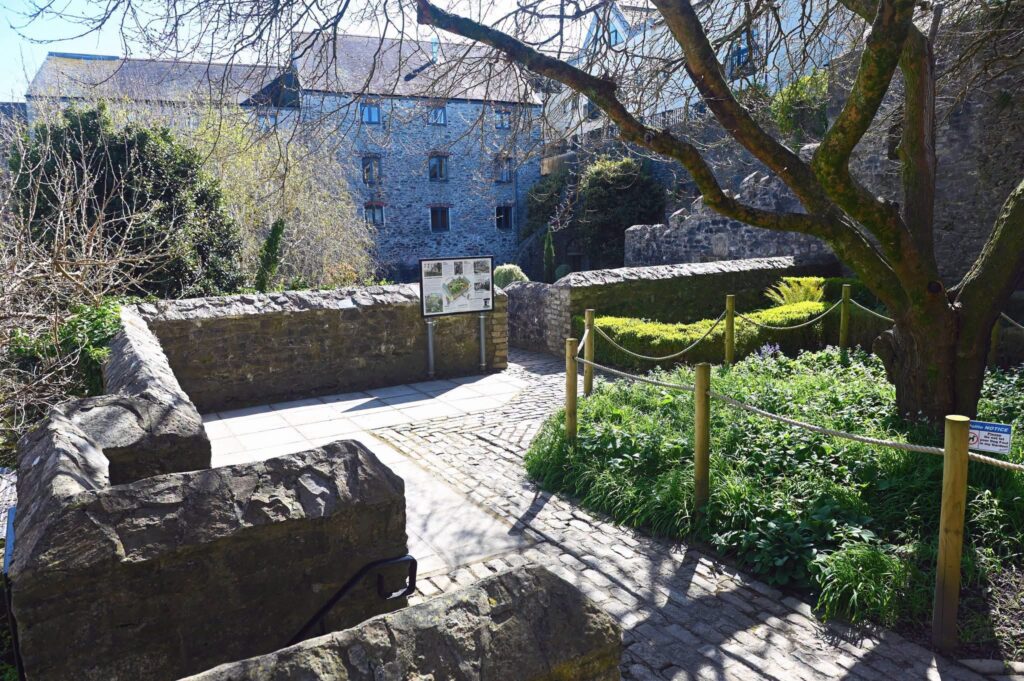
The Elizabethan Gardens off New Street on the Barbican are one of Plymouth’s best-kept secrets. Step through an unassuming doorway, climb a flight of stone steps, and the noise of the city falls away. What greets you is a series of beautifully planted enclosures cobbled paths underfoot, low box hedges forming intricate geometric patterns, old roses in bloom, and a fountain at the heart of it all. It is, by any measure, one of the most atmospheric corners of the entire city.
But the story of how these gardens came to exist is as rich and dramatic as Plymouth itself.
New Street was literally new in the 16th century, laid out as a prosperous enclave on the edge of Sutton Harbour at a time when Plymouth was one of England’s most important trading and seafaring ports. The merchants who built their fine timber-framed houses here were men of substance, ship owners, traders and chandlers who grew wealthy on the back of Plymouth’s golden age of exploration. Behind their houses, pleasant gardens stretched to the rear, private green spaces in the heart of a thriving port town.
As the centuries passed, the character of the street changed dramatically. The merchants and tradesmen of New Street gradually built small cottages over their back gardens to house workmen and labourers. As Plymouth expanded through the 19th century, the well-to-do departed for the new villas springing up on the hills above town, and the Barbican slipped into serious decline. What had once been proud merchant townhouses became some of the most overcrowded dwellings in western Europe. Government surveys following the Public Health Acts recorded that overcrowding in Plymouth Sutton was among the worst anywhere in western Europe, with families of up to ten people occupying a single room.
The story might easily have ended there, with the wrecking ball finishing what poverty had started. After the devastating Plymouth Blitz, the city council faced enormous pressure to rehouse thousands of residents who had lost their homes. Officials turned their attention to the Barbican and proposed demolishing the historic houses, even those of clear architectural and historical value. The Public Health Officer declared the New Street buildings unfit for human habitation, and the national Government offered local authorities a financial subsidy for every old house they pulled down.
By 1956, Plymouth council had drawn up plans to clear a large swathe of the Barbican, intending to save only 32 New Street — the building we now know as the Elizabethan House. The public outcry was immediate and fierce. From that anger grew the Plymouth Barbican Association, founded largely by a nucleus of young Second World War veterans who had returned home from military service only to find their already bomb-damaged city being further dismantled by its own authorities. They accepted the council’s challenge to buy and restore every property of genuine historic value and they made good on that promise.
The tenement cottages that had been built over the original merchant gardens were beyond saving and were cleared away. But rather than simply leaving the cleared ground, the Association had a more imaginative vision. In 1970, to mark the 350th anniversary of the sailing of the Mayflower from Plymouth harbour, they created something entirely new on the footprint of those long-demolished backland cottages, a recreation of an authentic Elizabethan walled garden.
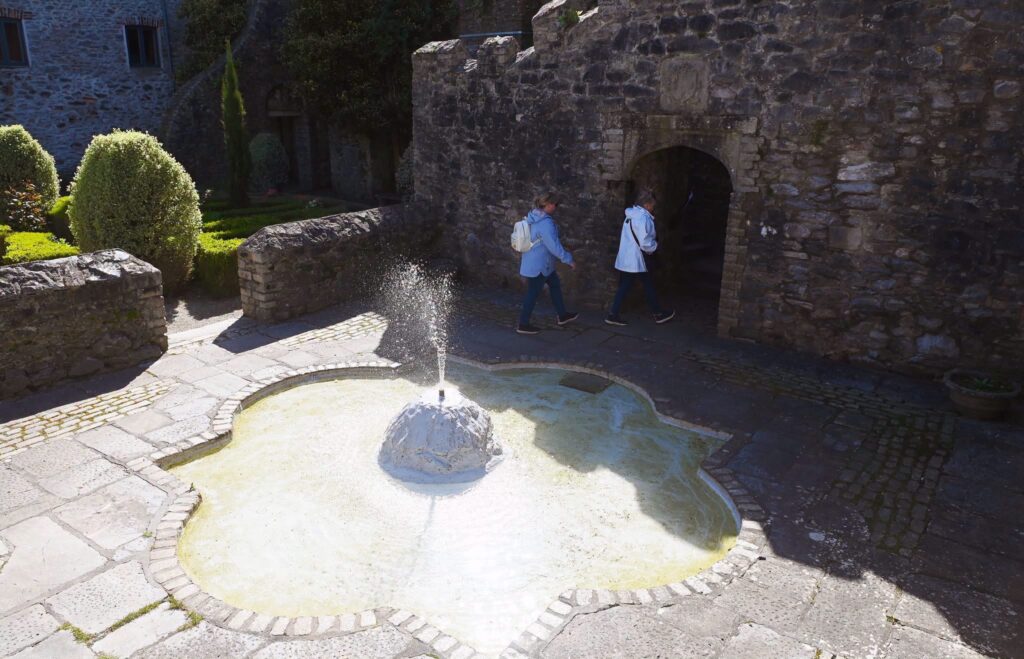
The gardens were designed by Alan Miller-Williams, with horticultural expertise provided by Iris Webb, and the result was four distinct but connected garden spaces, linked by passages and stone stairs, and set against the dramatic backs of the original 16th-century merchant houses, a constant reminder of the history embedded in every wall.
The garden has its own distinct character, perhaps the most visually striking, low box hedges clipped into precise geometric patterns in the formal Elizabethan style, the kind of intricate design that would once have been admired from the upper windows of the merchant houses above. The rose garden is planted with old-fashioned varieties chosen to reflect the blooms that would have been familiar to Elizabethan Plymothians. The water garden is centred on a circular pool and fountain, providing a focal point of calm at the heart of the space.
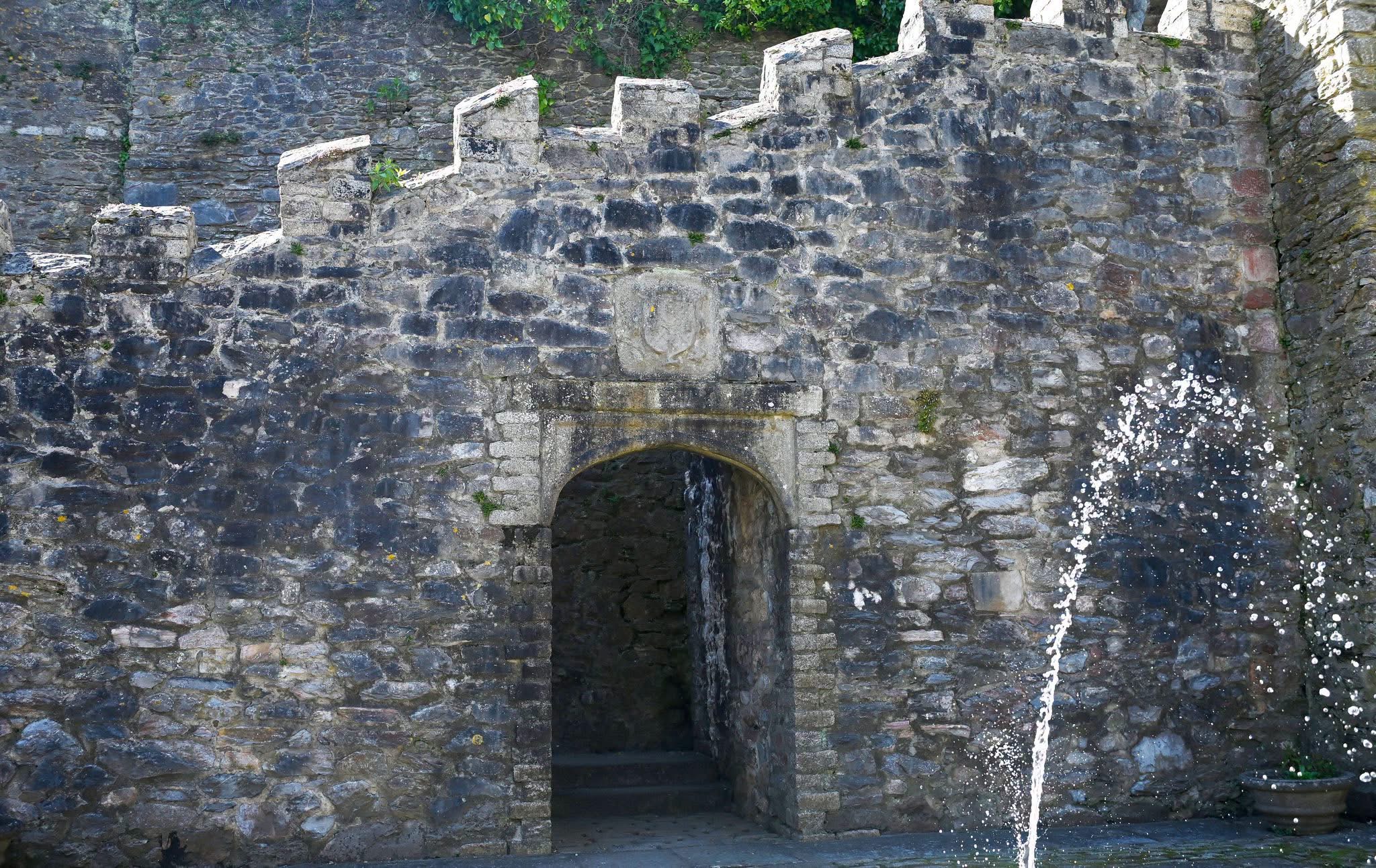
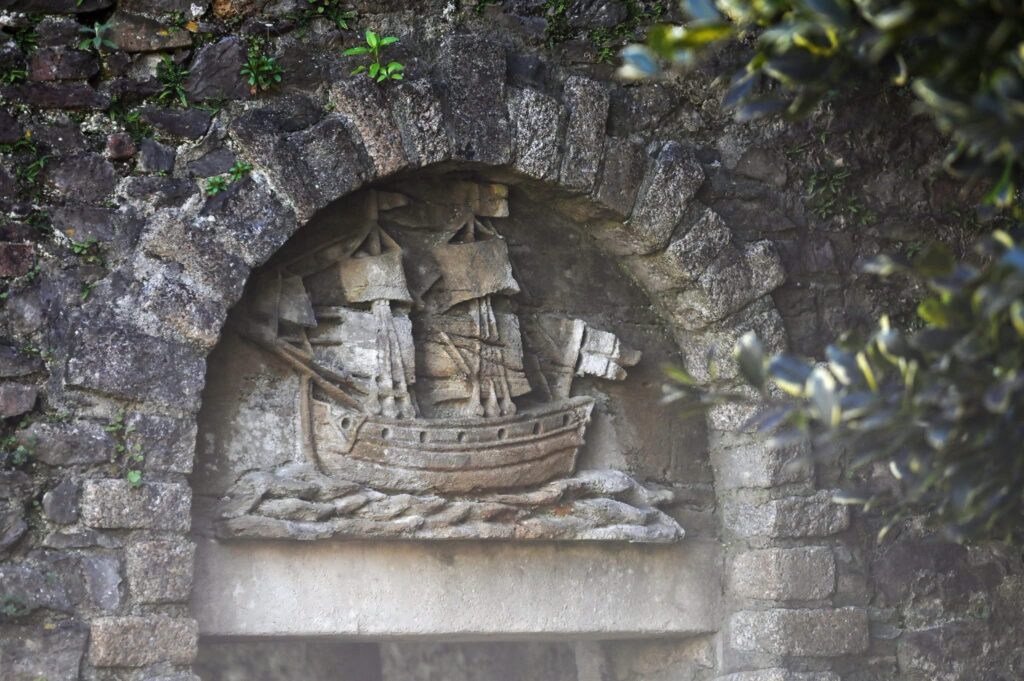
Woven into the fabric of the gardens is a remarkable piece of salvaged history. A doorway dating from 1630, rescued from the Hospital of Poor’s Portion a private Plymouth charity established in the 16th century to train poor children in skilled trades, has been reset within the gardens. Above it, a carved sailing ship serves as a quietly powerful reminder of Plymouth’s seafaring soul and the world the original merchants of New Street inhabited.
Today the Elizabethan Gardens are free to enter, open daily, and welcoming to visitors and their dogs alike. They remain in the care of the Plymouth Barbican Trust, the successor body to the original Association, which continues to maintain and protect some twenty historic properties in this corner of the city.
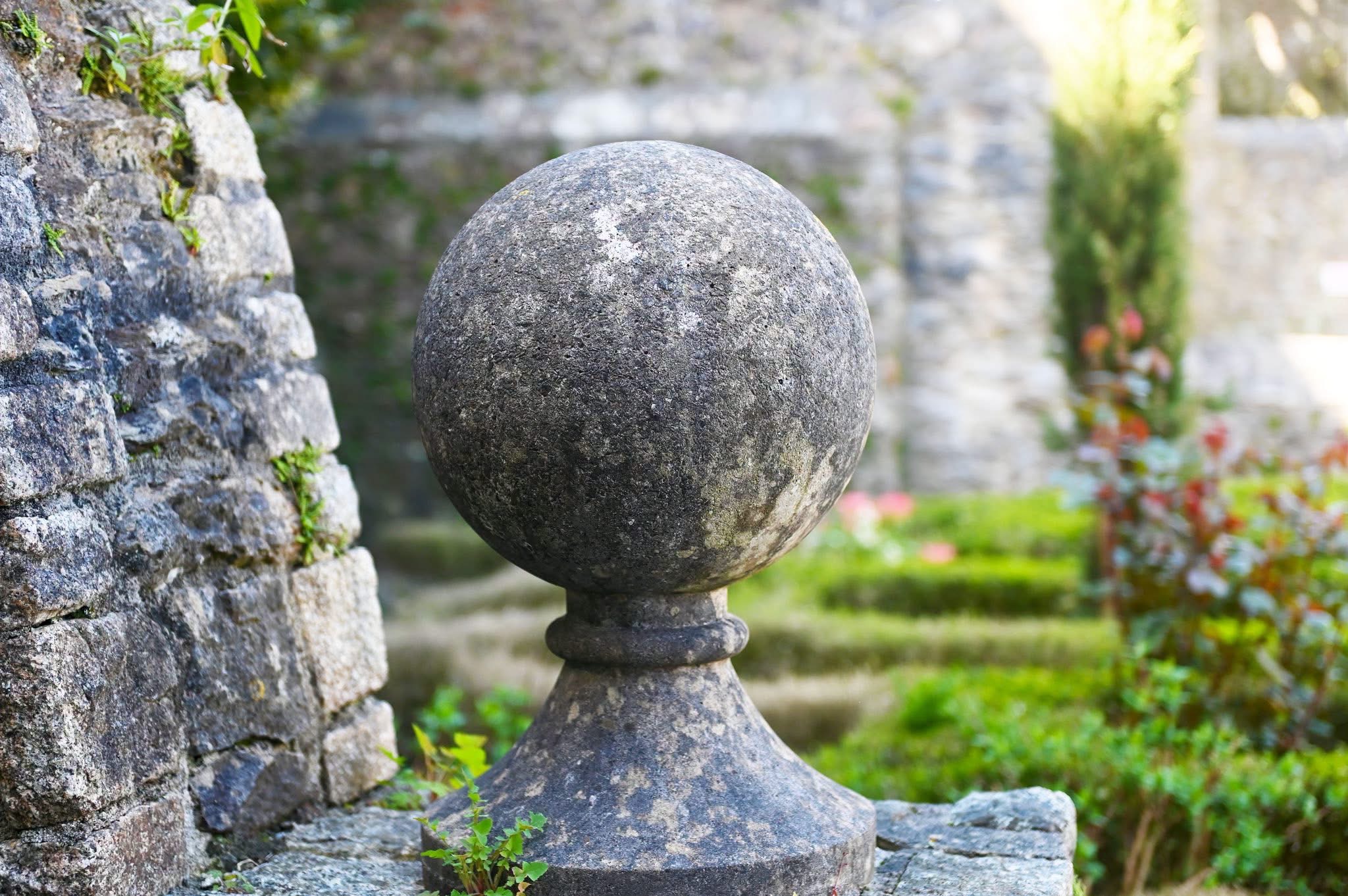
For those who know where to look, they are an extraordinary place a pocket of genuine tranquillity in the middle of a busy city, where the cobbled paths, the scent of herbs and roses, the sound of the fountain, and the ancient stone walls conspire to make the 21st century feel very far away indeed.
The Elizabethan Gardens are located at 34 New Street, The Barbican, Plymouth, PL1 2NA. Entry is free. Open daily.
Photographs © Wayne Perry / Plymouth Post