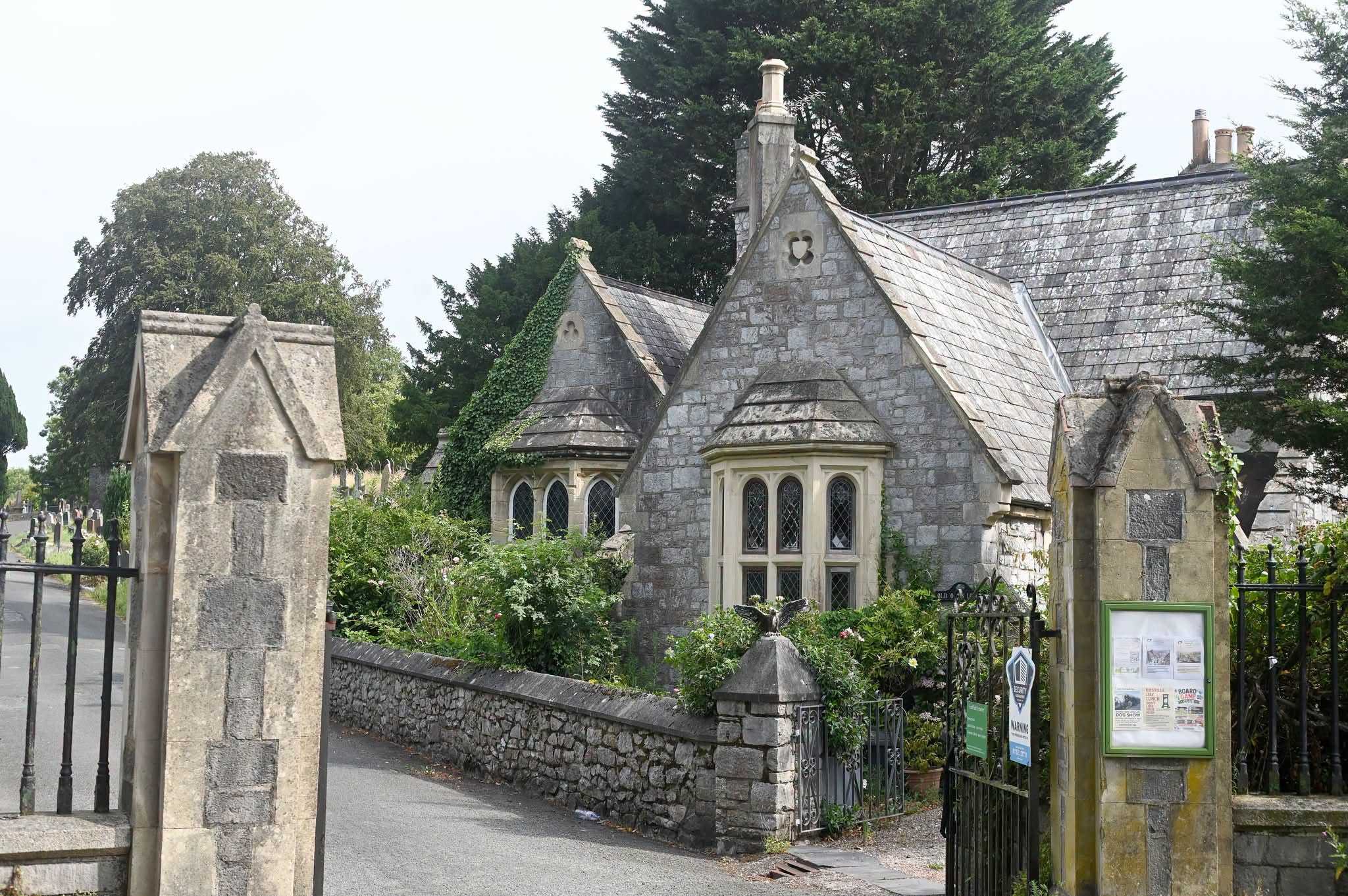
Most people in Plymouth will have passed this remarkable building, and many may have wondered what lies behind its doors.
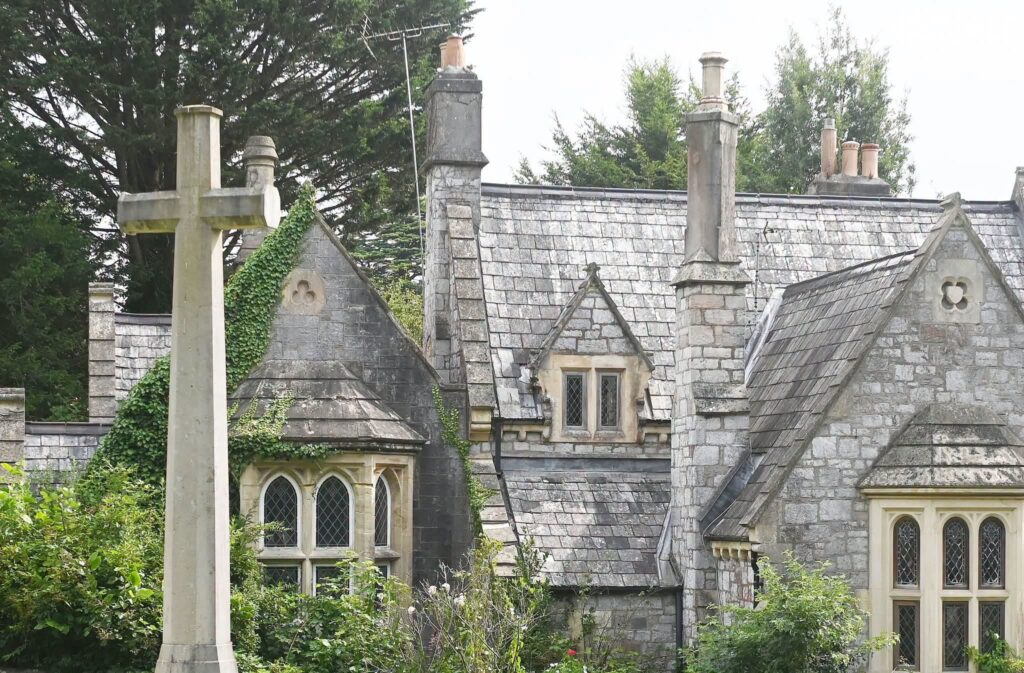
Old Oaks Lodge stands beside the main entrance to Ford Park Cemetery. With its steep gables, stone walls and pointed windows, it looks more like a small Gothic country house than a traditional cemetery gatehouse.
When it was built, however, this was not the busy and heavily developed part of Plymouth that we know today.
During the first half of the nineteenth century, Plymouth, Devonport and Stonehouse were growing rapidly. The expansion of Devonport Dockyard brought more people into the Three Towns and placed increasing pressure upon overcrowded churchyards.
The Plymouth, Devonport and Stonehouse Cemetery Company was established by an Act of Parliament in 1846. It purchased 18 acres of undeveloped land at Ford, beyond the built up limits of the Three Towns and surrounded largely by fields and open countryside.
Simply reaching the new burial ground presented a challenge. A road had to be created from close to what is now Pennycomequick roundabout to the cemetery gates.
It became known as Cemetery Road and the route is now part of Central Park Avenue. An avenue of lime trees was planted along it, creating a dignified approach for funeral processions.
Plans for the cemetery were invited from architects, and in April 1847 the winning design was submitted by John R Hamilton and James Medland of Gloucester.
Their scheme included the entrance lodge, a sweeping drive, terraces, vaults and two chapels standing on higher ground.
Old Oaks Lodge created the first impression for anyone arriving at the cemetery.
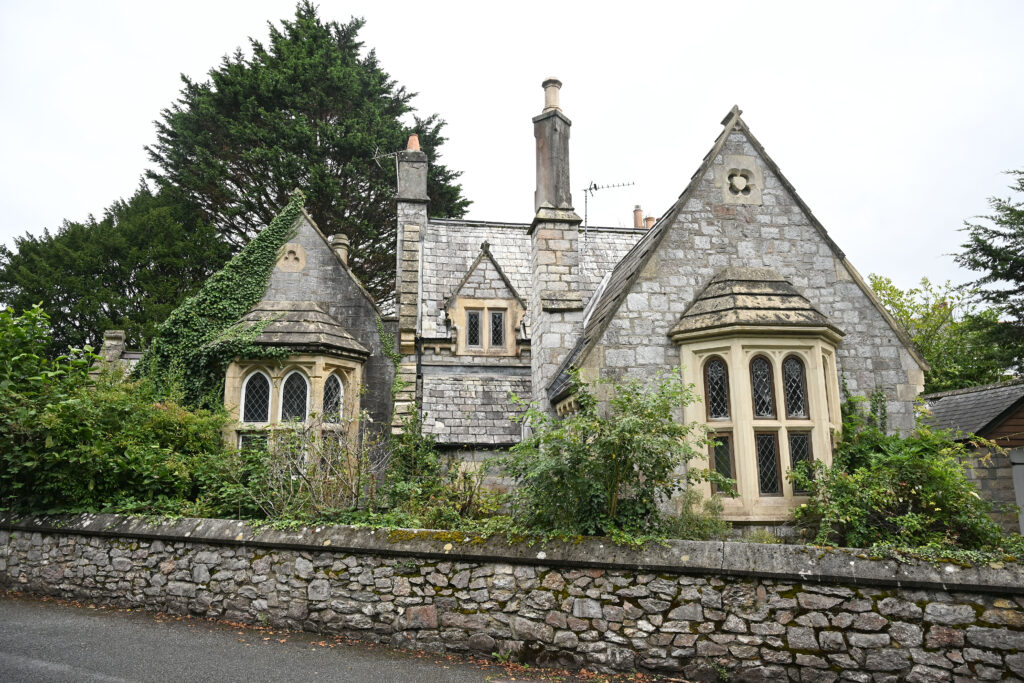
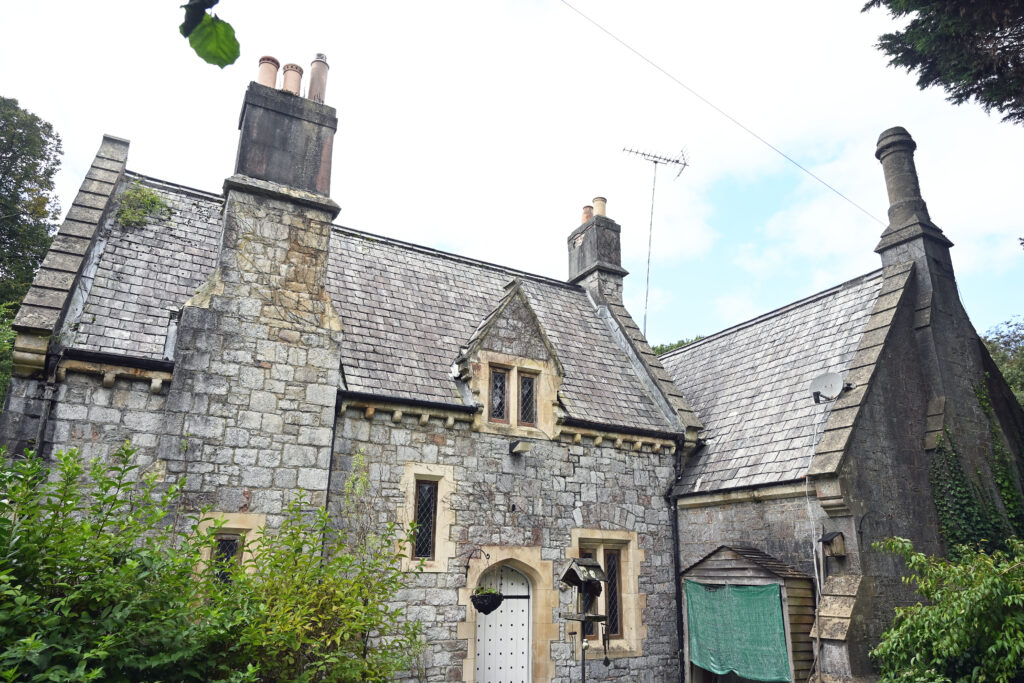
Built from local Plymouth limestone beneath slate roofs, it was given a deliberately picturesque Gothic appearance. Its irregular shape was designed to make it resemble two smaller lodges joined together.
The building has projecting gables, buttresses, pointed windows and tall stone chimney stacks. Bay windows faced the carriageway, allowing the entrance to be observed from inside.
Its original porch contains a pointed stone doorway and a pair of heavy wooden doors. Low stone walls connect the lodge to the entrance, where limestone gateposts and iron railings completed the design.
The lodge was practical as well as decorative. From here, the gates could be watched and controlled while funeral processions passed before beginning the journey up the main drive towards the chapels.
The cemetery opened for burials on December 1, 1848. During its early years only part of the land was used for graves, with some of the remaining ground let for grazing as the cemetery company struggled with its finances.
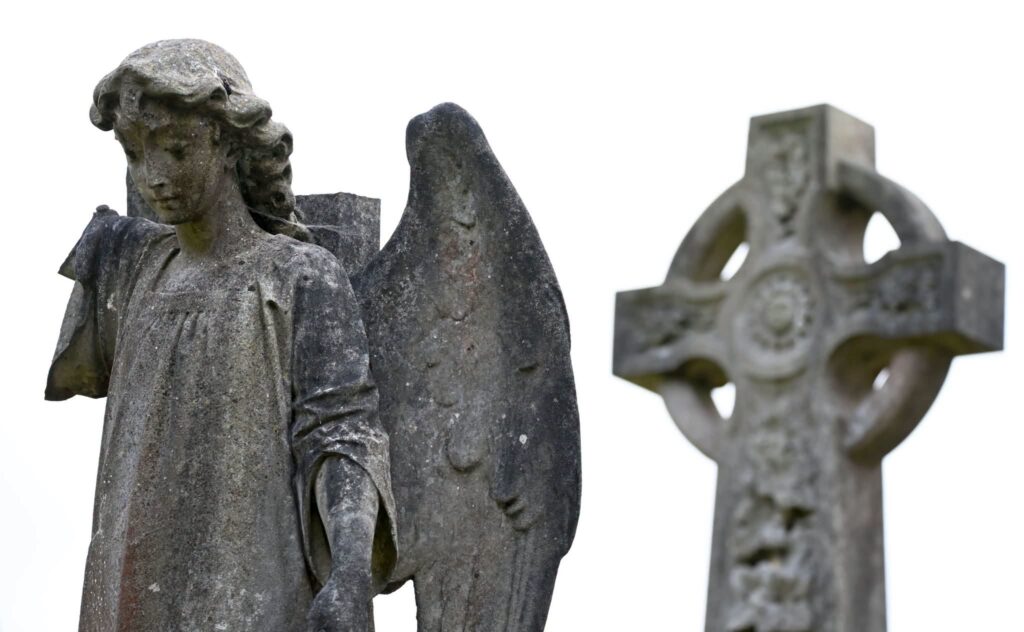
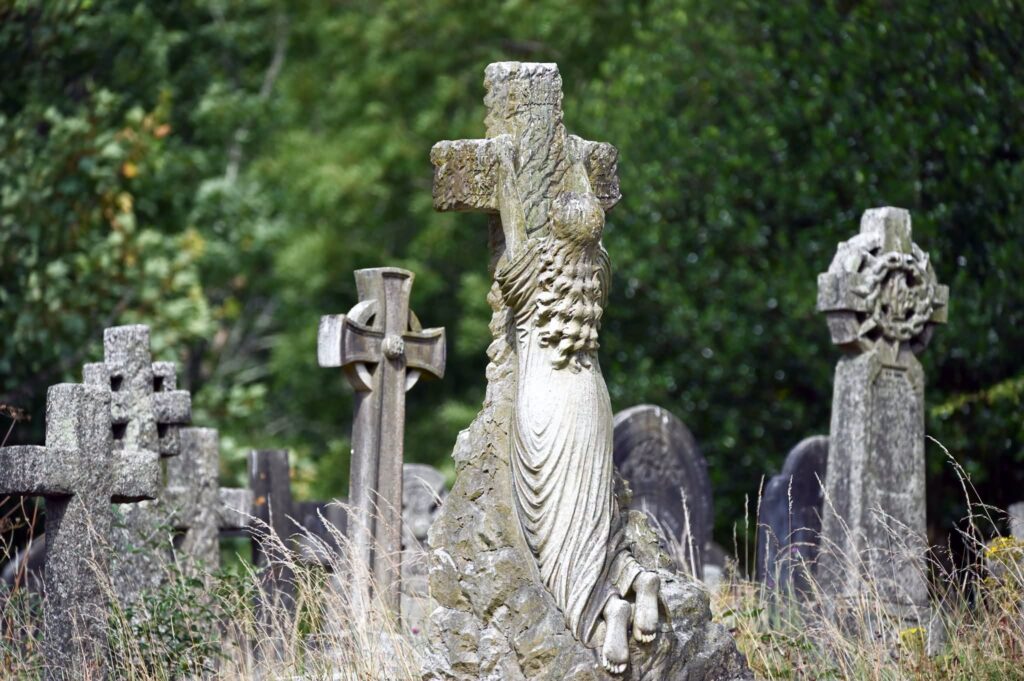
As Plymouth expanded, the countryside around Ford Park gradually disappeared beneath roads, houses, schools and other development. What had once been a remote burial ground beyond the Three Towns was absorbed into the growing city.
Ford Park Cemetery suffered bomb damage during the Second World War and one of its two original chapels was destroyed. Old Oaks Lodge survived and continued standing beside the gates.
By the end of the twentieth century, the cemetery company was facing severe financial problems. It entered voluntary liquidation in 1999 and the Ford Park Cemetery Trust was subsequently formed to protect the site and continue operating it as a working cemetery.
Old Oaks Lodge remained in private ownership, separate from the cemetery itself.
The building, together with its adjoining walls and railings, has been Grade II listed since 1975 in recognition of its architectural and historic importance.
Today it stands in the middle of modern Plymouth, but its setting still provides a glimpse of the entrance created during the 1840s.
Nearly 180 years after it was built, the road, the gates and the city around it have changed, but the remarkable Gothic lodge remains where it has always stood, guarding the entrance to one of Plymouth’s most important historic places.
This property is for sale by traditional online auction. Place a bid on Bradleys-online-auctions by 12pm on 29th September 2026.
Photographs © Wayne Perry / Plymouth Post