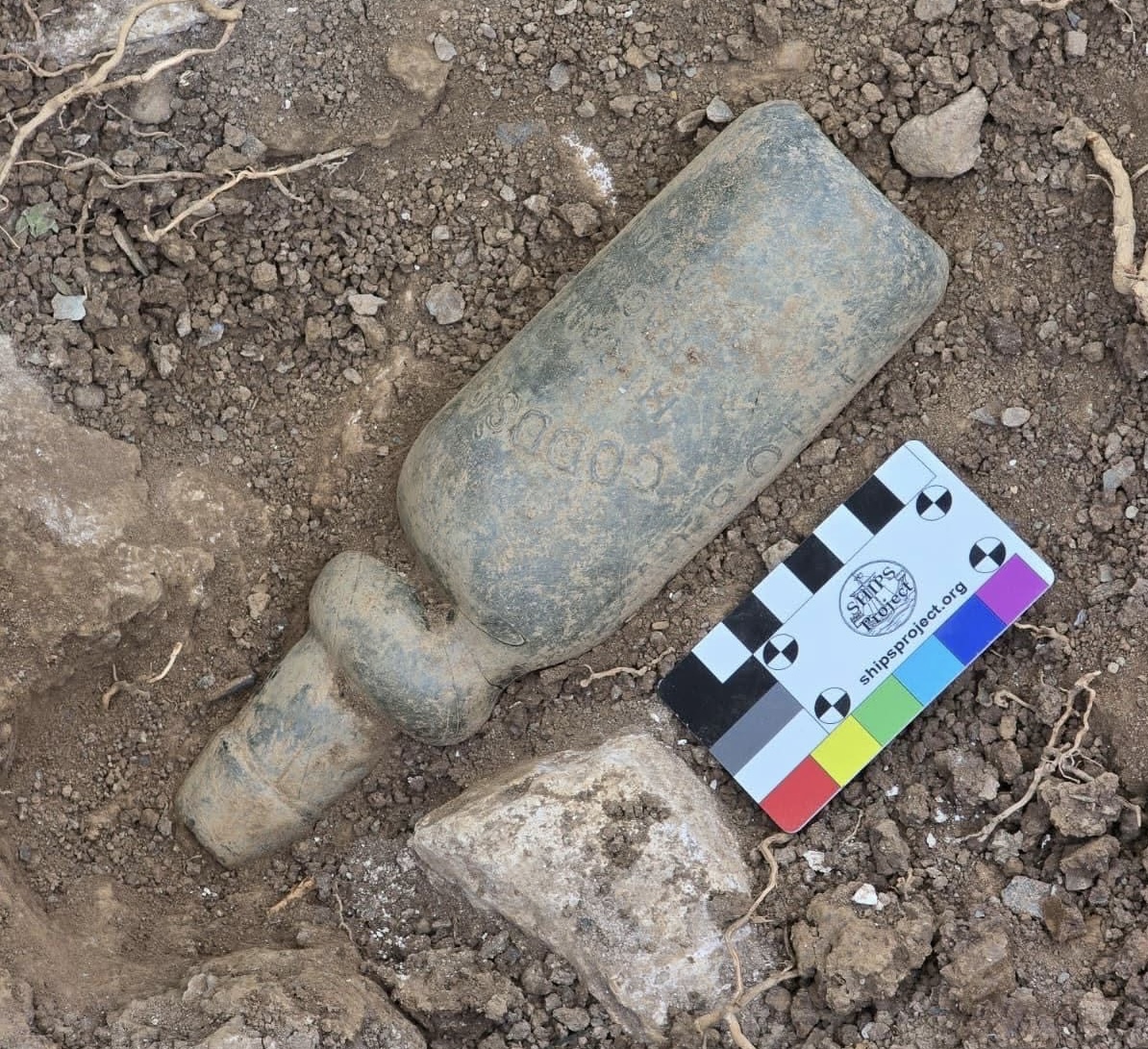
The bottle being excavated
A rare 19th-century Plymouth Codd bottle has been safely recovered after going missing during a community archaeology project.
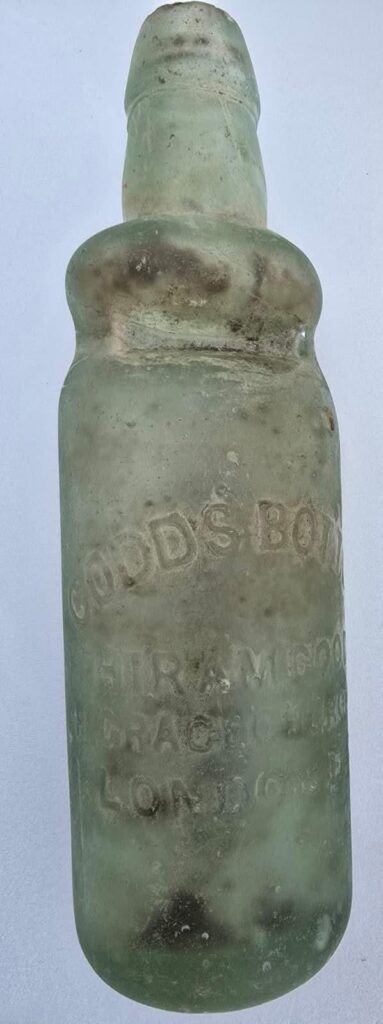
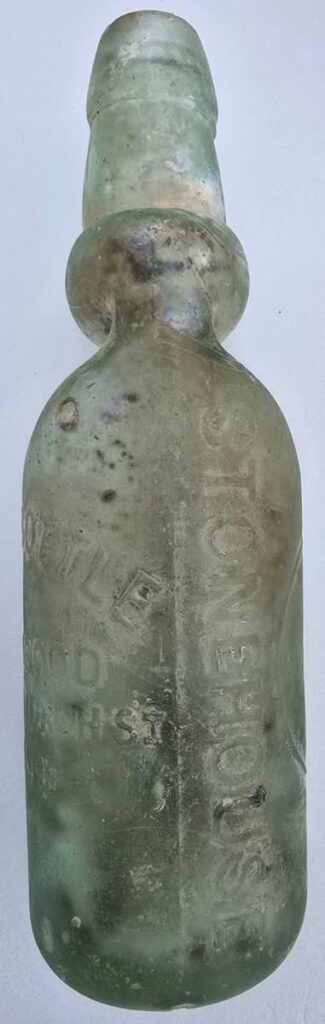
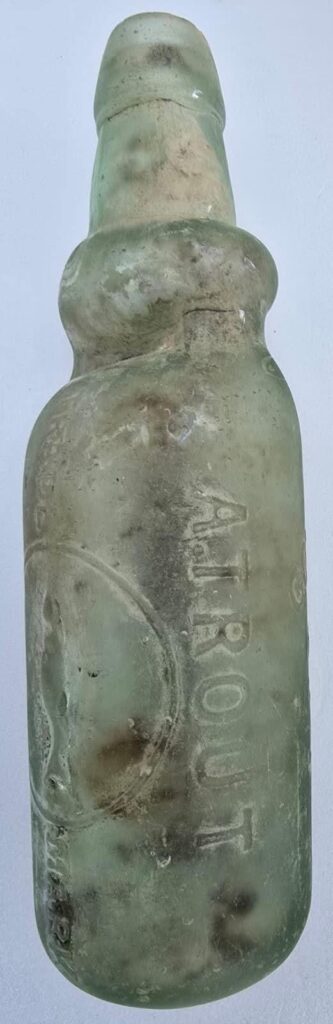
The bottle, embossed A. Trout, Stonehouse, was discovered during archaeological work at Mount Edgcumbe by a young volunteer who spent more than an hour carefully excavating it under the guidance of archaeologists.
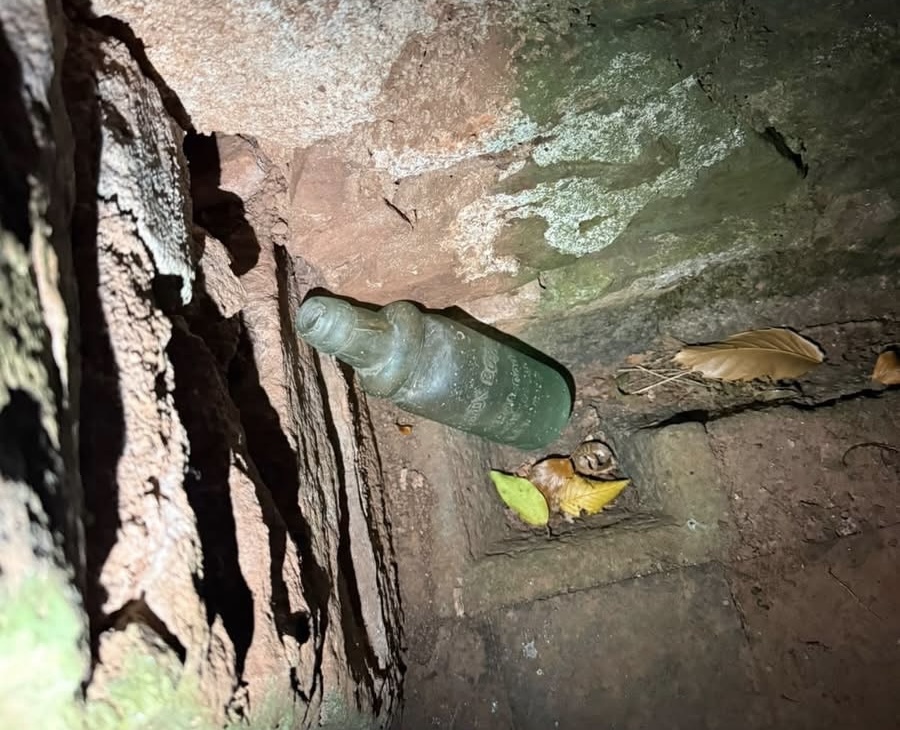
It subsequently disappeared from the project tents while volunteers were showing members of the public local archaeological finds.
A public appeal was made for its safe return, with organisers asking for it to be brought back with “no questions asked.”
The appeal quickly produced results.
Late in the evening, organisers received a discreet message telling them the bottle had been returned and was waiting in a safe location.
Project interns drove to the specified location, where they found the bottle waiting for them, completely undamaged.
Whoever had taken it had left it somewhere the team could collect it without having to make contact.
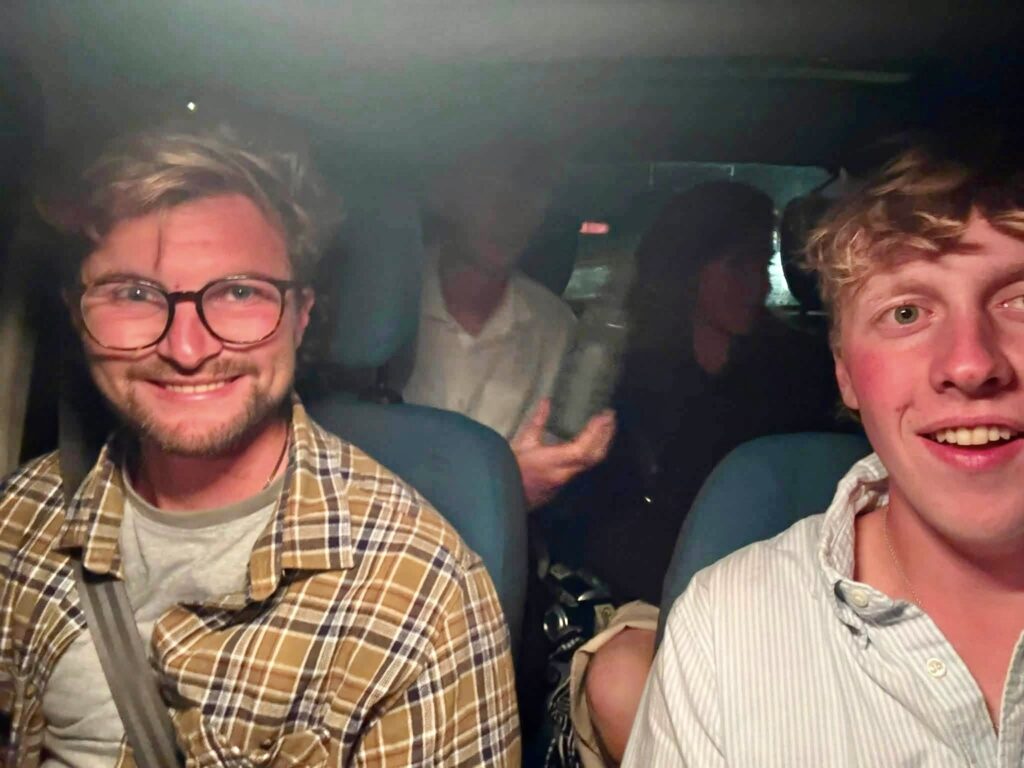
The project, run by Plymouth based SHIPS Project CIC, said it was delighted to have the rare piece of local history back.
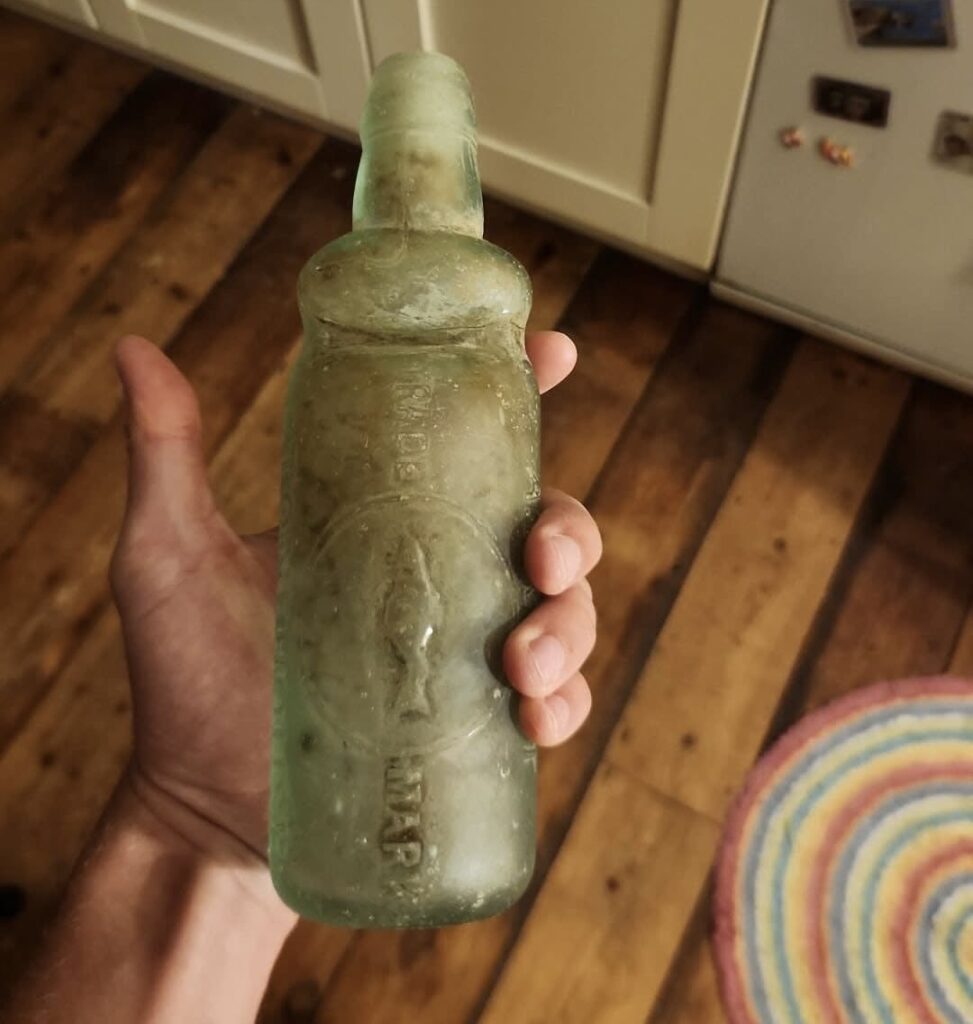
The bottle is a Codd-neck bottle, a late 19th-century design developed by Hiram Codd. The system used a glass marble and rubber washer, held in place by internal gas pressure, to seal bottles containing carbonated mineral water and soft drinks.
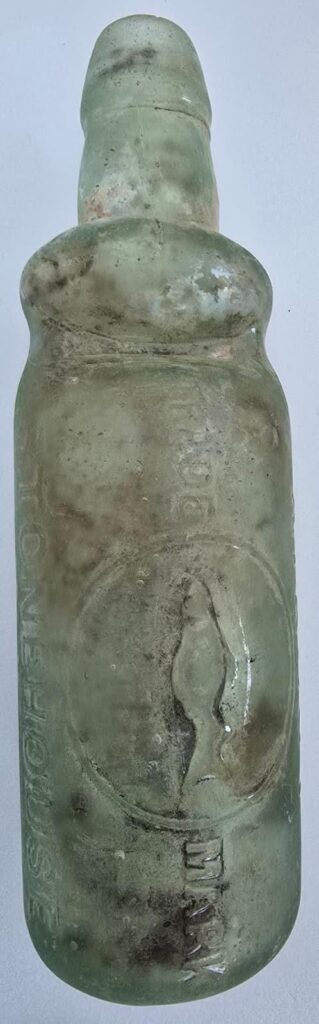
Alongside the Codd’s Patent and Gracechurch St, London E.C. markings, it carries a distinctive fish trade mark enclosed within a circle. A. Trout was a mineral water manufacturer in Stonehouse, Plymouth.
Complete Codd bottles are now particularly scarce because children would often smash them to retrieve the glass marbles inside for games.
A complete bottle bearing a specific Stonehouse trade mark, such as A. Trout’s fish emblem, provides a fascinating surviving link to Plymouth’s industrial and social history.
The recovered bottle will be among the local artefacts on display at the project’s public open day at Mount Edgcumbe today.
📸 Pictures by SHIPS Project/Plymouth Post