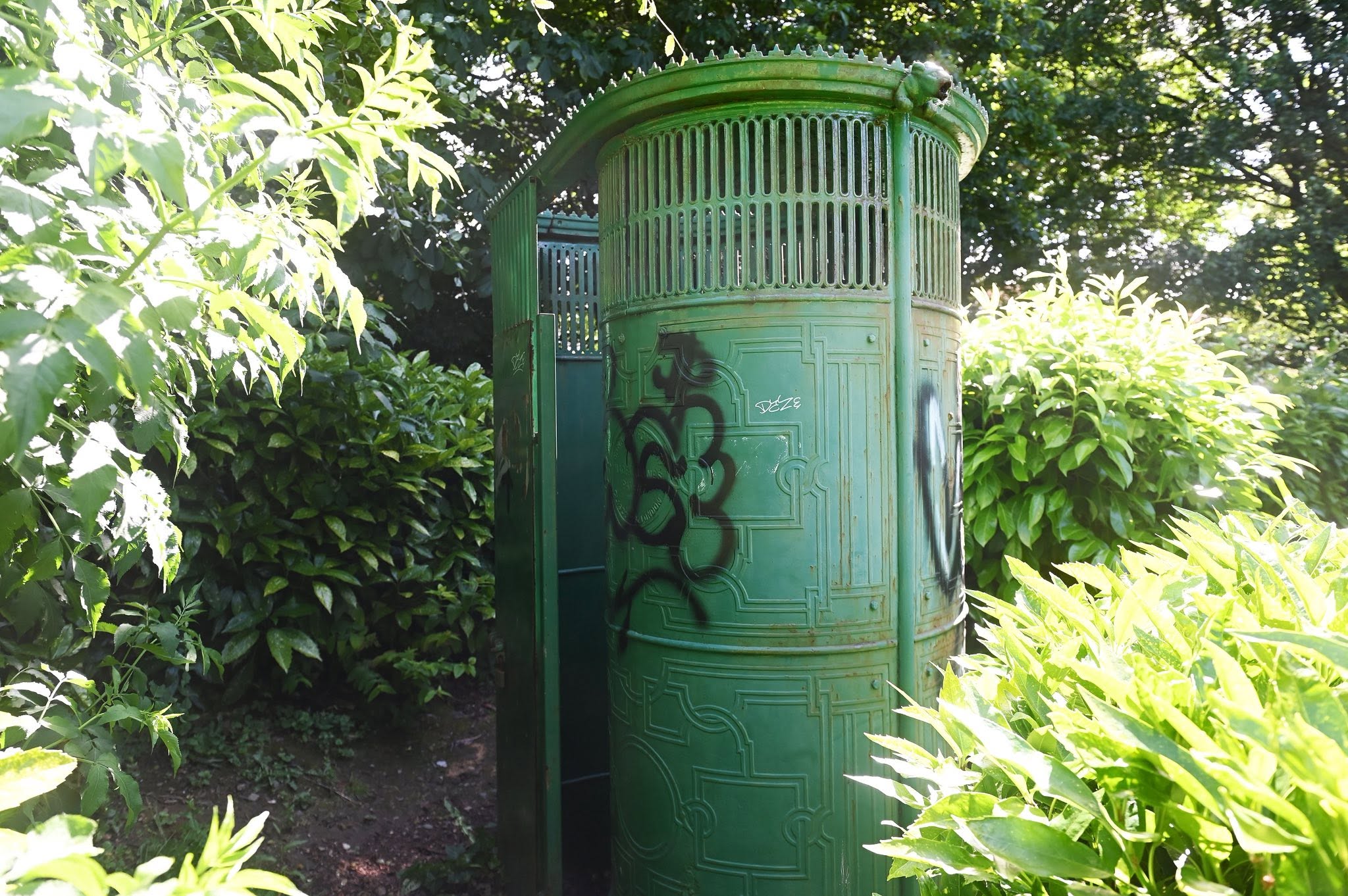
The Victorian Metal toilet Hidden in Thorn Park, Plymouth
Tucked away in Thorn Park, Peverell, there is a quiet and unusual survivor from Victorian civic life a cast-iron public urinal dating from the early 20th century, still standing more than a century later.
It sits partly hidden among trees and shrubs, blending into the landscape. But historically, it is a rare and nationally significant piece of public infrastructure.
By the late 1800s and early 1900s, cities like Plymouth were expanding rapidly. New suburbs such as Peverell were being developed with planned housing and public green spaces, and with that came a growing need for public sanitation.
Victorian and Edwardian civic authorities responded by installing public conveniences in parks and urban areas. These structures were often made from cast iron, allowing them to be both durable and decorative.
They were not hidden away at the time they formed part of the visible streetscape and reflected a wider belief that even practical public services should be designed with civic pride.
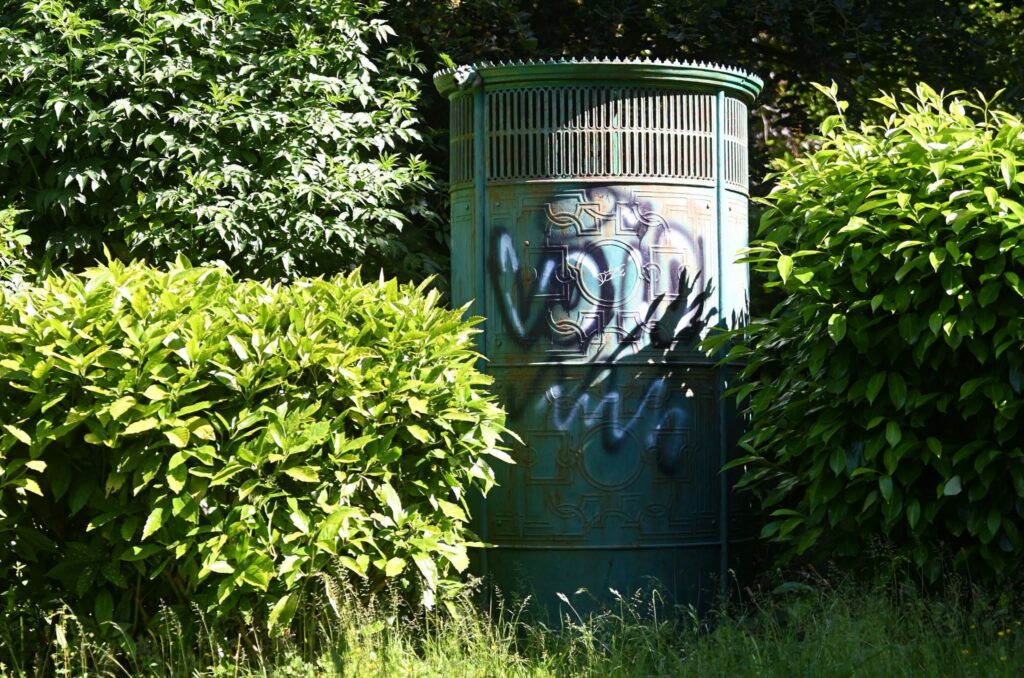
The structure in Thorn Park is recorded as a late Victorian early Edwardian cast-iron urinal, manufactured by Macfarlane of Glasgow, one of the most well known producers of ornamental ironwork in Britain.
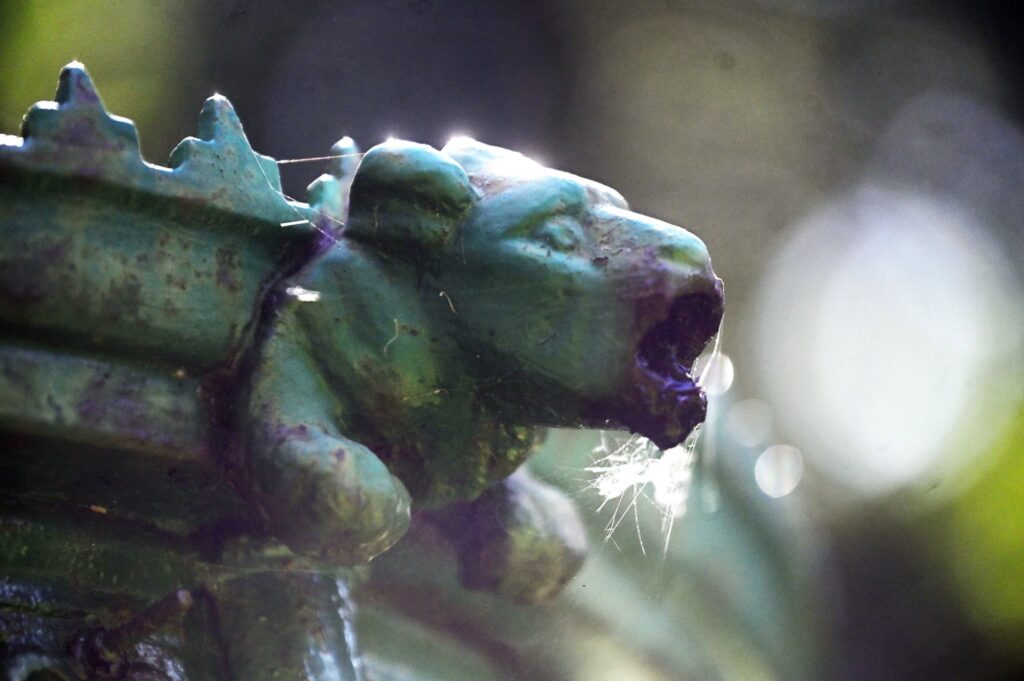
It is described in heritage listings as an ovoid plan, single stall pissoir, featuring decorative cast-iron panels and a spiral entrance design. Inside, it includes fittings associated with early sanitary design, reflecting the engineering approach of the period.
Thorn Park itself was laid out in the late 19th century as part of the planned suburban development of the Mannamead and Peverell area. The surrounding streets were built for the growing middle-class residential expansion of Plymouth.
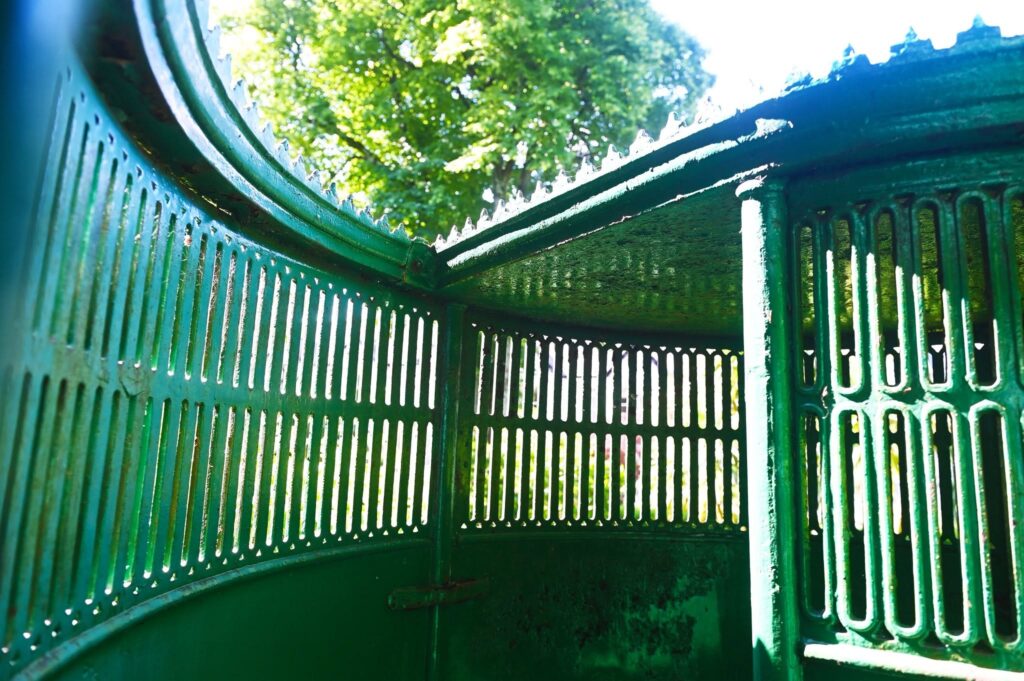
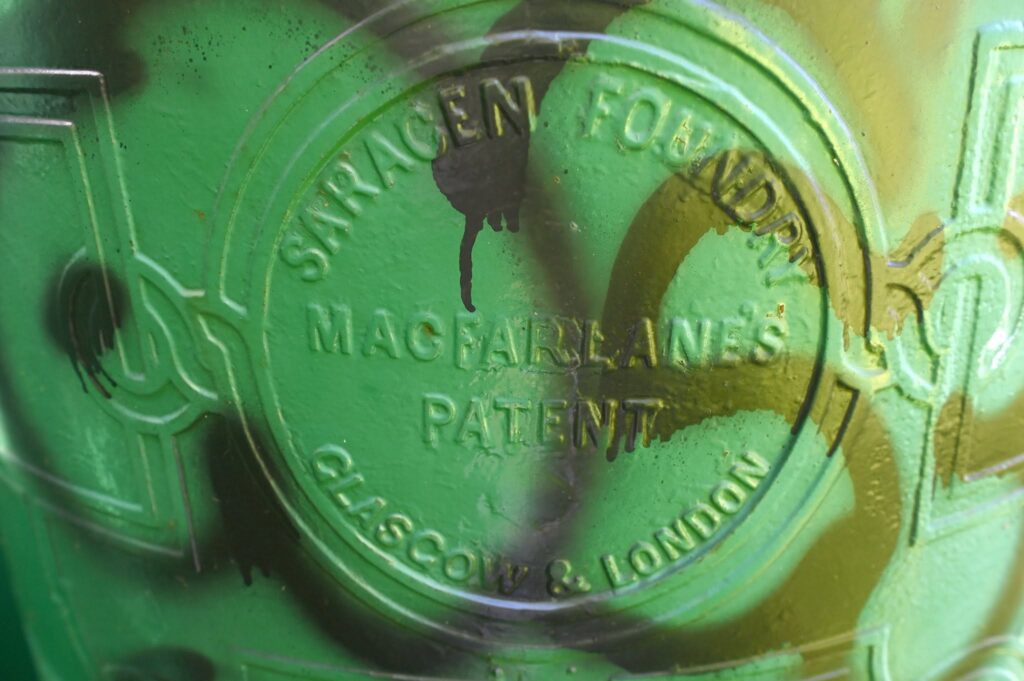
The urinal was installed as part of this civic planning serving park users and nearby residents at a time when private indoor sanitation was still not universal.
Today, this structure is officially recognised as a Grade II listed building (listed in 1984), meaning it is protected due to its architectural and historic importance.
It is now one of a very small number of surviving cast-iron public urinals of its type still remaining in situ in the UK. Most similar examples were removed during the 20th century as modern sanitation systems replaced them.
Over time, the Thorn Park urinal has become partially obscured and largely unnoticed by everyday park users. Many people pass it without realising its significance.
Yet it remains a physical link to a very different era of city life when public health, industrial manufacturing, and Victorian design all came together in even the most ordinary parts of the urban environment.
What survives in Thorn Park is more than just cast iron.
It is a reminder of how Plymouth grew, how Victorian planners approached public health, and how even the most functional parts of a city were once built with care, design, and permanence in mind.
Today, it stands quietly in the park, covered in graffiti, a forgotten piece of civic history still rooted in the landscape it was built to serve.
Photographs & Video © Wayne Perry / Plymouth Post