Hidden beside one of Plymouth’s modern roads is a remarkable survivor from a very different landscape.
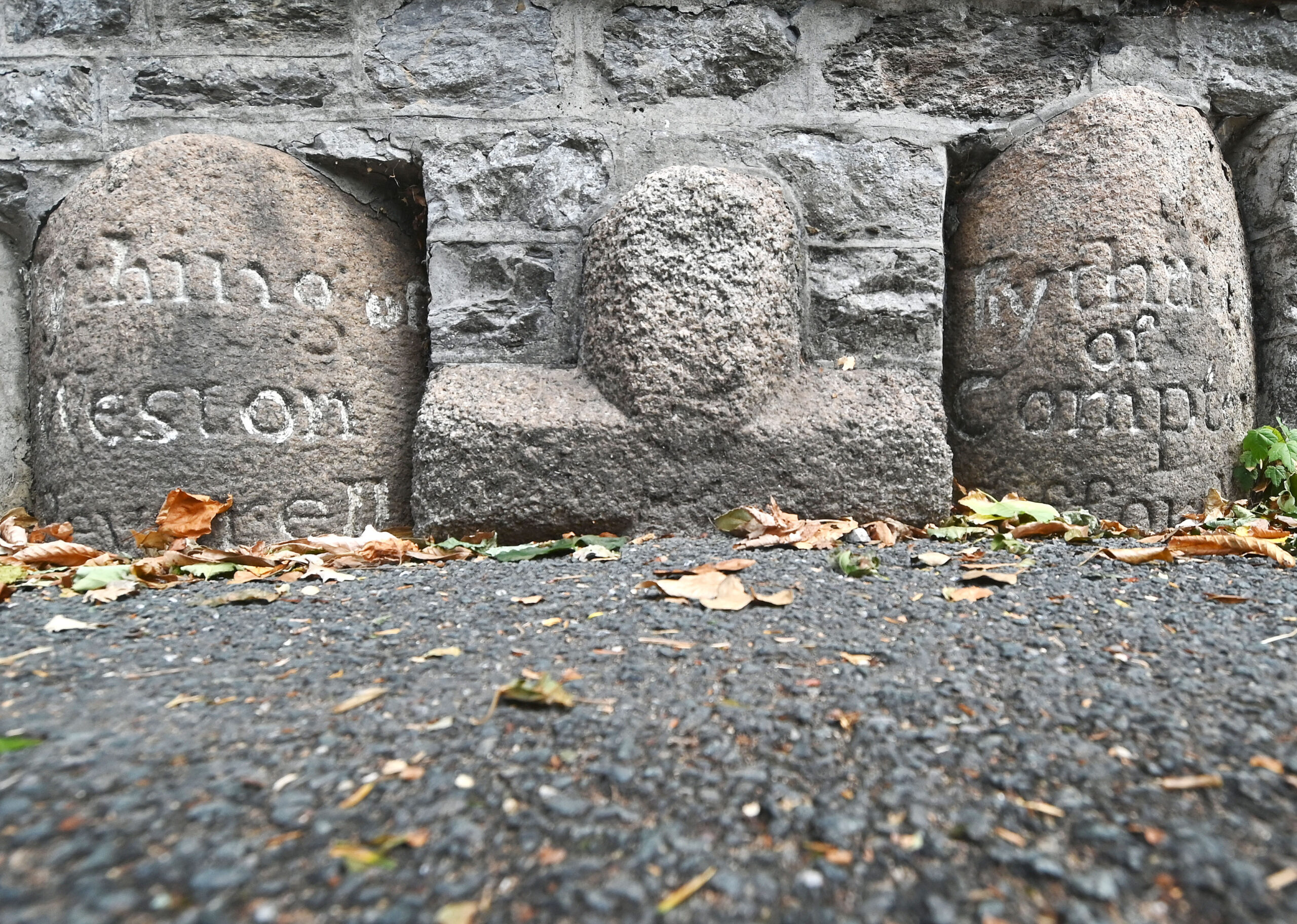
Between two old granite boundary stones on Mannamead Road sits the weathered head of Compton Cross.
It is easy to miss.
Yet this small piece of stone is part of a much older story one that takes us back to a time when Mannamead was not a built up part of Plymouth, but open countryside crossed by rural roads and tracks.
The cross is traditionally recorded as dating from the sixteenth century, placing it in the closing years of the medieval period.
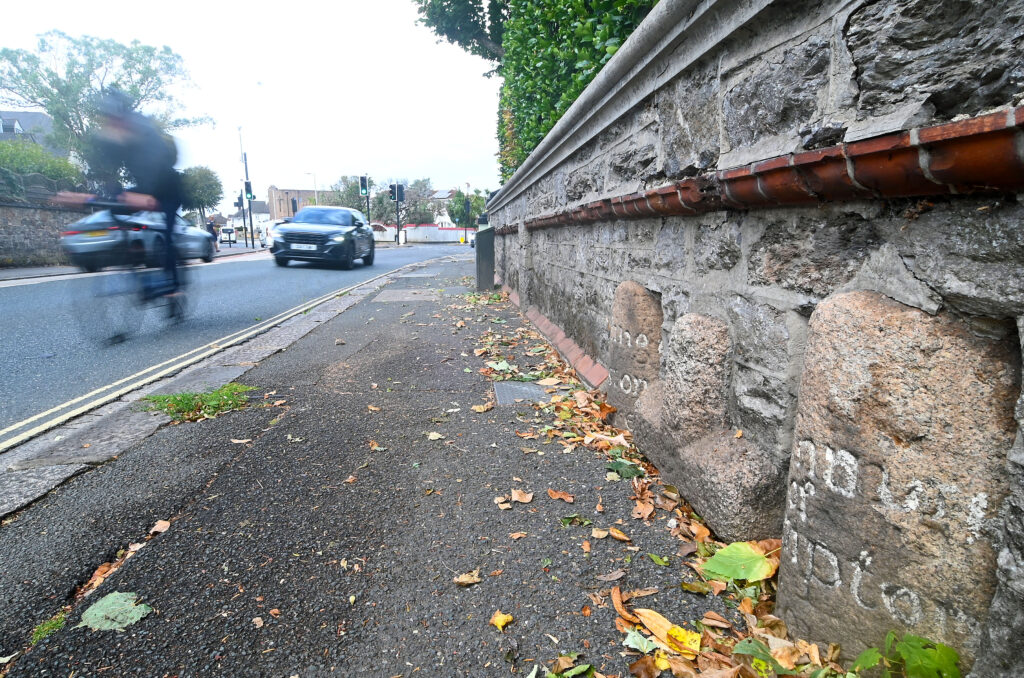
And what makes it particularly fascinating is that the part we can see today may be only a small portion of the original monument.
It is difficult to imagine the modern scene as it would have appeared centuries ago.
There would have been no continuous rows of houses, no busy Mannamead Road and no sprawling city surrounding it.
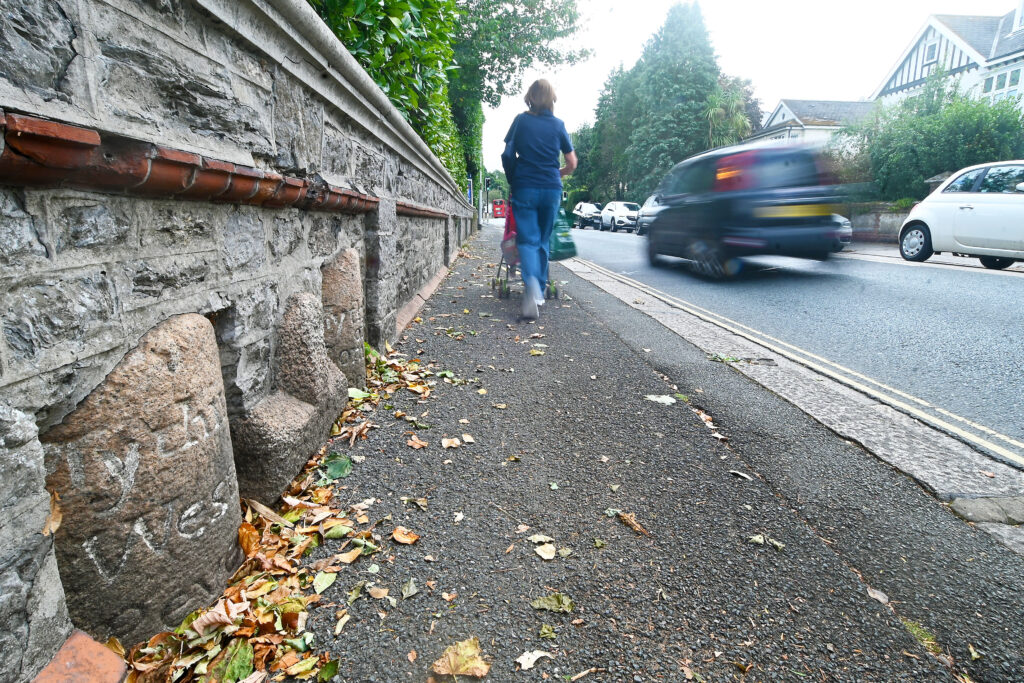
Instead, this was countryside.
Compton Cross stood on the old route towards Tavistock, and historical descriptions place it opposite a cross-road leading towards Pennycross church.
That makes its position especially interesting.
A cross standing beside a route and close to a junction could have served as a useful landmark for people travelling through the countryside.
It may also have had a religious significance.
Travellers could have passed it on their journeys, and it is possible that a cross in such a position provided somewhere to pause for prayer or reflection.
But exactly why this particular cross was erected is something we cannot say with certainty today.
Its original purpose has been lost to time.
There is another important part of the story.
The cross stands between two surviving boundary stones.
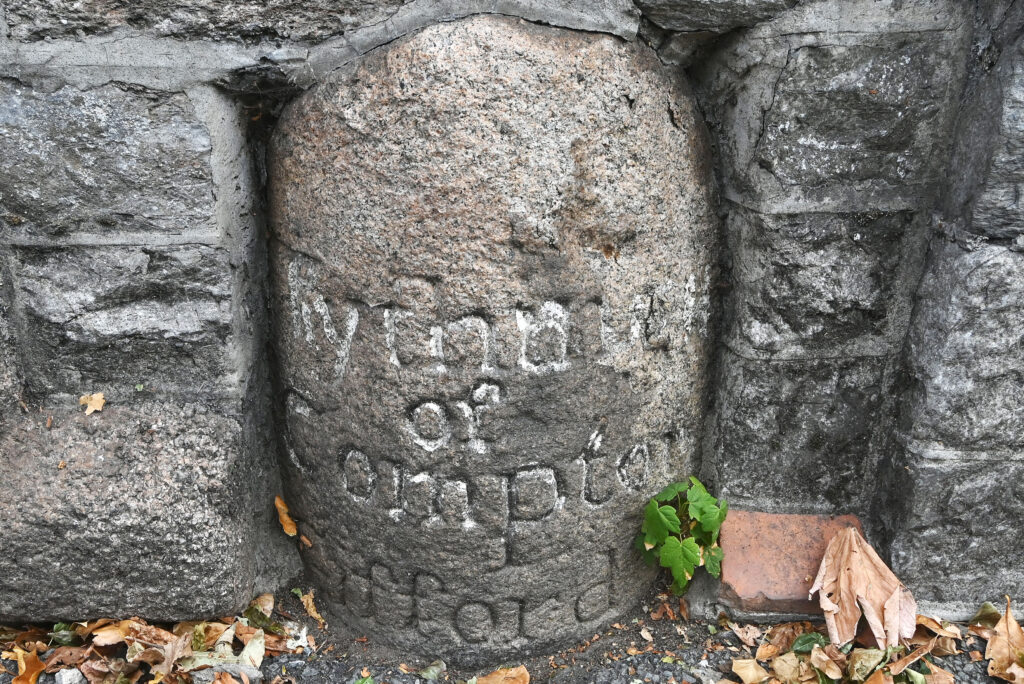
One marks the old Tything of Weston Peverell, while the other marks the Tything of Compton Gifford.
These names belong to a much older landscape than the Plymouth we know today.
Compton Gifford and Weston Peverell were once separate areas beyond the boundaries of the expanding town.
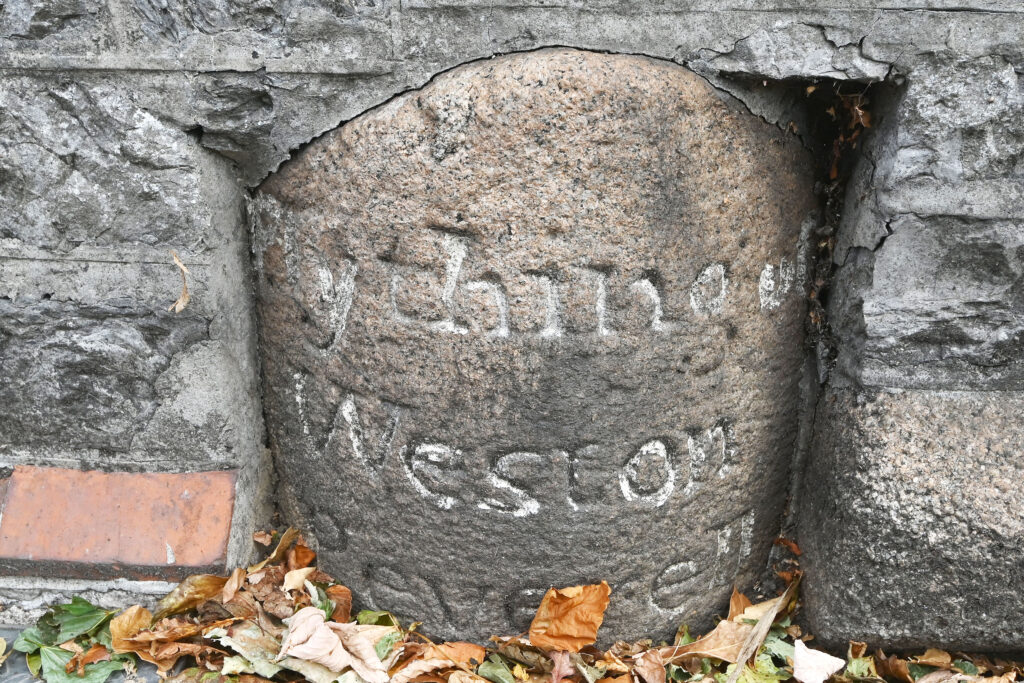
The surviving stones are physical reminders of those old divisions, while the cross itself provides an even older connection to the landscape.
Together, the three stones create a fascinating little historic group beside the modern road.
They tell us that this was once a place where routes, boundaries and communities came together.
Perhaps the most extraordinary part of Compton Cross’s story is what happened to it as Plymouth changed.
The road around it was gradually raised over the centuries.
As the level of the road and pavement increased, the cross effectively disappeared into the ground.
A nineteenth century description of the monument records that everything apart from the crosshead had become buried as the road and pavement were raised.
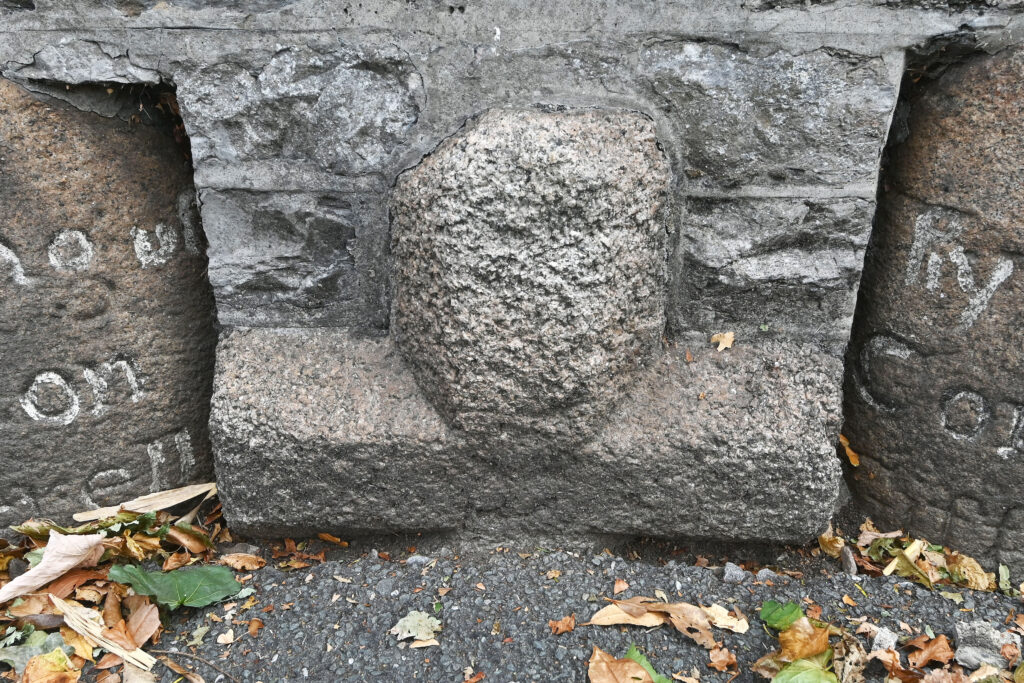
So the small crosshead visible today may not be a complete monument at all.
It could simply be the surviving top of a much larger stone cross whose shaft and lower sections are still beneath the modern ground level.
How much remains underground is unknown.
Whether the buried stone is still intact is also unknown.
But the possibility is fascinating.
Every day, traffic passes over a road beneath which part of an old medieval monument may still survive.
But there is an intriguing question that remains unanswered.
Could the site itself have been significant before the surviving cross was erected?
The position beside an old route and near a cross road naturally raises the possibility that this was already a familiar point in the landscape.
The sixteenth century cross may have been the monument that survived into later centuries, but it is impossible to know whether something earlier occupied the same spot.
The modern city has transformed the landscape around Compton Cross.
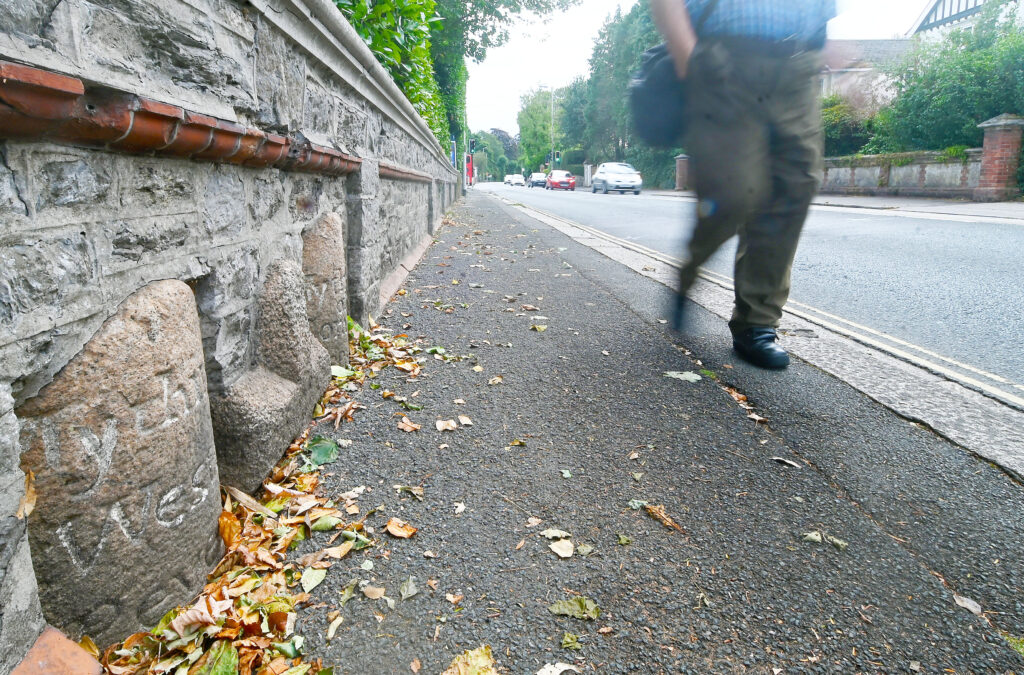
The fields disappeared. The rural roads changed.
The old communities and their boundaries were eventually absorbed into the expanding city.
And Mannamead became the busy urban neighbourhood we know today.
Yet the cross survived.
So did the two boundary stones beside it.
They have remained as physical reminders of a landscape that has otherwise almost completely disappeared.
For most people passing along Mannamead Road, it is simply an old piece of granite in a wall.
But look at it differently and it becomes something much more significant.
It is a surviving fragment of medieval Plymouth.
It stood here when this was countryside.
It witnessed people travelling along the old roads.
It marked a landscape divided between Compton Gifford and Weston Peverell.
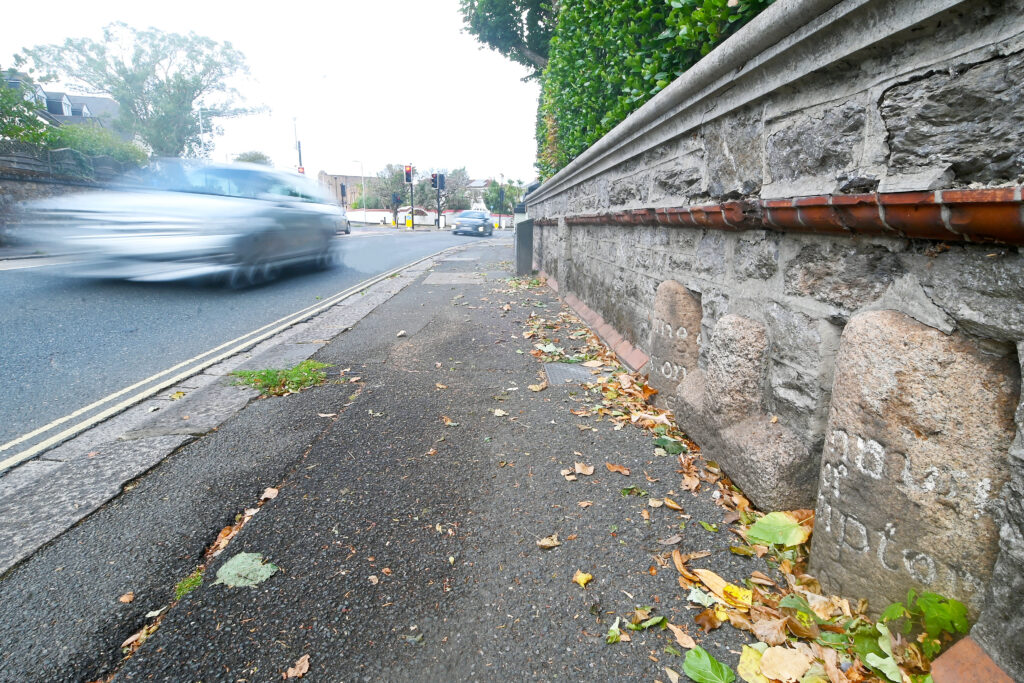
And as Plymouth grew around it, the rising road gradually swallowed almost the entire monument.
Today, only the crosshead remains visible.
But beneath the modern road, there may still be more of Compton Cross waiting to be discovered.
And that makes this little piece of stone one of those fascinating reminders that Plymouth’s history isn’t always found in museums or grand buildings.
Sometimes, it is hiding in plain sight beside the road.
Photographs © Wayne Perry / Plymouth Post