Plymouth’s policing history runs deeper than most people realise hidden in old buildings, surviving artefacts, and the quiet evolution of the city itself.
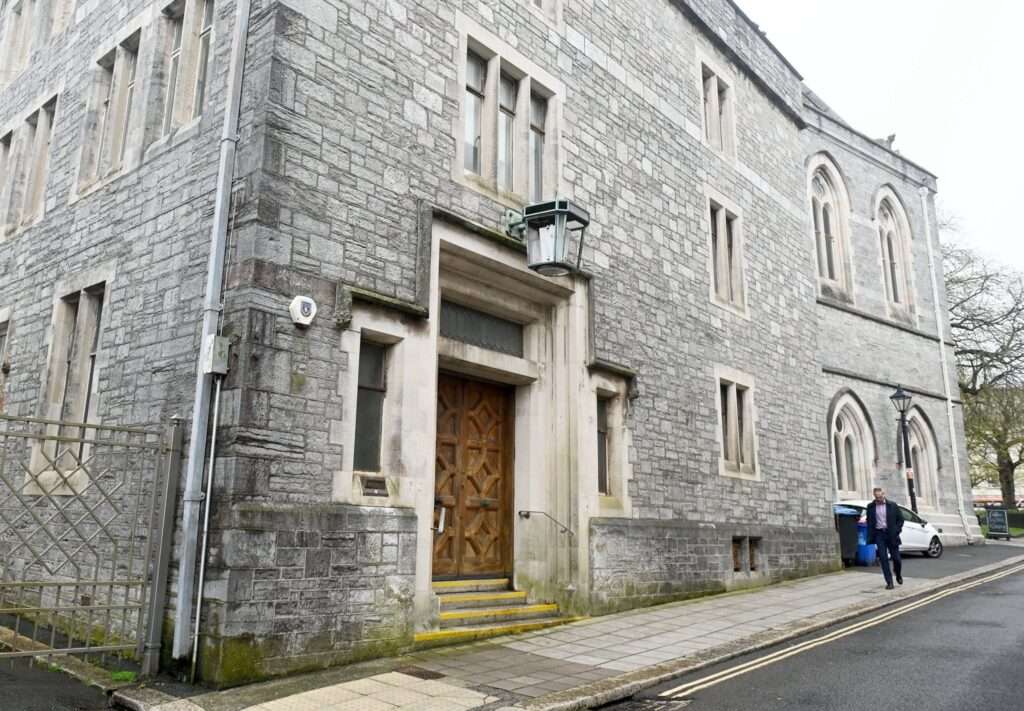
For decades, the city’s police were based in the civic heart of Plymouth, around the Guildhall and St Andrew’s Church area a location now known as The Treasury. Here, policing, courts, and custody were closely linked, with cells once operating beneath the building in the centre of the city.
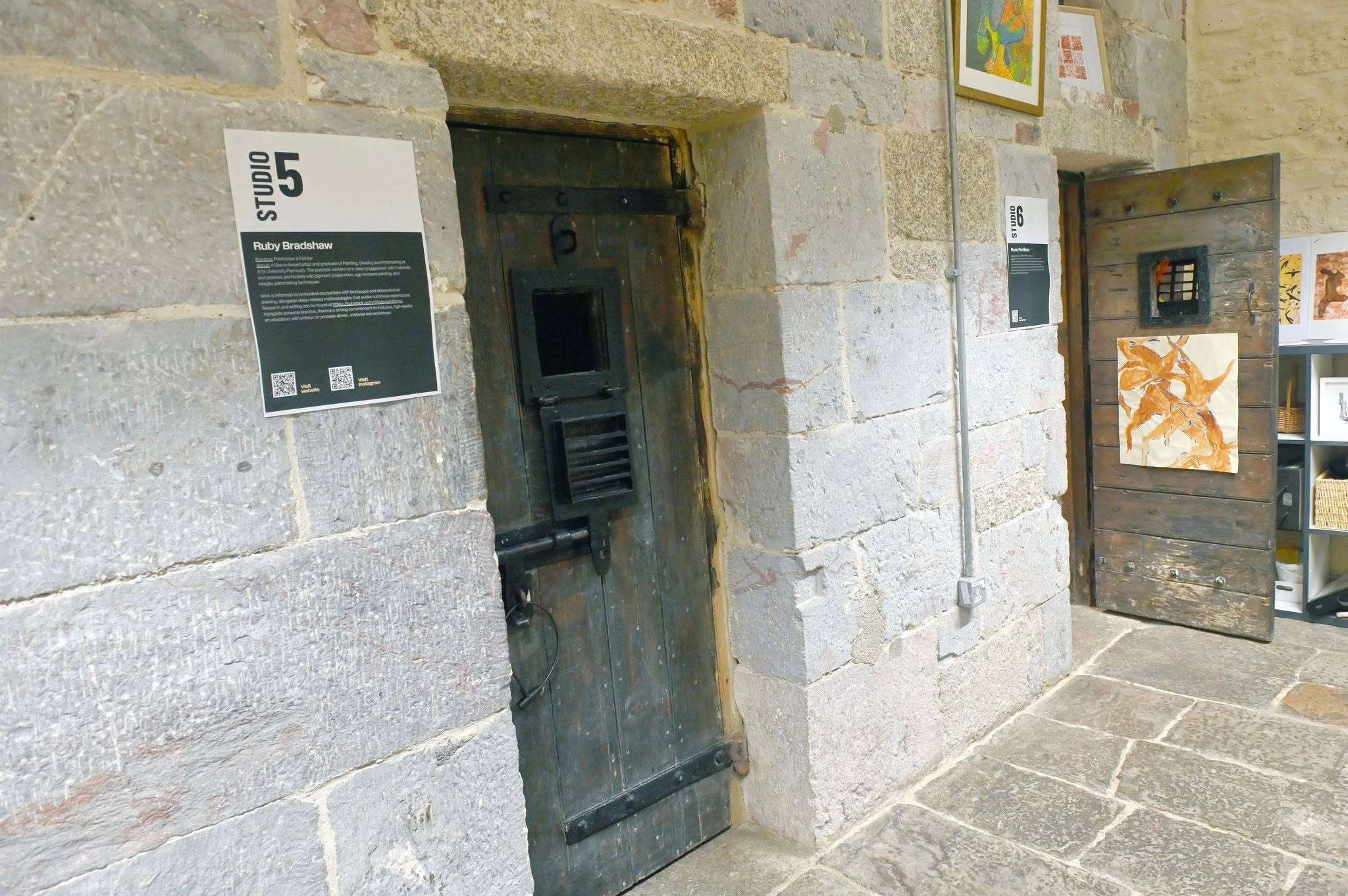
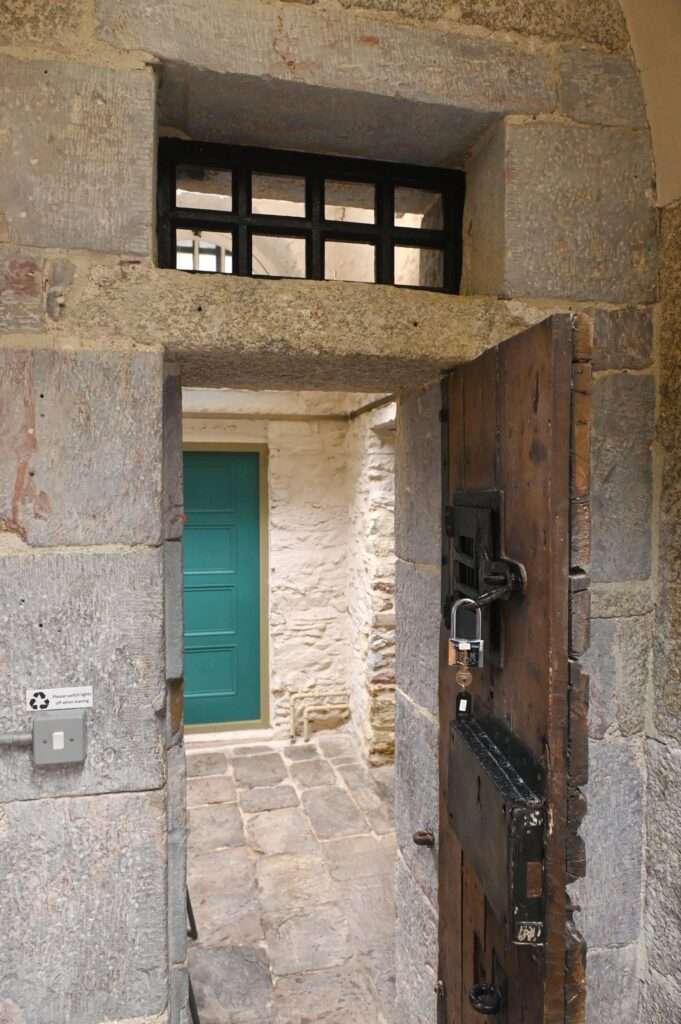
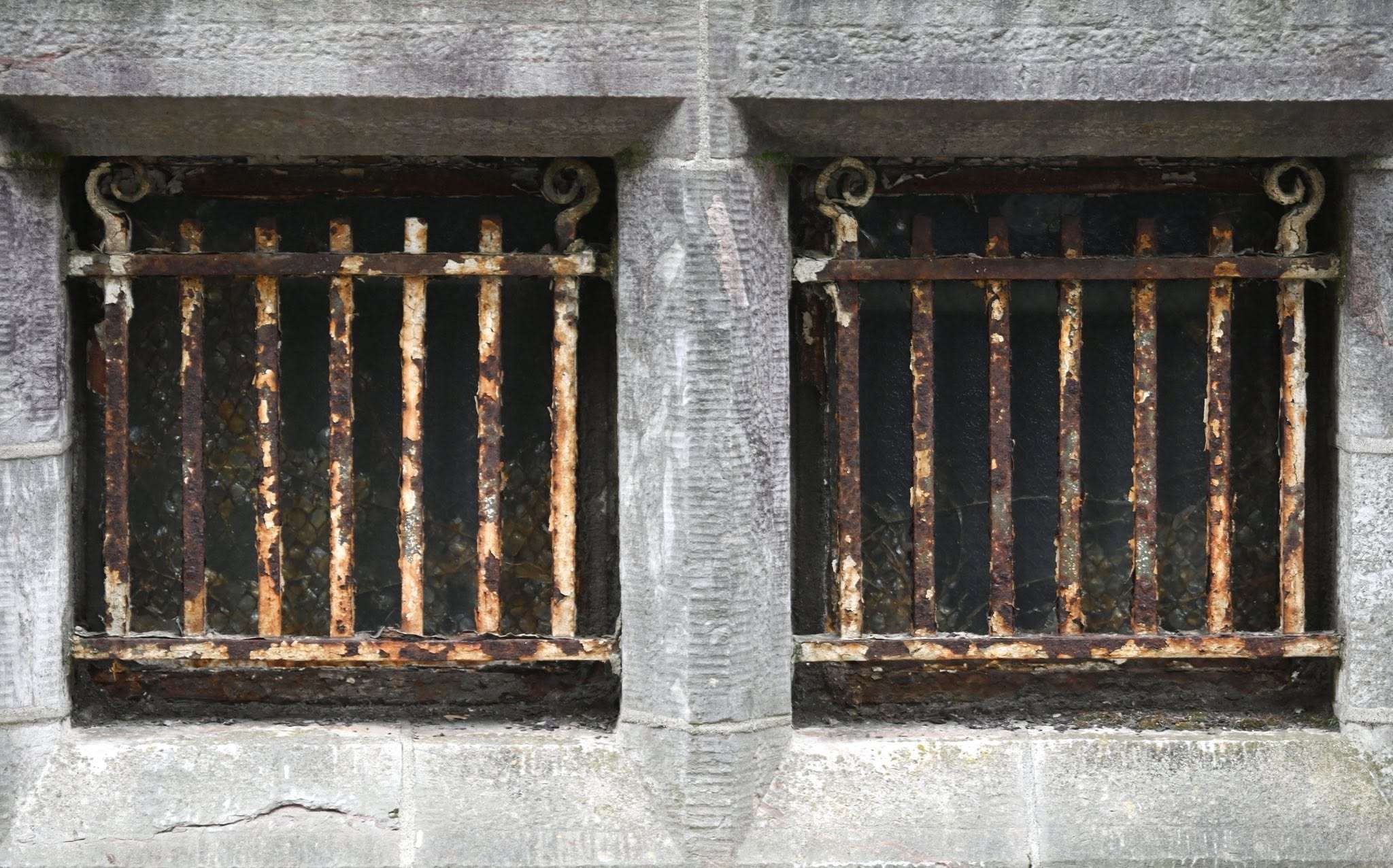
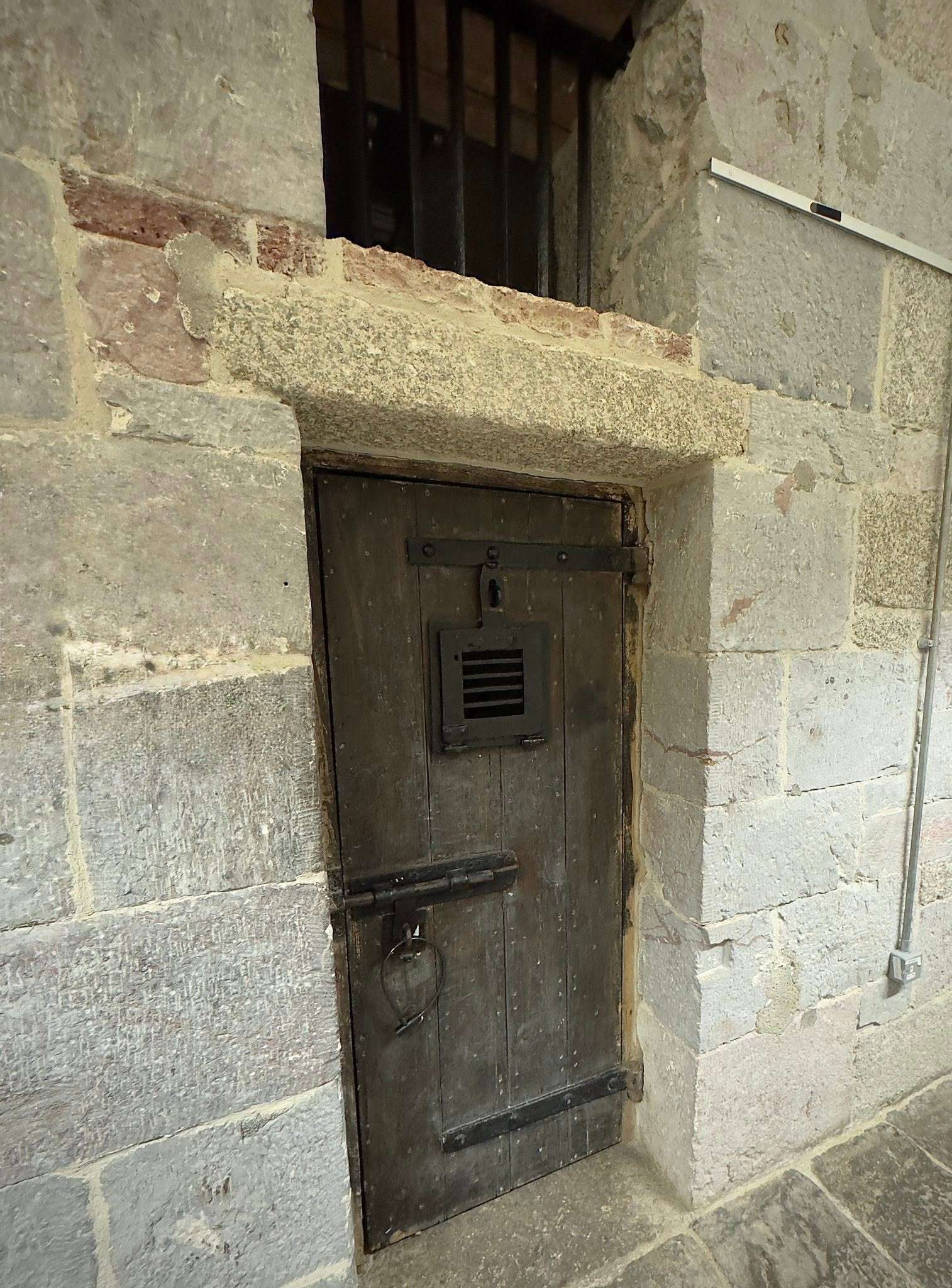
Conditions in these early cells were basic and stark heavy doors, confined spaces, and minimal light. They were designed purely for containment, reflecting a very different era of policing.
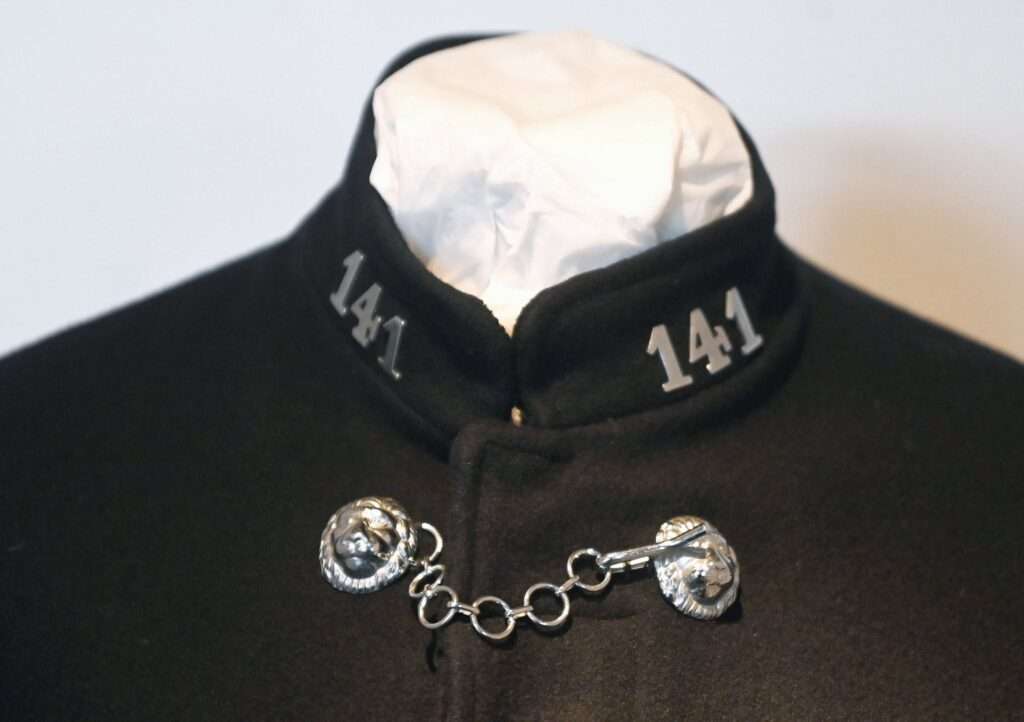
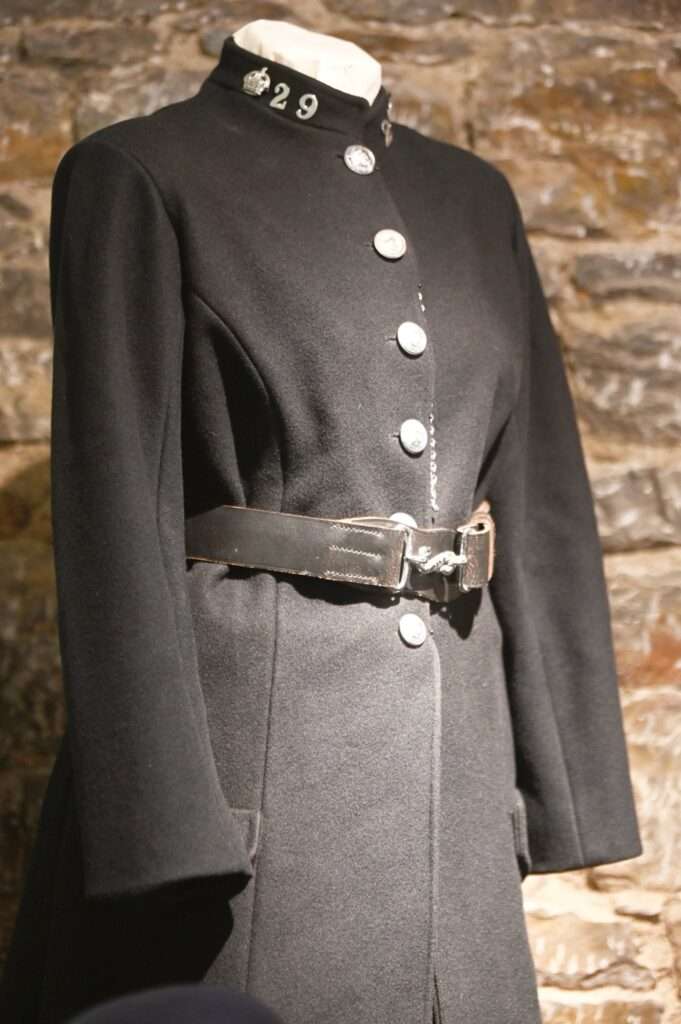
Officers of the time also looked very different. Long coats and capes were standard, often fastened with fittings, including a lion’s head chain unique to Plymouth. Early lanterns were used for night patrols, and handcuffs were mechanical and far less practical than today’s equipment.
Everything about policing was slower, heavier, and far more physical.
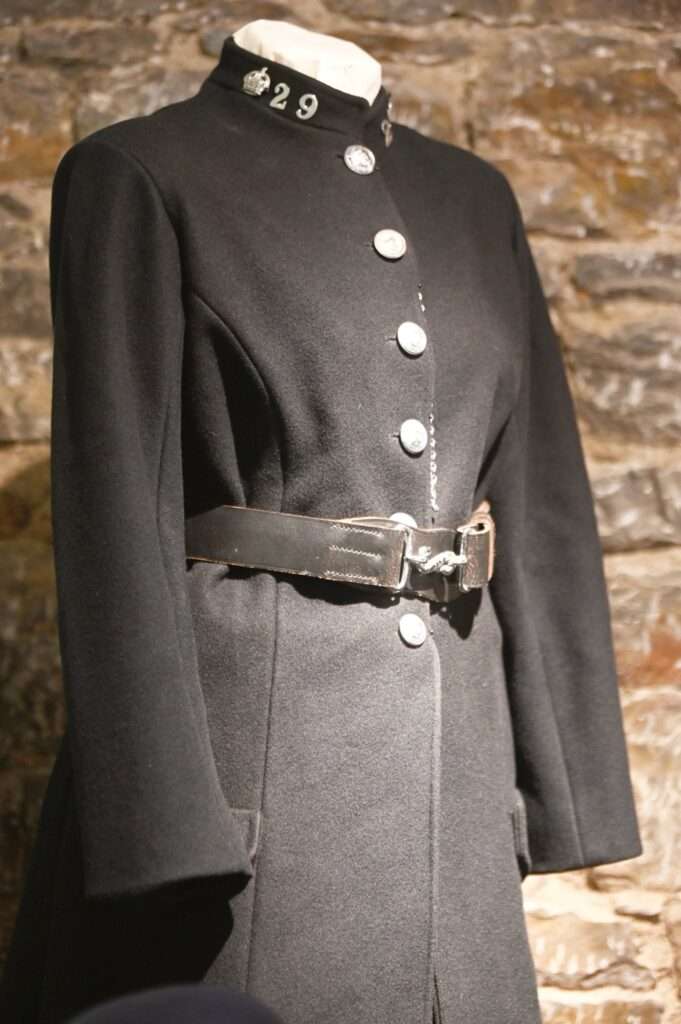
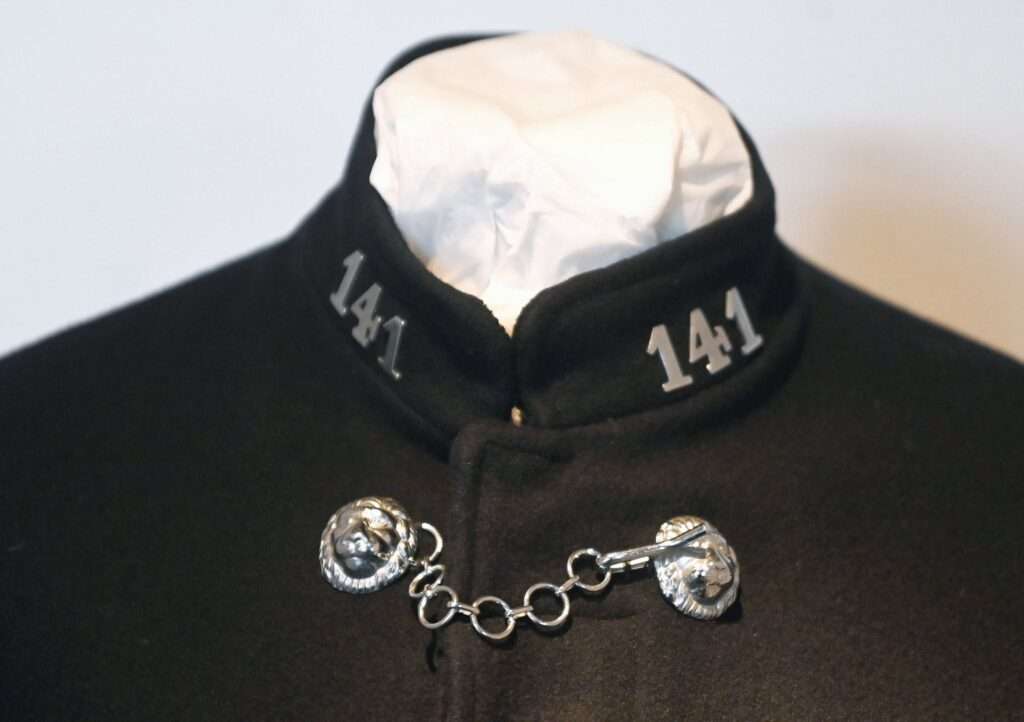
A major shift came after the First World War. In June 1919, Plymouth appointed its first two female officers, Audrey Canney and Isobel Taylor marking an important change in a force that had been almost entirely male.
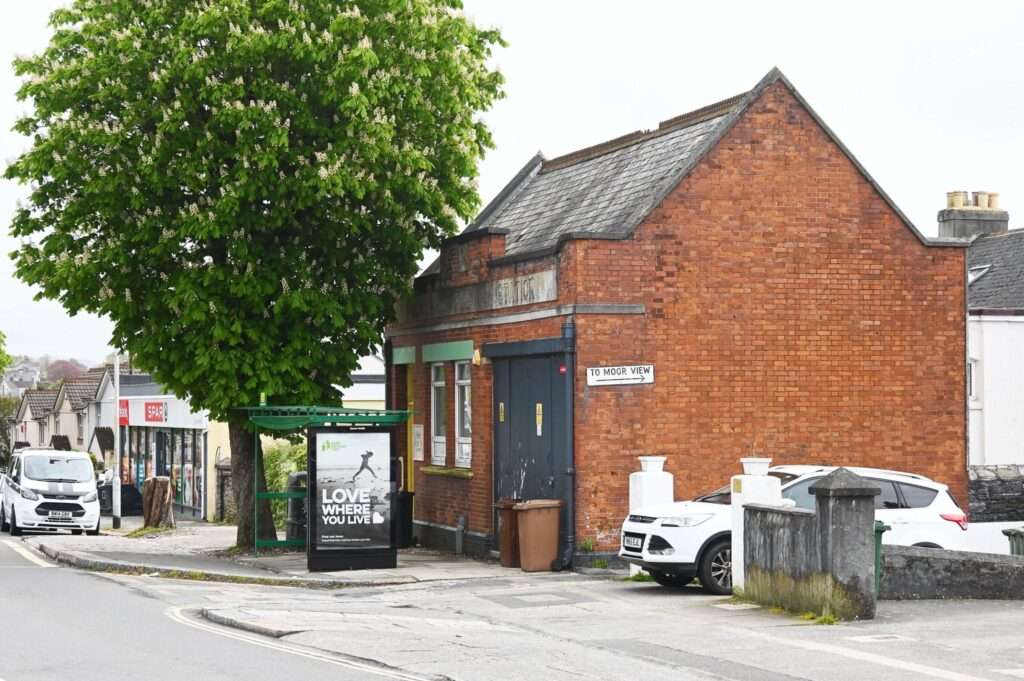
As the city expanded, policing moved beyond the centre. Smaller local stations appeared across Plymouth, including areas like Old Laira Road. At the time, some police and fire functions were still closely linked, reflecting an earlier stage in how emergency services were organised.
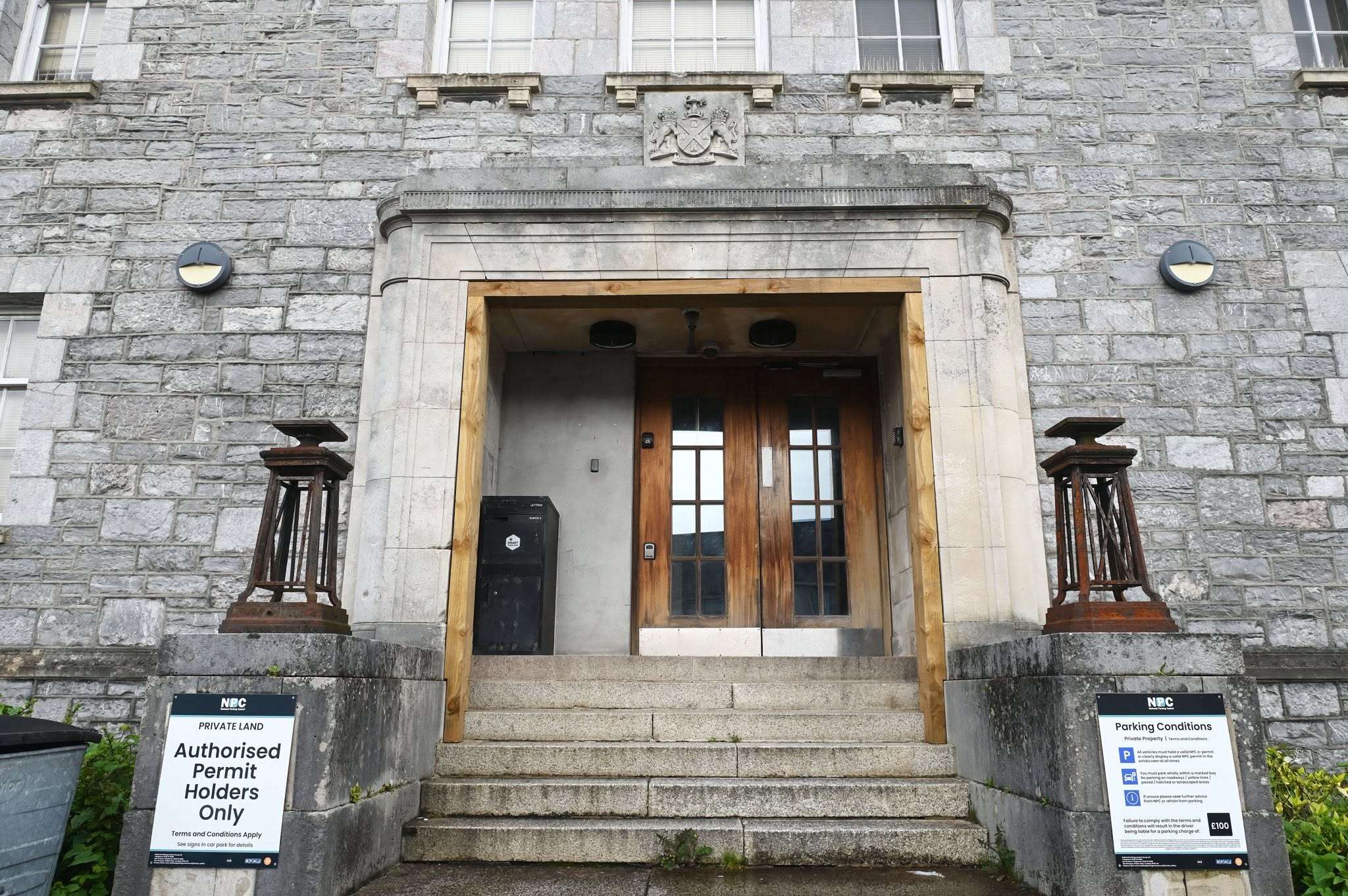
That changed in 1935, when Plymouth Police moved to a new headquarters at Greenbank, based in a converted prison. It marked a major step towards a more modern, centralised force bringing operations, records, and custody together under one roof.
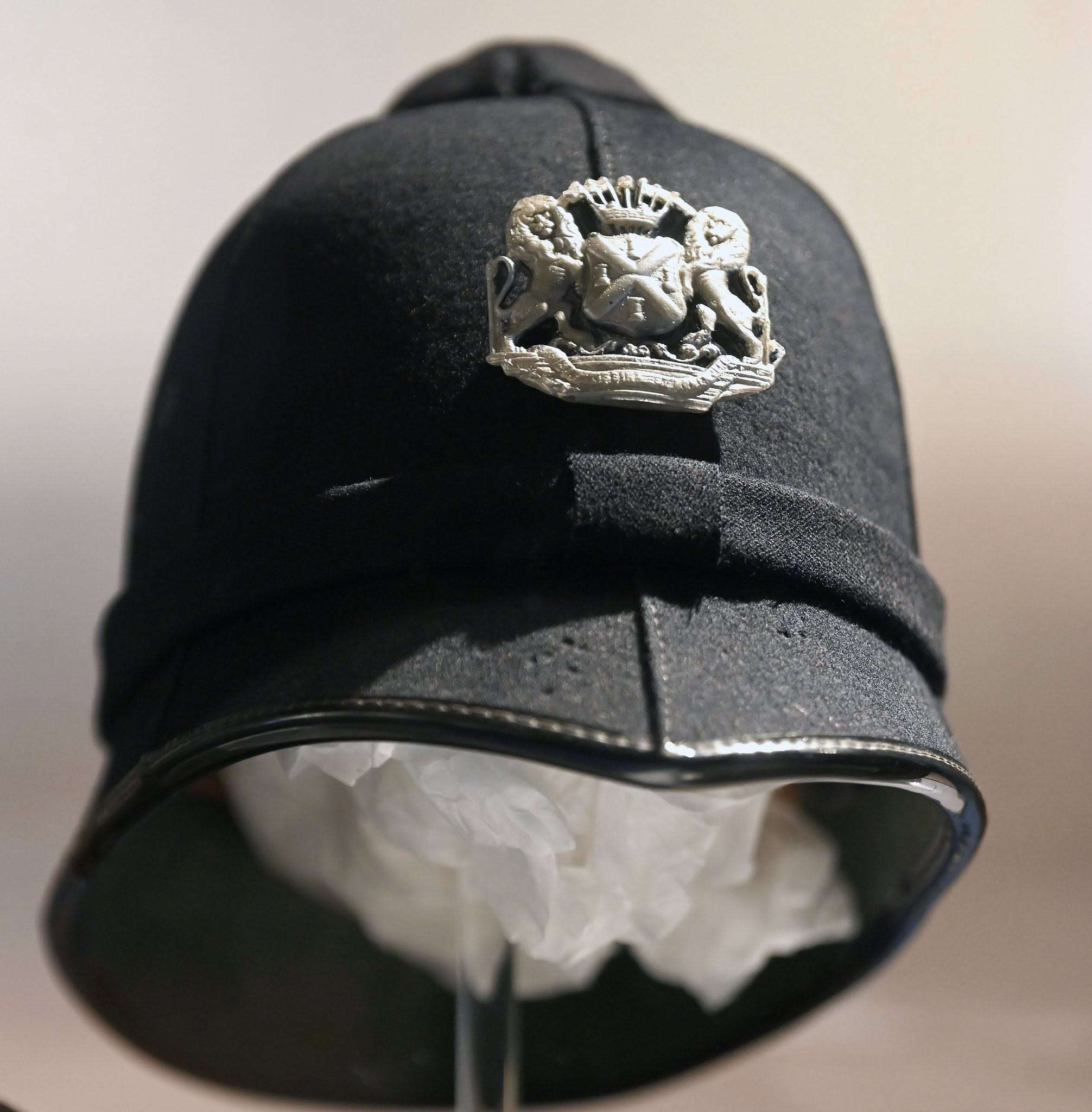
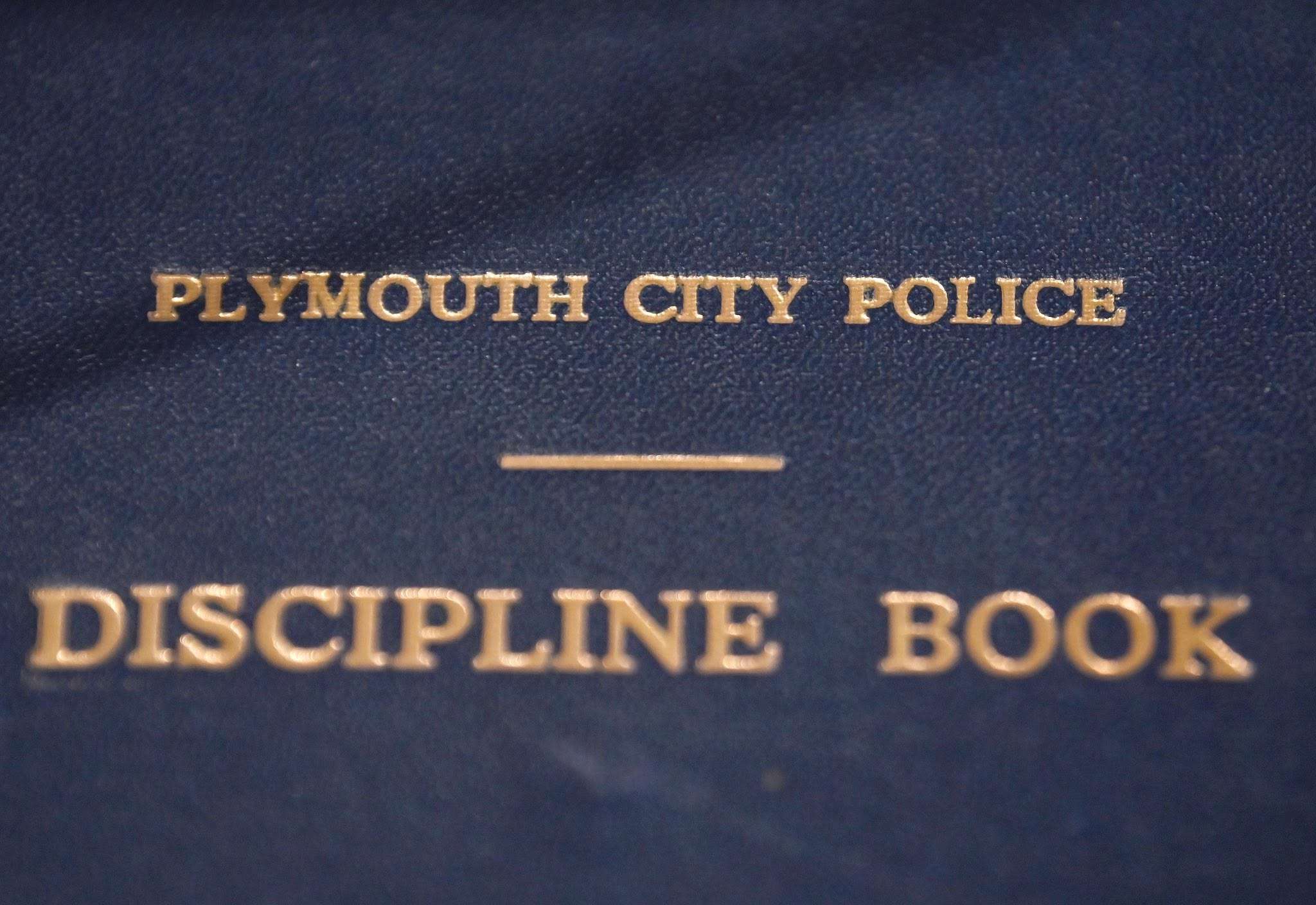
Today, much of this history is preserved by the Museum of Policing in Devon and Cornwall. They collect and care for original uniforms, helmets, truncheons, documents, and equipment from across the region, ensuring these pieces of history are not lost.
Based mainly in Okehampton, with a public museum in Tavistock, they also bring collections out for exhibitions across the area keeping the story of policing alive and visible.
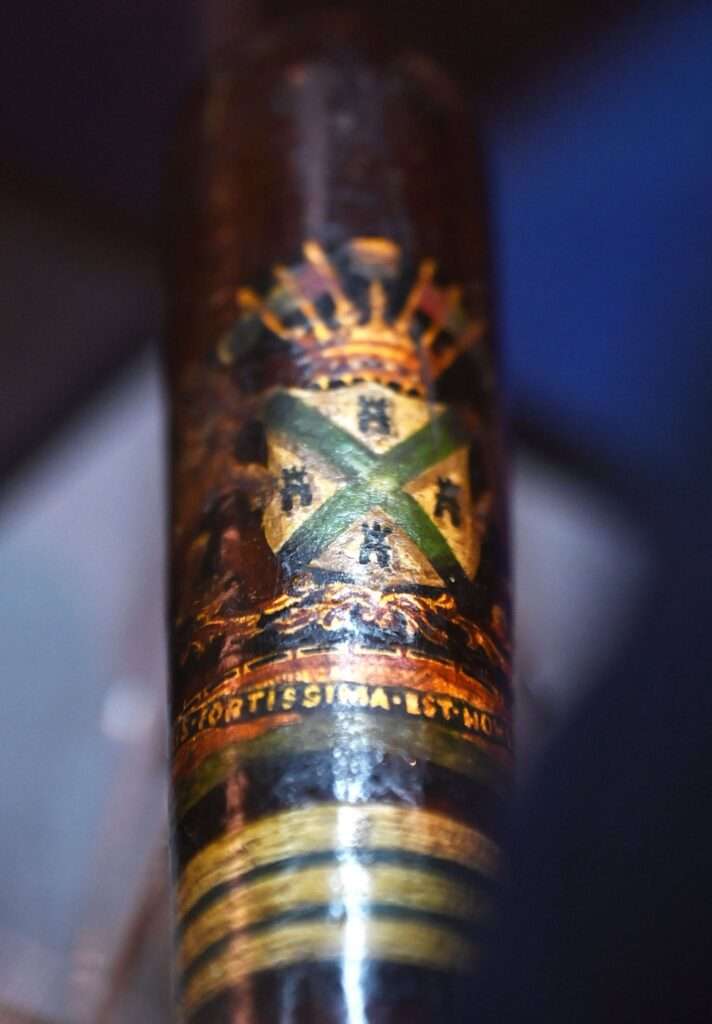
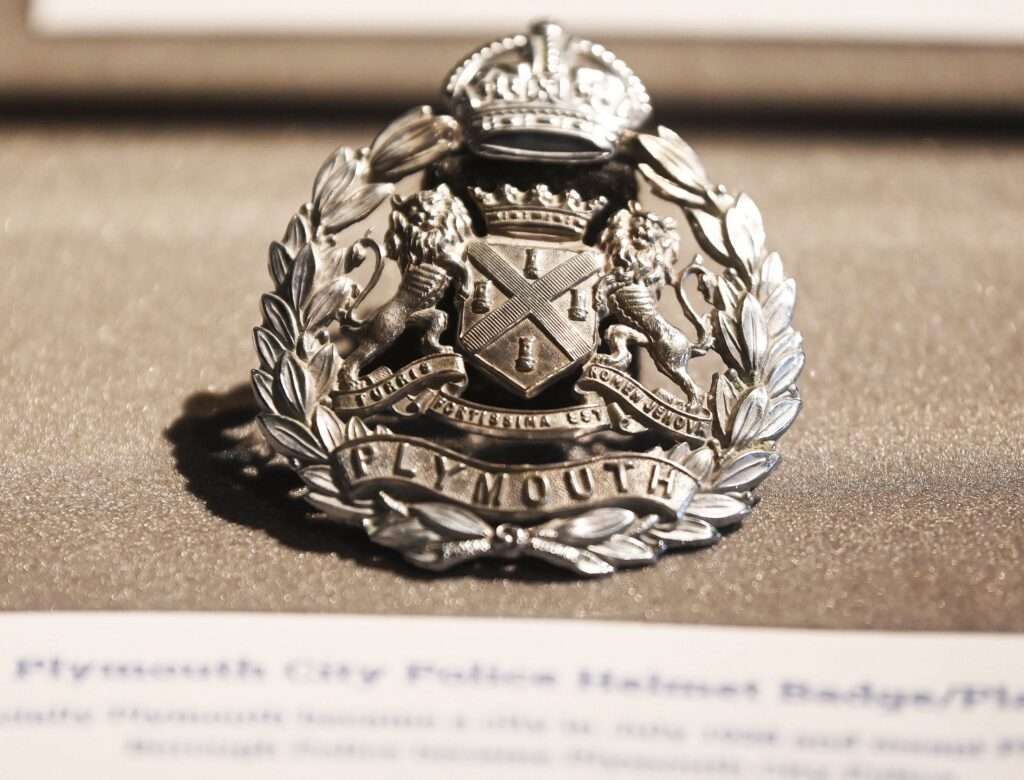
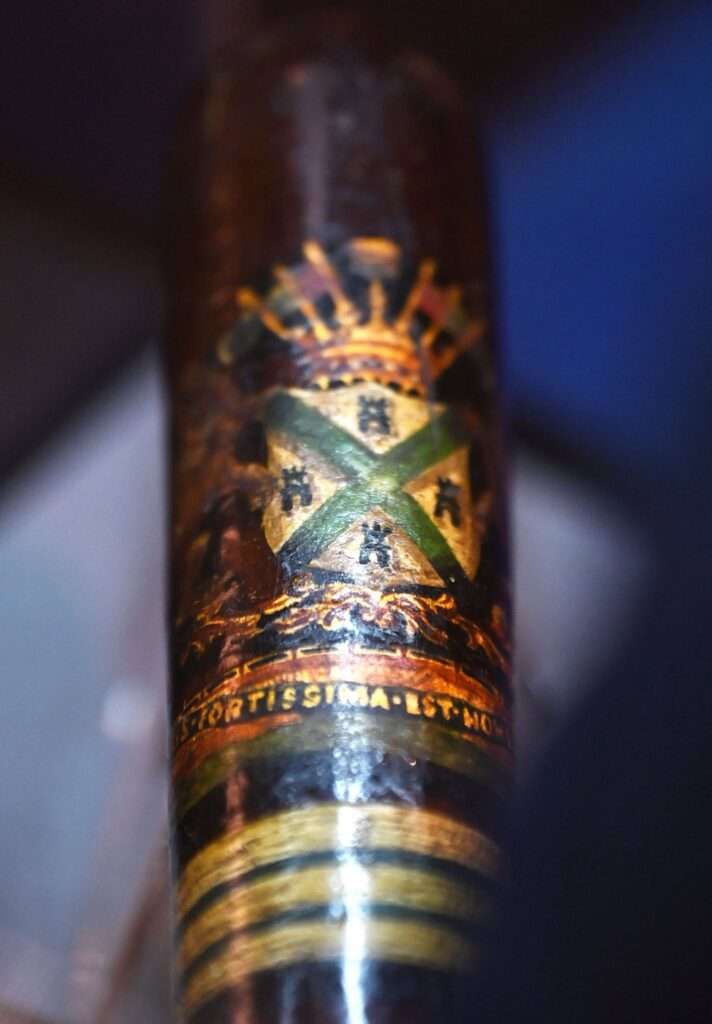
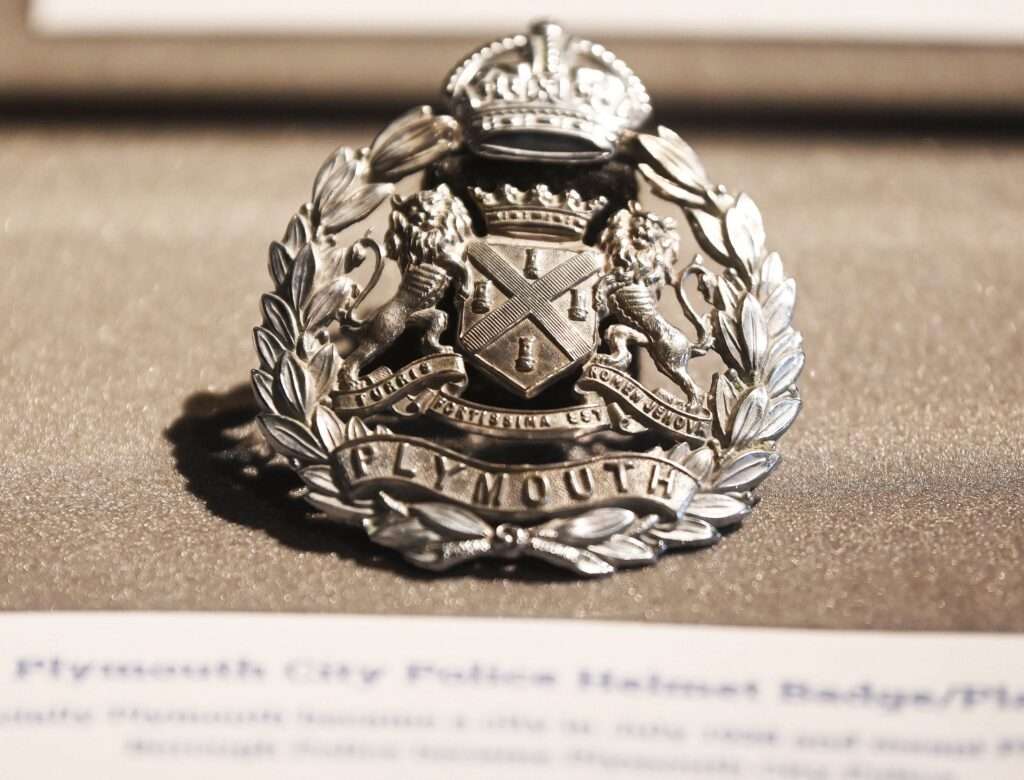
From ceremonial truncheons hand-painted with Plymouth’s coat of arms, to helmets and uniforms worn on formal duty, each item tells a story of a different time in the city’s history.
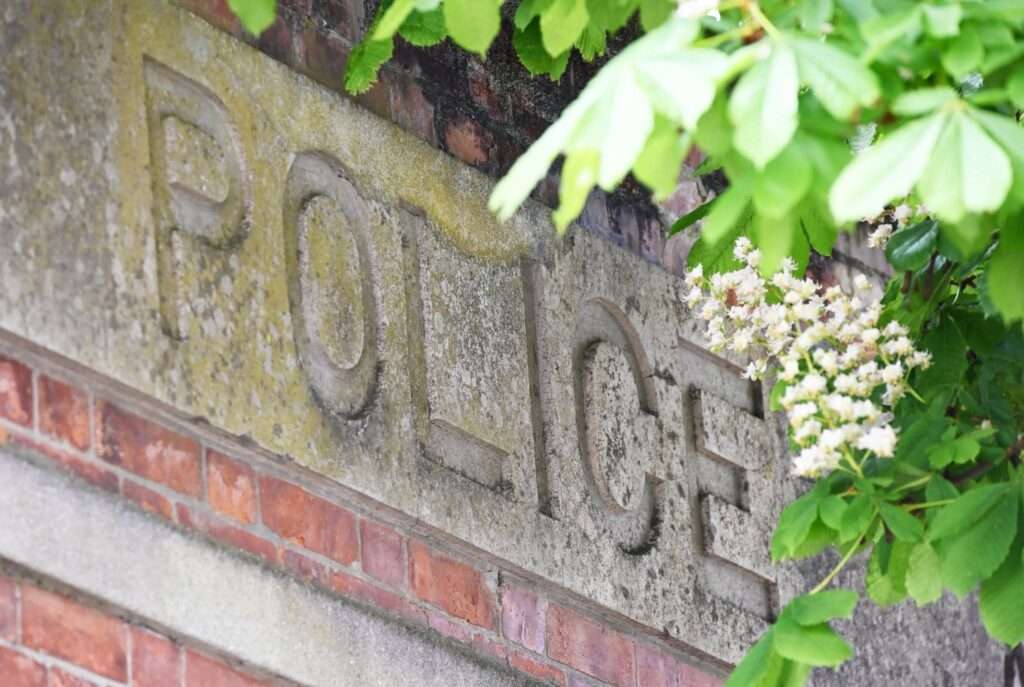
And even now, traces of that past still appear reminders that Plymouth’s police story is never far beneath the surface.
Photographs and Video © Wayne Perry / Plymouth Post