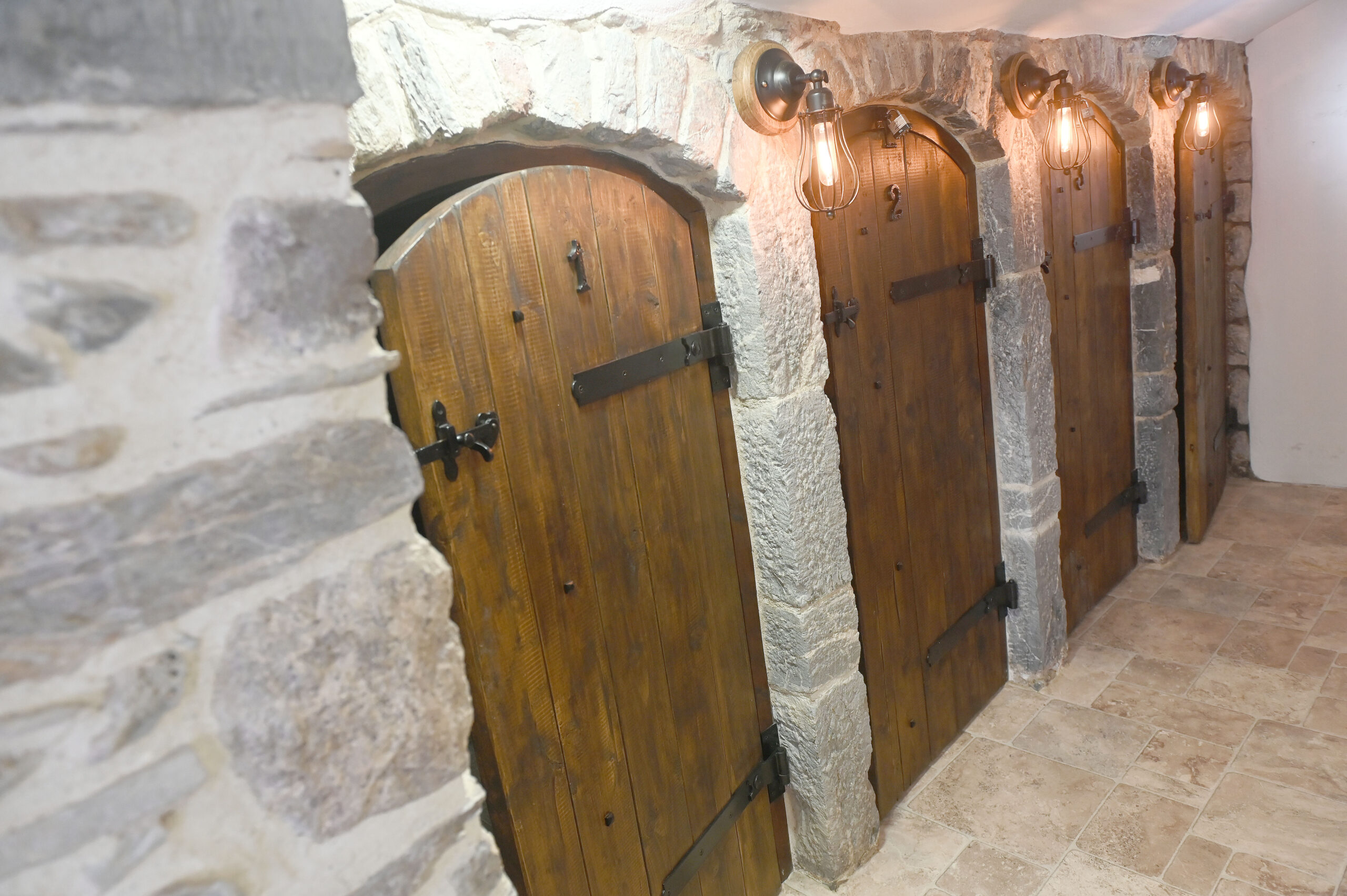
The lost Holy Trinity Church brought back to life
Hidden away behind a private car park on Plymouth’s Barbican is a piece of the city’s history that most people will never know exists.
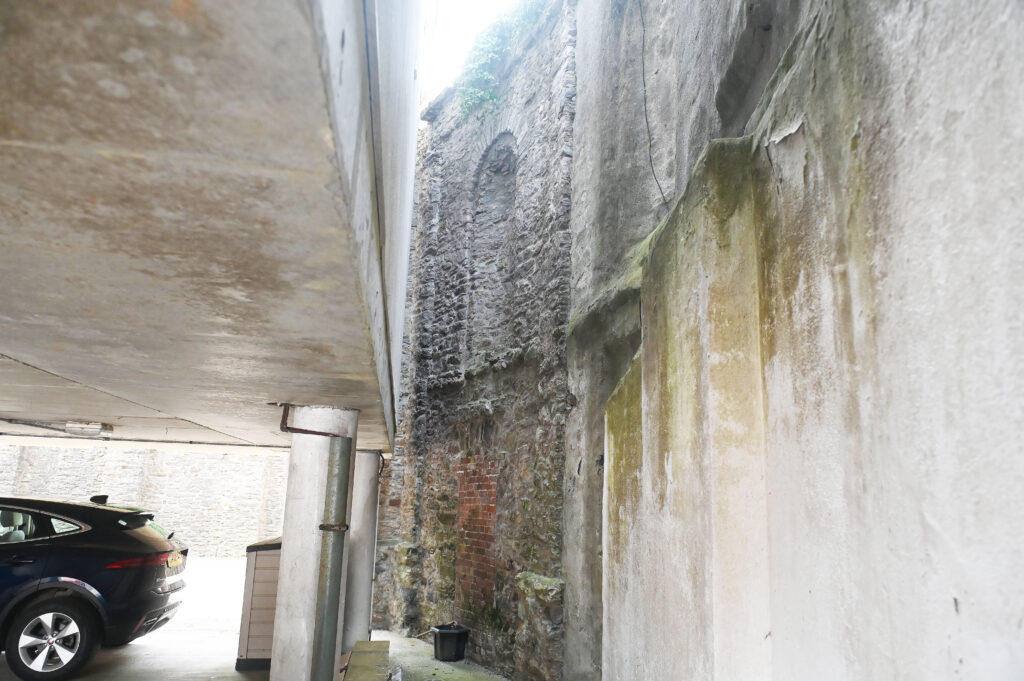
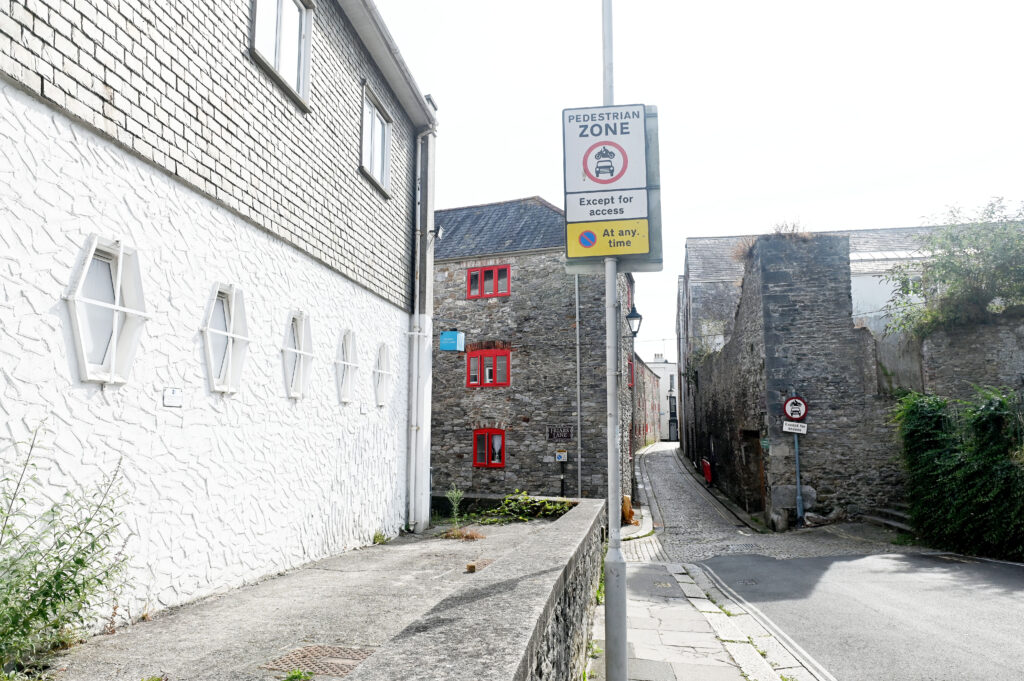
A curved section of the former Holy Trinity Church still survives, tucked out of sight and protected from the passing crowds an unexpected reminder that, although the church itself disappeared more than 80 years ago, parts of the building remain hidden both above and below ground.
And beneath the surface lies an even greater surprise.
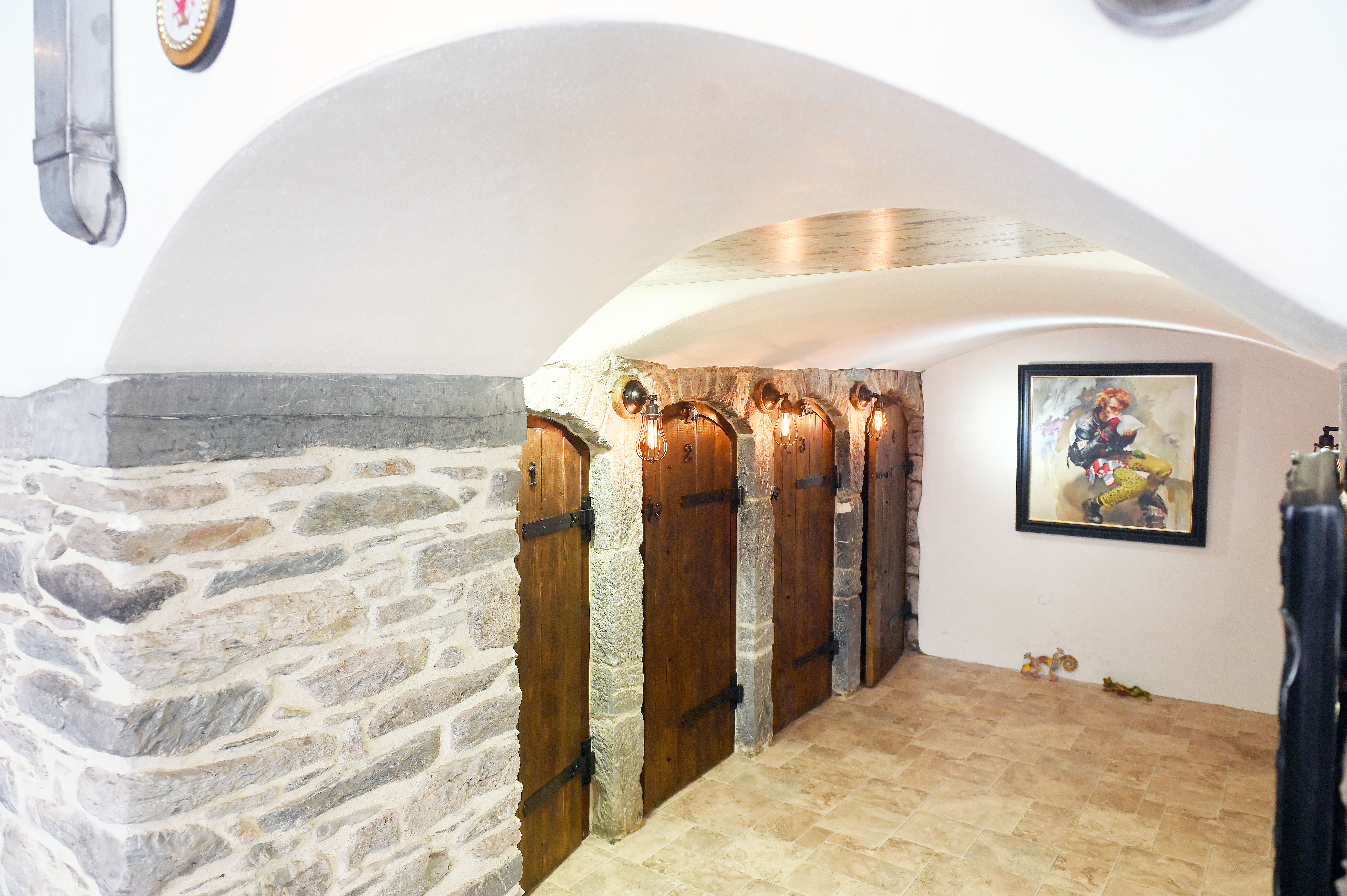
The surviving underground chambers, often referred to as the Holy Trinity catacombs, are a remarkable example of Plymouth’s hidden heritage. Built from brick with impressive vaulted ceilings, the spaces have survived war, demolition and decades of change, preserving a connection to a church that once played an important role in the life of the Barbican.
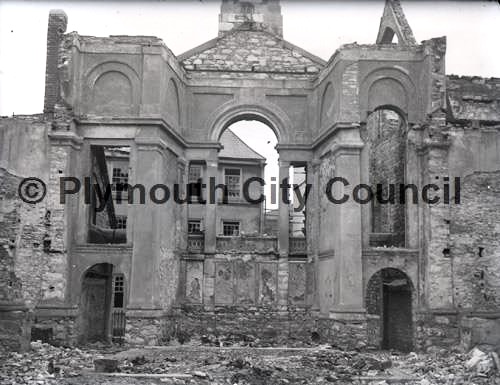
Holy Trinity Church stood on a site with a long religious history. Like many historic churches in Plymouth, the building that existed before the Blitz was the result of later rebuilding rather than the original medieval structure.
The Victorian era church reflected the growth and changing character of the town during the 19th century. Beneath it were substantial underground chambers, constructed as part of the church complex and typical of the period’s approach to creating additional space beneath places of worship.
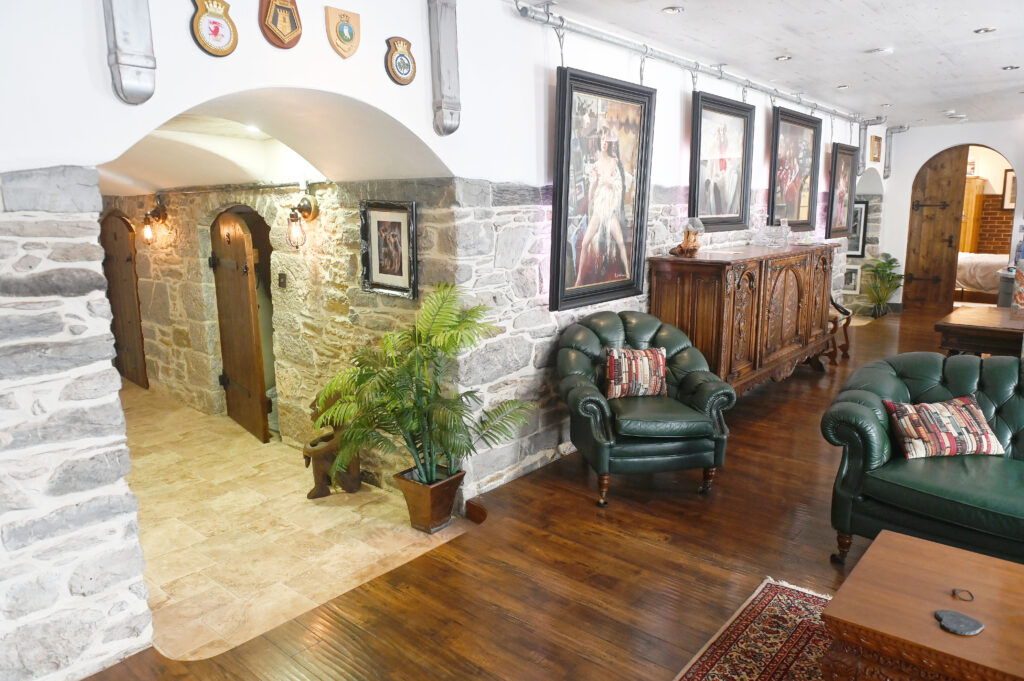
Their exact original use has been the subject of interest and discussion over the years. The chambers have often been associated with burials, though the surviving public evidence doesn’t provide a complete picture of how they were used throughout the church’s history. What is clear is that they formed an important part of the building and have endured long after the church above them was lost.
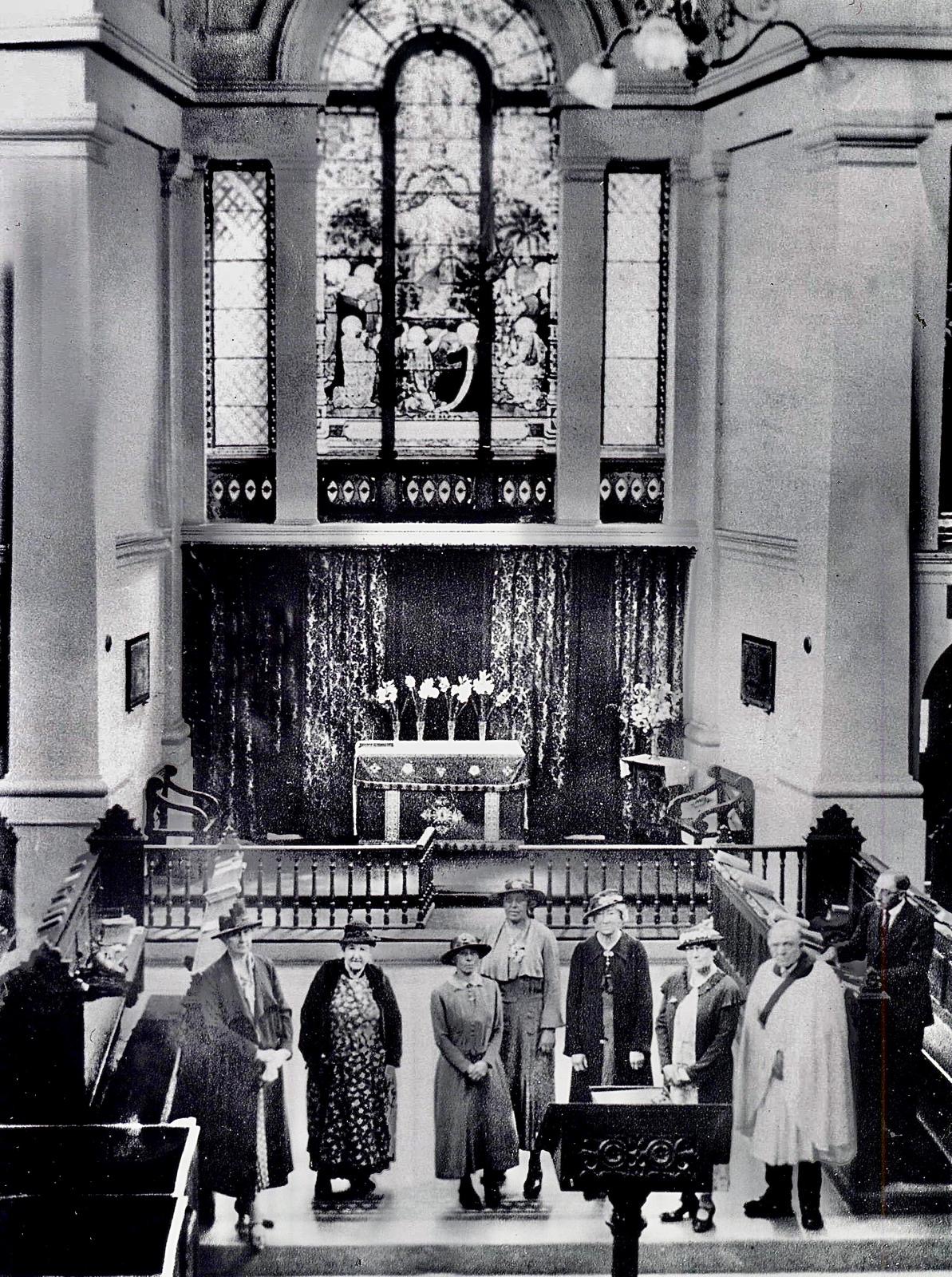
Holy Trinity was among the many Plymouth landmarks devastated during the Second World War. The city’s bombing raids destroyed thousands of buildings and changed the appearance of Plymouth forever churches, homes and businesses across the city were damaged or completely lost, Holy Trinity among them.
The church was so badly damaged it was never rebuilt. The remaining structure above ground was eventually removed, leaving only fragments of the original building, including the hidden curved wall that survives today.
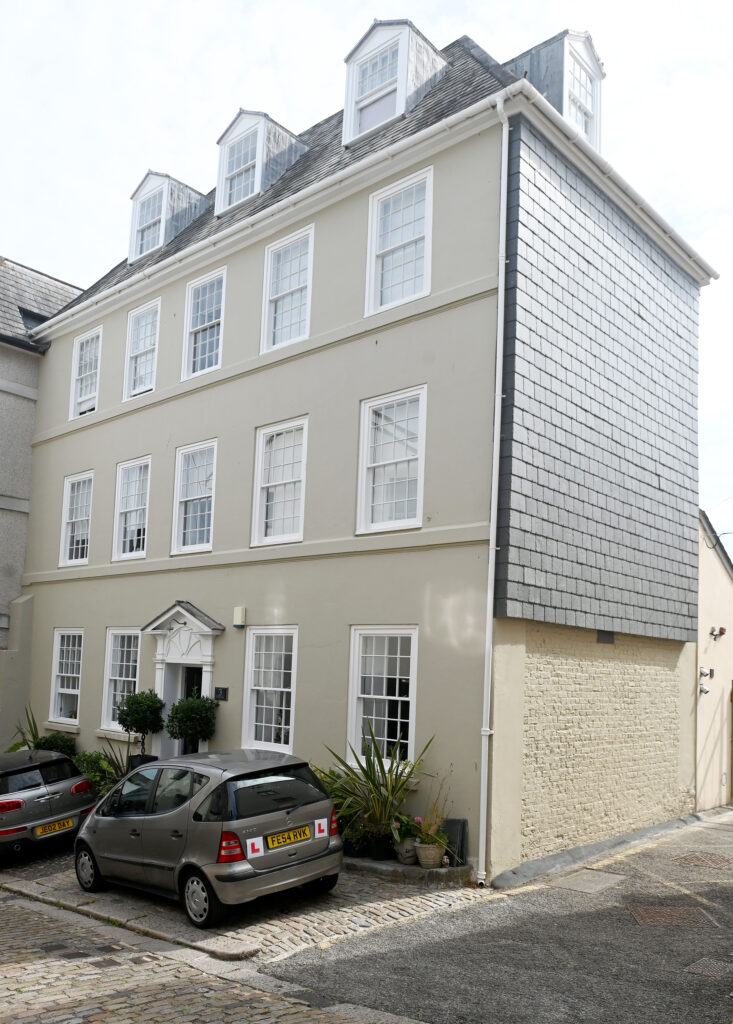
Next to the church stood the parish house, a Georgian building that survived the bombing a fascinating reminder of how differently neighbouring buildings could fare during the same wartime destruction.
While much of old Plymouth was rebuilt after the war, the underground remains of Holy Trinity continued to exist beneath the Barbican. Over the years the chambers found new uses, but remained a largely forgotten part of the city’s history hidden from public view, surviving as a rare physical link to the church that once stood above them.
Walking through the space today offers a glimpse into another era. The brickwork, vaulted ceilings and historic features reveal the craftsmanship of the Victorian period and give a sense of the scale and character of the original church complex.
Today, the former Holy Trinity underground chambers have entered a remarkable new chapter. The historic space has been carefully restored and transformed into unique holiday accommodation by Holiday Lets Plymouth, who have approached the project with a focus on preserving the character and identity of the building.
Rather than removing the signs of its past, the restoration celebrates them. The historic features and atmosphere of the underground structure have been carefully incorporated alongside modern comforts, creating a property that reflects both Plymouth’s heritage and its future.
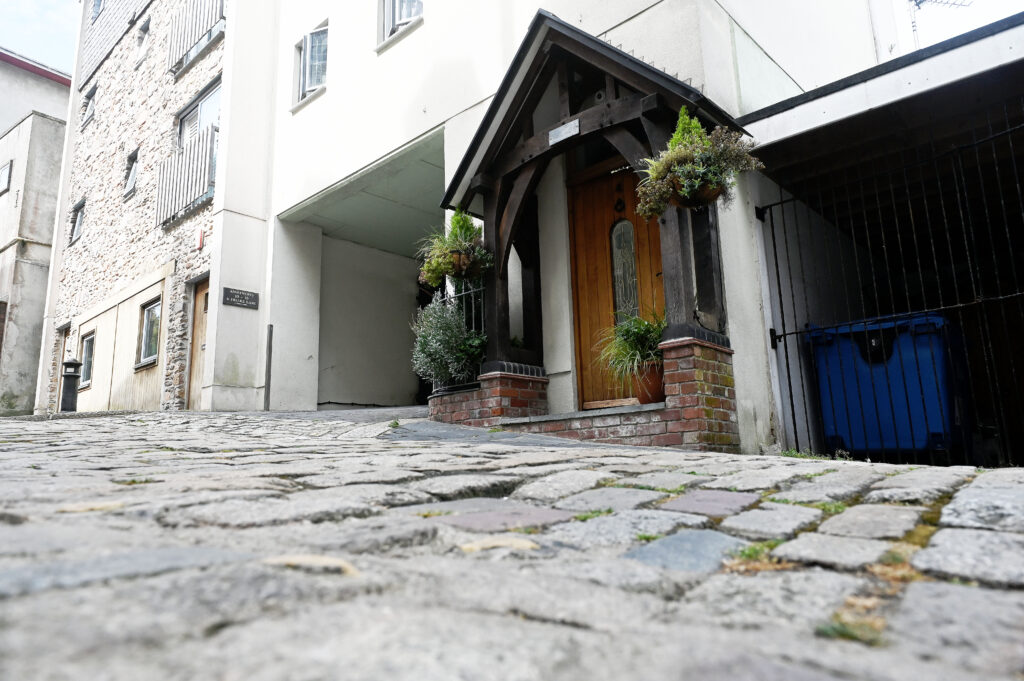
The transformation represents a different way of protecting historic buildings not by leaving them frozen in time, but by finding a sustainable new purpose while respecting the story they have to tell.
From a Victorian church destroyed during the Blitz, to a hidden network of underground chambers, and now a carefully restored piece of accommodation, the story of Holy Trinity is one of survival and renewal.
Hidden beneath the streets of the Barbican, these remarkable catacombs continue to tell the story of Plymouth’s past while becoming part of its future. Thanks to “Holiday Lets Plymouth”
Photographs © Wayne Perry / Plymouth Post