Buckwell Street, Plymouth: The Hidden Medieval Well, Royal History, and What Still Remains Today
Buckwell Street today is a fast-moving road on the edge of Plymouth’s Barbican, but beneath the traffic sits one of the oldest layers of the city, the medieval settlement of Sutton. What looks like a modern stretch of road is actually built over centuries of history shaped by water, trade, and daily life.
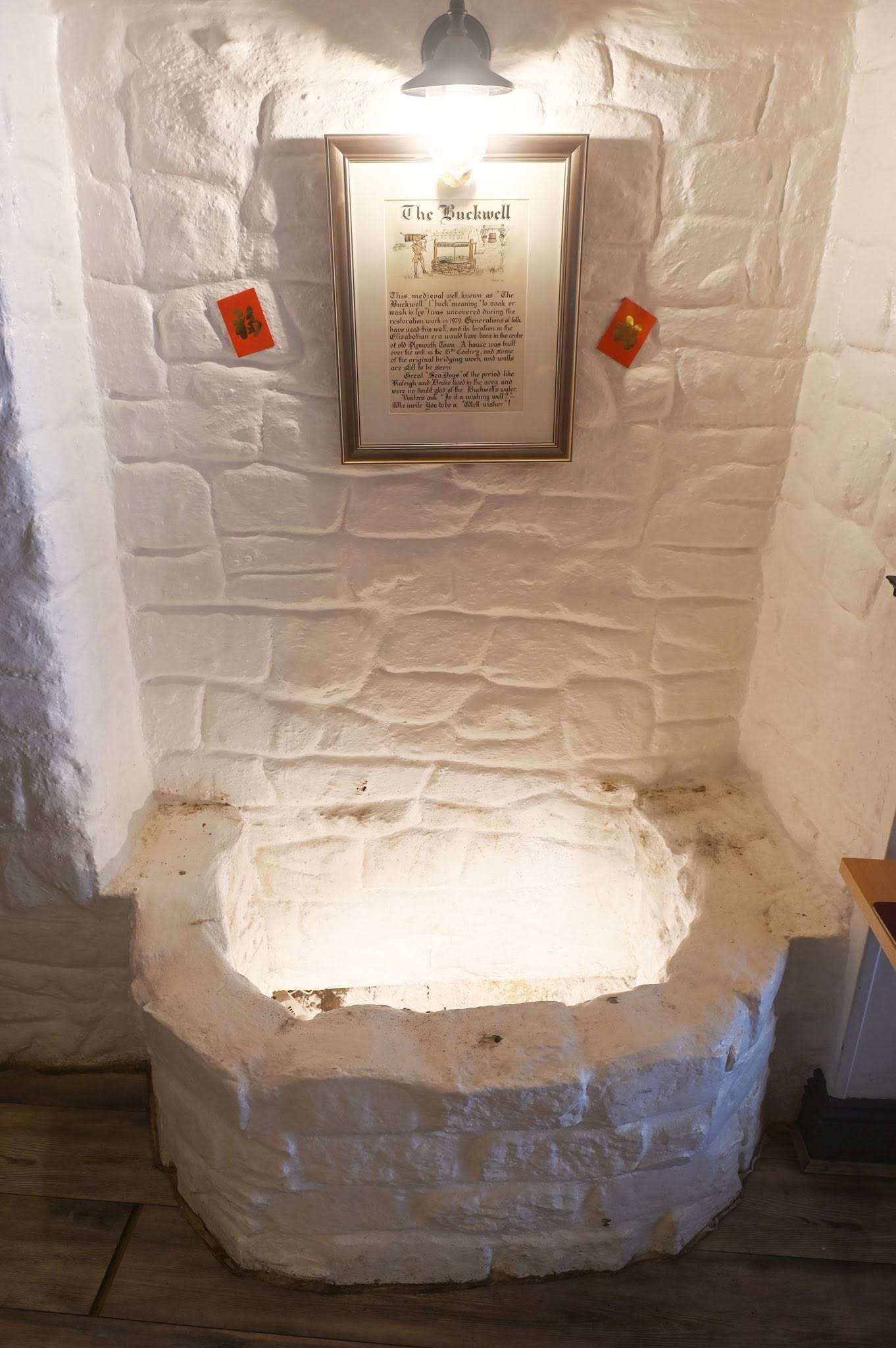
At the centre of it all is the Buckwell itself, the medieval well that gave the street its name. This was once a vital water source for the early town, long before modern infrastructure. Over time, it was built around and absorbed into later development rather than lost.
Today, it still survives inside the Asian noodle Bar, Chinese restaurant on Buckwell Street, where the original stone-lined well remains visible within the building a rare and direct link to medieval Plymouth still sitting in everyday use.
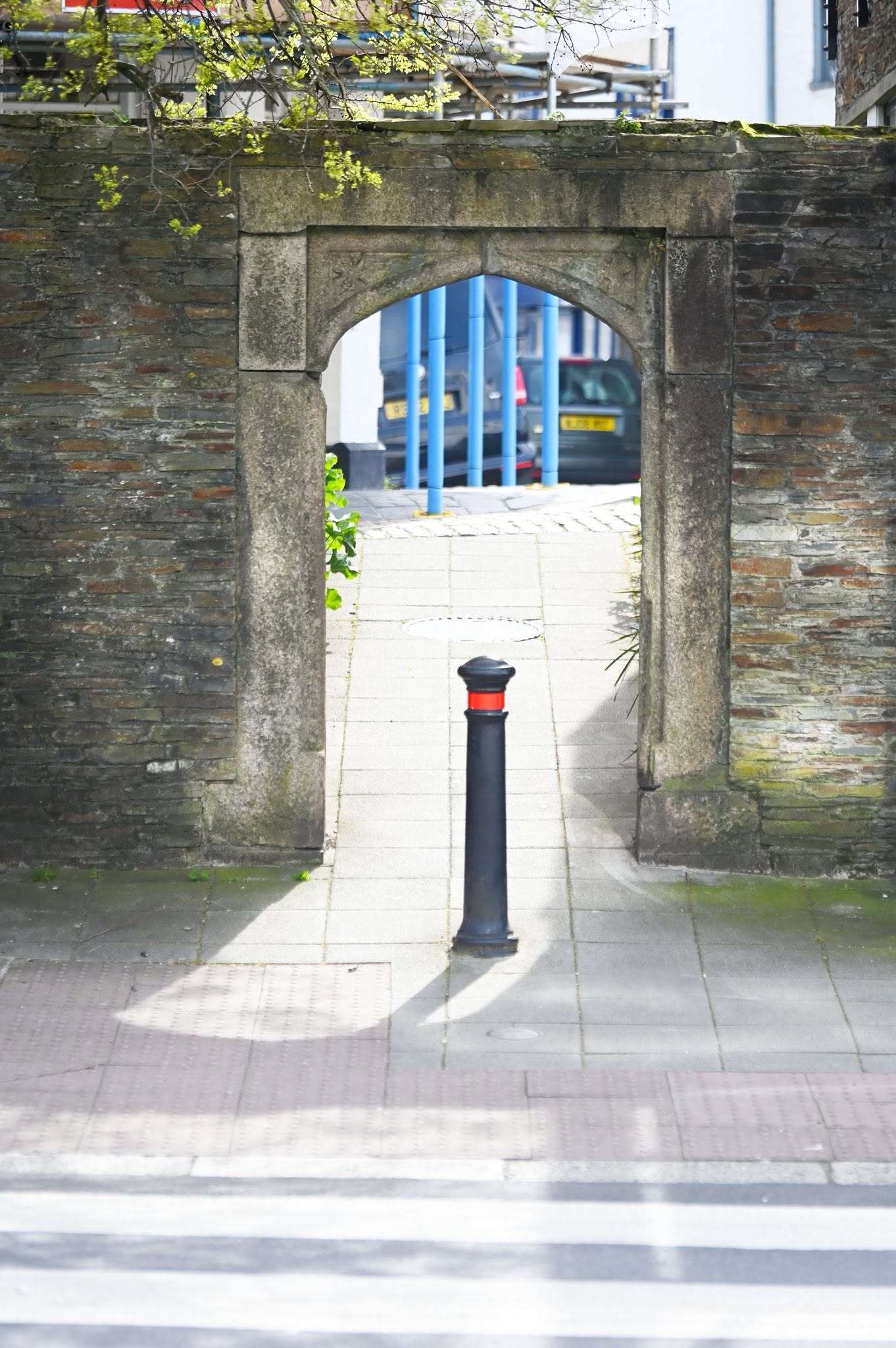
Running through the same historic area is a granite archway and surrounding older fabric of buildings, part of how this part of the city evolved over centuries. Stone from earlier structures was often reused as buildings were altered, meaning fragments of older Plymouth still survive within later construction.
And standing there, you can’t help but ask did she walk underneath this arch?
Catherine of Aragon landed in Plymouth in 1501, arriving by sea on her journey to marry Arthur, Prince of Wales. From that moment, Plymouth became her first step into England, and the Barbican area was already a key port district full of movement, trade, and important buildings.
Local tradition links her arrival to this part of the city, with nearby references such as Palace Court said to reflect a royal association connected to her stay in the area, possibly within a merchant’s property such as that of John Poynter. Over time, those stories have become part of how this part of Plymouth is remembered.
And while there is no way to confirm every step she took, she certainly walked these streets.

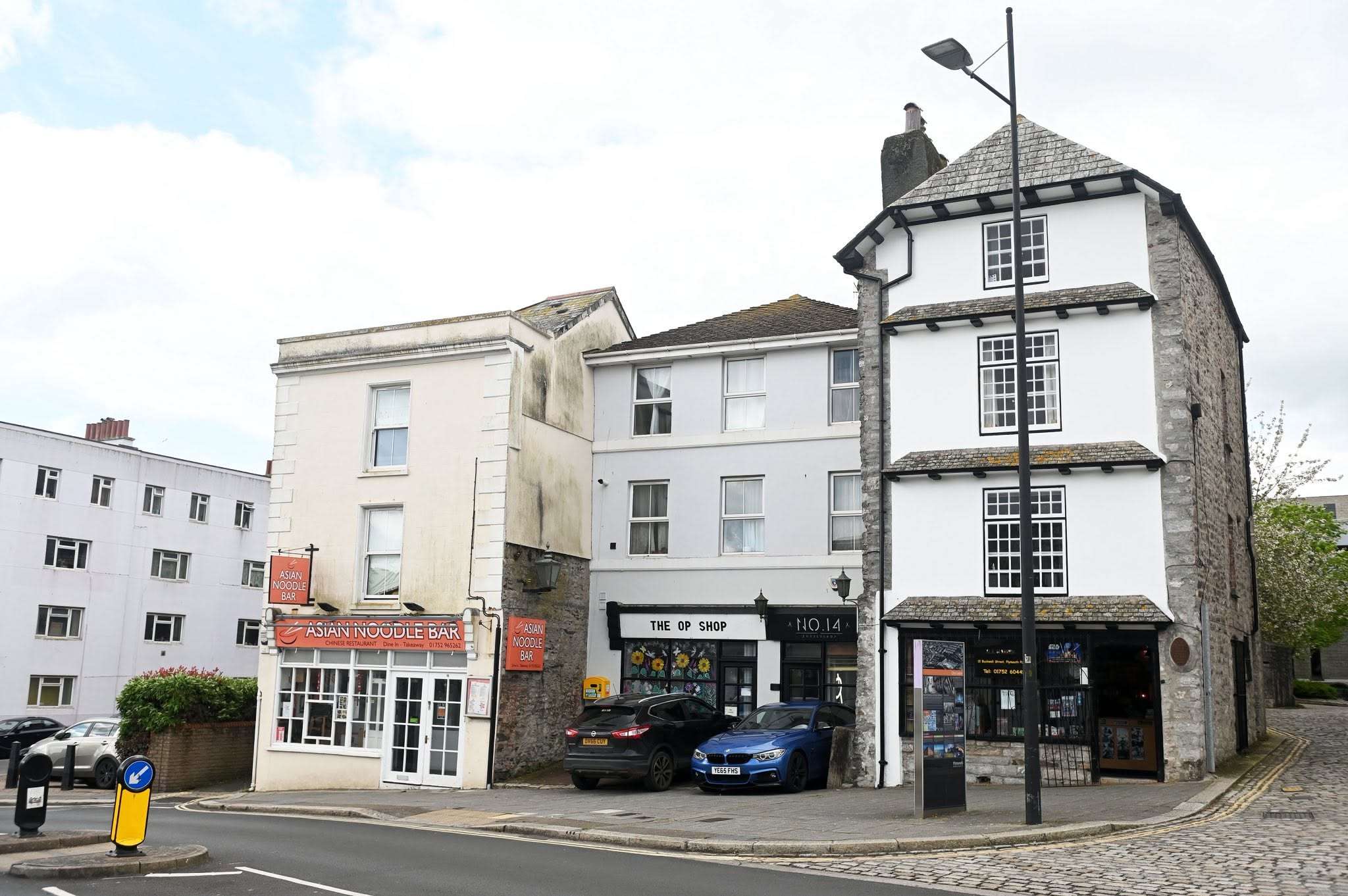
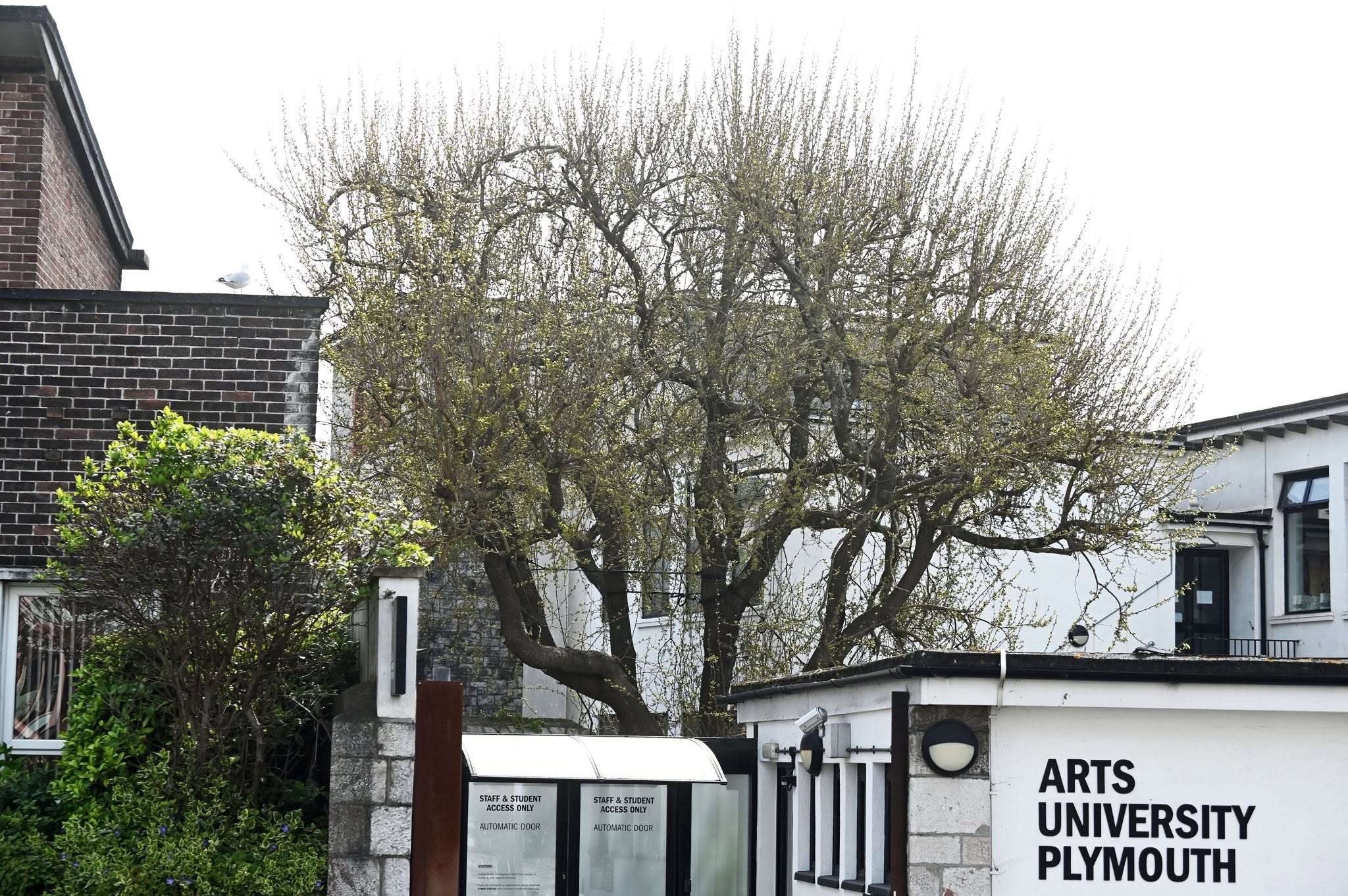
Just off Buckwell Street, Abbey Court adds another layer to the area’s historic footprint, reinforcing how densely this part of the Barbican was once built, lived in, and used.
Adding contrast to the stone and traffic is a mulberry tree a quiet living reminder of older planting traditions, still standing within a heavily modernised environment.
When you bring it all together, the Buckwell still inside a modern building, the nearby archway, the Tudor arrival of Catherine of Aragon, and the historic names like Palace Court and Abbey Cour, Buckwell Street becomes more than a road.
It becomes a layered piece of Plymouth history, where medieval life, royal arrival, and modern movement all exist in the same space.
And every day, traffic still flows over it, while history quietly remains within it.
Photographs and Video © Wayne Perry / Plymouth Post