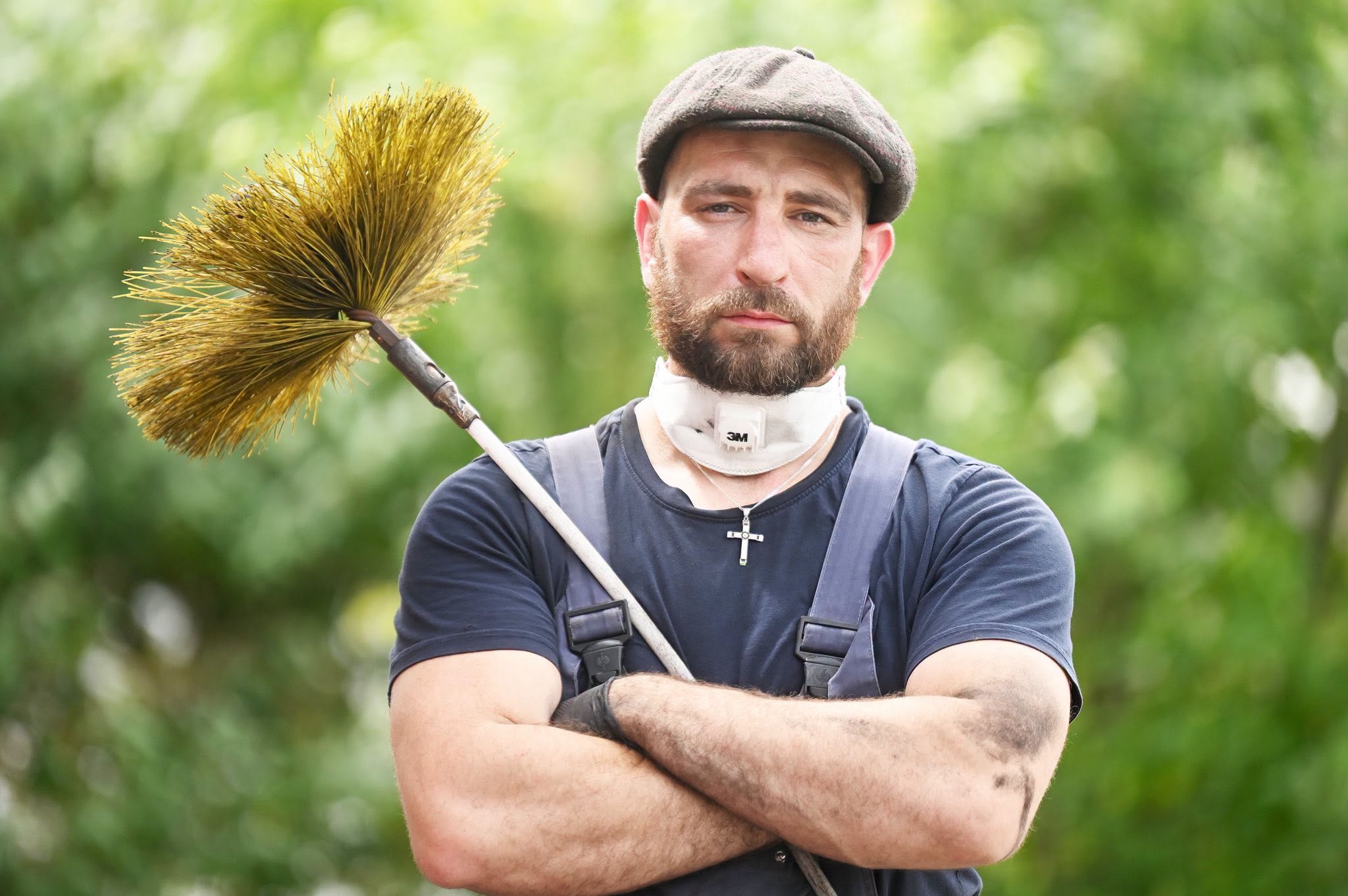
There are few jobs left in Britain that would be instantly recognised by someone from two centuries ago.
Yet when Danny Hodgson heads out across South Devon carrying the tools of his trade, he is continuing a profession whose roots stretch back hundreds of years.
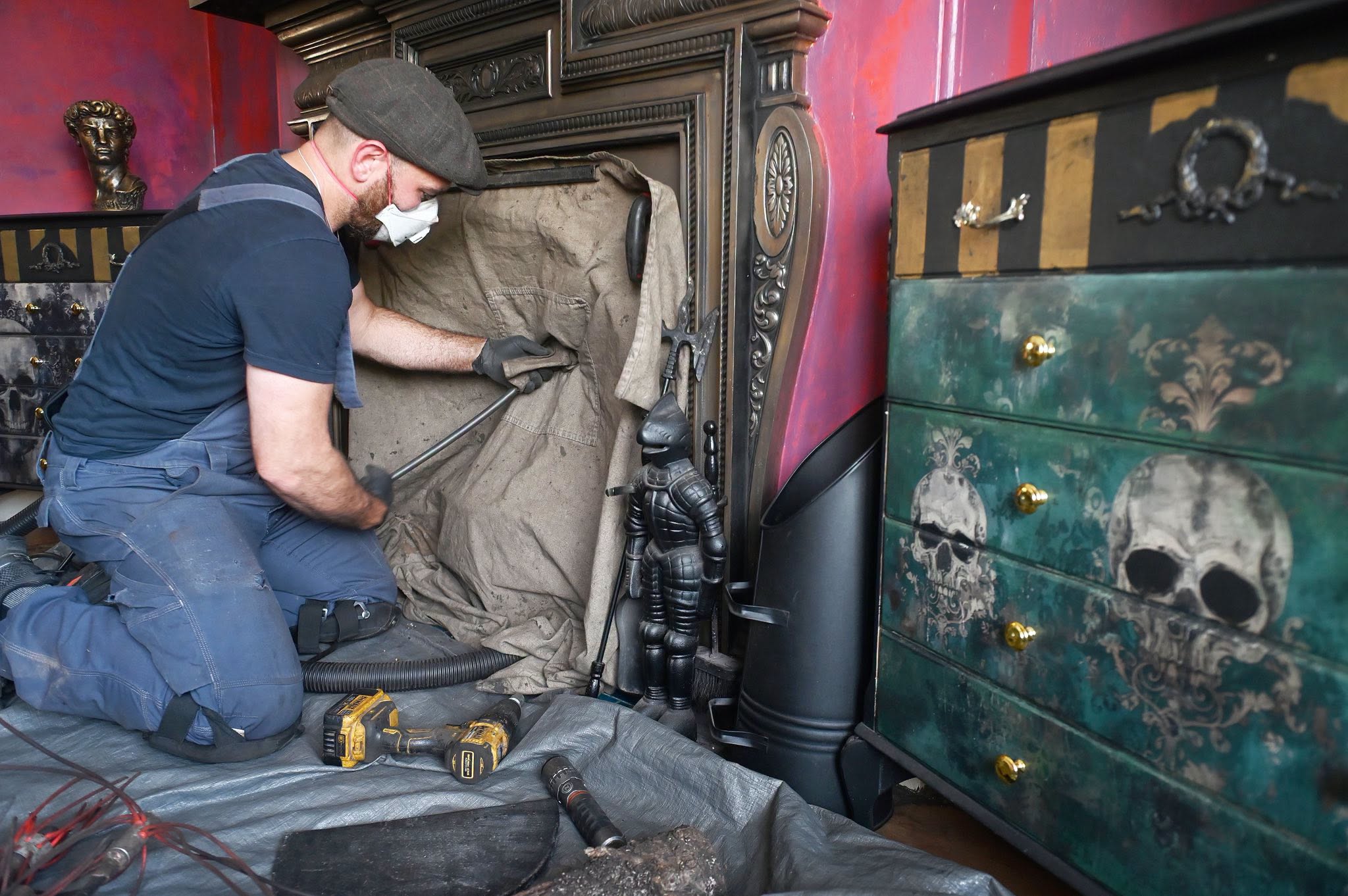
Working in communities between Plymouth and Paignton, Danny spends his days cleaning chimneys, inspecting flues and helping householders keep their fireplaces and stoves operating safely. It is a trade that many people assume vanished with the arrival of central heating, but the reality is very different.
In fact, chimney sweeping has experienced something of a revival in recent years as more people turn to wood burners, multi-fuel stoves and traditional fireplaces, particularly during periods of rising energy costs.
For much of Britain’s history, however, chimney sweeps were as common a sight as postmen or milkmen.
Before modern heating systems, nearly every home relied on a fire. Whether in a cottage, townhouse or grand country residence, fireplaces provided warmth, cooked food and heated water. But every fire produced soot, and without regular cleaning chimneys could become blocked or dangerously prone to catching fire.
The result was the growth of a trade that became essential to everyday life.
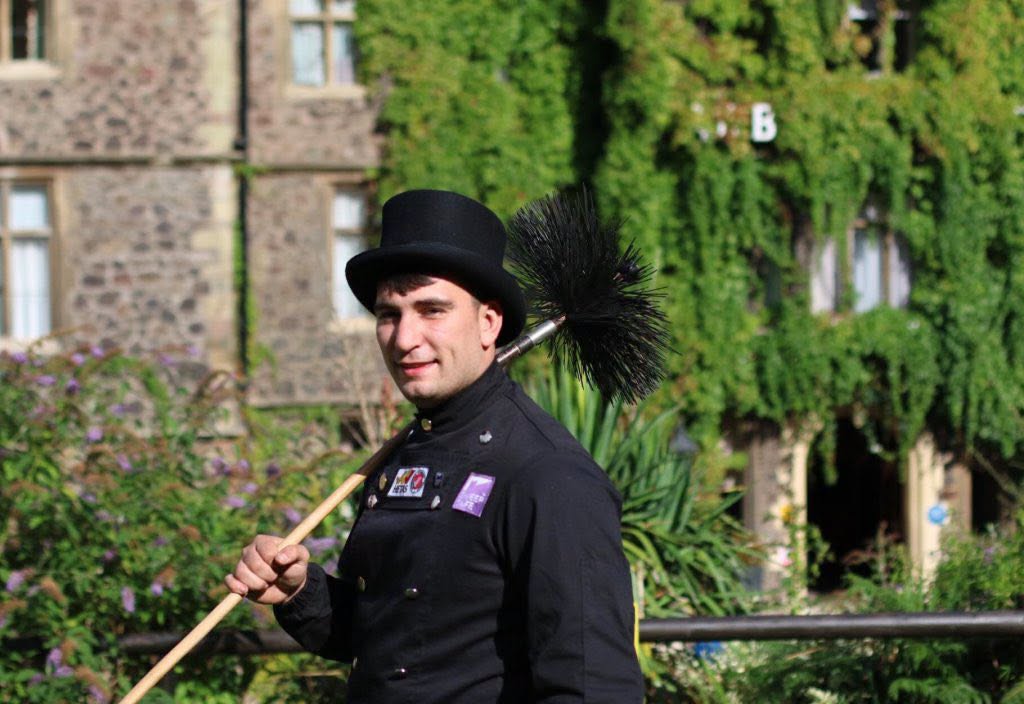
For generations, chimney sweeps climbed rooftops and navigated narrow streets, providing a service that householders simply could not do without. Over time they became familiar characters in towns and cities across the country, their soot-covered appearance becoming one of the most recognisable images of Victorian Britain.
The profession also carried a darker side. In earlier centuries the work could be dangerous and physically demanding, particularly before modern equipment was introduced. Conditions gradually improved as safety standards advanced and new technology transformed the way chimneys were cleaned.
Today the job bears little resemblance to those historic scenes.
Modern chimney sweeps use specialist brushes, rods and inspection equipment designed to clean flues efficiently while keeping customers’ homes clean and protected. Knowledge of stove installations, ventilation and fire safety has become just as important as the sweeping itself.
Despite these changes, the purpose remains exactly the same as it always has been: helping to prevent chimney fires, ensuring smoke and gases can escape safely, and keeping heating systems working efficiently.
It is a role that often goes unnoticed until winter approaches and fires begin to burn once again.
For Danny, every property is different. Some chimneys serve modern homes fitted with contemporary stoves, while others have stood for generations and form part of the region’s architectural heritage. Each has its own challenges and its own story.
The continued demand for chimney sweeping is a reminder that even in an age of advanced technology, some traditional skills remain as relevant as ever.
While many historic trades have faded into memory, the chimney sweep survives adapting to modern times while preserving a direct link to Britain’s past.
And as long as flames flicker in fireplaces across Devon, there will still be a place for those whose job is to keep the nation’s chimneys clear.
Photographs and Video © Wayne Perry / Plymouth Post