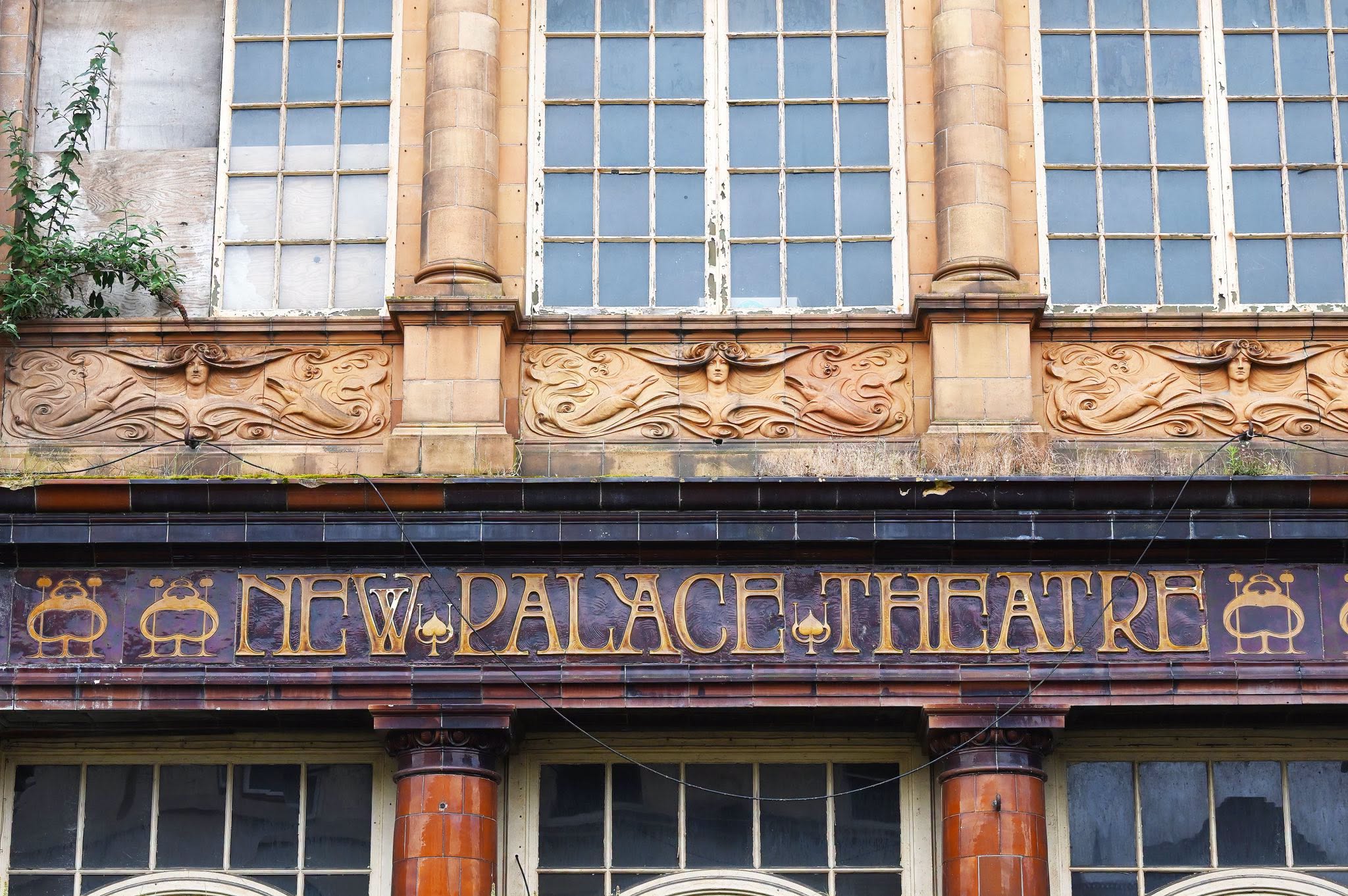
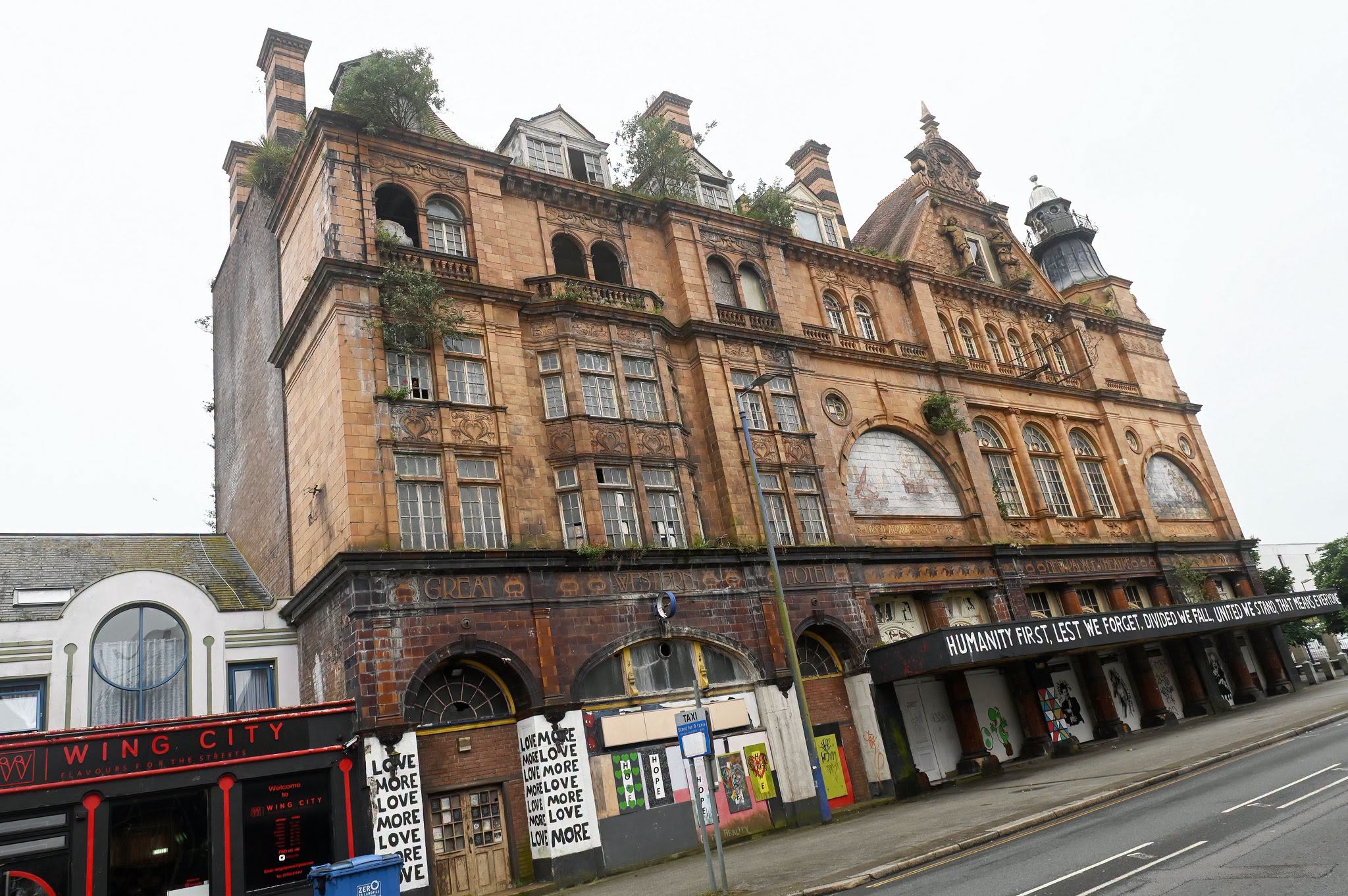
Standing on Union Street, the New Palace Theatre is one of the most remarkable and most overlooked buildings in Plymouth. Scarred by fire, shaped by time, and still standing after more than 125 years, it tells a story that says as much about the city’s future as it does about its past.
Built to Impress
When the theatre opened its doors on 5th September 1898, Plymouth was a city with ambitions to match. The Livermore Brothers, joint owners of the venture, commissioned architects Wimperis and Arber to create something genuinely extraordinary and that is exactly what they delivered.
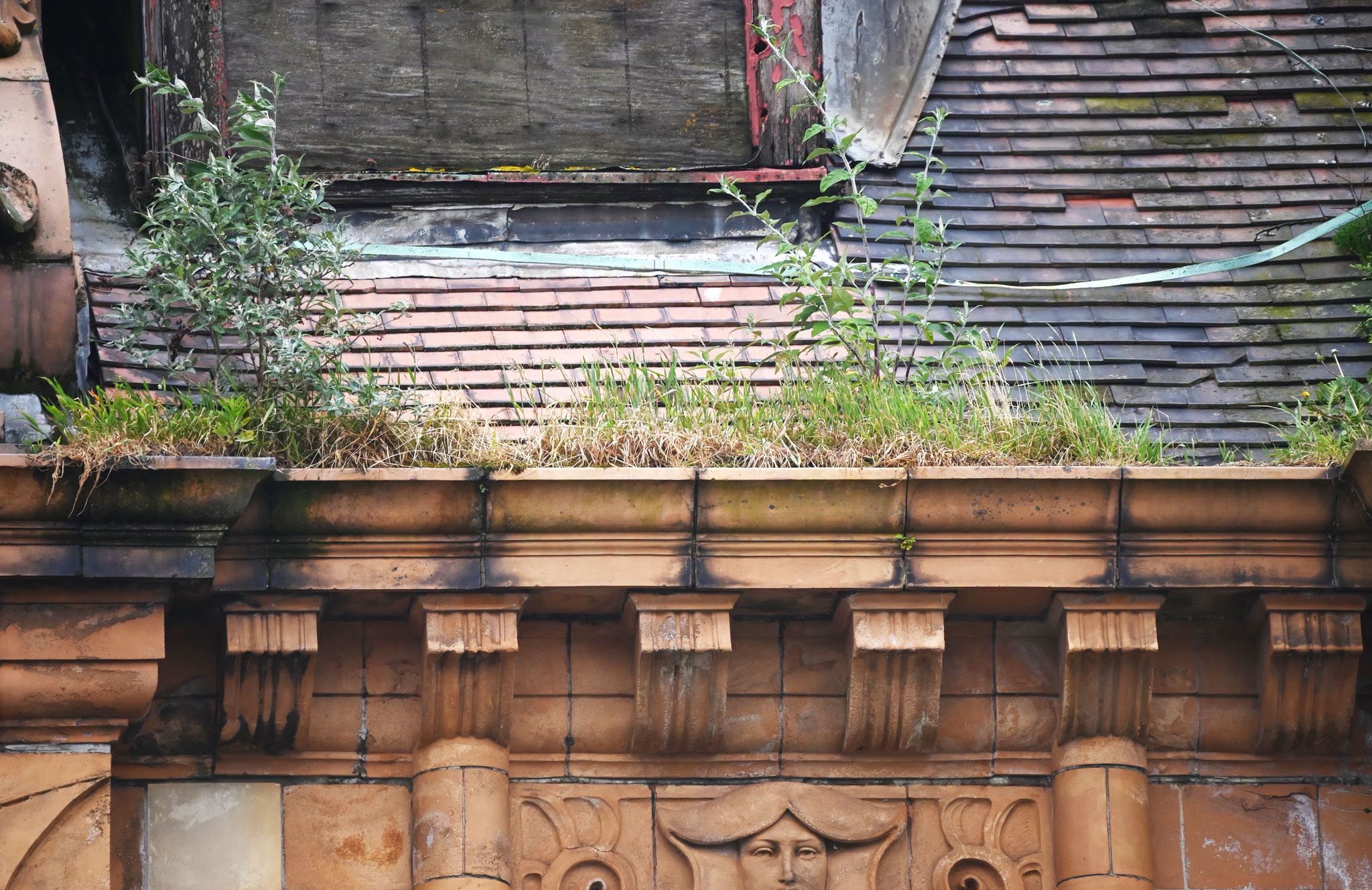
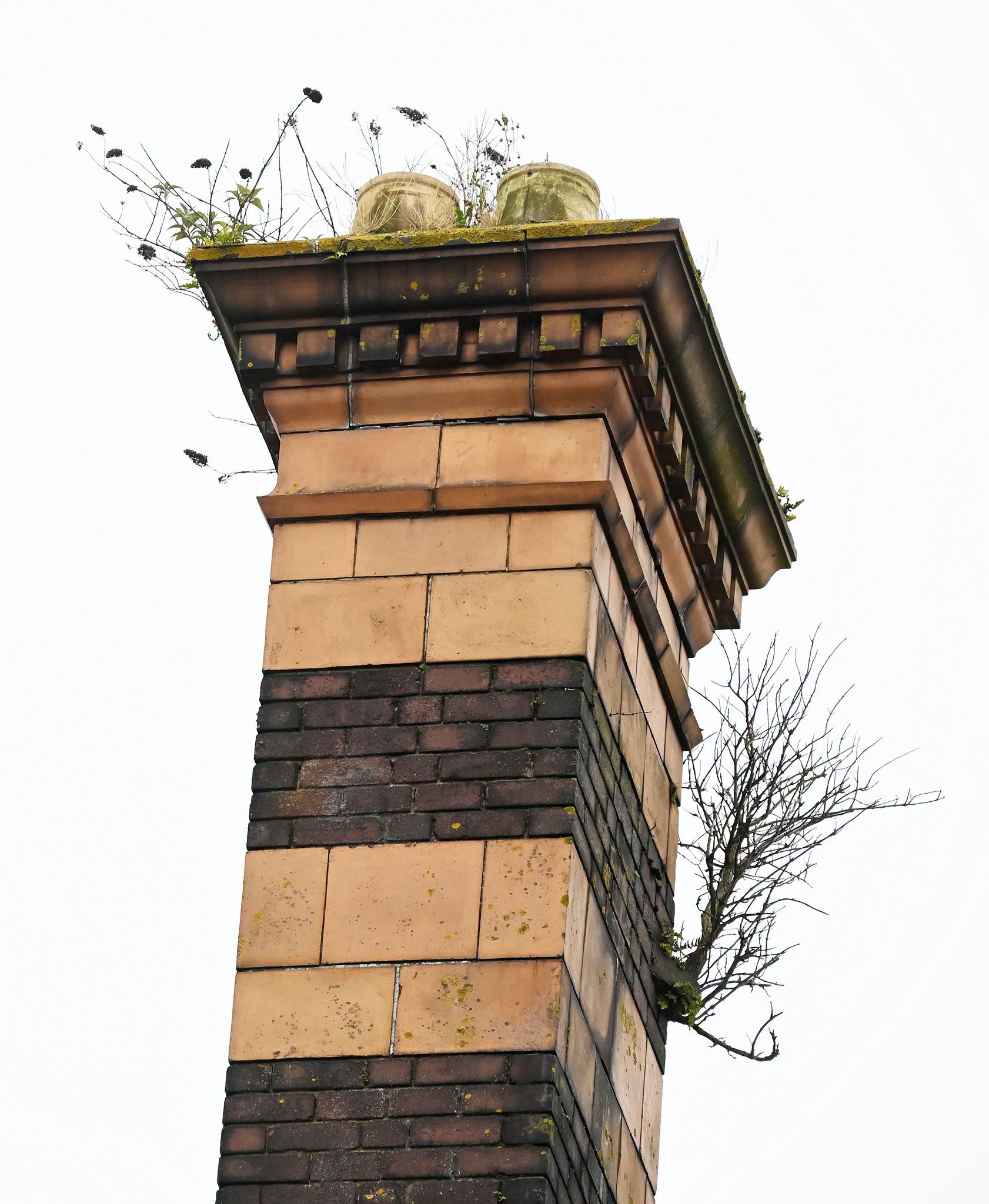
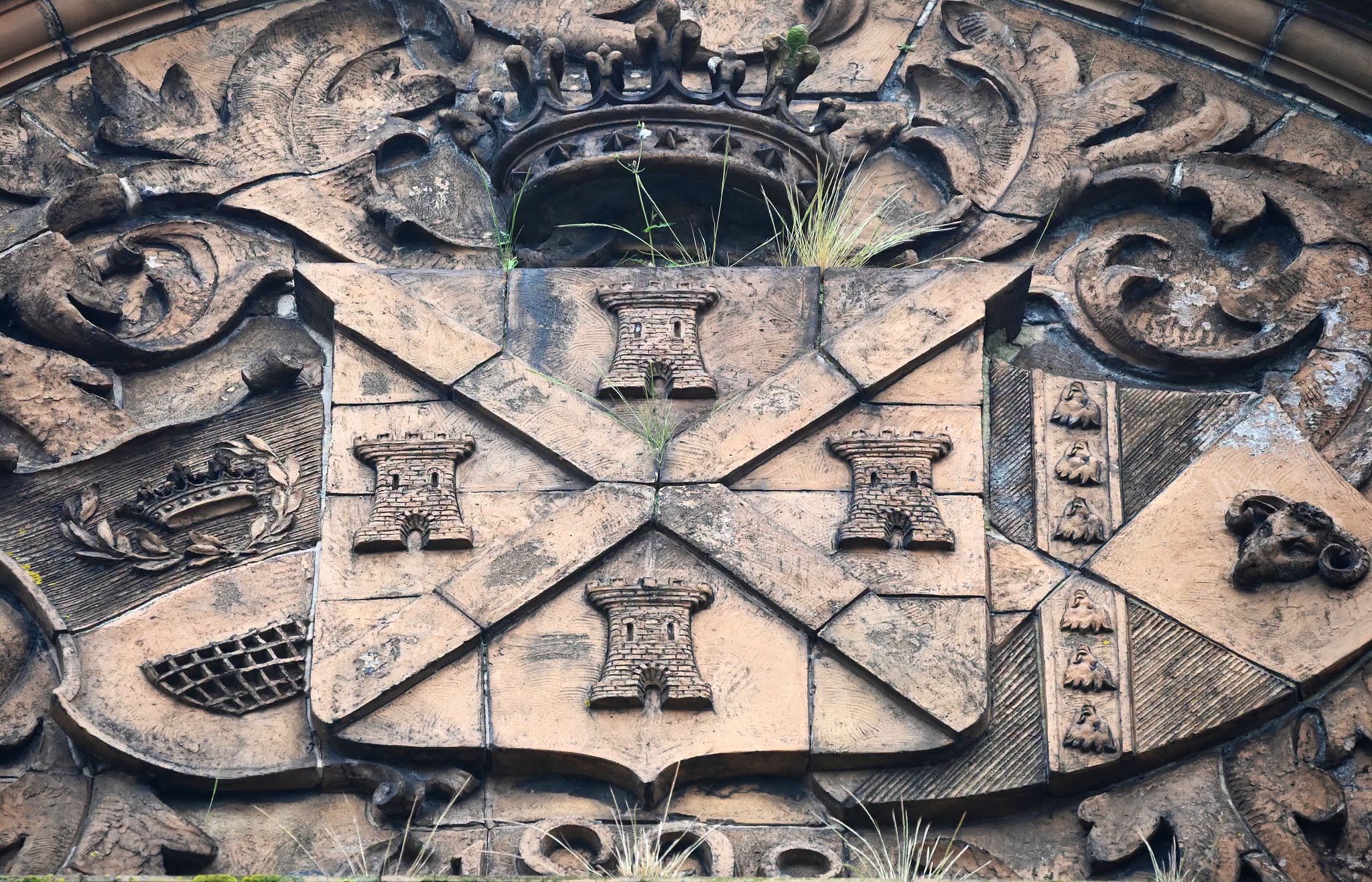
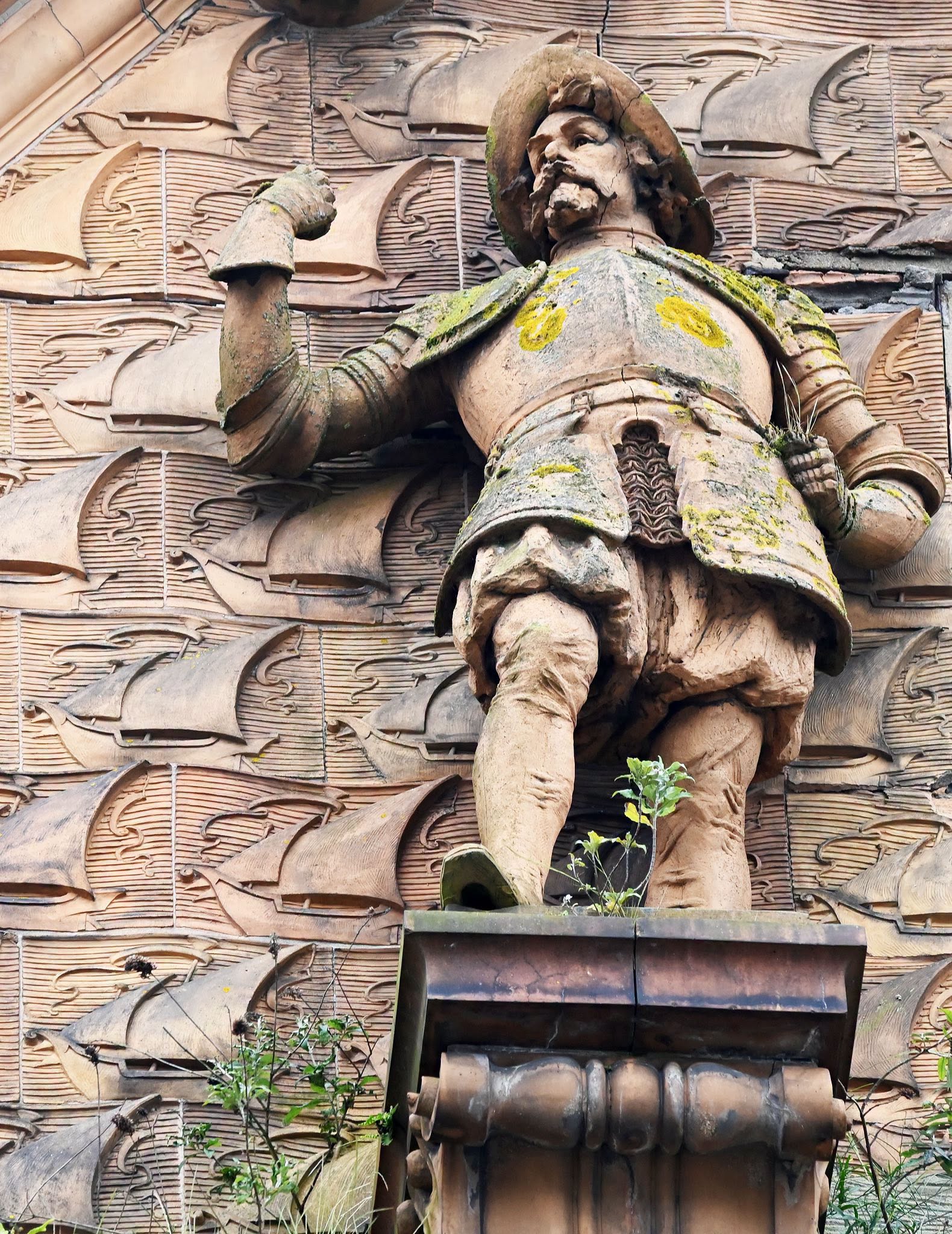
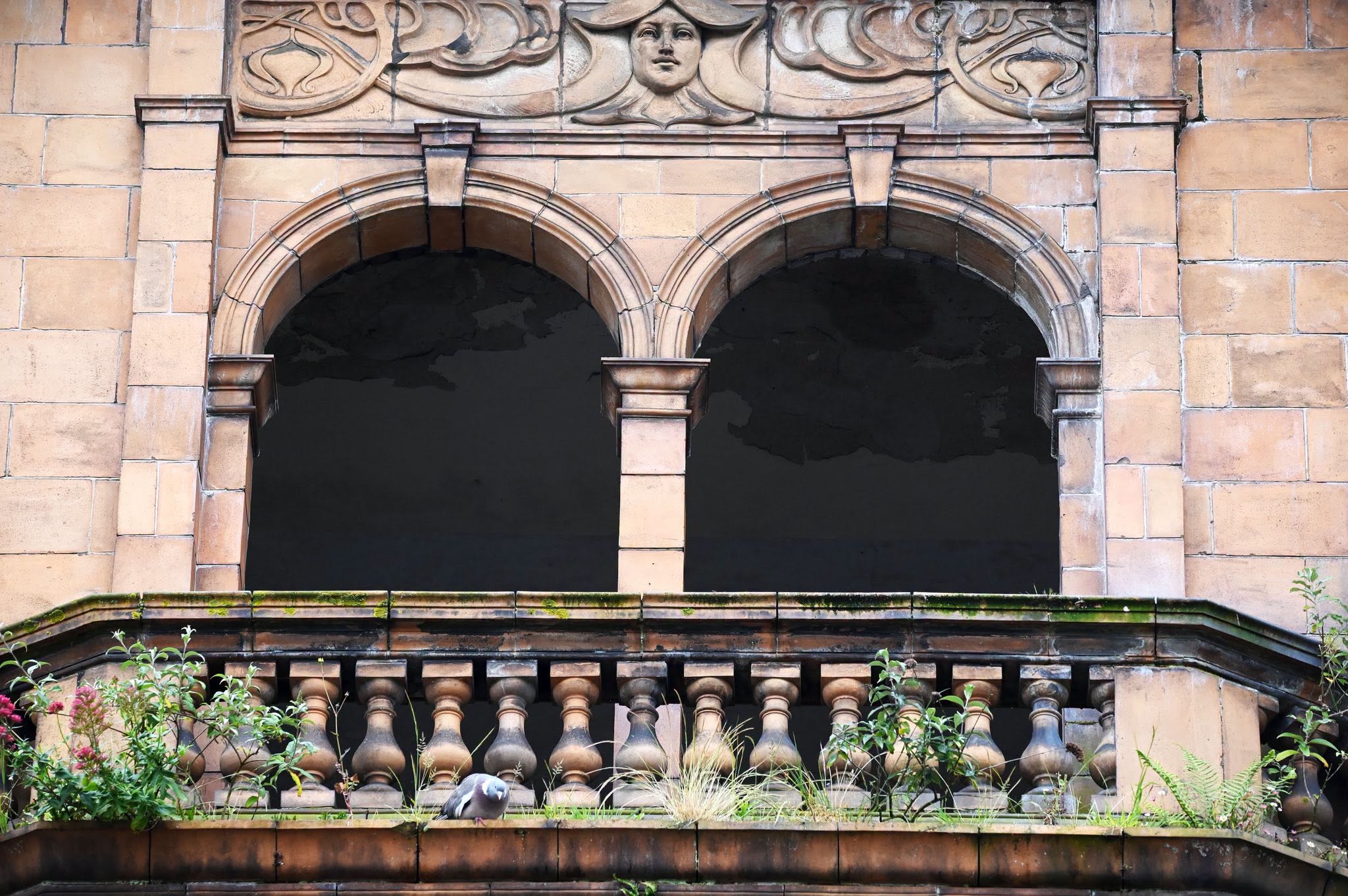
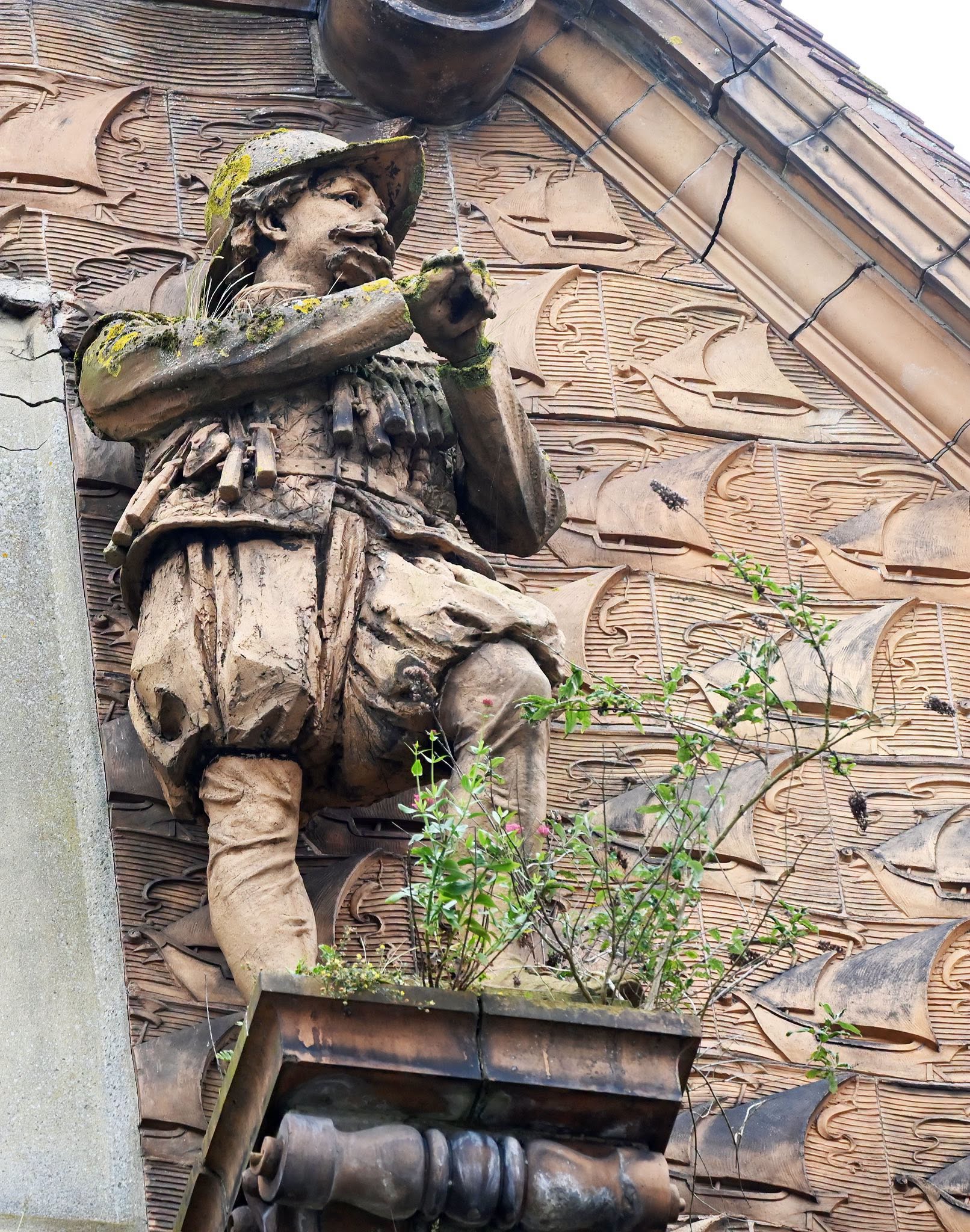
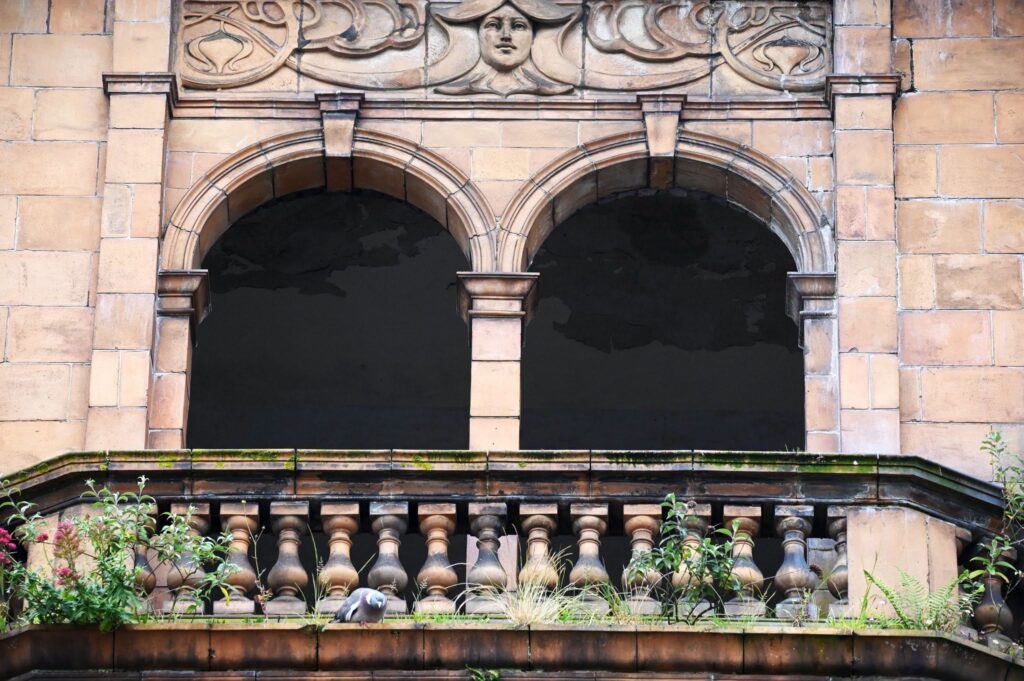
The exterior was faced in decorative terracotta, crafted by Doulton and Company of Lambeth, one of the most respected manufacturers of architectural ceramics in Victorian Britain. Set into the façade were striking semicircular panels depicting scenes from the Spanish Armada a deliberate choice that anchored the building in Plymouth’s proud naval heritage and reminded every passer-by of the city’s place in history.
Inside, the theatre was no less ambitious. Designed to accommodate around 2,000 people across stalls, pit, dress circle, gallery, and stage boxes, the auditorium was decorated in the Art Nouveau style, with nautical themes woven throughout the interior. Paintings in the dome and decorative spaces depicted great naval events and the heroes associated with Plymouth’s past. The whole effect was immersive, celebratory, and unmistakably local.
The architectural style was Flemish Renaissance bold, ornate, and built to last. And it was achieved without computer aided design, modern structural analysis, or industrial machinery of the kind we take for granted today. Every detail was the product of skilled hands, experienced eyes, and a craft tradition that had been refined over generations.
Disaster and Resilience
The theatre’s early story was not without drama. Less than four months after opening night, fire broke out on 23rd December 1898, tearing through the auditorium and stage. It was a devastating blow but not a fatal one.
Victorian theatres were inherently risky environments. Gas lighting, open flames, and highly flammable stage materials created conditions that made fire a constant threat. What mattered was what happened next. Rather than accepting the loss, the owners committed to rebuilding, and the theatre reopened in May 1899. The restored interior was somewhat simpler than the original, but the building’s essential character its scale, its presence, its ambition remained intact.
That resilience would prove to be a defining characteristic. Over the following decades, the New Palace Theatre of Varieties became a fixture of Plymouth life, hosting variety acts, vaudeville performers, comedians, musicians, and eventually bingo and nightclub events as the entertainment landscape shifted around it. It outlasted the Blitz, outlasted changing fashions, and outlasted the wave of post-war redevelopment that reshaped much of the city centre beyond recognition.
A Building Under Threat
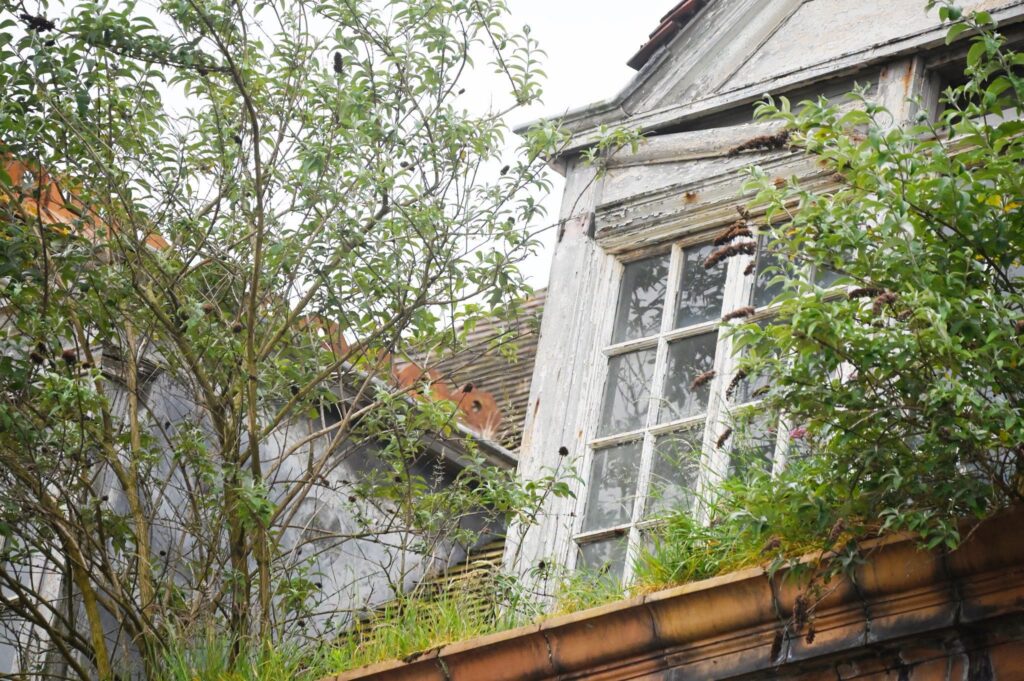
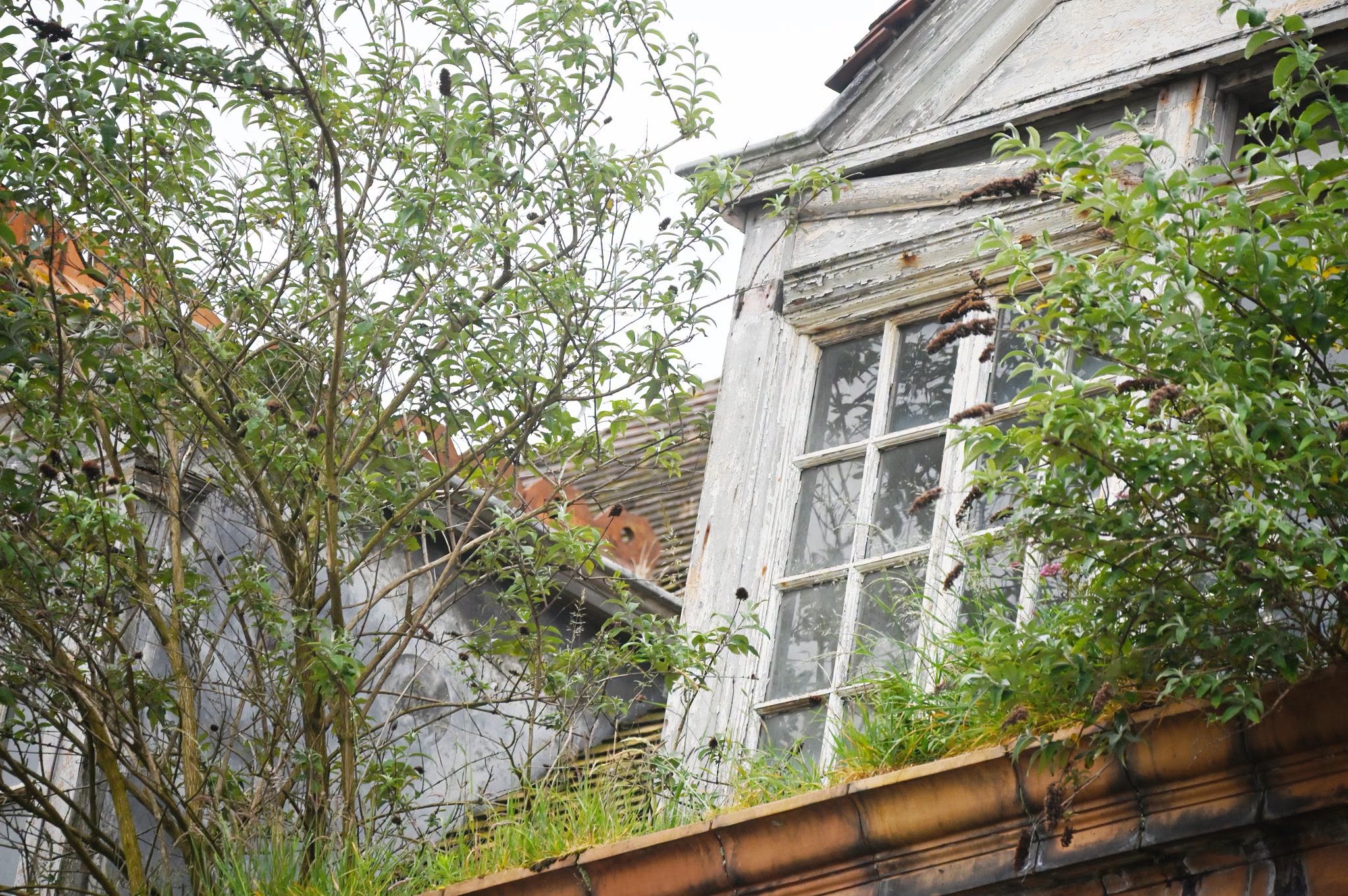
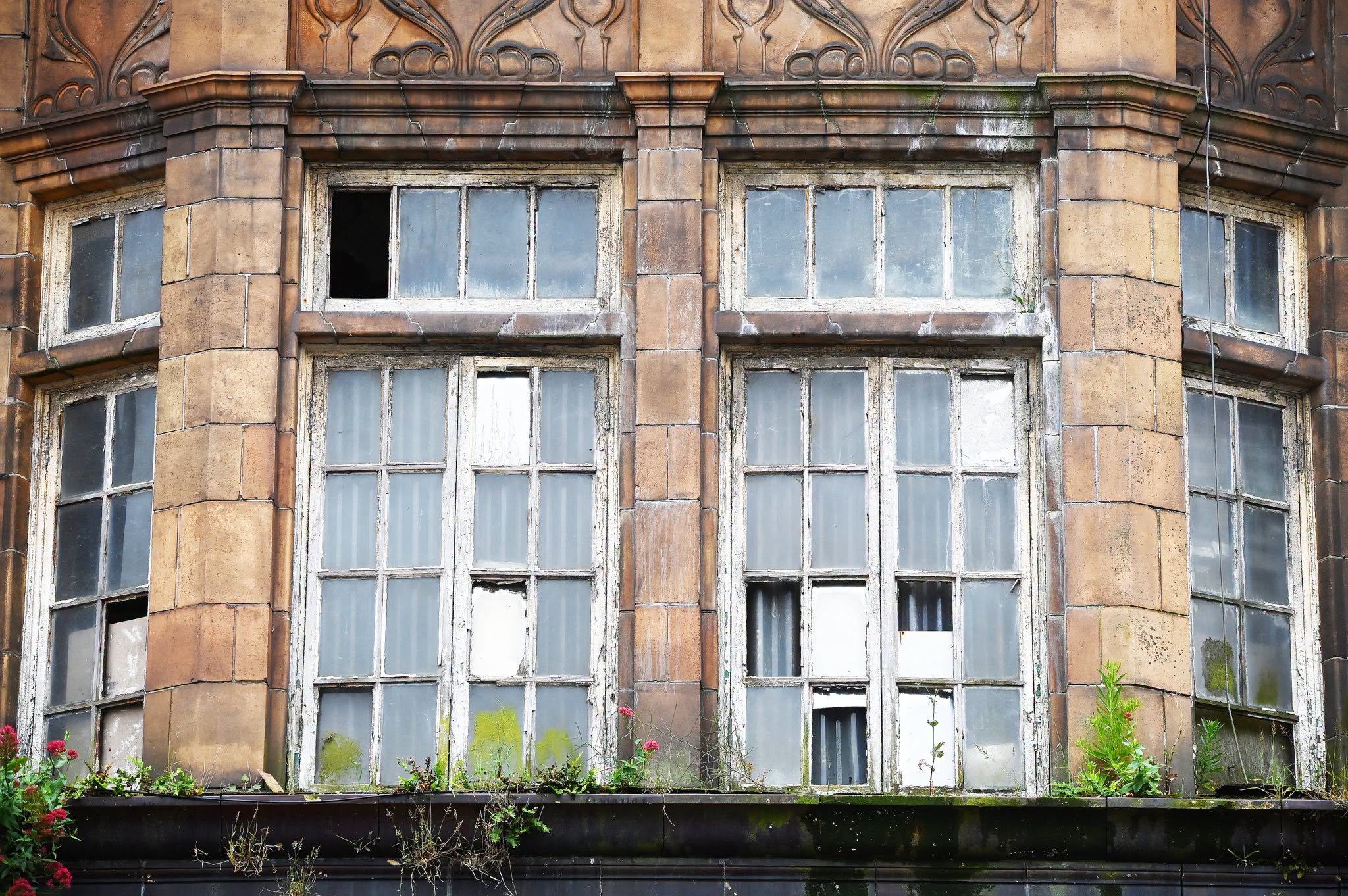
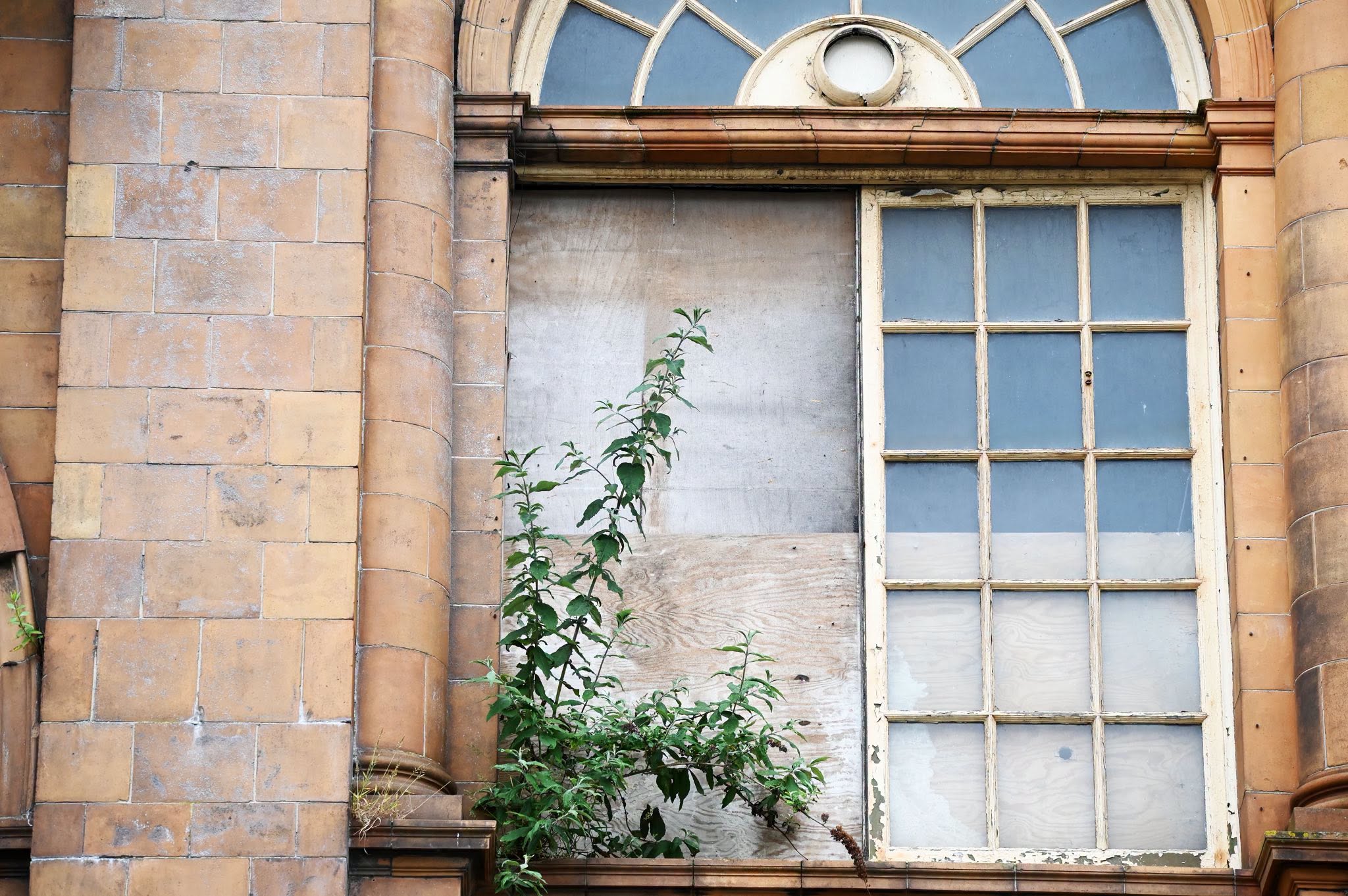
Today, the Palace Theatre sits silent on Union Street. It has been closed since 2006, and its future remains uncertain. The building is Grade II* listed a designation that recognises its exceptional architectural and historic significance but listed status alone cannot halt decay.
This is where the story becomes genuinely thought provoking. You might assume that with all the tools available to modern builders laser scanning, advanced materials, precision engineering restoring a Victorian theatre would be straightforward. In practice, it is anything but.
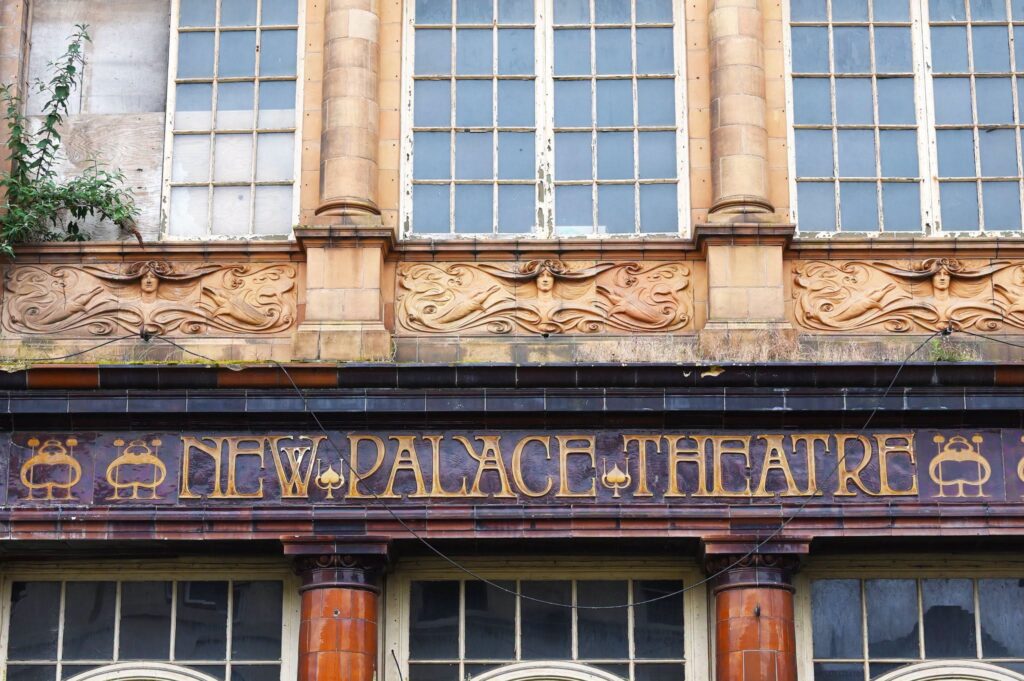
The terracotta detailing, the ornate plasterwork, the specific brickwork and ironwork techniques used in 1898 all of it was produced by craftsmen working within a living tradition that no longer exists in the same form. Many of the original materials are no longer manufactured at all. The skills required to replicate the decorative work are rare, and where they do exist, they come at considerable cost. Meanwhile, any restoration must also meet contemporary building regulations, fire safety standards, and accessibility requirements that the original designers could never have anticipated.
The result is a paradox: a building that was constructed in under a year by Victorian tradesmen using hand tools, which now resists restoration despite every advantage that modern technology can offer.
What Plymouth Stands to Lose
The New Palace Theatre is not simply a pretty façade. It is one of only a handful of Victorian buildings to have survived in Plymouth a city whose historic centre was largely destroyed during the Second World War and rebuilt along modernist lines in the years that followed.
That makes it rare. Not just architecturally, but culturally. In a city where so much of the Victorian and Edwardian built environment was lost either to bombs or to the bulldozer, the Palace Theatre represents a direct, physical connection to the Plymouth of 1898 to the people who built it, the audiences who filled it, and the civic confidence that made it possible.
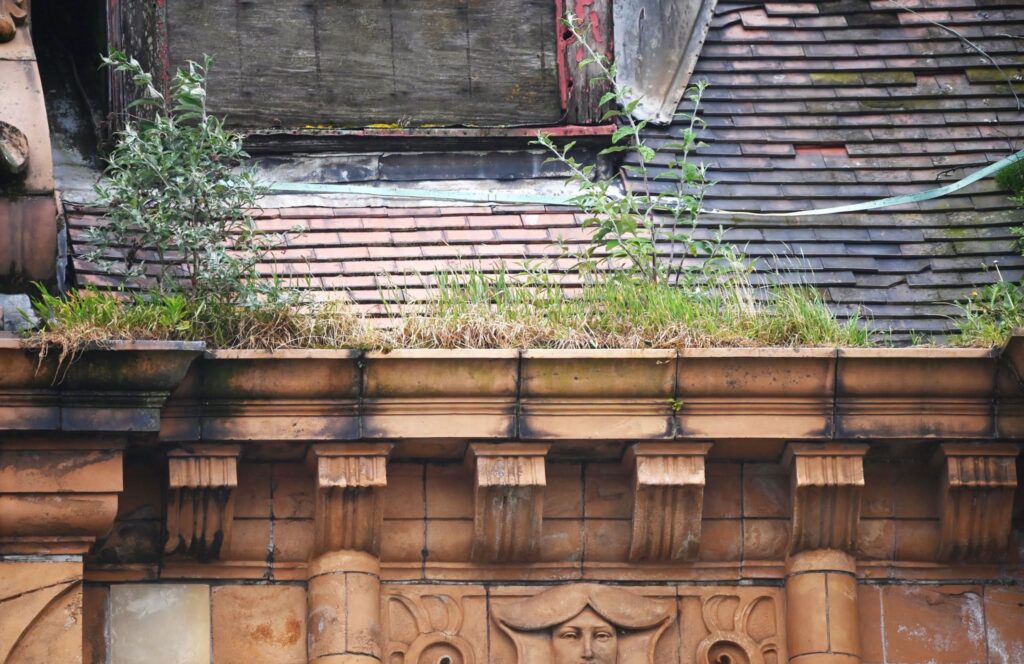
To allow it to be lost through neglect would be to sever one of the few remaining threads connecting modern Plymouth to that earlier version of itself.
A Question Worth Asking
The New Palace Theatre raises a question that Plymouth and many other British cities has not yet fully answered: how much of our built heritage are we genuinely committed to preserving, and what are we prepared to invest to make that happen?
The building has survived fire, war, changing fashions, and more than two decades of closure. It has demonstrated, repeatedly, that it is not ready to disappear. Whether Plymouth is ready to rise to the challenge of saving it is another matter entirely and the answer will say a great deal about the kind of city Plymouth wants to be.
Photographs © Wayne Perry / Plymouth Post