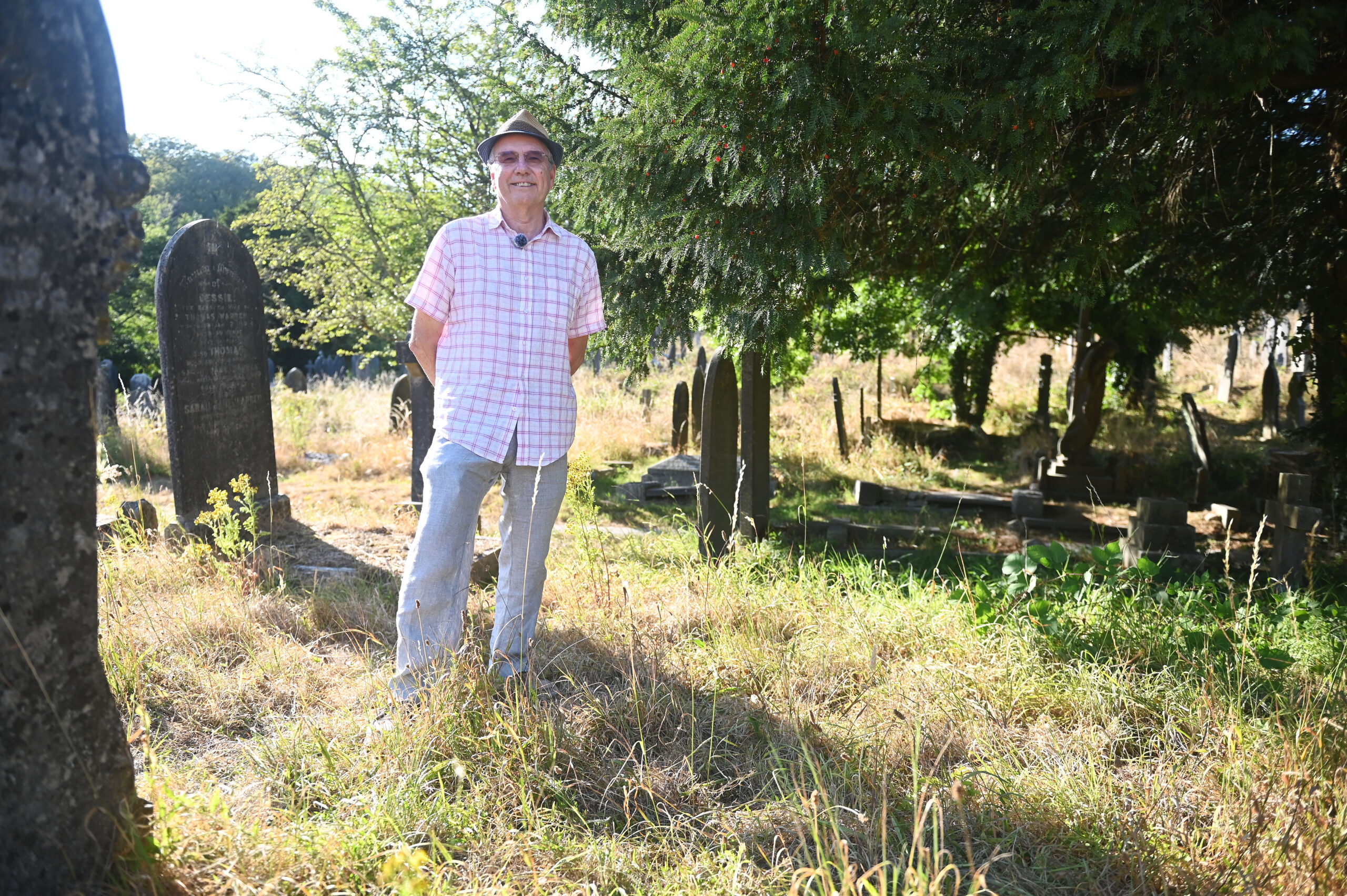
Alan Bricknall at the unmarked grave of Frederick Hoar
Victorian Plymouth witnessed many tragedies, but few were as shocking as two child murder cases that gripped the town and left lasting questions over justice.
The first case unfolded in Stonehouse in April 1874.
Elizabeth Hoar, aged 35, had recently moved into lodgings in Rendle Street with her three children. After neighbours noticed that her six-month-old son, Frederick, had disappeared, she told police he had been sent to stay with relatives in Cornwall. Investigations soon proved that account to be false.
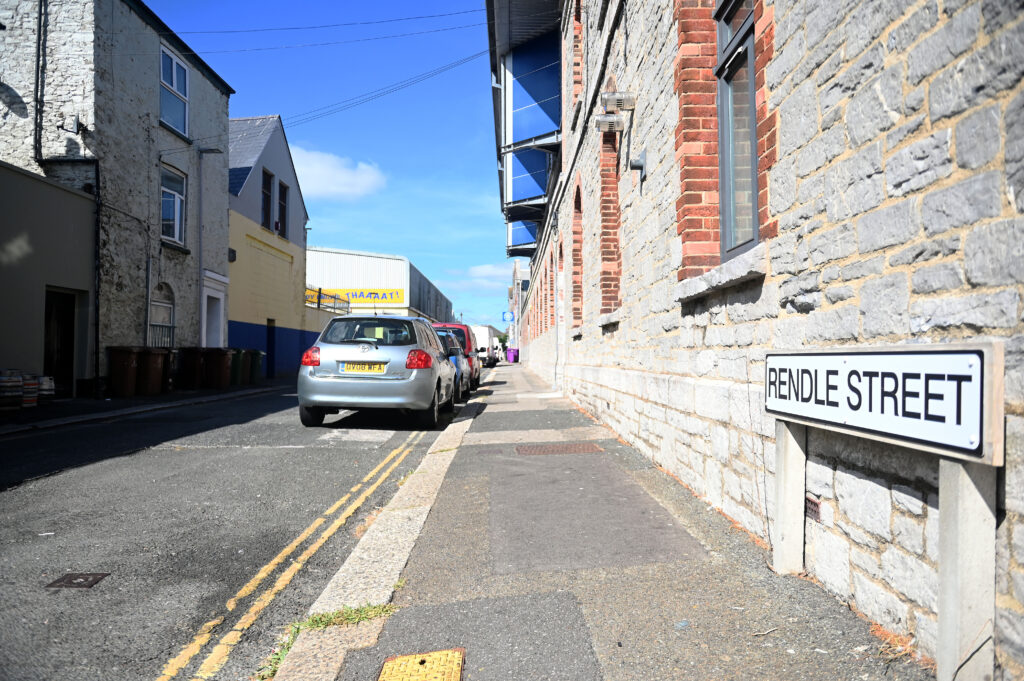
Catherine Hoar lived at 37 Rendle Street
Within days, the mutilated remains of an infant were discovered in two separate locations. A headless torso was found wrapped in rags in Adelaide Lane, while the child’s head was later recovered beneath Plymouth Hoe. The limbs were never found.
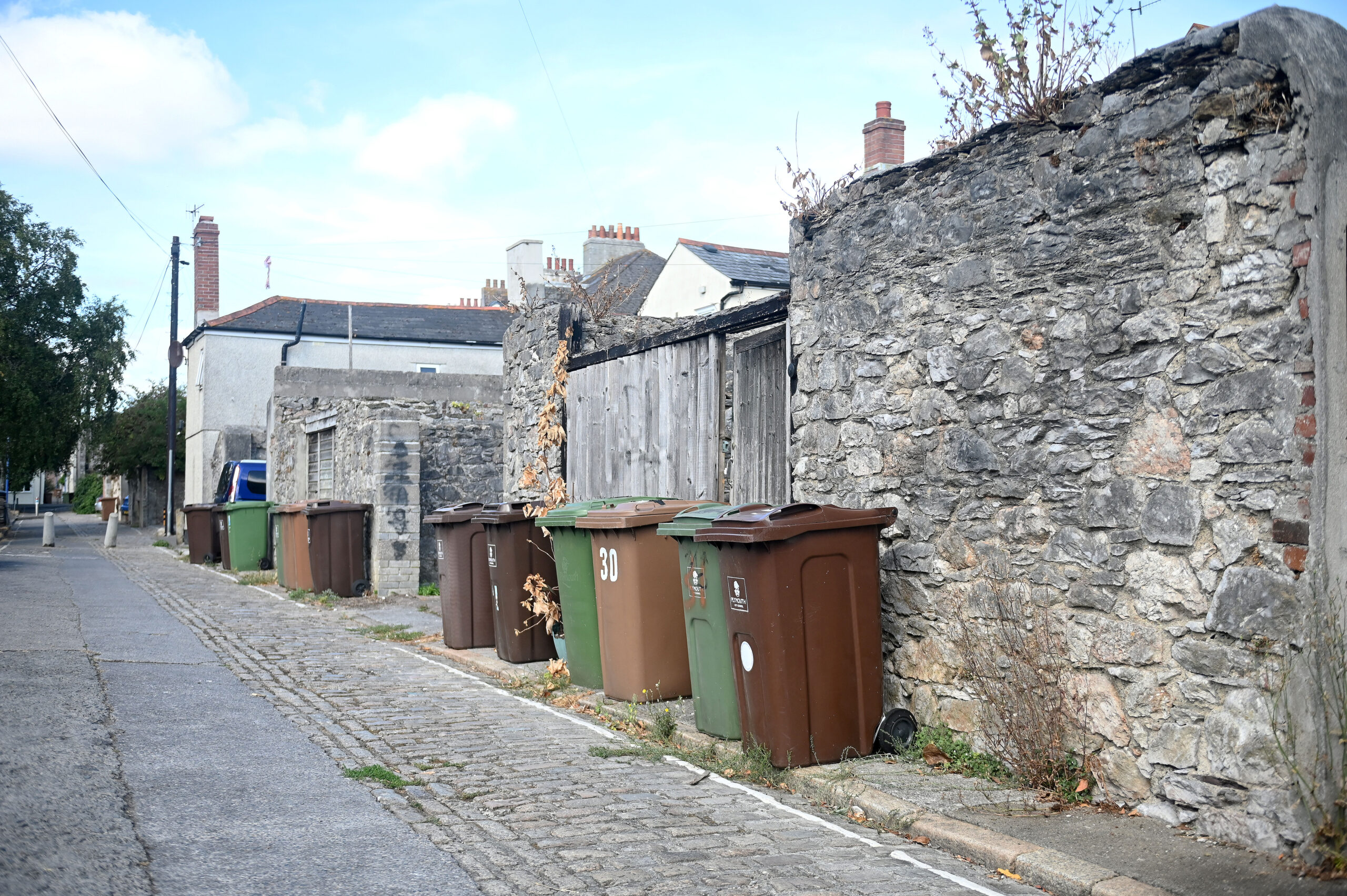
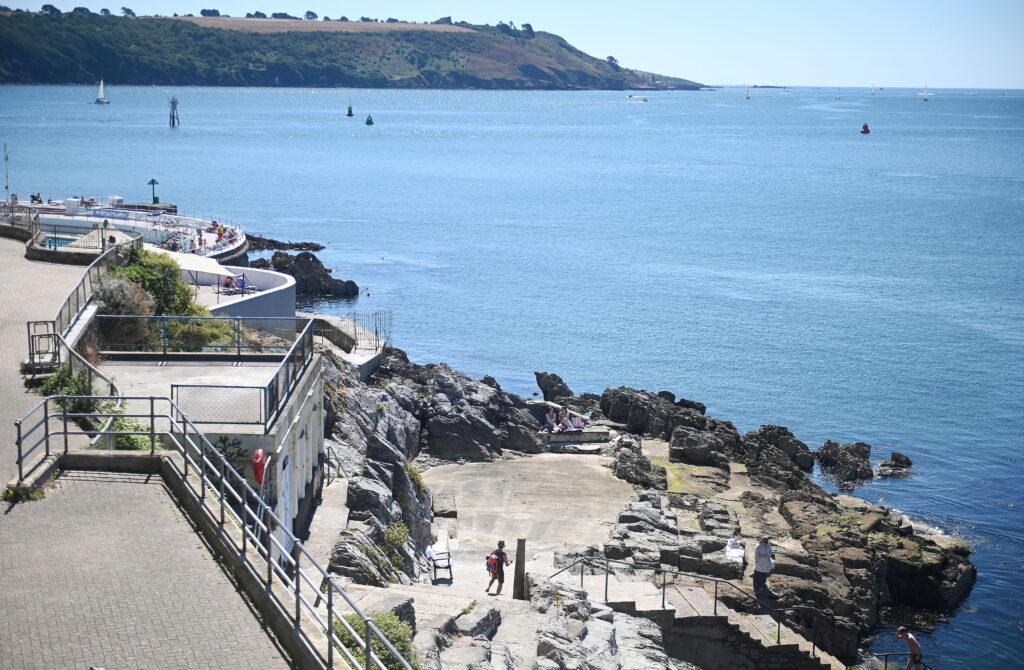
Frederick’s head was found on the Hoe by the ladies swimming area
Witnesses placed Hoar near the locations where the remains were discovered, while police recovered bloodstained clothing from her room. Medical evidence suggested the child had died before the body was dismembered. Despite the strength of the circumstantial evidence, there was no witness to the killing and no direct proof that Hoar had committed the murder.
At her trial in Exeter, Mr Justice Brett instructed the jury that the verdict could only be guilty of murder or not guilty. After around an hour of deliberation, the jury returned a verdict of not guilty. Contemporary reports state that the judge, visibly surprised by the decision, paused before dismissing the jury with the words: “You may go.”
Just two years later, another child murder shocked Devonport.
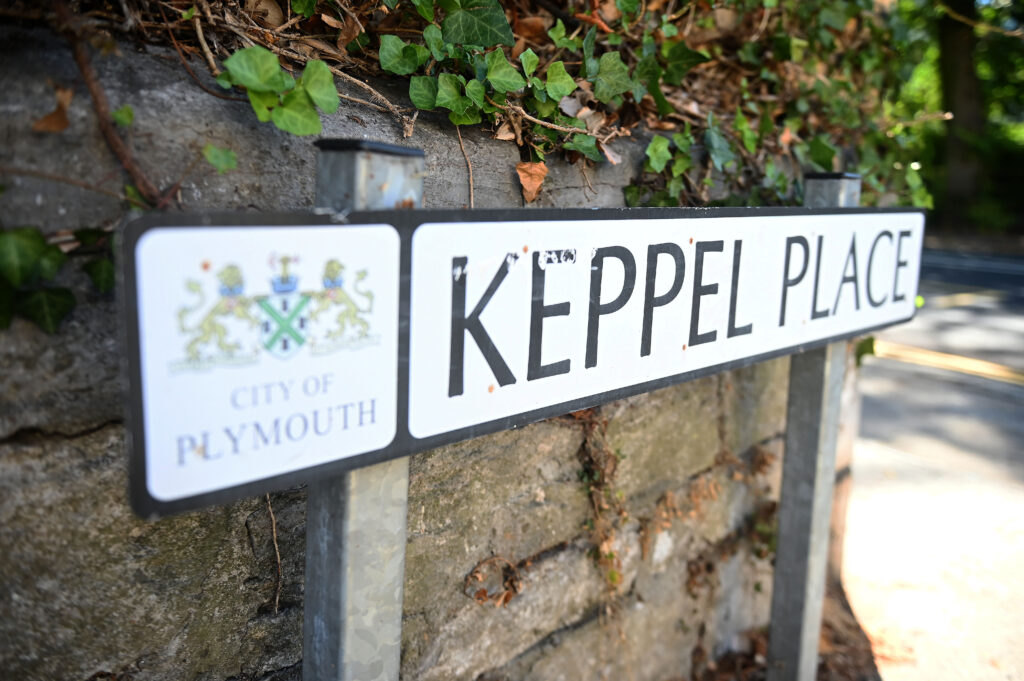
Where the Stoke school was situated
On 24 April 1876, William Isaac Robinson, a former Royal Navy man who ran a wood and coal business from Albert Road, took his young daughter, Gertrude Lucy Bremner Robinson, with him to Stoke Public Schools in Keppel Place, where he was employed to clean the building on Monday mornings.
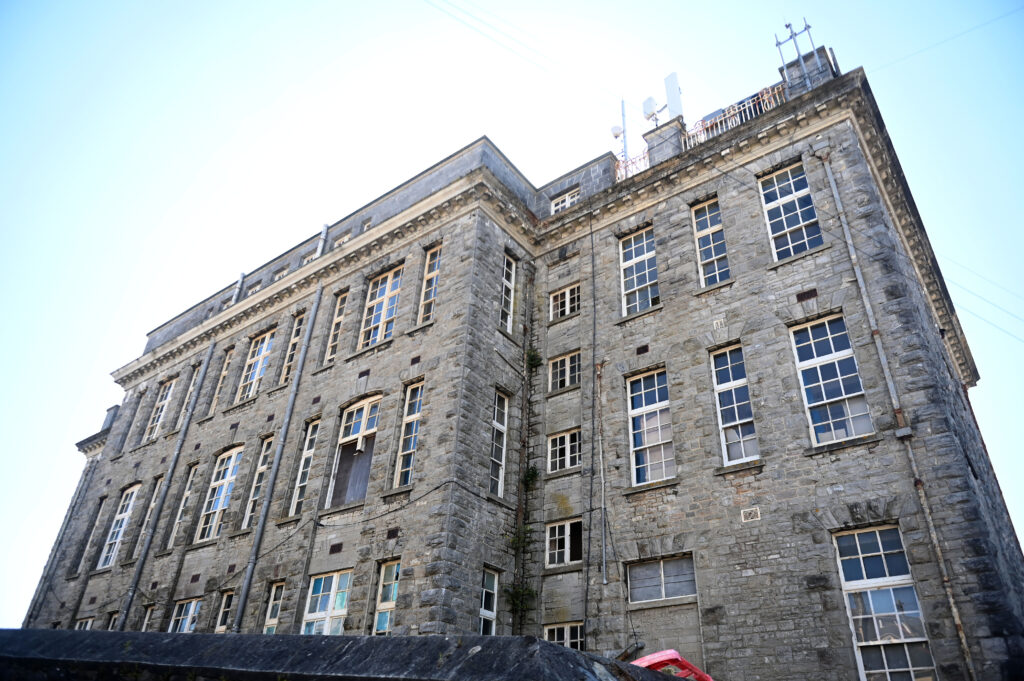
This is a newer school most likely built on the site of the original Stoke school
Instead, Robinson killed the four-year-old by cutting her throat with a dinner knife before locking the room and walking to Devonport Police Station, where he calmly confessed to the crime.
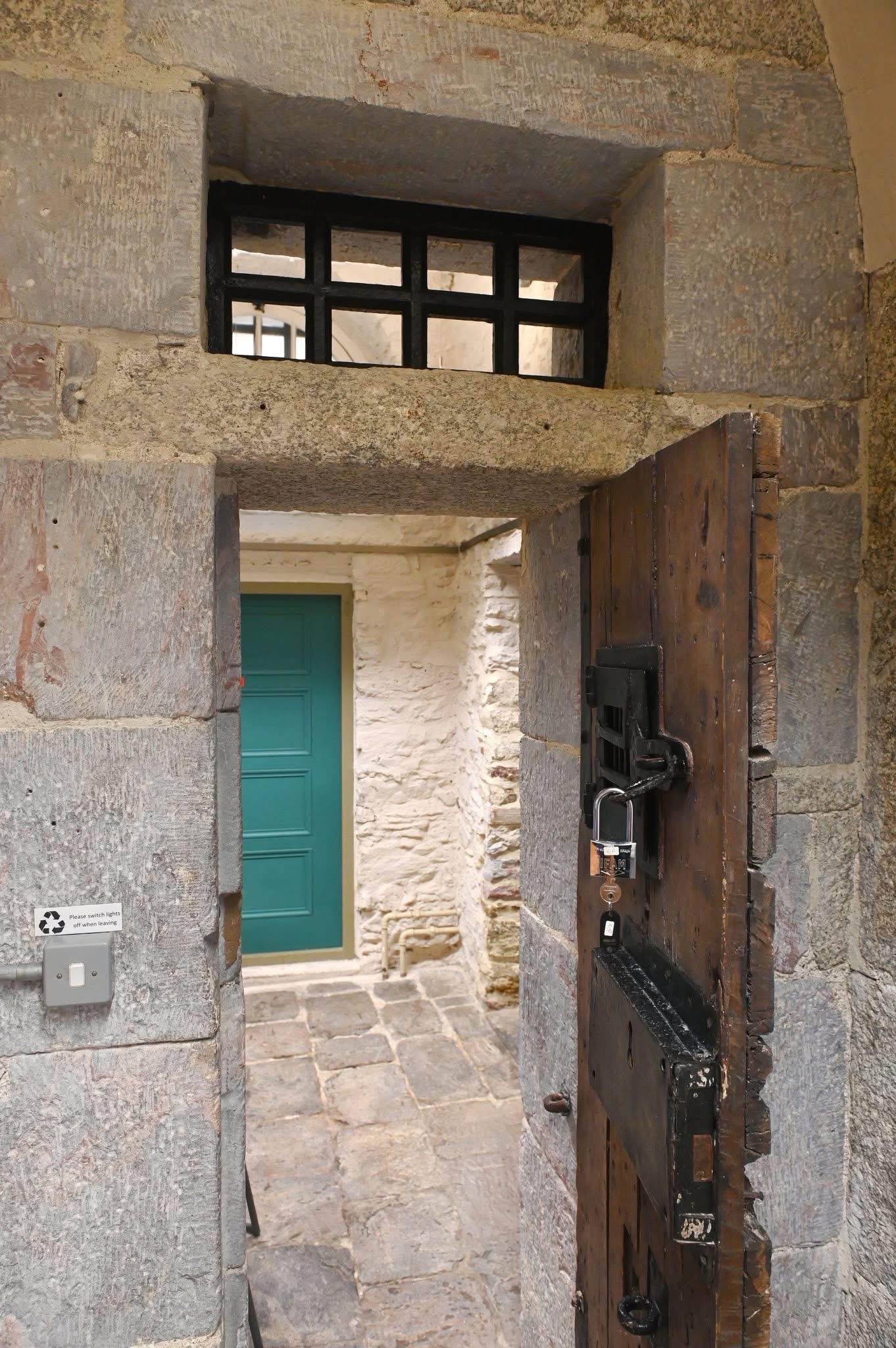
William Robinson may well of passed through these Devonport Guildhall Police cells
He told officers that he had intended to kill his other two children as well but had been unable to continue because the first killing had been “such an awful job”. Robinson claimed he believed he was saving his daughter from the worries that he felt had consumed his own life.
Evidence presented at trial showed Robinson had been drinking heavily in the weeks leading up to the murder and had made violent threats towards his family. Medical witnesses concluded that he was suffering from alcohol-induced mental illness, commonly described at the time as delirium tremens.
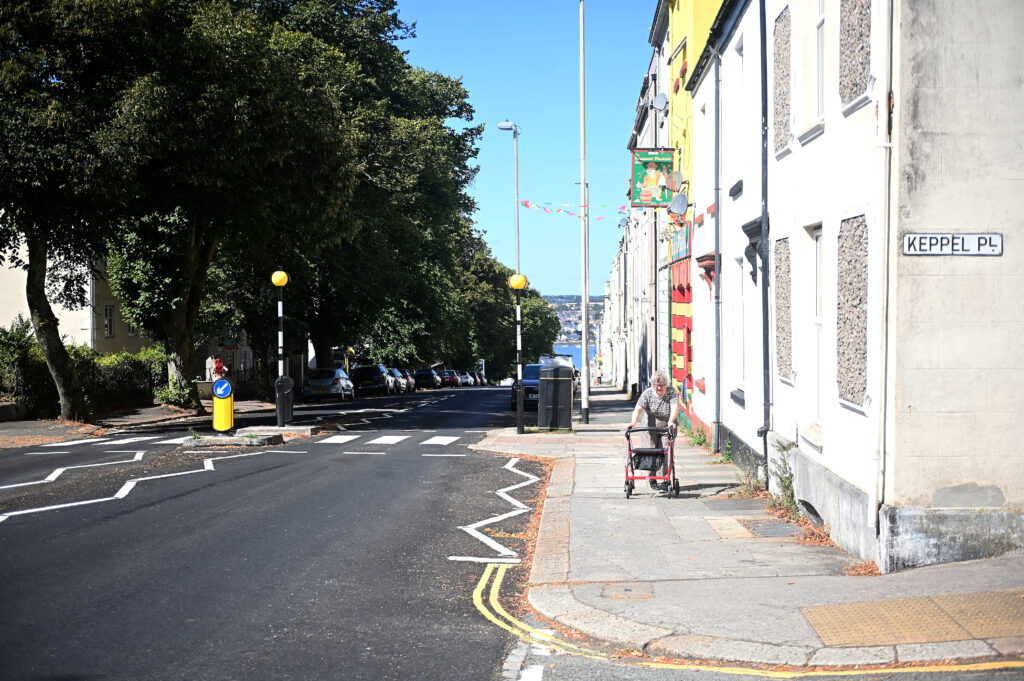
Keppel Place which meets the busy Albert Road pubs and tobacco shops
Although the coroner’s jury returned a verdict of wilful murder, Robinson was later found not guilty on the grounds of insanity at Exeter Assizes and was ordered to be detained during Her Majesty’s pleasure.
Today, several locations connected with both cases still survive. Rendle Street, Adelaide Lane, Plymouth Hoe, Albert Road, the former Stoke Public Schools in Keppel Place and Devonport Guildhall all remain as reminders of two of the darkest chapters in Plymouth’s Victorian history.
More than 150 years later, these tragic cases continue to stand out not only for the horrific crimes themselves, but also for the very different verdicts that followed. One ended in a complete acquittal despite compelling circumstantial evidence, while the other resulted in an insanity verdict following a full confession. Together, they remain among the most extraordinary criminal cases ever heard in connection with Victorian Plymouth.
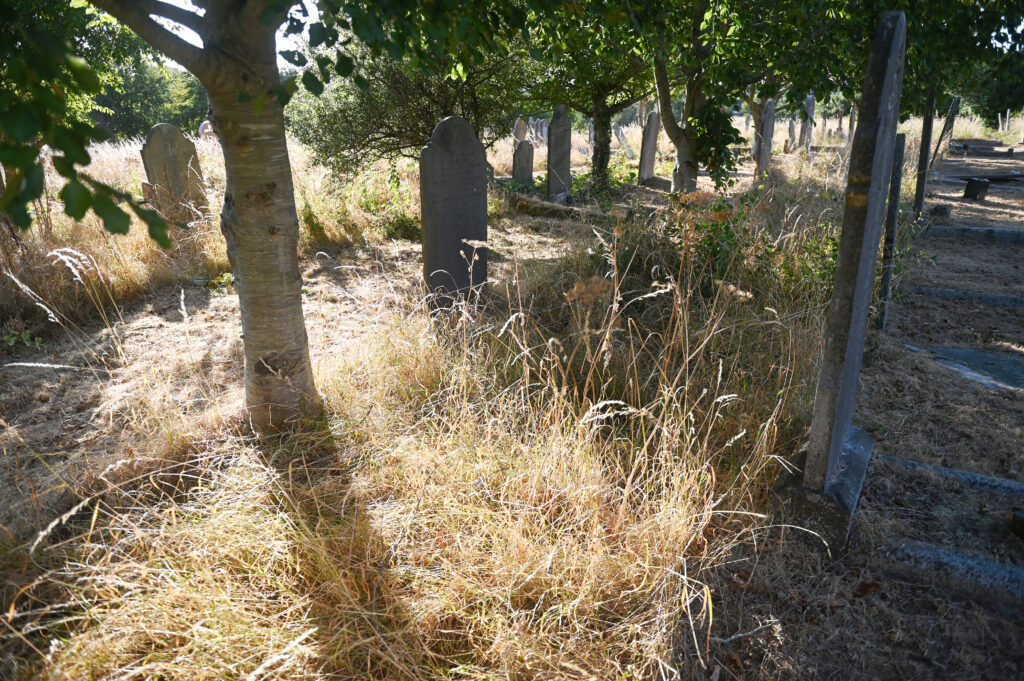
The unmarked grave of Gertrude Robinson
Photographs © Wayne Perry / Plymouth Post