Inside Plymouth’s Prysten House: The 500-Year-Old Building That Still Holds Medieval Plymouth Beneath Its Floors
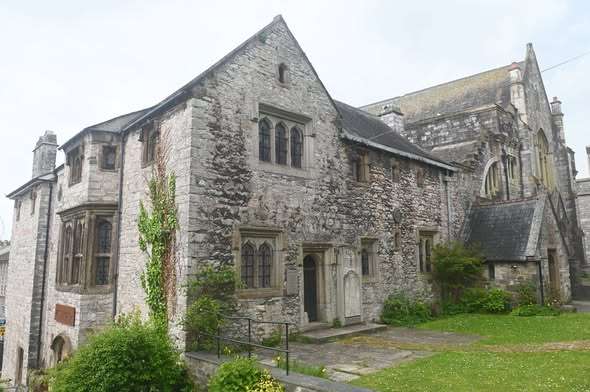
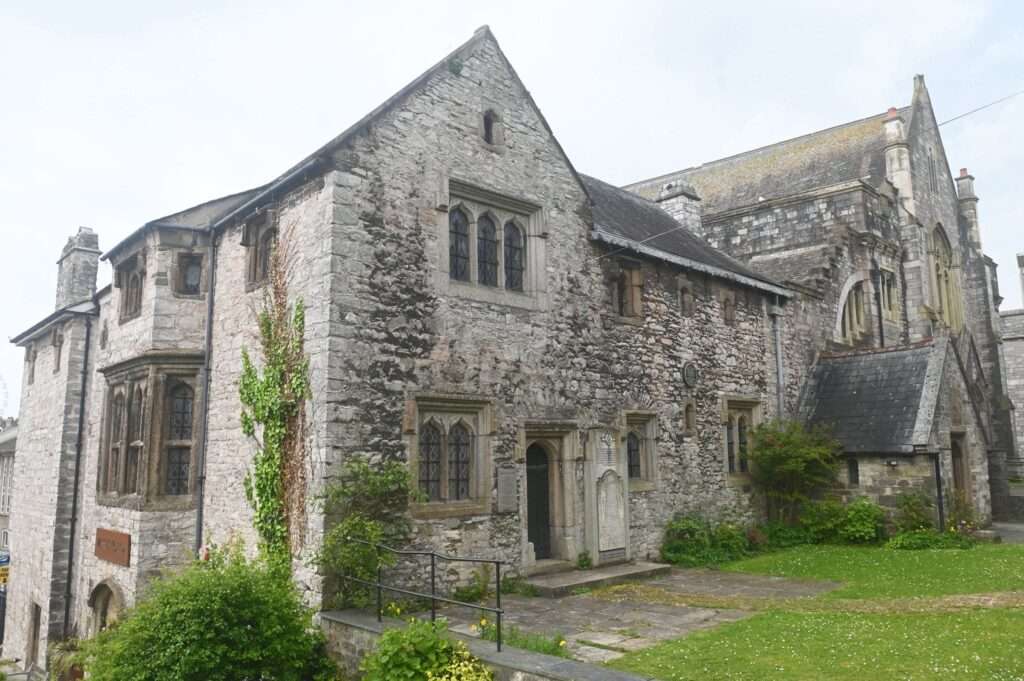
Tucked beside St Andrew’s Minster in the centre of modern Plymouth stands one of the city’s oldest surviving buildings, Prysten House, a rare surviving fragment of the medieval town that existed long before post-war rebuilding transformed the city centre.
While traffic, shops and modern life move around it every day, stepping through the courtyard entrance feels like entering a different Plymouth entirely.
Built around 1498 for wealthy merchant Thomas Yogge, Prysten House dates from a period when Plymouth was rapidly growing as an important maritime and trading port. Merchants like Yogge were among the most influential figures in the town, controlling trade, property and civic life as Plymouth’s links with shipping and overseas commerce expanded.
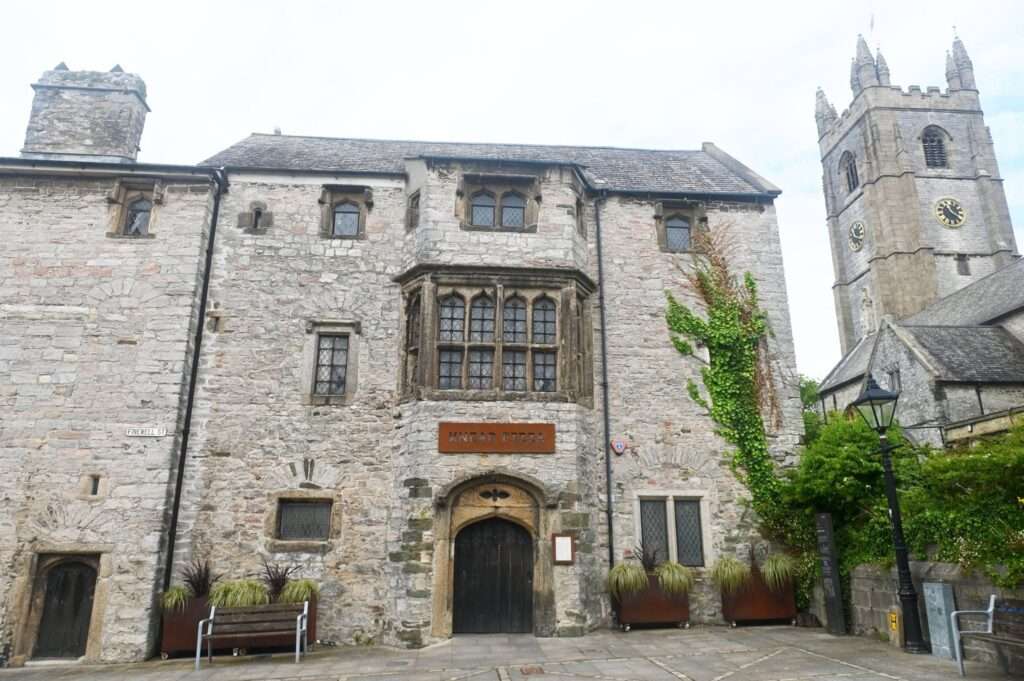
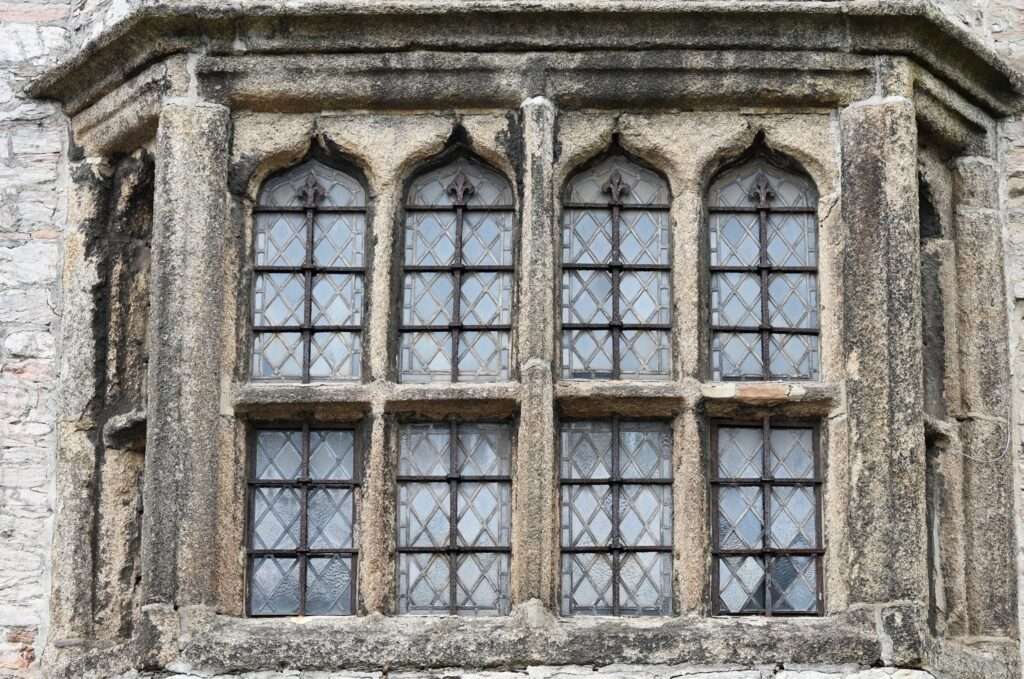
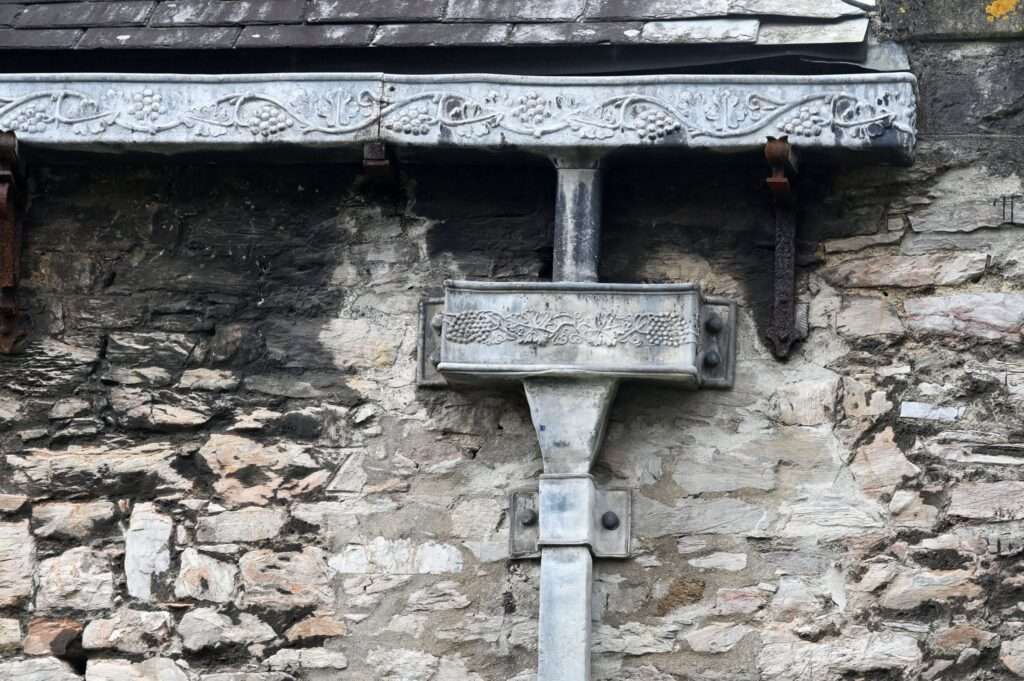
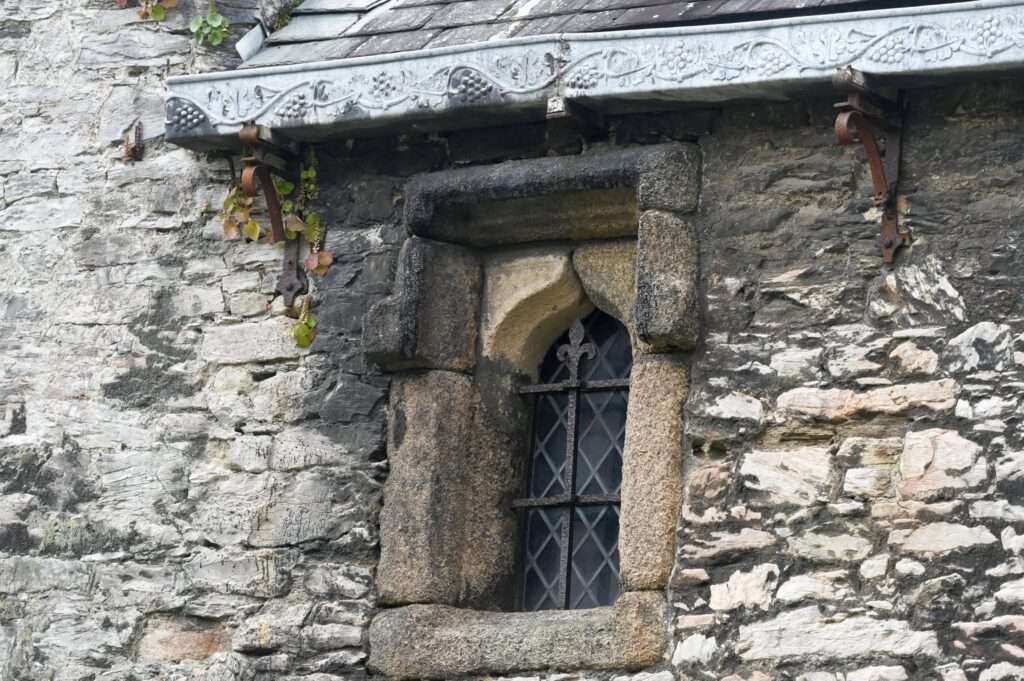
The building itself reflected that status. Constructed from granite with carved stone detailing, Prysten House was designed as both a residence and a place of business — something common among prosperous Tudor-era merchants whose homes often doubled as commercial premises.
Although much of Plymouth’s medieval centre disappeared over the centuries through redevelopment, war damage and urban expansion, Prysten House survived. Today it remains one of the clearest physical links to the city that existed before Drake, before the Civil War, and long before the Blitz reshaped Plymouth in the 20th century.
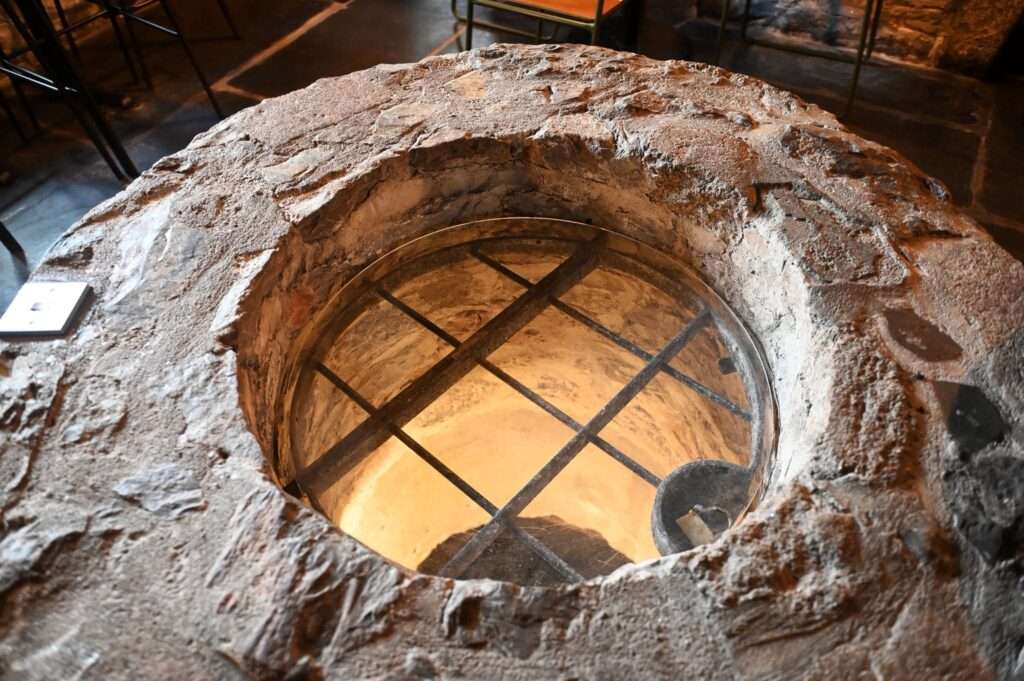
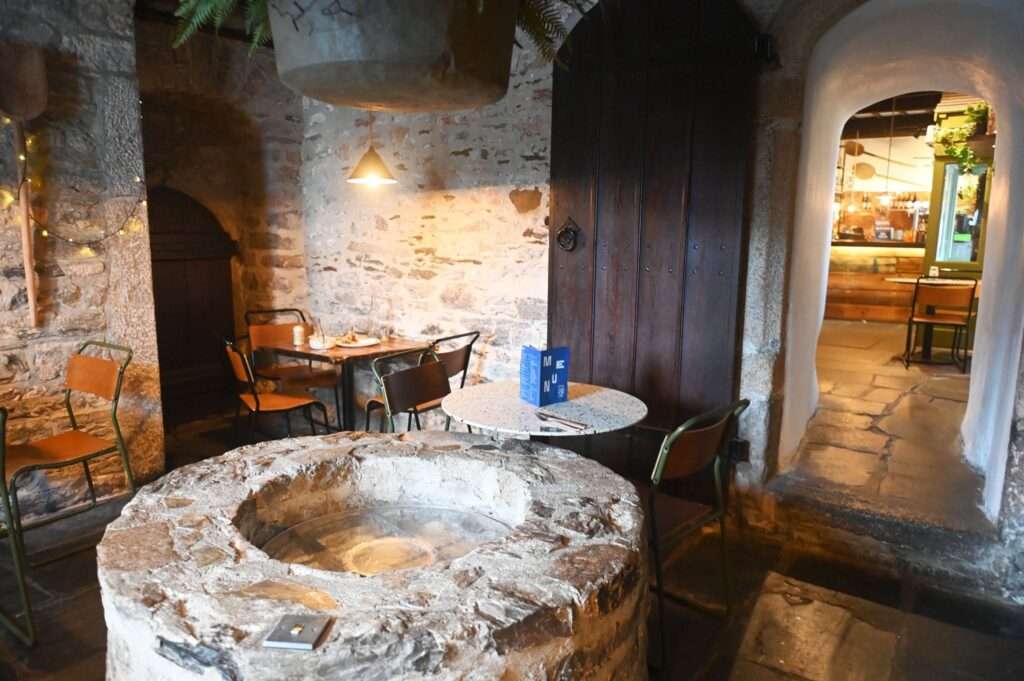
One of the building’s most intriguing surviving features lies hidden inside on the ground floor, a stone-lined medieval well.
The well is a rare survival within the modern city centre and offers a direct glimpse into everyday life centuries ago, when access to clean water depended on private wells and local water sources rather than modern infrastructure. Its presence is also associated with the origins of Finewell Street, the historic street name which references a “fine well” once known in this area of Plymouth. While historians cannot definitively prove the exact connection, the survival of the well inside Prysten House strongly reinforces that long-standing local association.
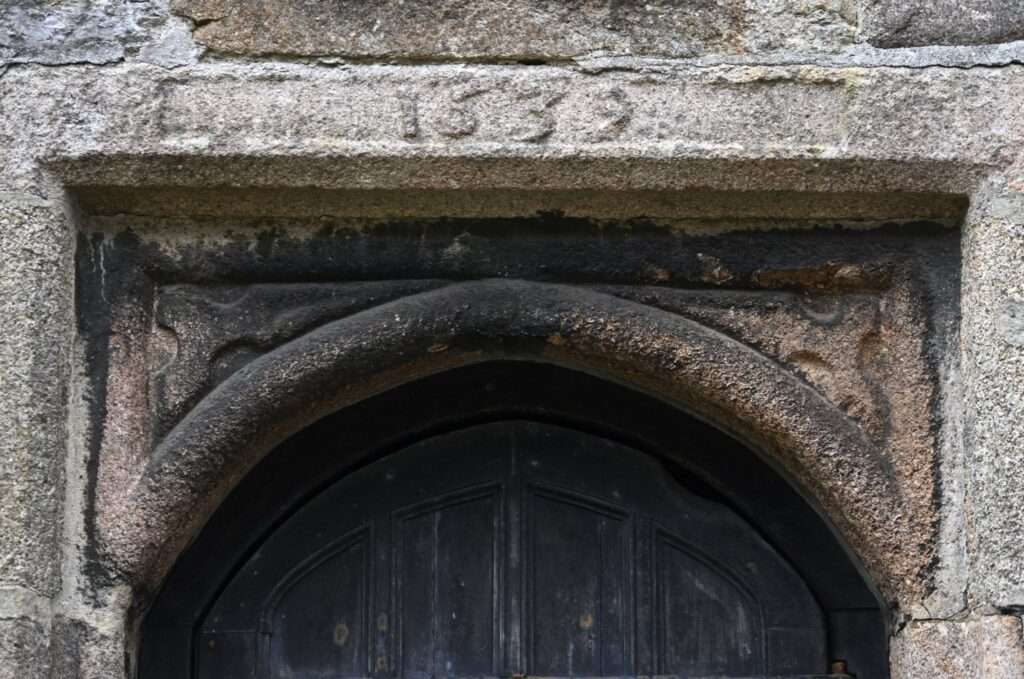
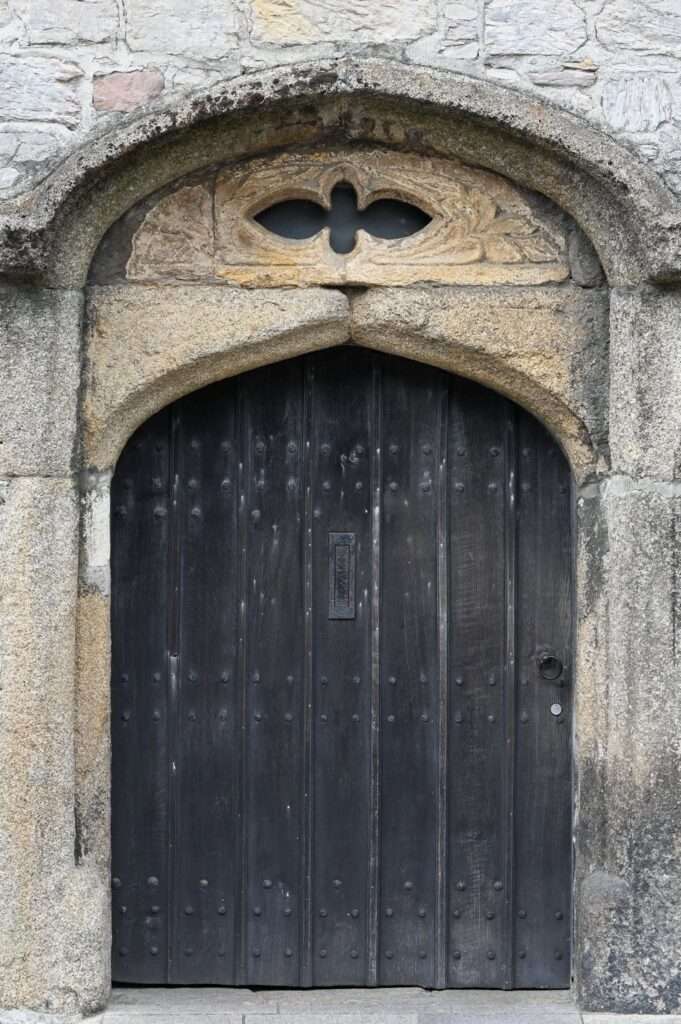
Elsewhere in the building are signs of how Plymouth evolved through later centuries. One notable feature is a carved stone lintel dated 1639.
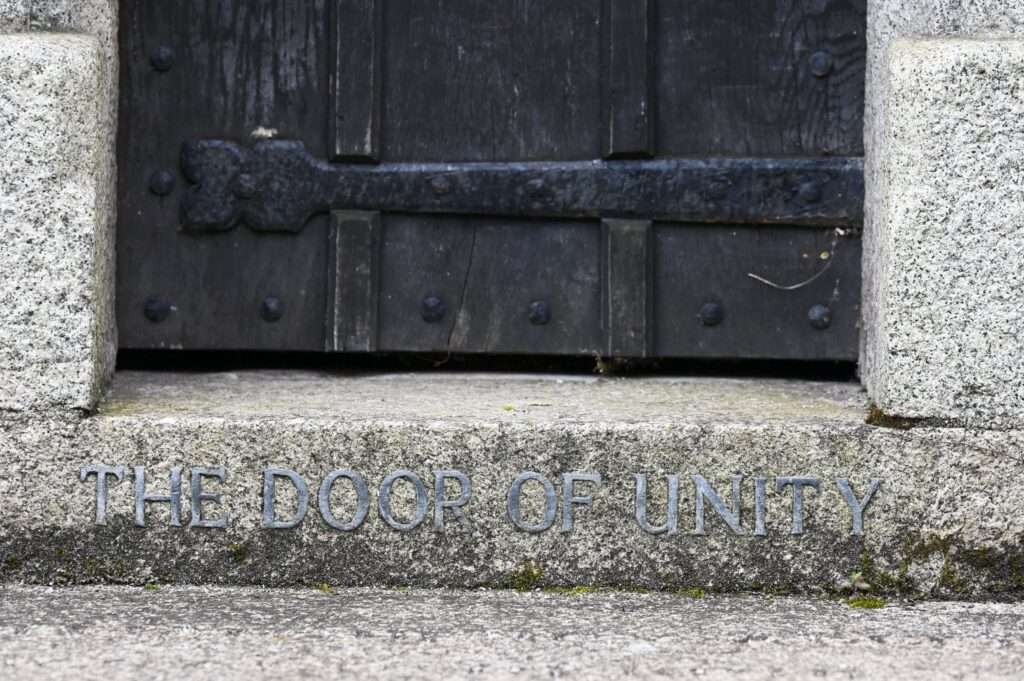
Another unusual feature is the “Door of Unity”, intended to symbolise friendship and reconciliation between Britain and the United States following conflict during the early 19th century. Its presence shows how Prysten House gradually became more than simply a merchant’s residence, evolving into a place connected with civic memory and international symbolism as well as local history.
Inside today, the building contains displays connected to Plymouth’s wider story. Which help connect the medieval building to the city’s later wartime history and the devastation of the Blitz.
Prysten House is also home to the Plymouth Tapestry, a major embroidered artwork completed in 2000 after years of work by artist Tom Mor and volunteers. The tapestry depicts scenes from across Plymouth’s history, linking centuries of local stories together within one of the city’s oldest surviving structures.
Perhaps what makes Prysten House so remarkable is not simply its age, but the layers of history it contains. Medieval trade, Tudor rebuilding, civic symbolism, wartime memory and modern heritage preservation all exist within the same building.
In a city where so much historic architecture was lost, Prysten House remains a rare survivor, a place where fragments of medieval Plymouth still exist within the modern city centre.
Photographs and Video © Wayne Perry / Plymouth Postt