Long before tourists lined the Barbican or naval ships filled the Sound for modern celebrations, Plymouth found itself at the centre of one of the most extraordinary moments in European history.
26th July for ten dramatic days in the summer of 1815, the most powerful and feared man on the continent sat imprisoned just offshore while crowds from across the South West flocked to the waterfront hoping to see him with their own eyes.
That man was Napoleon Bonaparte.
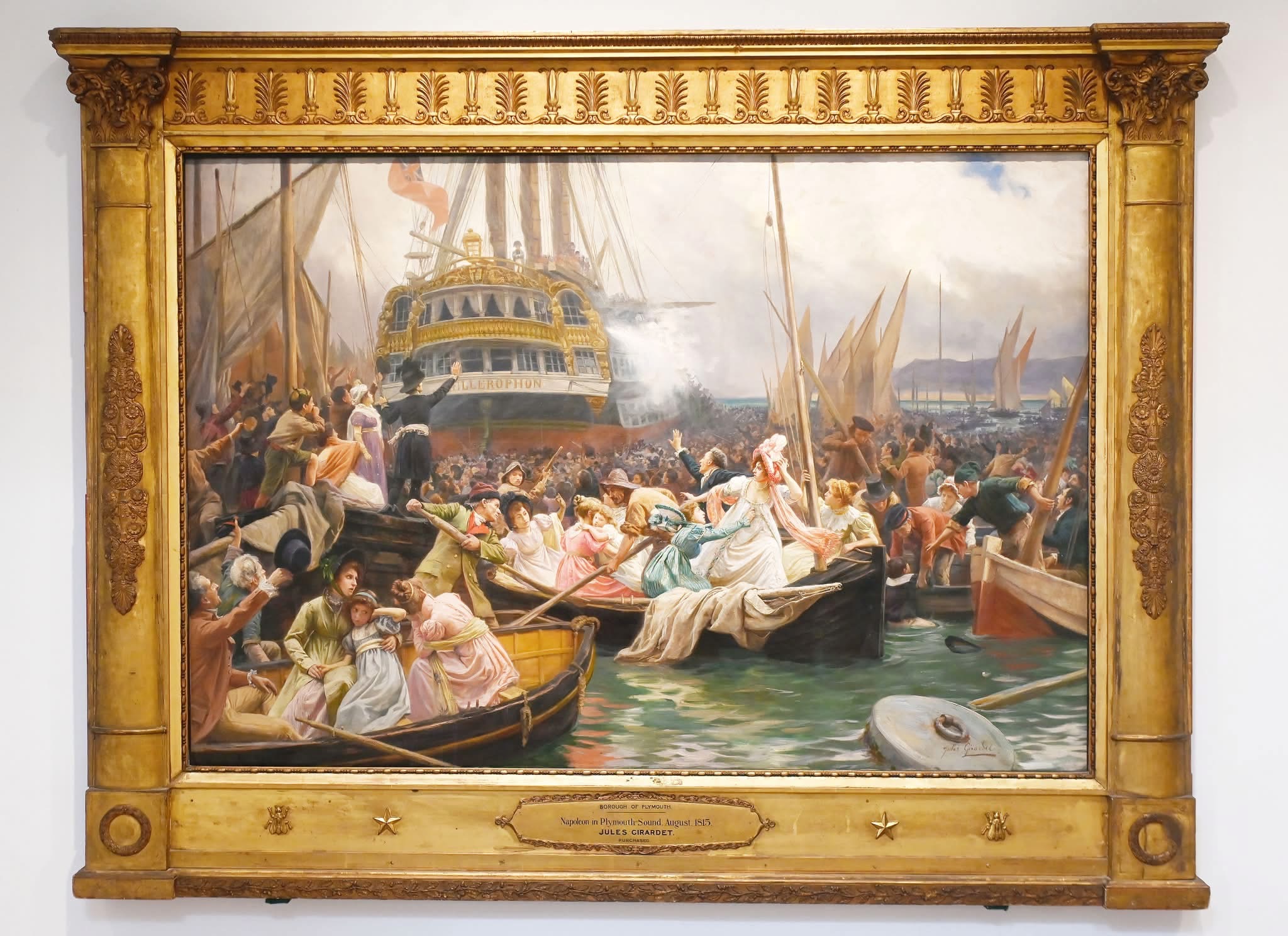
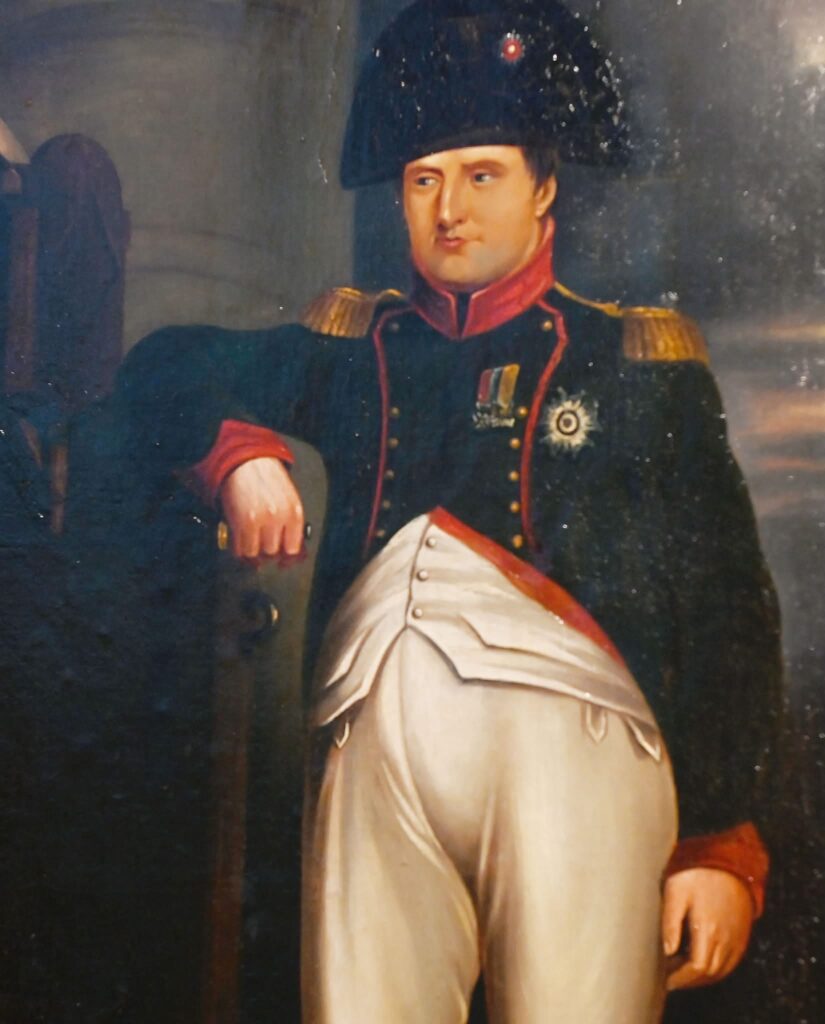
Fresh from defeat at the Battle of Waterloo, the former French emperor arrived in Plymouth Sound aboard HMS Bellerophon after surrendering to the British. Europe had spent years at war, and entire generations had grown up with Napoleon dominating headlines, battlefields, and politics across the continent. To many Britons he was a villain responsible for bloodshed and instability. To others, he was a military genius who had reshaped Europe through sheer force of will.
Now suddenly he was here not charging across Europe at the head of an army, but trapped aboard a Royal Navy warship floating in Plymouth Sound. And the city could hardly believe it.
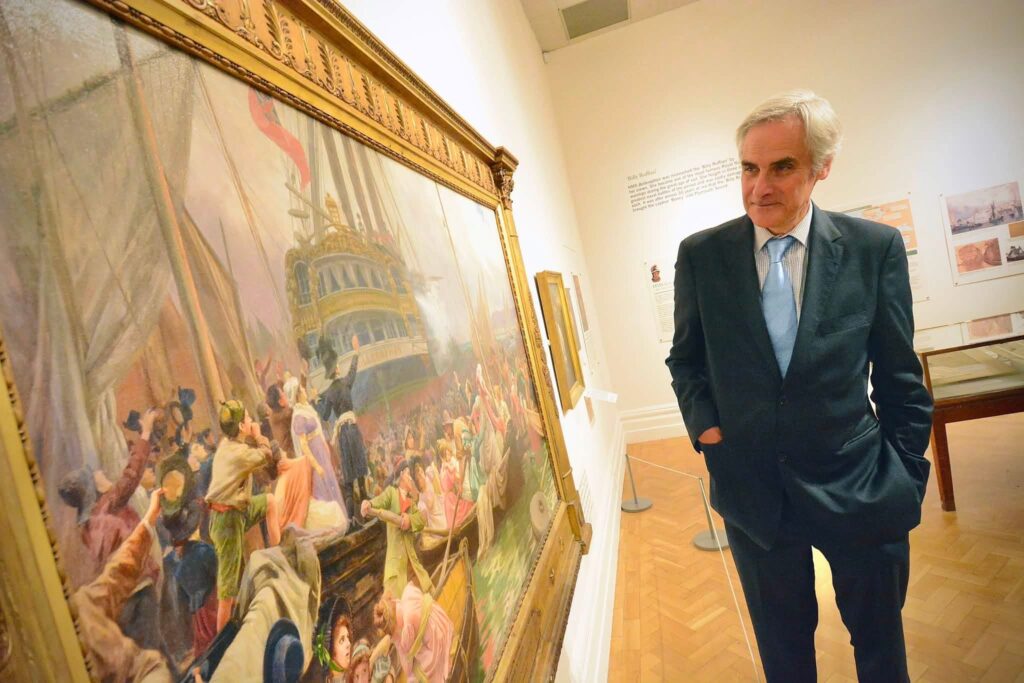
Word spread quickly through Plymouth that Napoleon himself had arrived. Before long, the waterfront and Hoe were crowded with people trying to catch sight of the fallen emperor. Small boats packed with curious onlookers gathered around the vessel from dawn until dusk. Families, sailors, merchants, and visitors all wanted the same thing a glimpse of the man who had terrified Europe for years.
People stared towards the ship through telescopes. Artists sketched scenes from the water. Boatmen reportedly charged passengers for the chance to get closer to the vessel.
The chaos on the water quickly grew out of hand, forcing the Royal Navy to establish a strict exclusion zone around the Bellerophon. Guard boats patrolled the perimeter constantly, and sailors even resorted to firing warning shots into the water and dropping heavy oars onto any civilian vessels that tried to slip past the boundary.
For Plymouth, it must have felt as though history itself had anchored just offshore, guarded by a ring of steel.
Yet despite being so close to the town, Napoleon never truly entered it.
He remained confined aboard the ship while the British government debated what should happen to him. There were fears he could escape if allowed onto mainland Britain. After all, this was a man who had already returned once from exile to reclaim power in France. Nobody wanted history repeating itself.
As the security situation escalated, authorities eventually moved the ship to the quieter waters of Cawsand Bay to ease the pressure caused by Plymouth’s constant stream of sightseers.
So while ordinary residents crowded the shoreline watching him from afar, Napoleon spent his days pacing the decks of HMS Bellerophon under guard, staring out across the same waters.
It is strange to imagine the contrast.
Behind him lay years of war, empire, and conquest. Ahead of him was exile and isolation.
The Sound itself would have looked very different then. The naval dockyard was alive with activity, warships dominated the harbour, and the city still carried the atmosphere of a strategic military port at the height of Britain’s struggle against France. The smell of salt water, smoke, and tar would have drifted across the harbour as rumours spread through the streets that the emperor himself was sitting just offshore.
Eventually, the British authorities reached their decision.
Napoleon would not remain anywhere near mainland Europe. Instead, he would be transported thousands of miles away to the remote island of St Helena in the South Atlantic a bleak volcanic outpost chosen precisely because escape would be almost impossible.
More than two centuries later, reminders of those dramatic days still survive around the city.
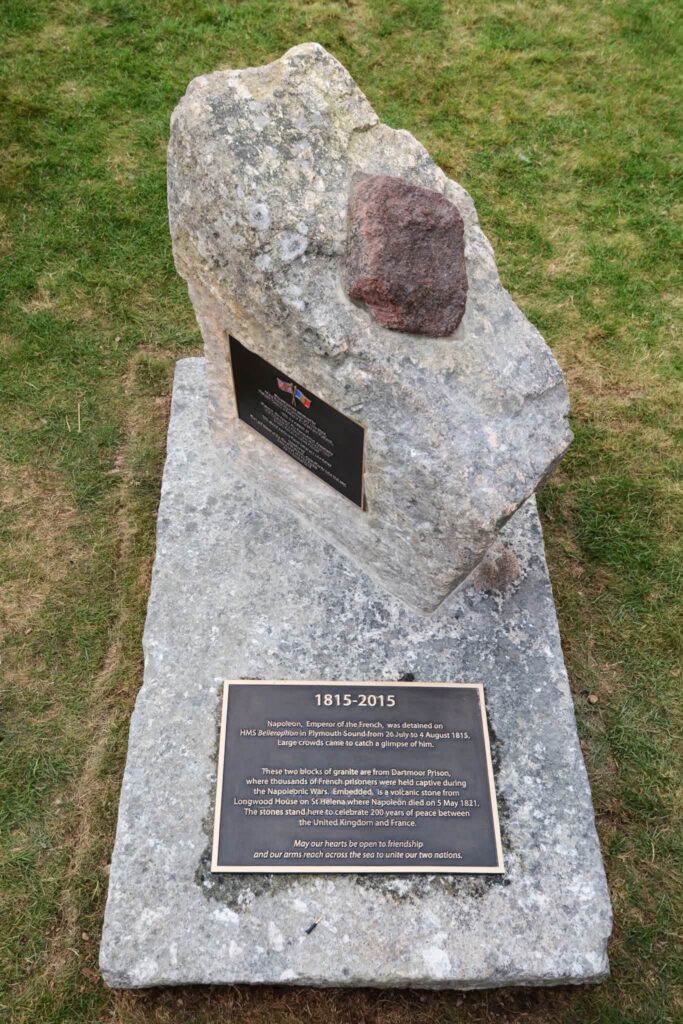
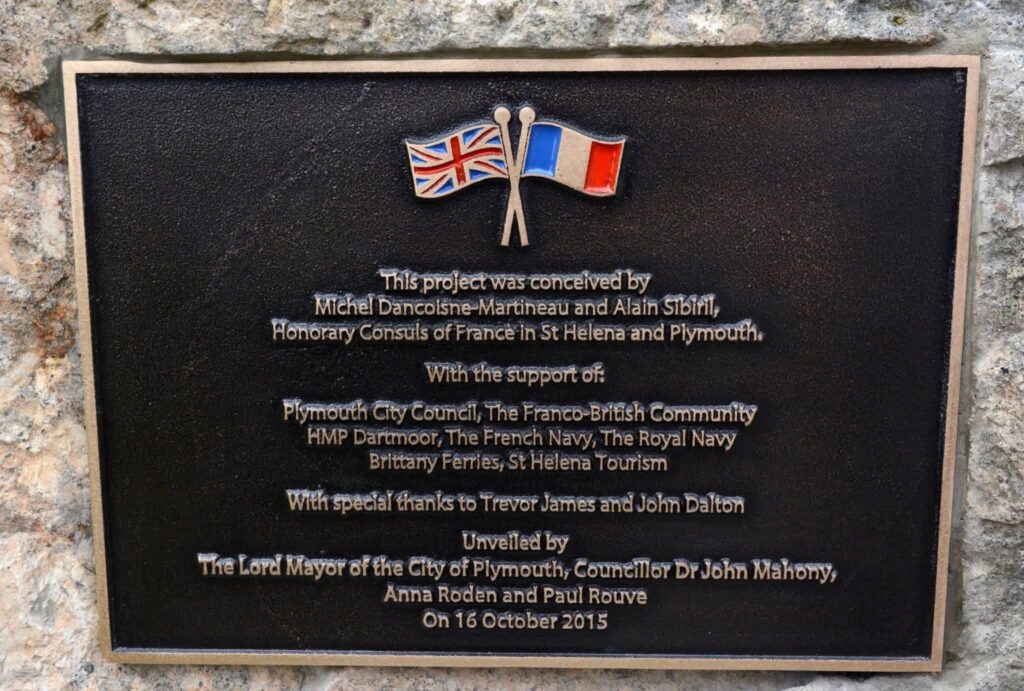
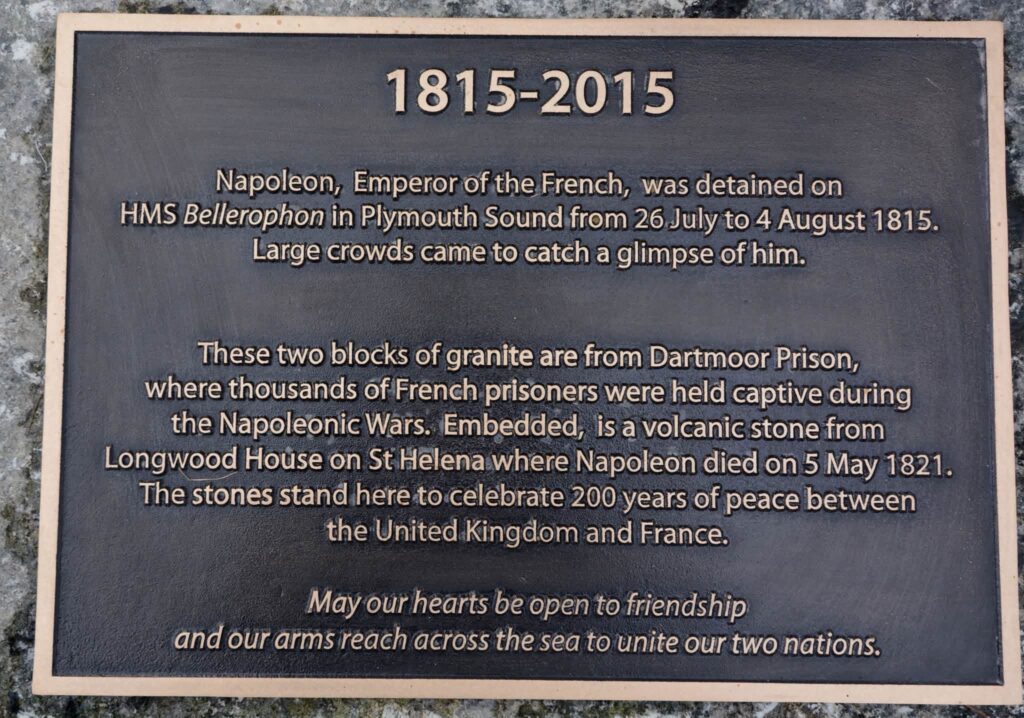
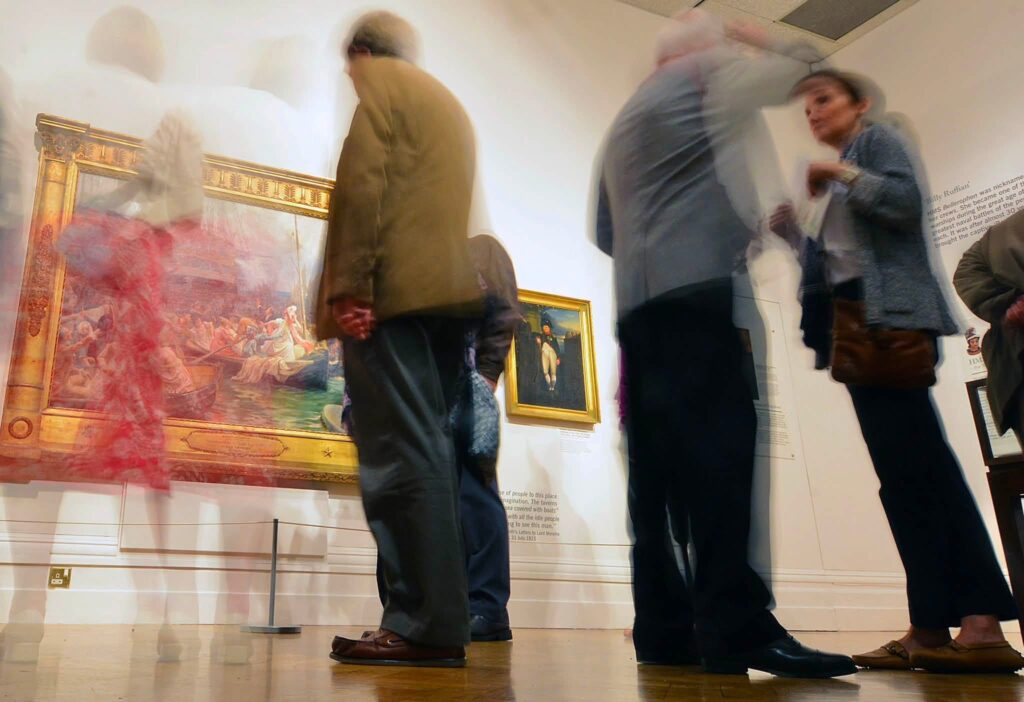
A memorial overlooking the Sound marks the location connected with Napoleon’s captivity, linking Plymouth forever with one of the defining figures of the 19th century. The memorial is also said to contain a brick from Longwood House on St Helena, where Napoleon spent his final years in exile. In 2015, Plymouth also commemorated the bicentenary of his arrival with a major exhibition exploring the city’s role in the story. Historic paintings, artefacts, and displays brought the strange atmosphere of that summer back to life when crowds gathered along the waterfront to watch the defeated emperor sitting silently aboard a ship in the Sound.
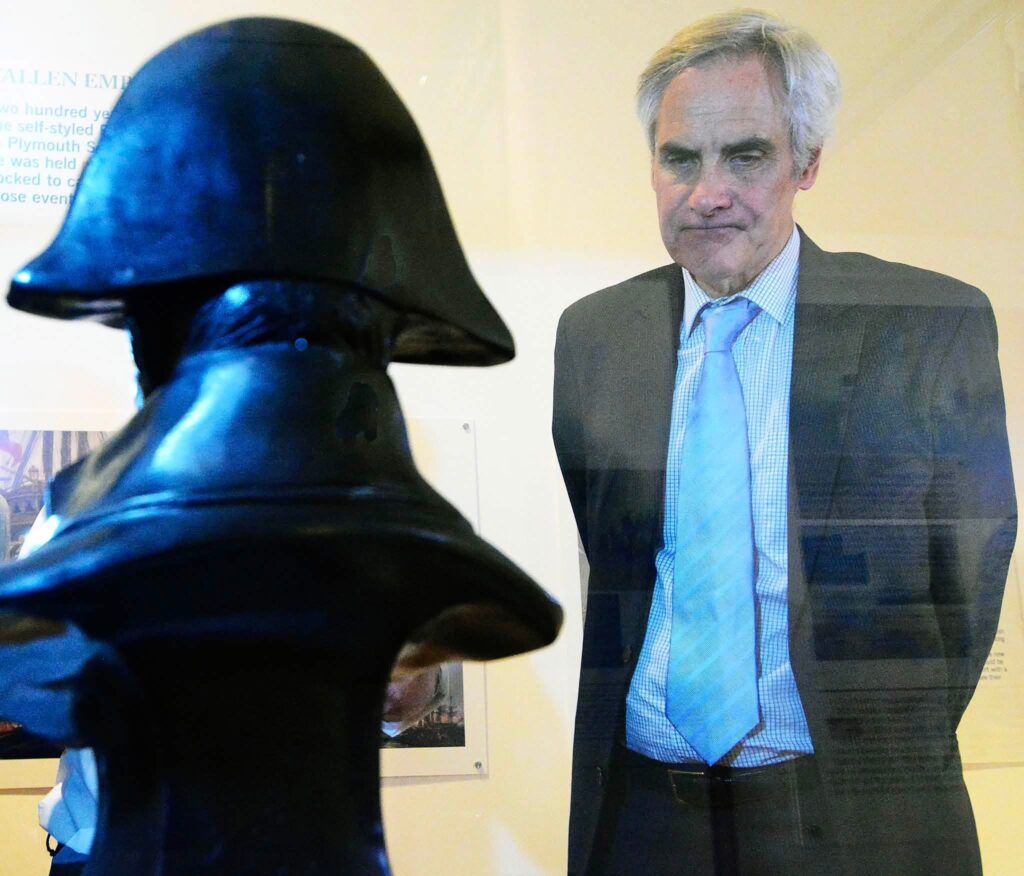
Among those attending the commemorations was Charles Bonaparte, a descendant of Napoleon himself, underlining how Plymouth’s brief role in one of history’s greatest stories still echoes today.
Most people walking past the memorial now may never realise quite how extraordinary those days were.
But for a short time in 1815, the eyes of Europe were fixed on Plymouth.
Photographs © Wayne Perry / Plymouth Post