
D-Day time capsule discovered behind false wall during renovation in St Budeaux
A decorating job inside a property in Sunny Dene, St Budeaux has led to the discovery of what residents are calling a hidden Plymouth “time capsule” after vintage era material and military memorabilia were uncovered behind a false wall.
Workers renovating the house were stunned when sections of boarded over wall revealed a collection of preserved posters, old markings and handwritten messages hidden away for decades.
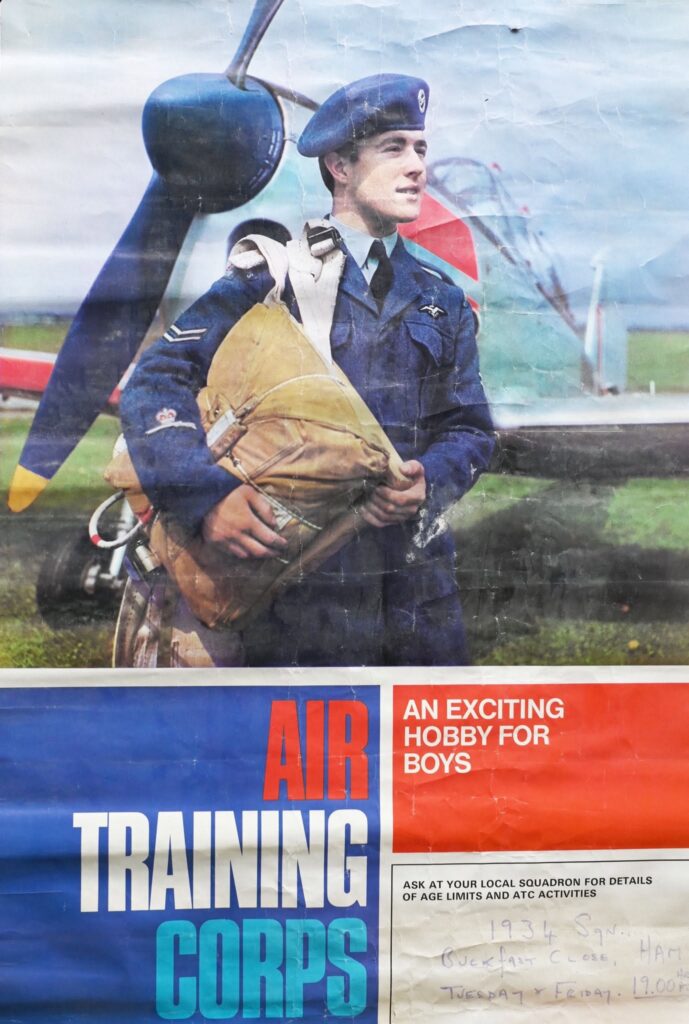
Among the finds were posters linked to Plymouth’s former 1934 (Ham) Squadron Air Training Corps unit a squadron once based at Buckfast Close in the Ham area of the city, near North Prospect.
The squadron operated for decades from a standalone cadet hut tucked away just off Ham Drive, where generations of Plymouth teenagers attended parade nights, drill training and aviation lessons before the site was eventually closed and later redeveloped into flats.
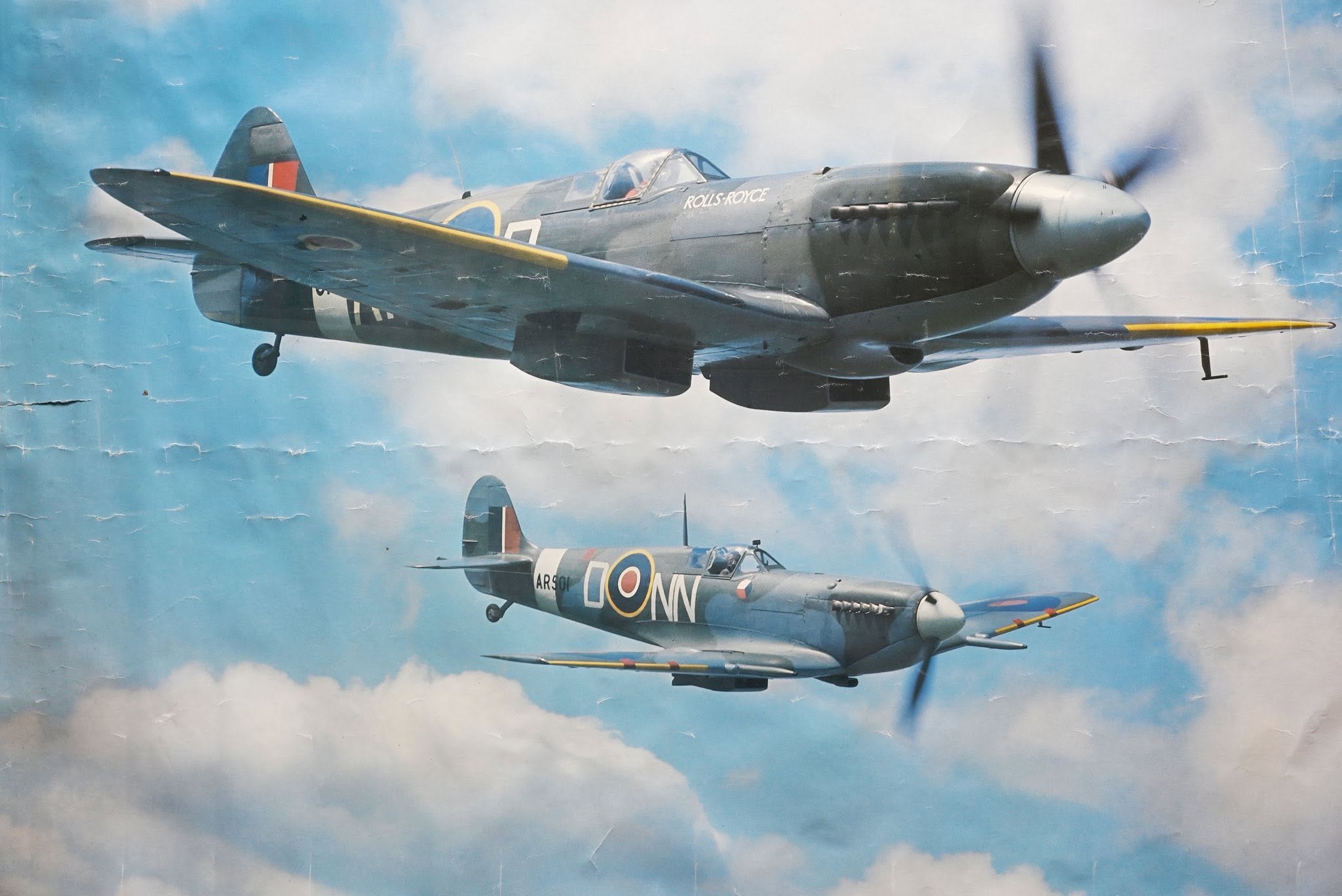
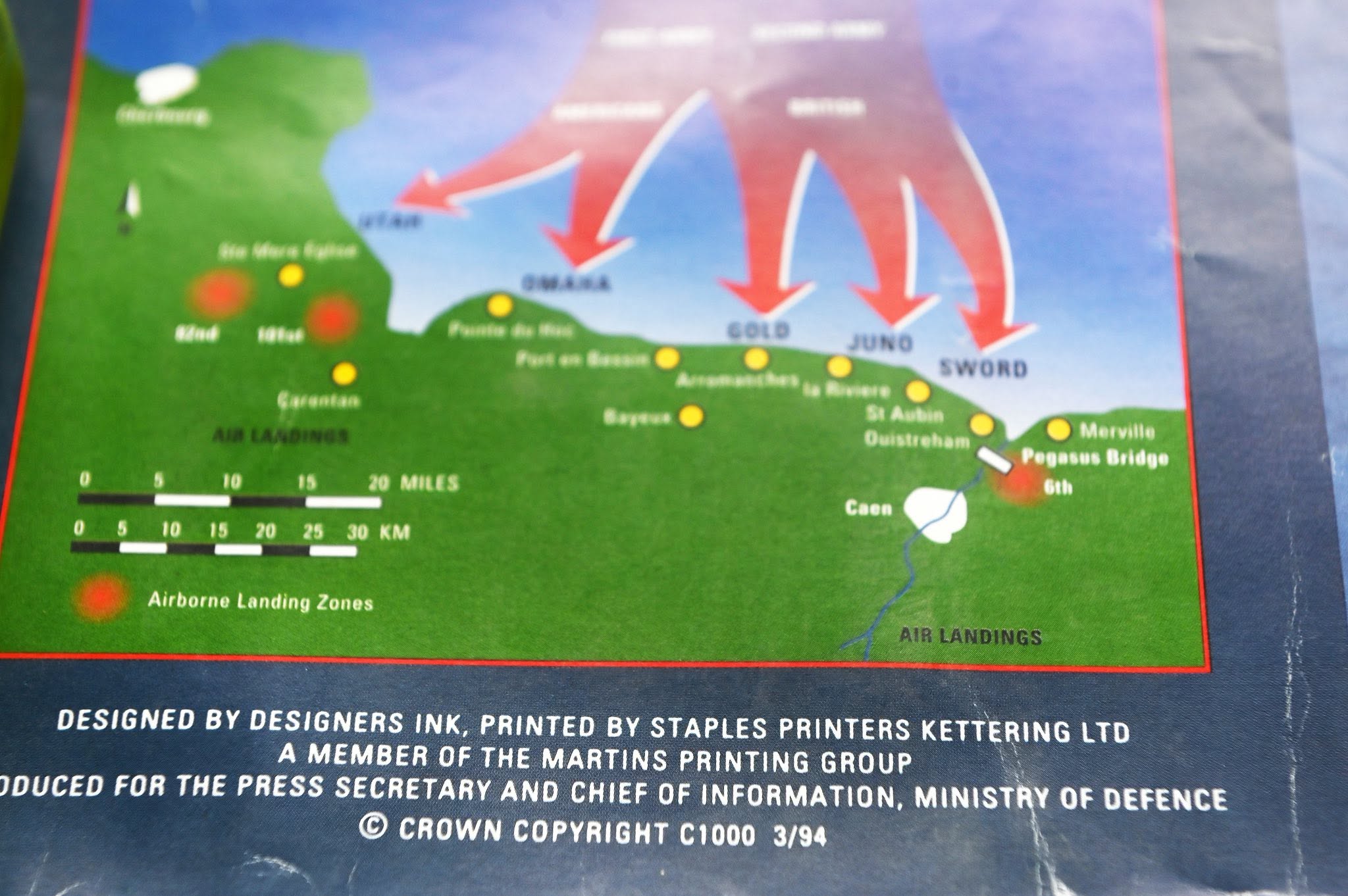
One of the posters discovered behind the wall appears connected to D-Day 50th anniversary commemorations rather than the Second World War itself, suggesting the hidden display may have been created decades later as part of remembrance activities linked to the Normandy landings and Plymouth’s wartime role.
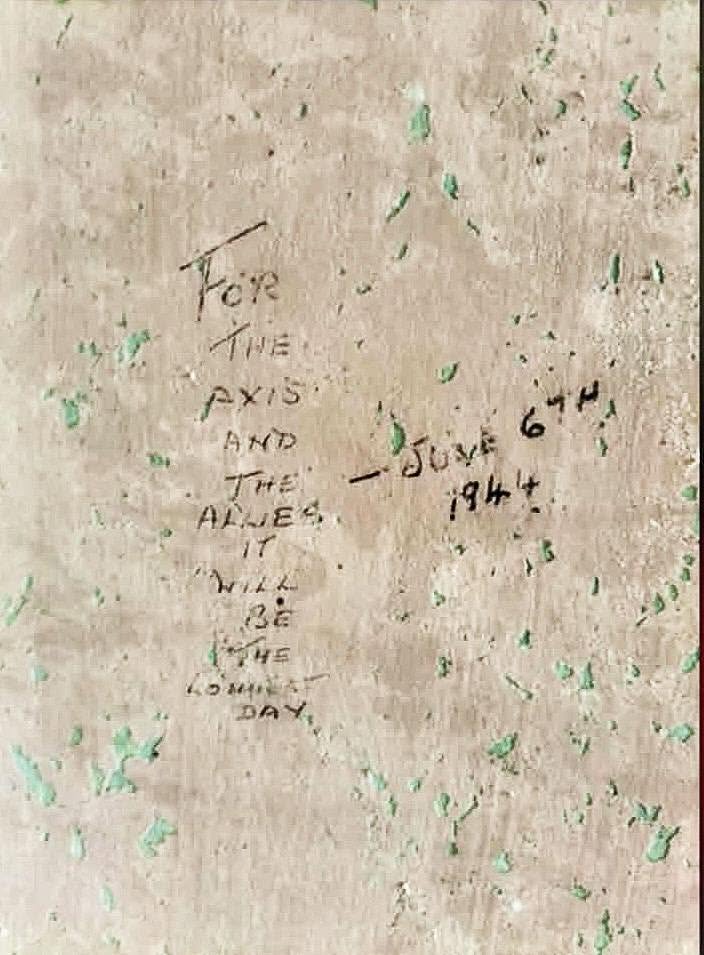
The most striking discovery was a handwritten message scrawled directly onto the original plasterwork, reading: “For the Axis and the Allies, it will be the longest day June 6th, 1944.”
While its exact origin is unclear, the wording closely echoes D-Day references and is likely linked to later commemoration of the Normandy landings rather than being an original wartime inscription.
Either way, it adds a powerful final layer to the find, connecting the hidden space to how D-Day has been remembered across Plymouth for generations.
Plymouth played a huge role in preparations for the Normandy landings, with troops, ships and supplies moving through the city and surrounding coastline ahead of June 6, 1944. Discoveries like this offer a rare glimpse into how later generations continued to commemorate that history inside ordinary homes and neighbourhoods.
Residents nearby have already described the discovery as “incredible” and “like opening a hidden room from the past”.
Can you help solve the mystery behind this discovery? Does anyone know anything about how it came to be hidden there?
Photographs © Wayne Perry / Plymouth Post