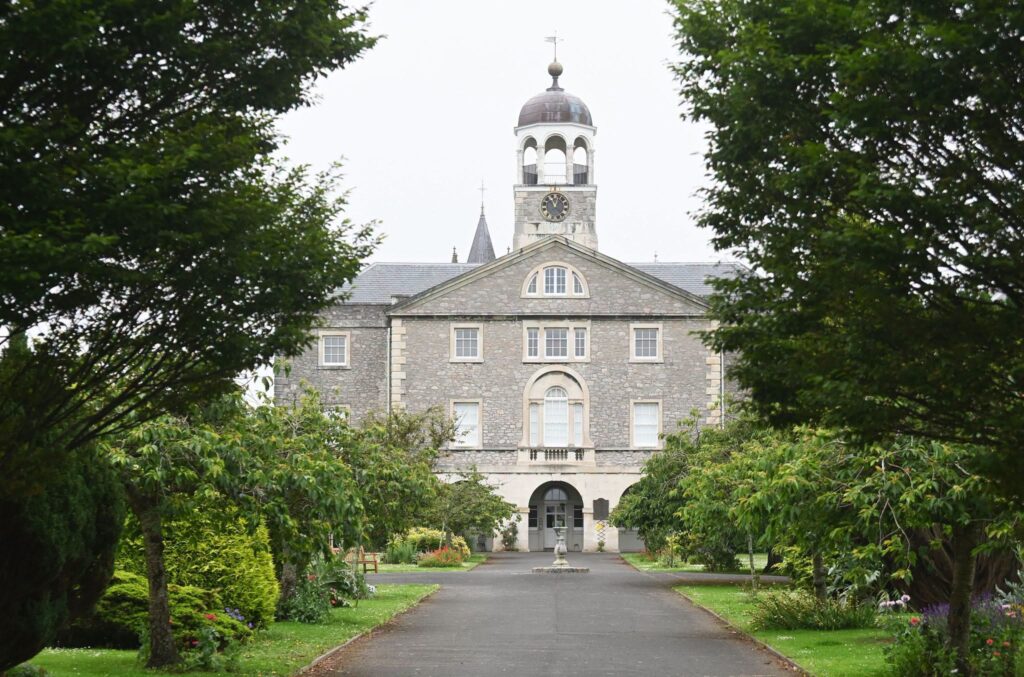
High above the former Royal Naval Hospital at Millfields, a clock continues to mark the passing of time.
Its hands still move steadily across the dial, just as they have for generations, overlooking one of Plymouth’s most historic sites. Thousands of people have glanced up at the clock tower over the years, but few have ever thought about the hidden machinery behind the clock face or the skilled craftsmen who made sure it never stopped.
Today, however, the story of Plymouth’s historic clocks is also the story of a disappearing profession.
For many years, one local family played a role in maintaining some of the region’s historic public clocks. Monty Humphries and later his son Mike Humphries were among the traditional clock engineers whose work took them into church towers, civic buildings and historic landmarks across the South West.
Now both men are retired, and with them goes a set of skills that took a lifetime to learn.
A Clock Above a Naval Landmark
The Millfields clock tower stands above the building now known as Trafalgar, the centrepiece of the former Royal Naval Hospital.
The hospital was built during the eighteenth century as Britain expanded its naval power around the world. Opened in the early 1760s, it was one of the country’s most important naval medical facilities, treating sailors and marines during a period that included the American War of Independence, the Napoleonic Wars and the rise of the Royal Navy as a global force.
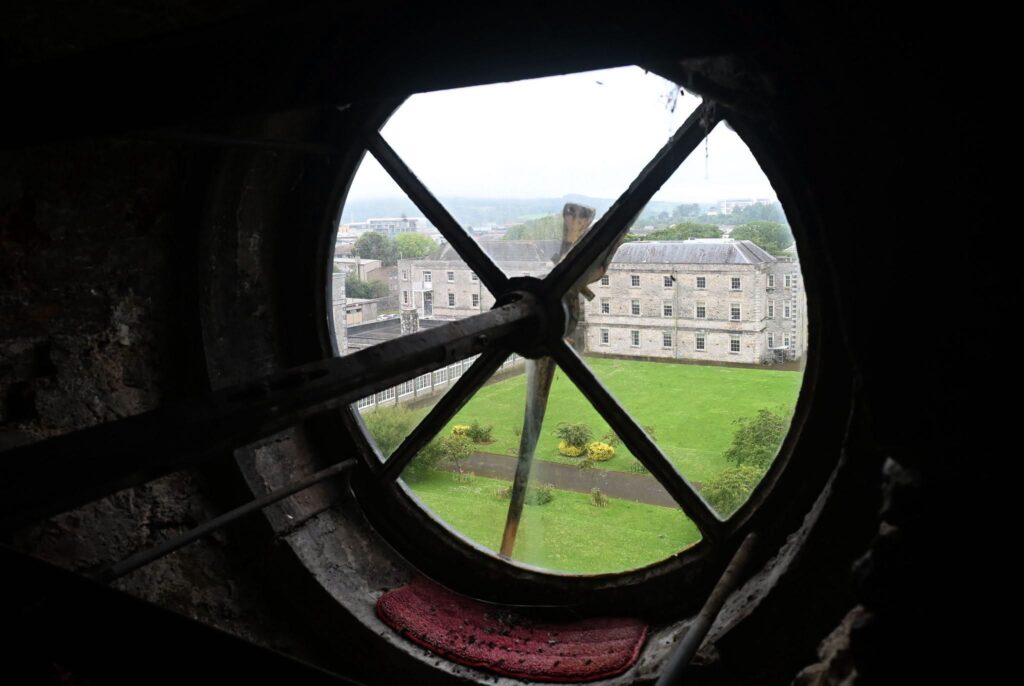
The central building was designed to dominate the site and included a prominent clock tower that could be seen from across the hospital grounds.
In an era long before mobile phones, digital displays or even widespread ownership of watches, public clocks served a vital purpose. They regulated daily life, helping workers, patients, visitors and staff keep track of the day.
For more than two centuries, the clock tower has remained one of the defining features of the Millfields skyline.
Hidden Above the Streets
Behind the dial sits a complex mechanical world of gears, shafts, wheels, hammers and bearings. Traditional tower clocks are remarkable pieces of engineering, designed to run continuously for decades with only routine maintenance.
Many were built long before electricity arrived.
Some rely on weights and pendulums. Others were later adapted with electric winding systems while retaining their original mechanical movements.
Unlike a wristwatch, these clocks cannot simply be replaced when something wears out. Components often have to be repaired, adjusted or even recreated by hand.
It is specialist work requiring patience, experience and an understanding of machinery that may have been built generations earlier.
A Family Trade


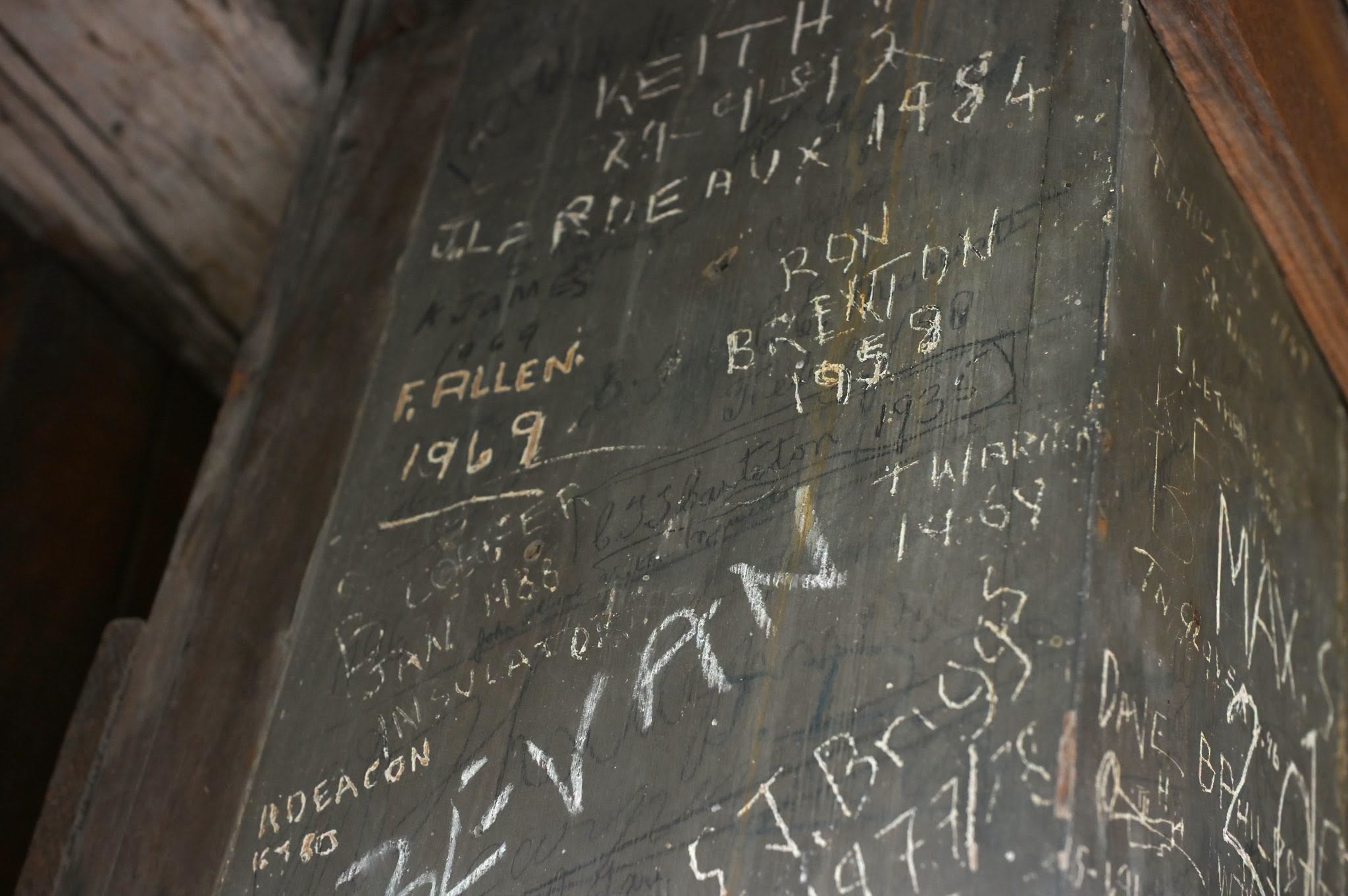
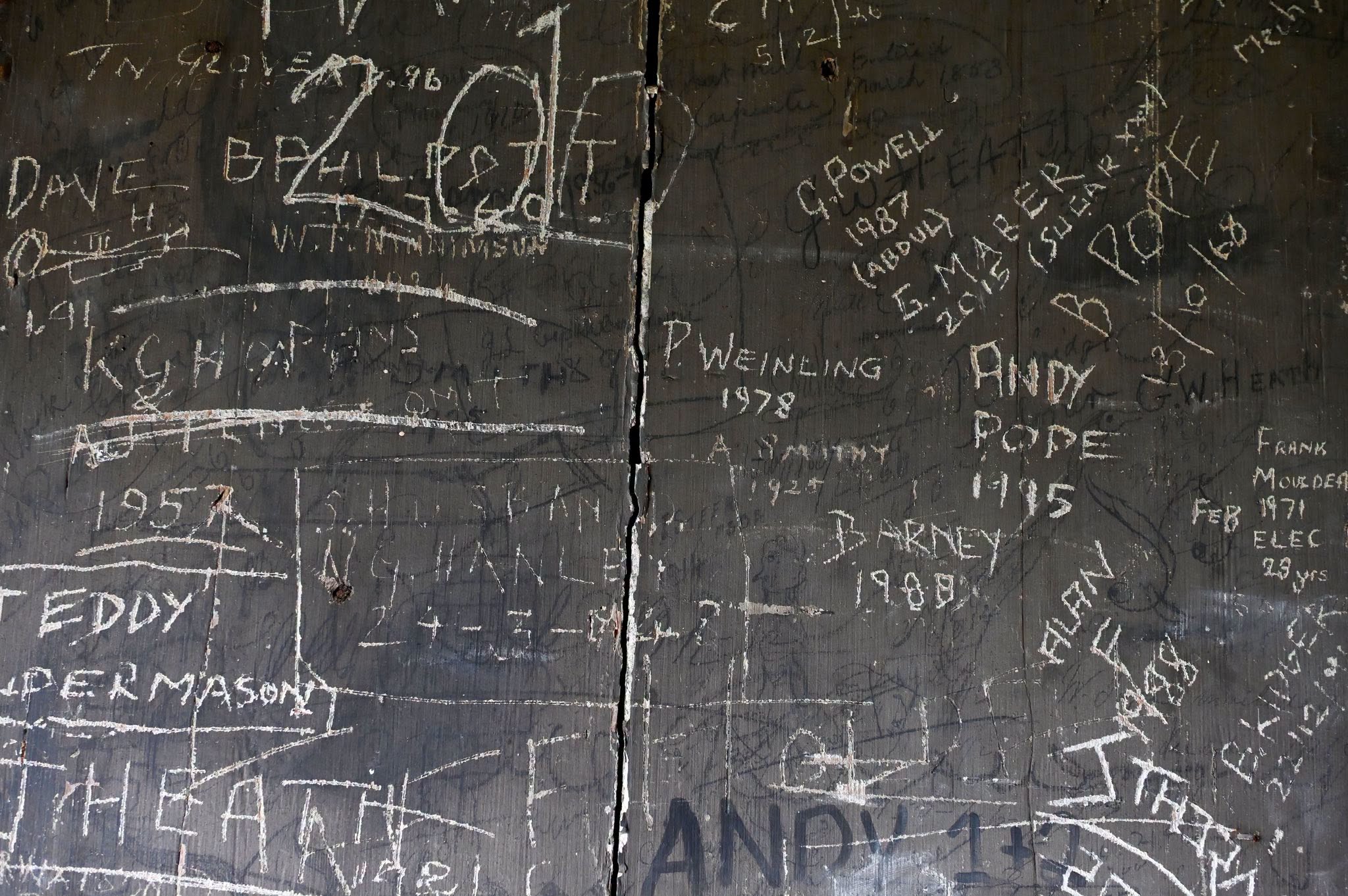
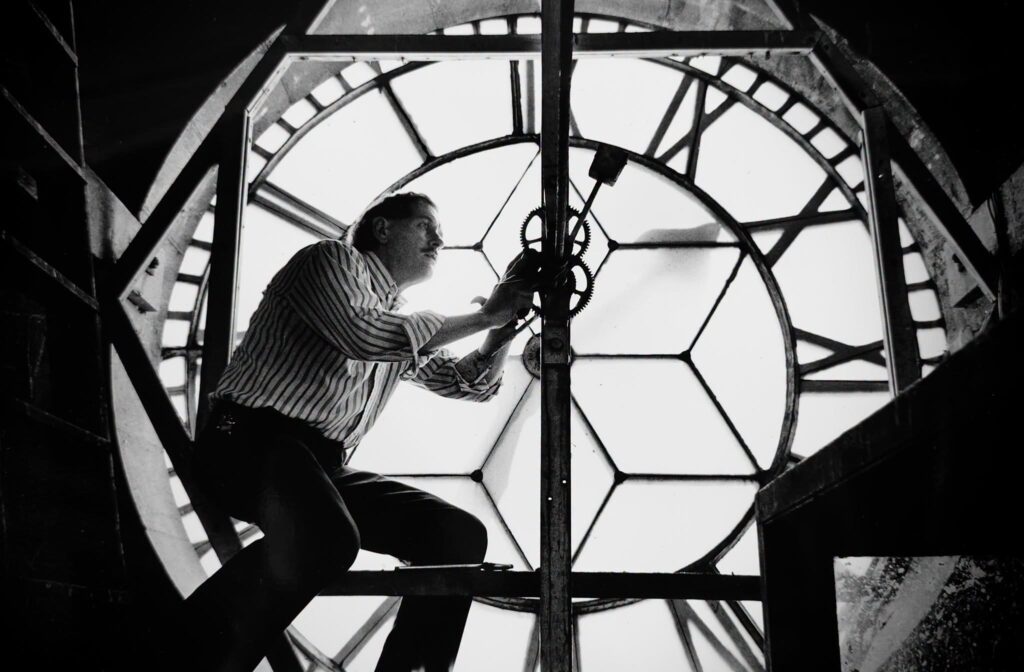
Among those carrying out that work in Plymouth were Monty Humphries and his son Mike.
Their work brought them into some of the region’s most historic buildings, maintaining and repairing tower clocks that most members of the public never knew existed.
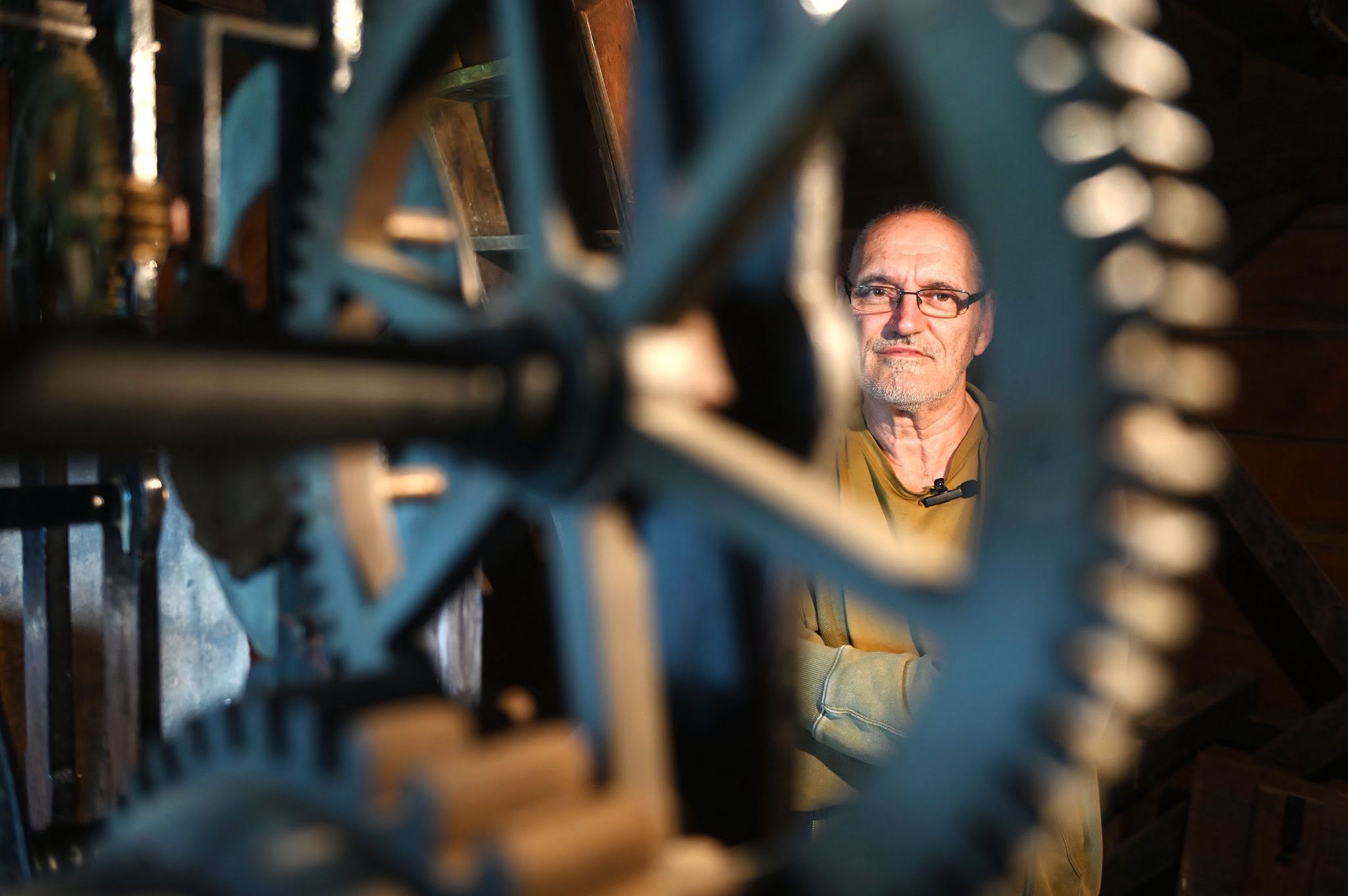
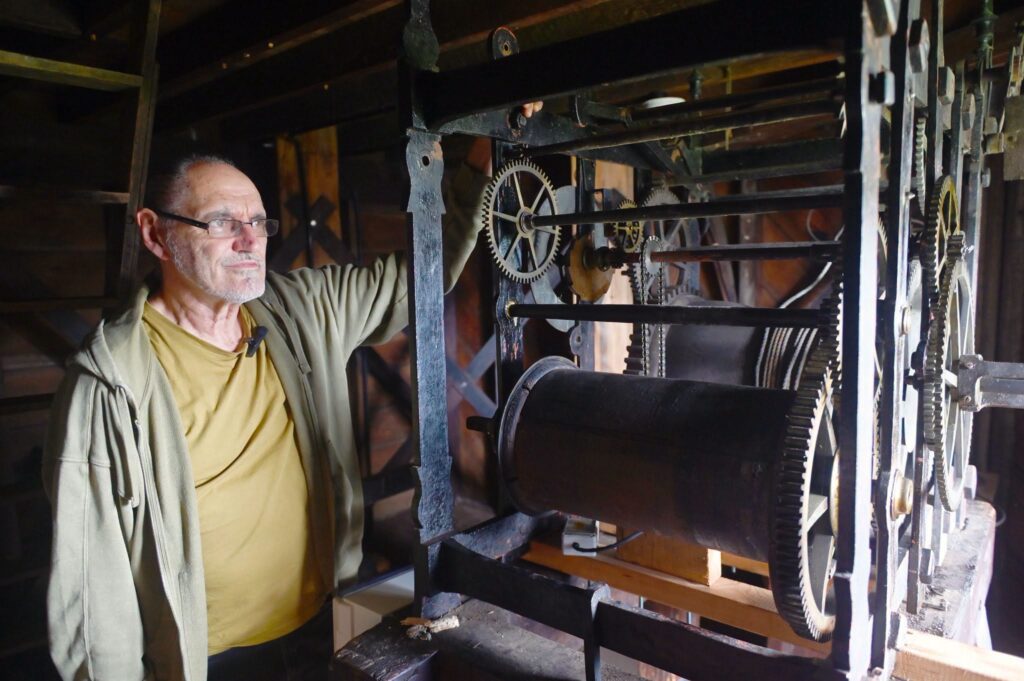
Many years ago, I photographed Monty Humphries working inside the clock tower at the College on Paradise Road, surrounded by the gears and mechanisms that quietly keep time above the city streets. It was a glimpse into a place few ever see.
The towers themselves are often reached by narrow staircases and ladders. Dust, oil, cast iron and brass machinery surround the engineer, while the clock faces look out across rooftops and streets below.
It is a job that combines engineering, history and craftsmanship in equal measure.
For generations, skills such as these were passed from experienced craftsmen to apprentices and family members. Knowledge was often learned through years of practical experience rather than textbooks.
Mike followed in his father’s footsteps, continuing a tradition that had once been common throughout Britain but has now become increasingly uncommon.
A Dying Craft
There was a time when every town relied on people with these skills.
Churches, town halls, schools, hospitals and public buildings all depended on mechanical clocks that required regular care and maintenance.
But technology changed. Quartz movements, electronic systems and radio-controlled clocks dramatically reduced the need for traditional clock engineers. Many historic mechanisms were replaced or modernised. Fewer young people entered the trade and many specialist firms disappeared.
As a result, the number of people capable of maintaining historic tower clocks has steadily declined.
Yet many of the original mechanisms remain. Across Plymouth and the wider South West, historic clocks continue to turn thanks to engineering that in some cases dates back more than a century.
Preserving them requires skills that are becoming increasingly difficult to find.
More Than Just Timekeeping
Tower clocks are about more than simply telling the time.
They are landmarks woven into the identity of a place. They become part of the backdrop to everyday life, quietly watching over communities for decades.
People may not notice them every day, but they would certainly notice if they stopped.
That is why the work of traditional clock engineers mattered so much, even though most people never knew their names. The role was often invisible, but without it many of Plymouth’s historic clocks would have fallen silent long ago.
Keeping History Alive
The Millfields clock tower remains one of the most recognisable features of the former Royal Naval Hospital, standing as a reminder of Plymouth’s naval past and the generations who lived and worked there.
It also represents something else: the skilled men and women who maintained the machinery within such buildings, preserving not only clocks but a tradition of craftsmanship stretching back centuries.
The clock tower still keeps time. The challenge now is ensuring the knowledge and skills needed to maintain these historic mechanisms are not lost to time itself.
Photographs and Video © Wayne Perry / Plymouth Post