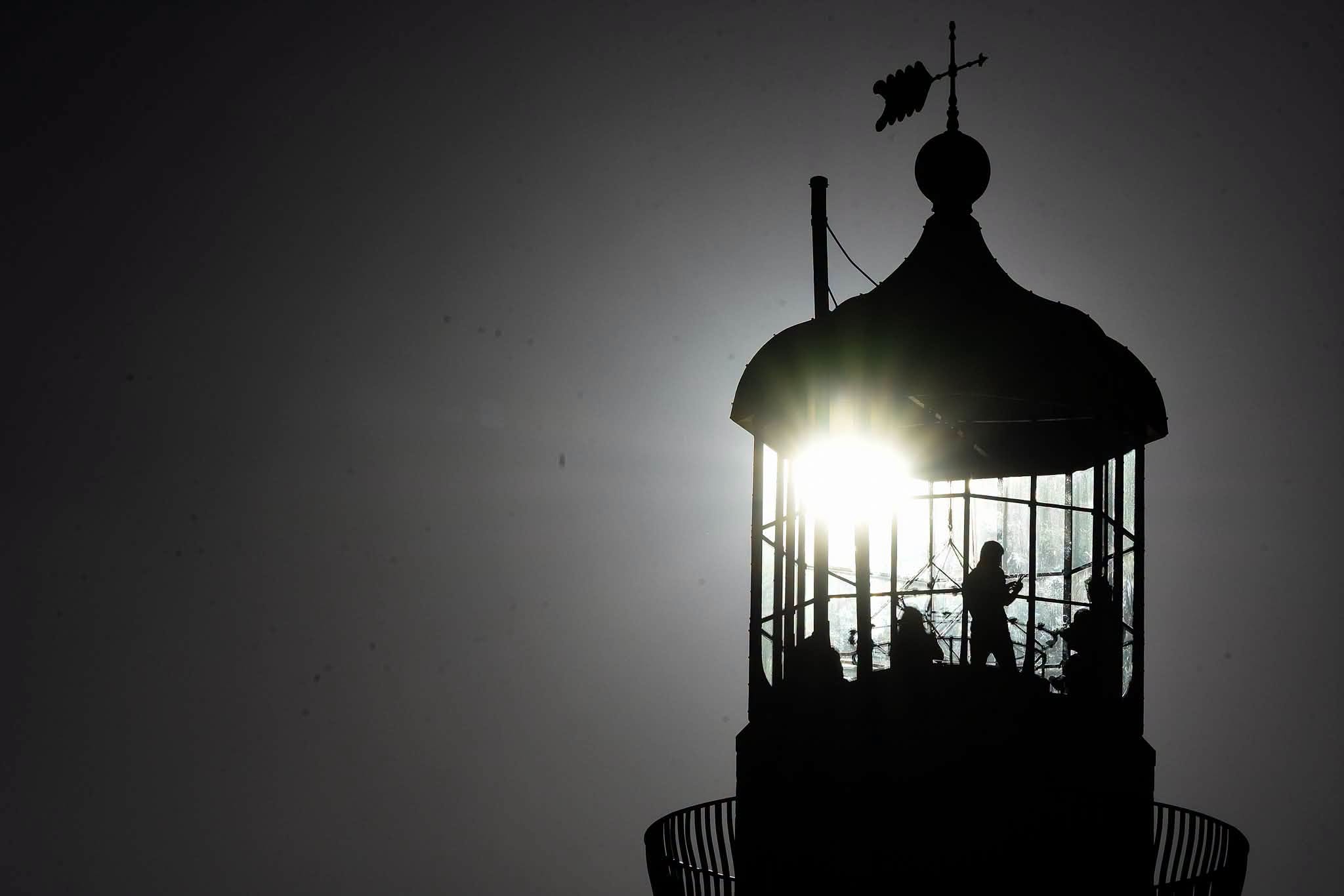
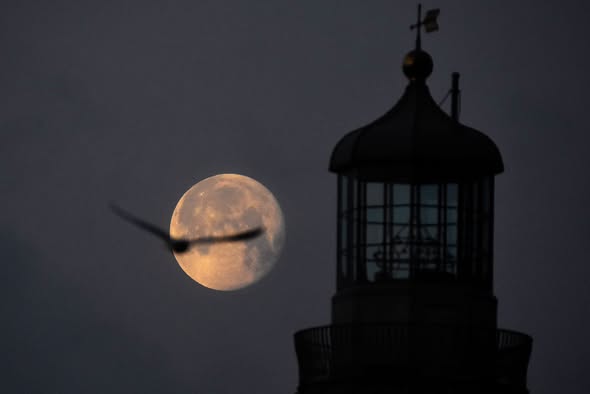
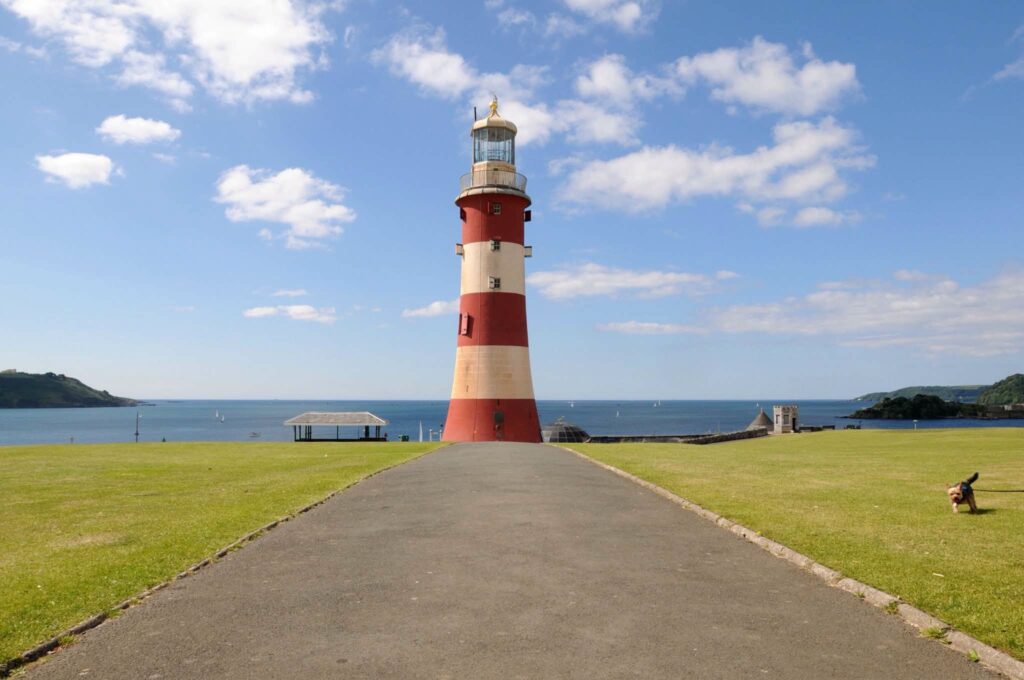
Standing on Plymouth Hoe today, Smeaton’s Tower looks as though it has always belonged there. A familiar silhouette above the city, it draws the eye across the Sound and out towards the open sea. Yet its story did not begin here on dry land. It began on one of the most dangerous stretches of water off the English coast, and its survival is the result of both engineering innovation and an extraordinary act of preservation.
The story starts at the Eddystone Rocks, a small but lethal reef about 14 miles south-west of Plymouth. For centuries, these rocks were a nightmare for sailors. Fully exposed to Atlantic storms and hidden beneath rough seas, they claimed countless ships. The need for a lighthouse there was obvious, but the challenge was enormous: how do you build something to withstand conditions that regularly destroy ships?
The first lighthouse on the site was completed in 1698 under the direction of Henry Winstanley. It was an ambitious wooden structure, but its life was short. During the Great Storm of 1703, one of the worst recorded in British history, the lighthouse was destroyed, and Winstanley himself was lost. A second attempt followed in 1708, built by John Rudyerd. This version was more successful and stood for several decades, but its end came suddenly in 1755 when a fire broke out and destroyed it completely.
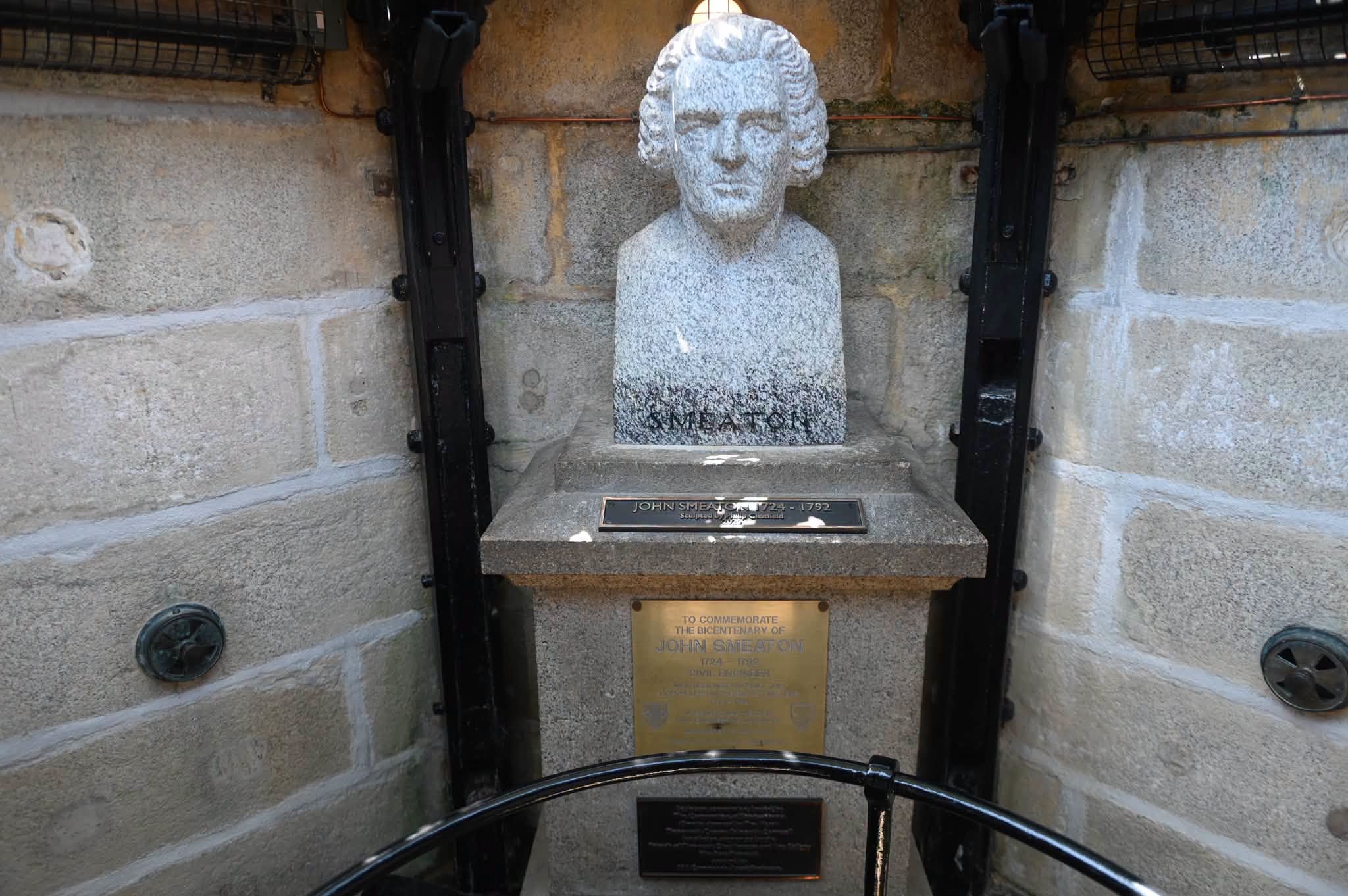
By the mid-18th century, it was clear that any future lighthouse would need to be fundamentally different. The task of designing a replacement was given to engineer John Smeaton, a man whose work would later earn him recognition as one of the founders of modern civil engineering.
Smeaton approached the problem in a way that was unusual for the time. Instead of simply improving on previous designs, he studied the forces acting on the structure and looked to nature for inspiration. He concluded that stability came from form as much as material. The result was a design shaped like a tree: broad and solid at the base, gradually narrowing towards the top, allowing it to resist the immense force of wind and waves.
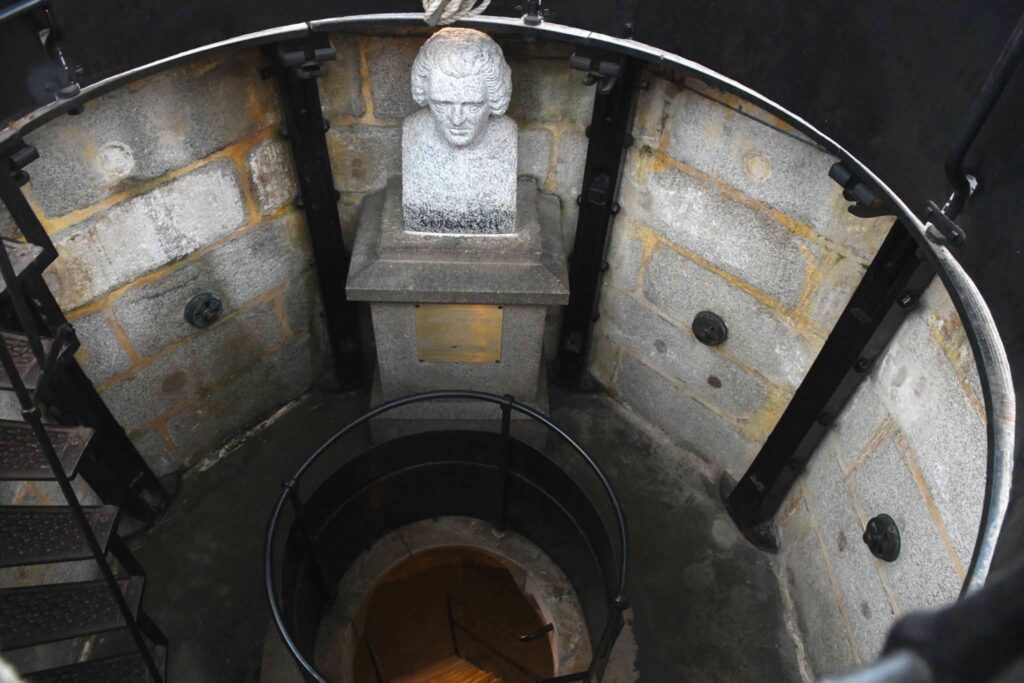
However, it was not just the shape that made Smeaton’s lighthouse revolutionary. The construction methods were equally important. The tower was built using interlocking granite blocks, each carefully shaped so they fitted together with precision. Instead of relying on simple weight or mortar alone, the stones locked into one another, creating a unified structure. A specially developed hydraulic lime mortar was also used, capable of setting under water, which was a major advancement for the time.
Construction began in 1756 and required a combination of onshore preparation and offshore assembly. Stone was cut and shaped in Plymouth before being transported out to the Eddystone Rocks by boat. Workers could only operate in short windows when the sea allowed access, often under dangerous and unpredictable conditions. Despite this, progress continued, and by 1759 the lighthouse was complete.
Standing 59 feet high, with a granite exterior and Portland stone used internally, the completed structure was unlike anything that had been built before in such an exposed location. When it was first lit on 16 October 1759, it immediately became a vital aid to navigation and a symbol of what engineering could achieve when guided by careful study rather than trial and error.
For more than a century, Smeaton’s lighthouse served its purpose. Over time, improvements were made to the lighting system, moving from simple oil lamps and reflectors to more advanced optical systems. Yet the true significance of the structure was always in its design. Engineers studied it closely, and its methods influenced lighthouse construction around the world.
Eventually, however, the sea began to reclaim the site. The rock beneath the lighthouse was gradually worn away by constant wave action. By the late 19th century, concerns grew that the structure could no longer remain safely in place. A new lighthouse was built nearby and completed in 1882, designed to take over its function.
Rather than destroy Smeaton’s lighthouse, a decision was made that would preserve its legacy. It was carefully dismantled, stone by stone. Each piece was numbered, recorded, and transported back to Plymouth. In 1884, the tower was rebuilt on Plymouth Hoe, where it stands today. While the base remains at the Eddystone Rocks, much of the visible structure is original, reassembled with remarkable care.

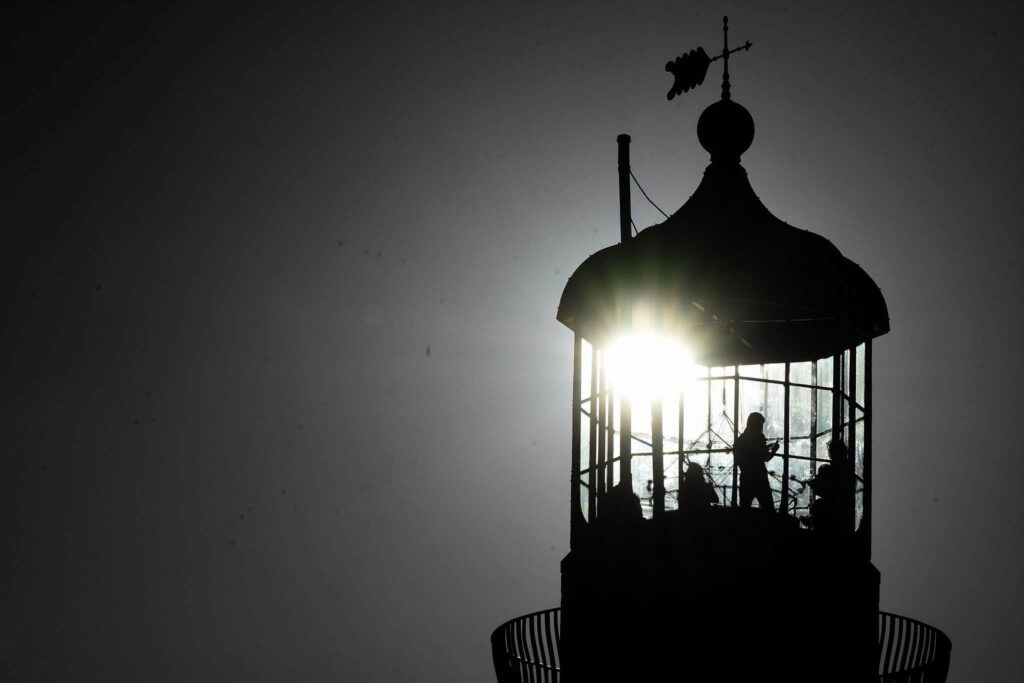
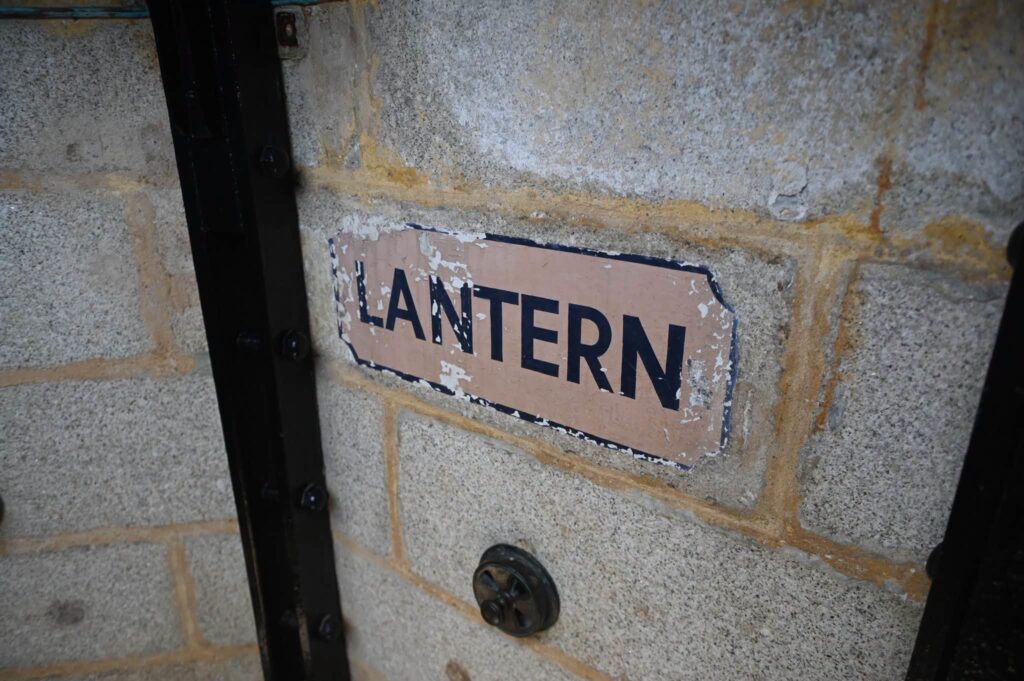
Today, Smeaton’s Tower is no longer a working lighthouse, but it remains one of Plymouth’s most important historic landmarks. Visitors can climb its narrow interior staircase and step into the lantern room, looking out across the same waters that once demanded its existence. From that vantage point, it is possible to trace the line between past and present, from a storm-battered reef offshore to a carefully preserved monument on the Hoe.
Smeaton’s Tower endures not just as a piece of maritime history, but as a symbol of human ingenuity. It represents a turning point in engineering, where observation, design, and material science came together to solve a life and death problem at sea. More than two and a half centuries later, it still stands as proof that even structures built for the harshest environments can have a second life, and a place in history far beyond their original purpose.
Photographs & Video © Wayne Perry / Plymouth Post