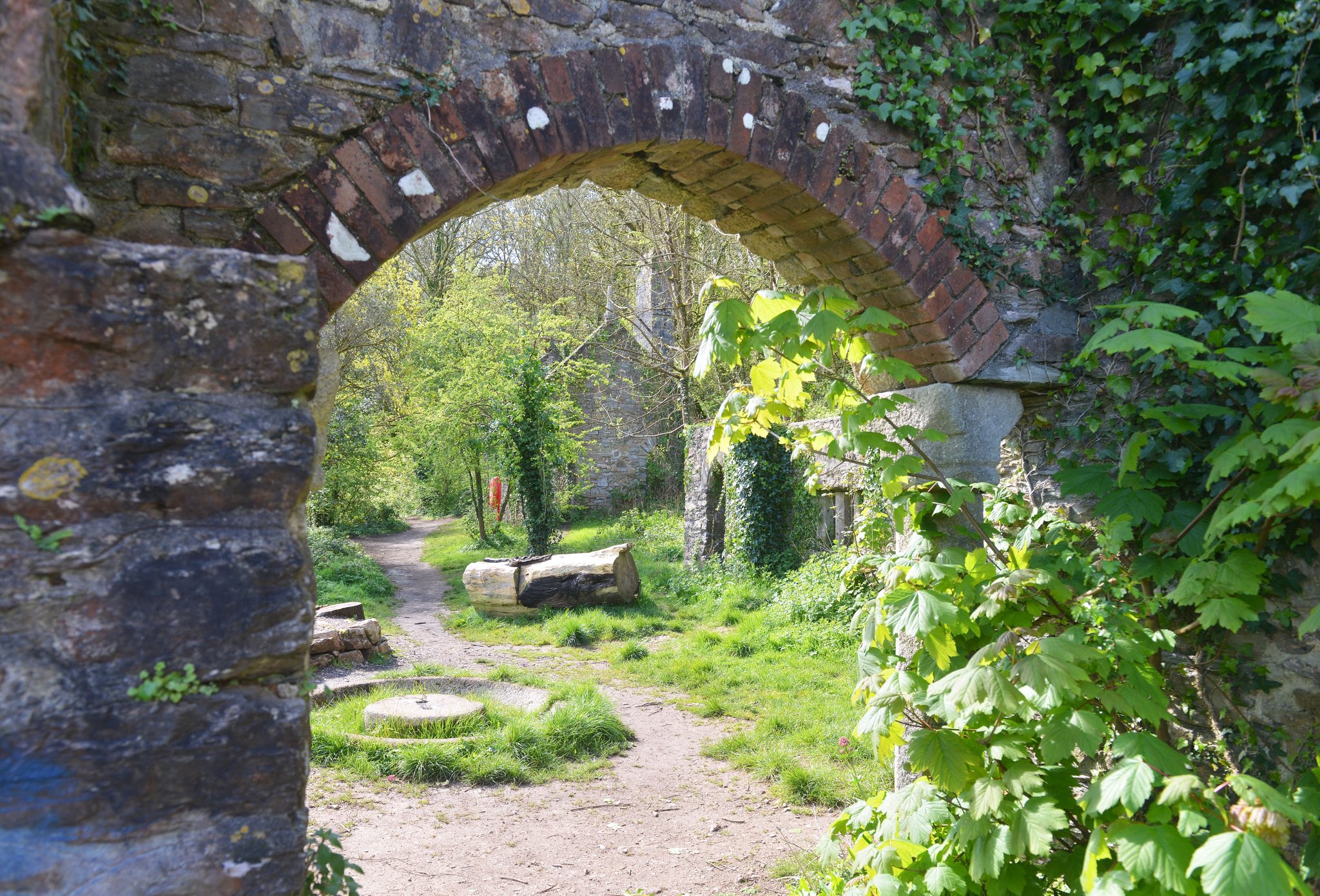
Tucked away in a quiet corner of Plymstock, Radford Park looks, at first glance, like any other green space. A lake, trees, footpaths, and people passing through without a second thought. But look a little closer, and you’ll find the remains of one of the area’s oldest estates, with a history stretching back centuries.
The park takes its name from the Radford family, who were established in the area by the medieval period. Like many landed families of the time, they gave their name to the estate — and to the landscape that still carries it today.
However, some sources suggest the name may instead be topographical, referring to a “red ford” — a crossing point over a stream or river.
The Radford name isn’t limited to this park. It also appears elsewhere in Plymouth, including around Prince Rock, although this is likely due to similar place-naming origins rather than a single continuous estate.
An original manor house once stood here, forming the centre of the estate. That early building, likely dating back several hundred years, has long since disappeared. Over the centuries, the estate passed through different hands, with various local families associated with its history.
What survives today are the remains of a later chapter in Radford’s story.
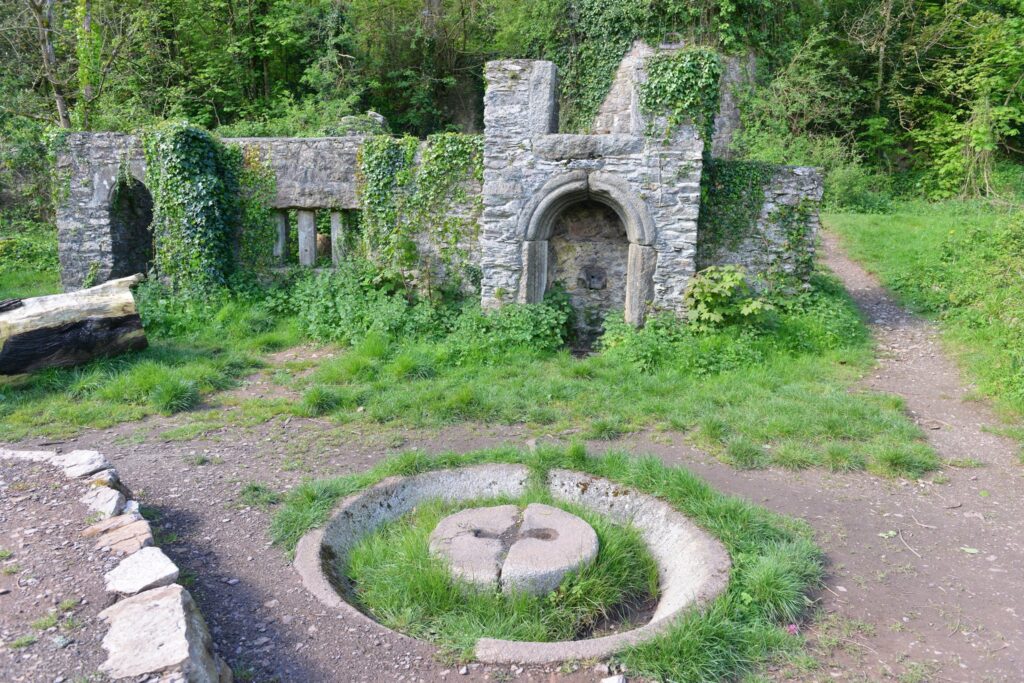
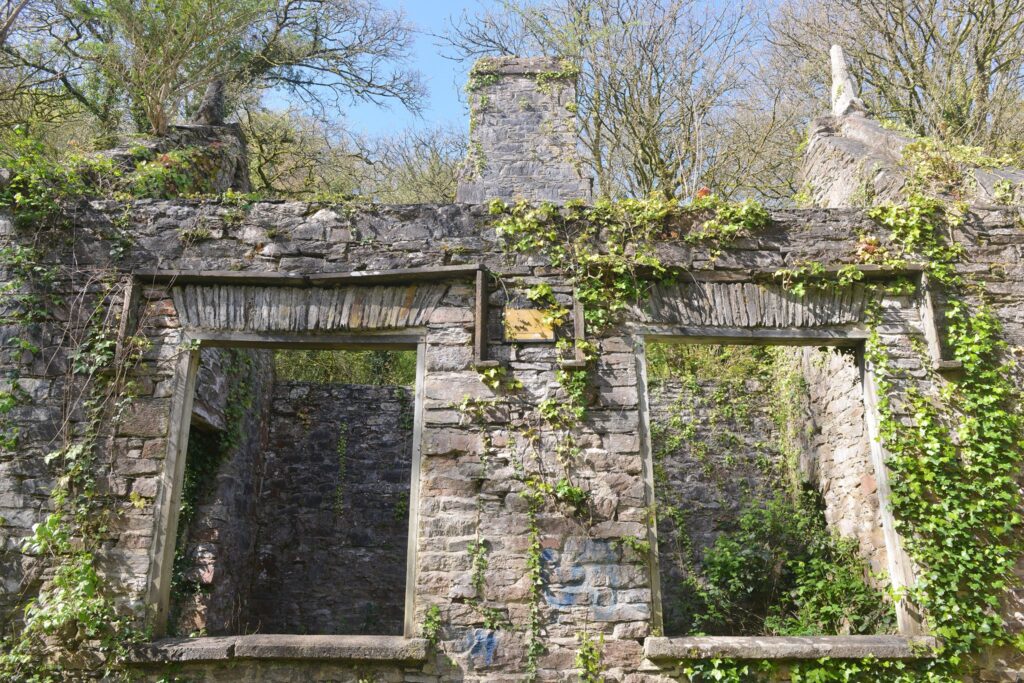
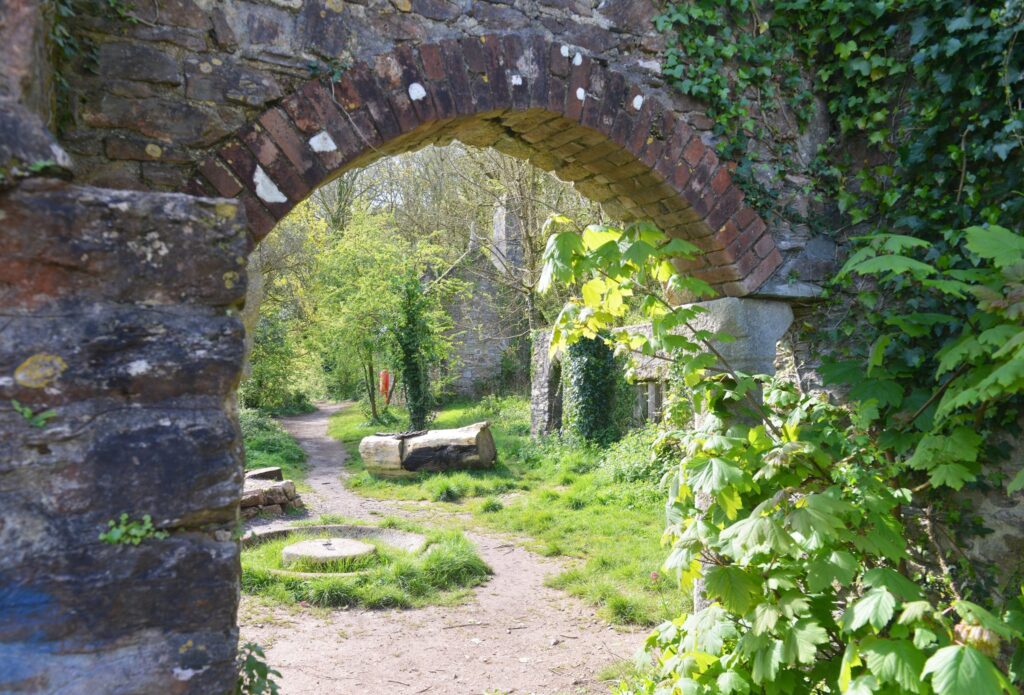
The ruins beside the lake are generally understood to be part of a 17th-century house built on or near the site of an earlier manor. One of the most striking surviving features is a fireplace bearing a date from the 1640s , a detail that helps place this phase of the building firmly in that period. Rather than marking the beginning of Radford House, it more likely reflects a rebuild or major alteration during the 17th century, when many older manor houses were updated or replaced.
Over time, the house declined. By the 19th century, much of it had been lost, leaving behind the fragments that remain today, quiet, partially hidden, and easy to miss if you don’t know they’re there.
There are also long-standing local references to Francis Drake within the park, including plaques that connect the site to his era. However, there is no firm historical evidence that he ever lived at Radford. The association is generally understood to reflect Plymouth’s wider Elizabethan history rather than a direct link to the house itself.
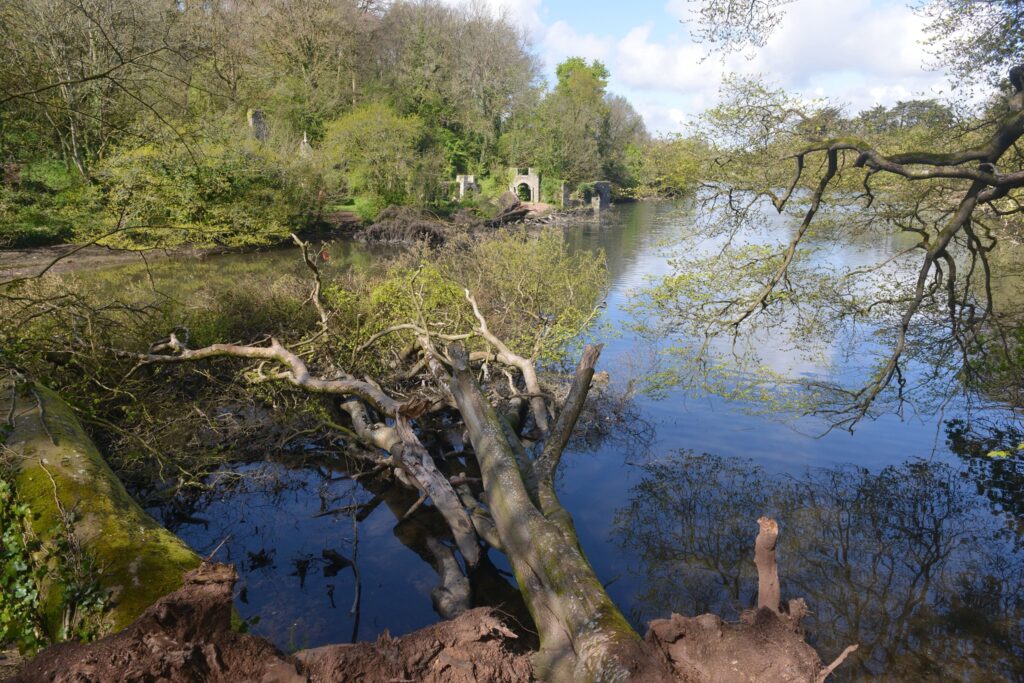
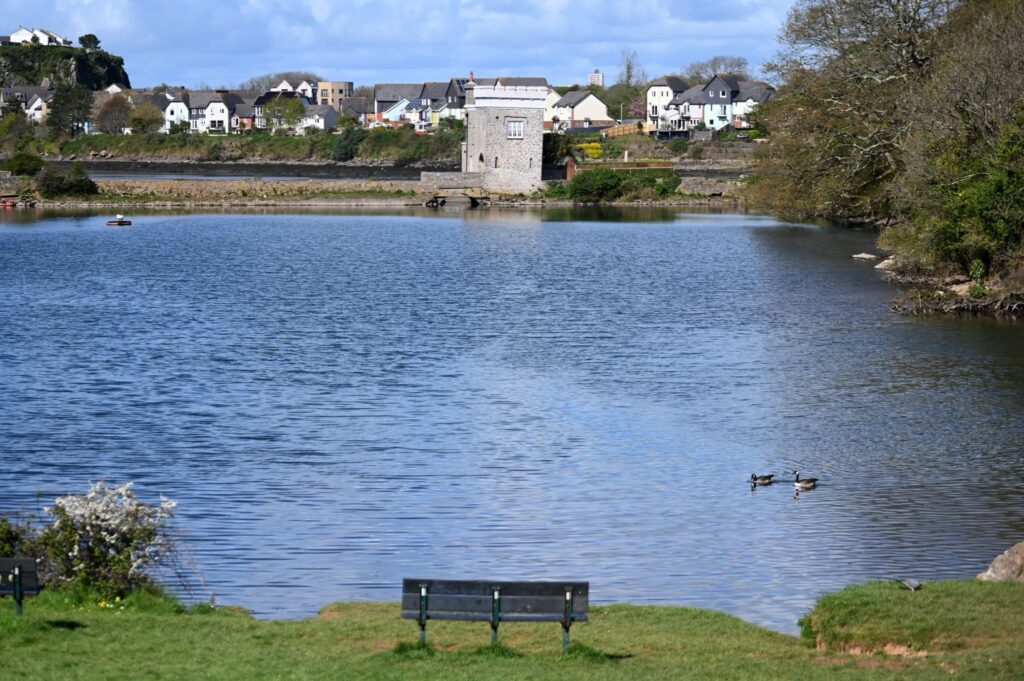
The landscape around the ruins tells its own story. The lake and surrounding parkland were once part of a designed estate, shaped not just for practical use, but for appearance as well.
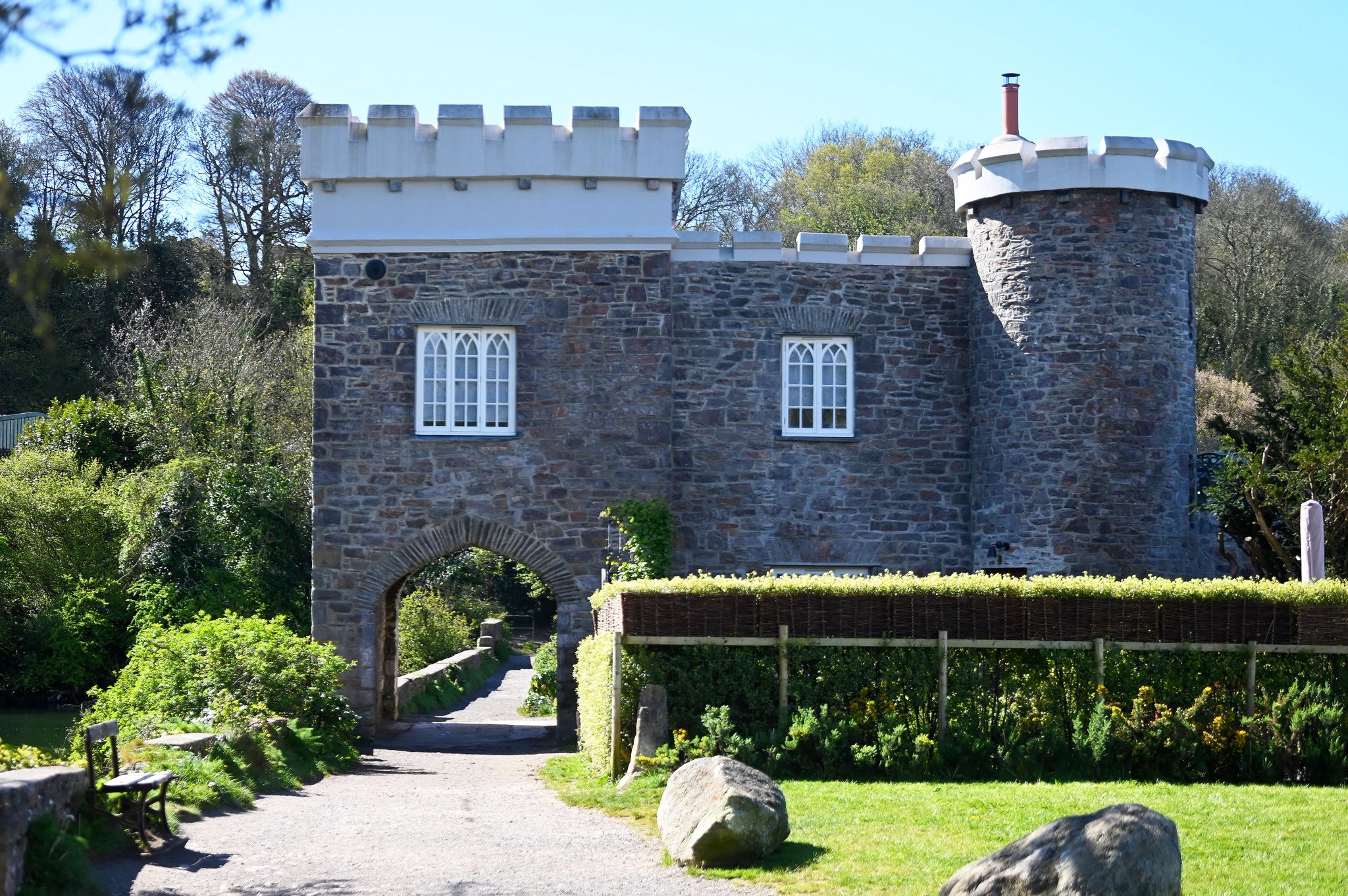
One of the most eye-catching features is the small castle-like structure on the bridge across the lake. Often mistaken for something defensive, it is widely believed to be a folly, a decorative addition, likely introduced during later landscaping to create a more dramatic setting.
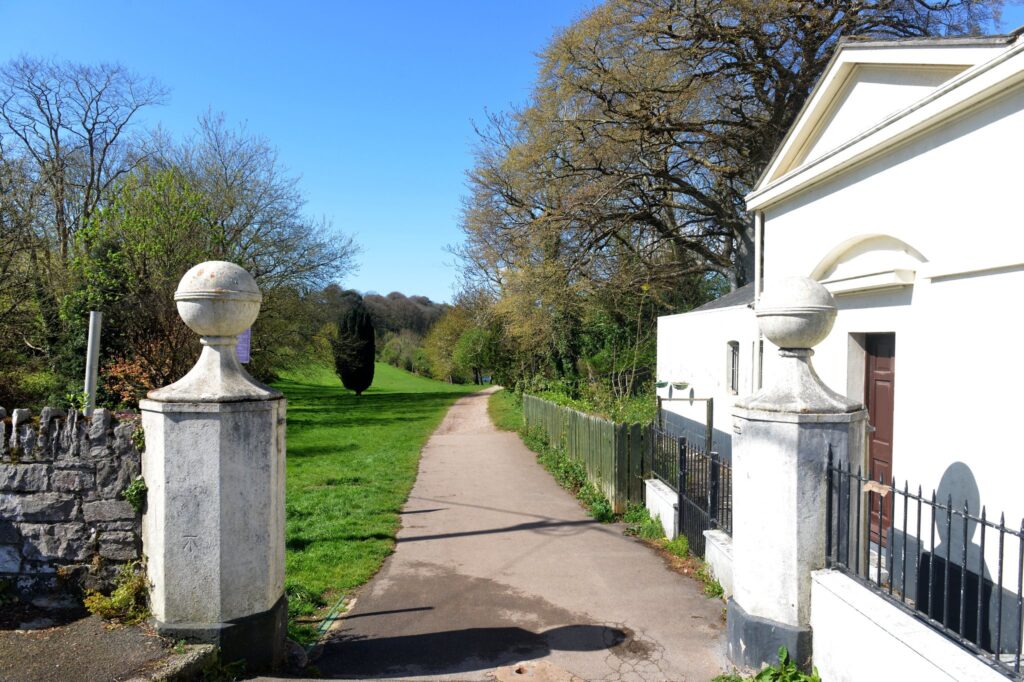
At the entrance on Radford Park Road, the gatehouse lodge still stands as a reminder of the estate’s past. Once marking the boundary to private land, it hints at a time when this entire area was closed off from the public.
Today, Radford Park is open to everyone. Children play where the estate once stood, and walkers pass through without always realising the history around them. But the clues are still there, in the stonework, in the layout of the land, and in the fragments left behind.
For those who know where to look, Radford isn’t just a park. It’s a place where Plymouth’s past hasn’t disappeared, it’s simply been folded into the landscape.
Photographs & Video © Wayne Perry / Plymouth Post