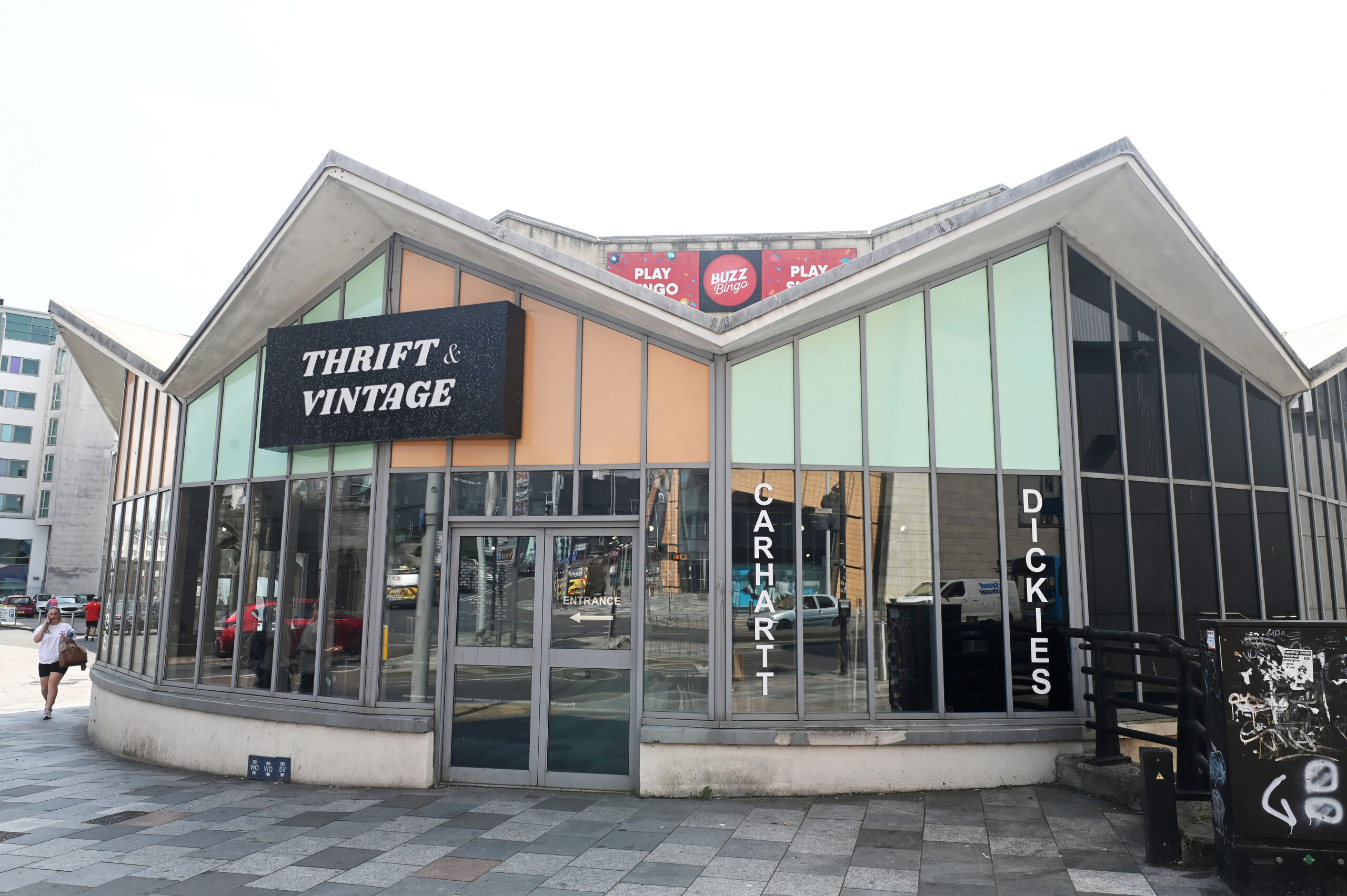
Inside the recent Life of a Charles Cross Landmark
Few buildings in Plymouth are as instantly recognisable as the circular landmark beside Charles Cross roundabout. With its distinctive folded roof and bold 1960s design, it has been part of the city’s skyline for generations, welcoming motorists, cyclists and now shoppers through its doors.
Many people know it today as the home of Vintage Superstore, but with the business now preparing to move out and the landmark once again up for sale, one of Plymouth’s most recognisable buildings is about to begin another new chapter. Its story stretches back more than six decades and reflects the city’s remarkable journey through post-war rebuilding and reinvention.
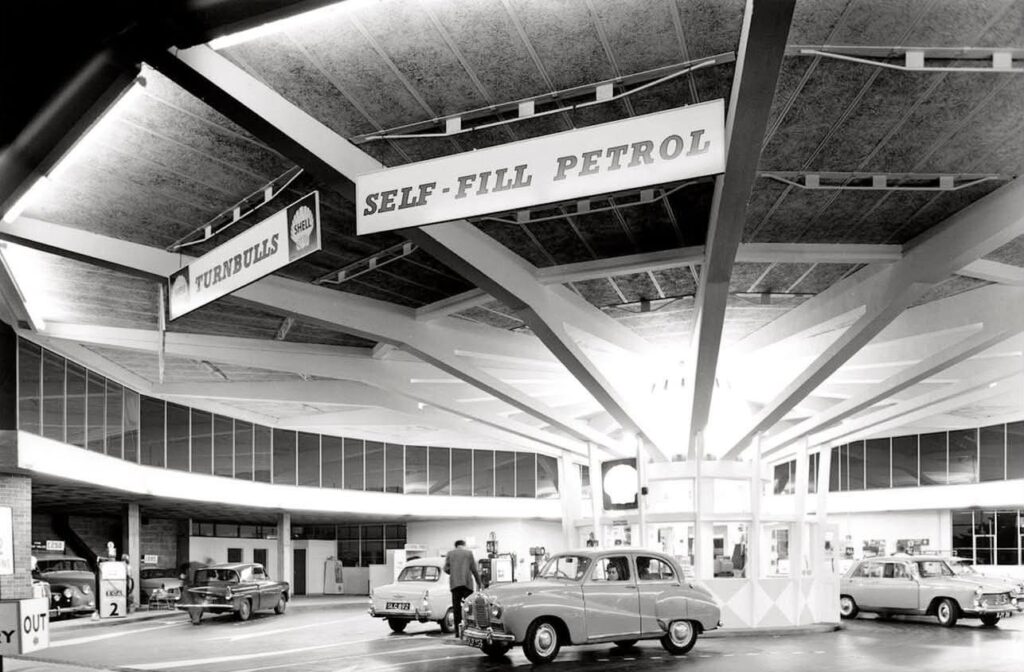
When the building opened in the 1960s, it represented the cutting edge of modern motoring. Officially opened by racing legend Stirling Moss, it was allegedly the first self service petrol station in Britain, and quickly established itself as one of the city’s most talked about commercial buildings. Its circular layout wasn’t simply an architectural statement, it was designed to help vehicles move efficiently around the site while showcasing a modern vision for Britain’s growing car culture.
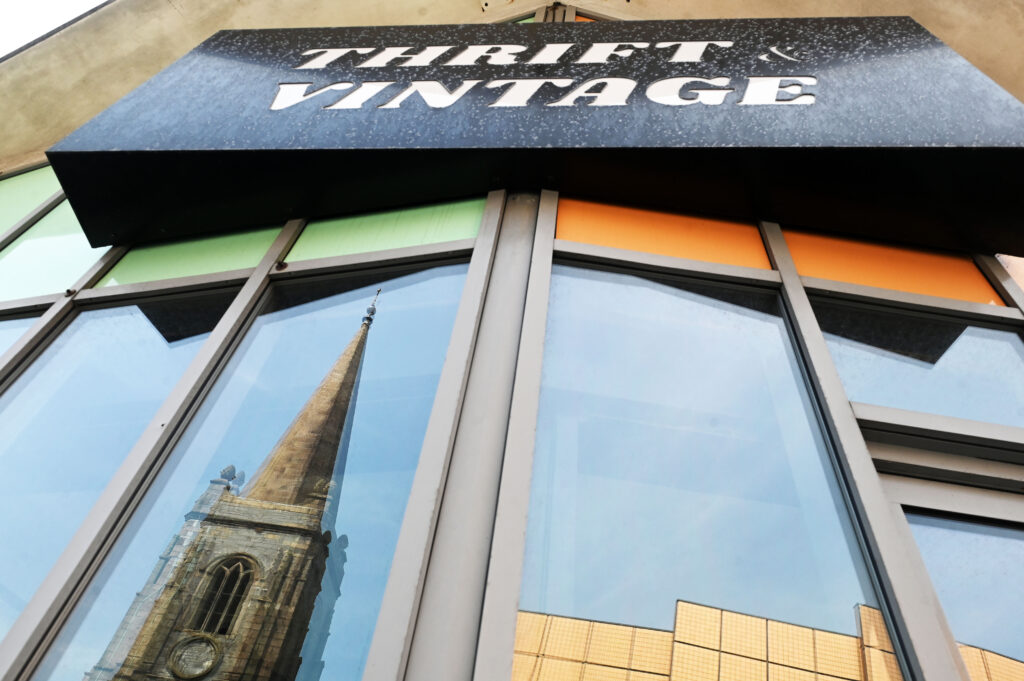
As Plymouth continued to evolve, so did the landmark. Businesses came and went, each leaving behind a small part of the building’s story. Many local residents remember visiting when it housed Evans Cycles, while others can still spot small reminders of previous occupants tucked away inside.
In recent years, a different kind of customer has walked through the doors. Vintage Superstore transformed the circular showroom with thousands of items of vintage clothing, footwear and accessories, creating a destination for shoppers searching for unique fashion and retro style. Every rail offered something different, with garments spanning decades sitting alongside branded sportswear, denim, jackets and one-off finds.
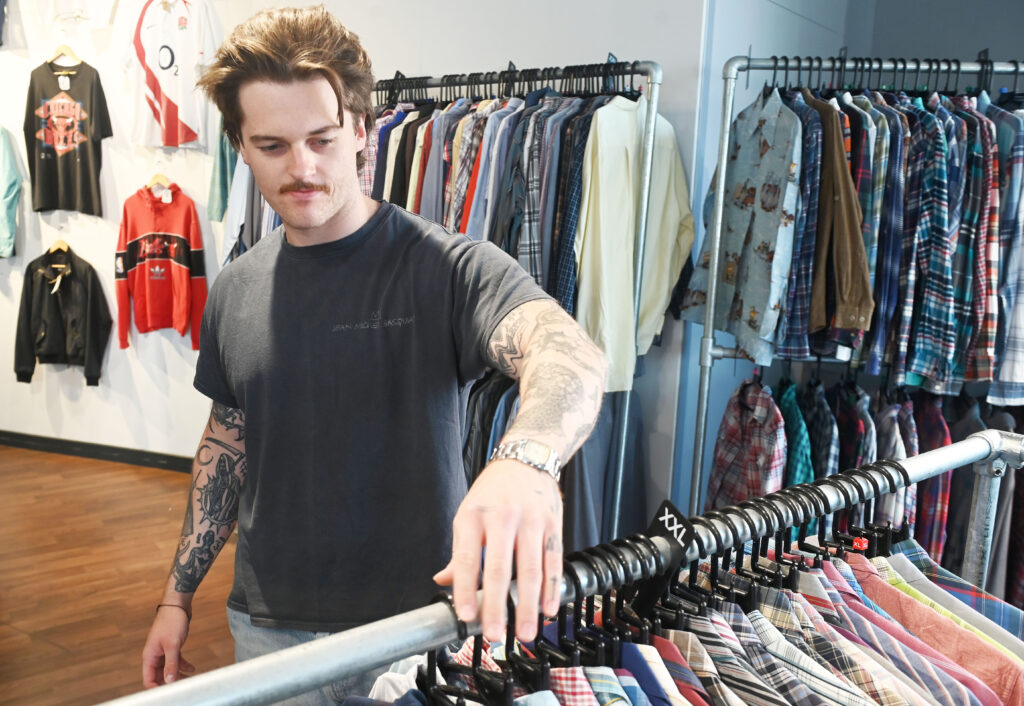
Among those helping customers have been Jack Williams and Tom Mackenzie, who worked inside one of Plymouth’s most distinctive commercial buildings. Their workplace may have been filled with vintage fashion rather than motor cars, but the building continued to do exactly what it was designed to do welcome people in.
One of the building’s biggest surprises lies beneath the shop floor. Hidden below is a vast basement that hints at the scale and ambition of the original design far larger than many visitors would imagine, and a fascinating glimpse into how extensively the building was planned. It’s easy to picture the space taking on another new purpose in the future, whether for retail, exhibitions or creative enterprise.
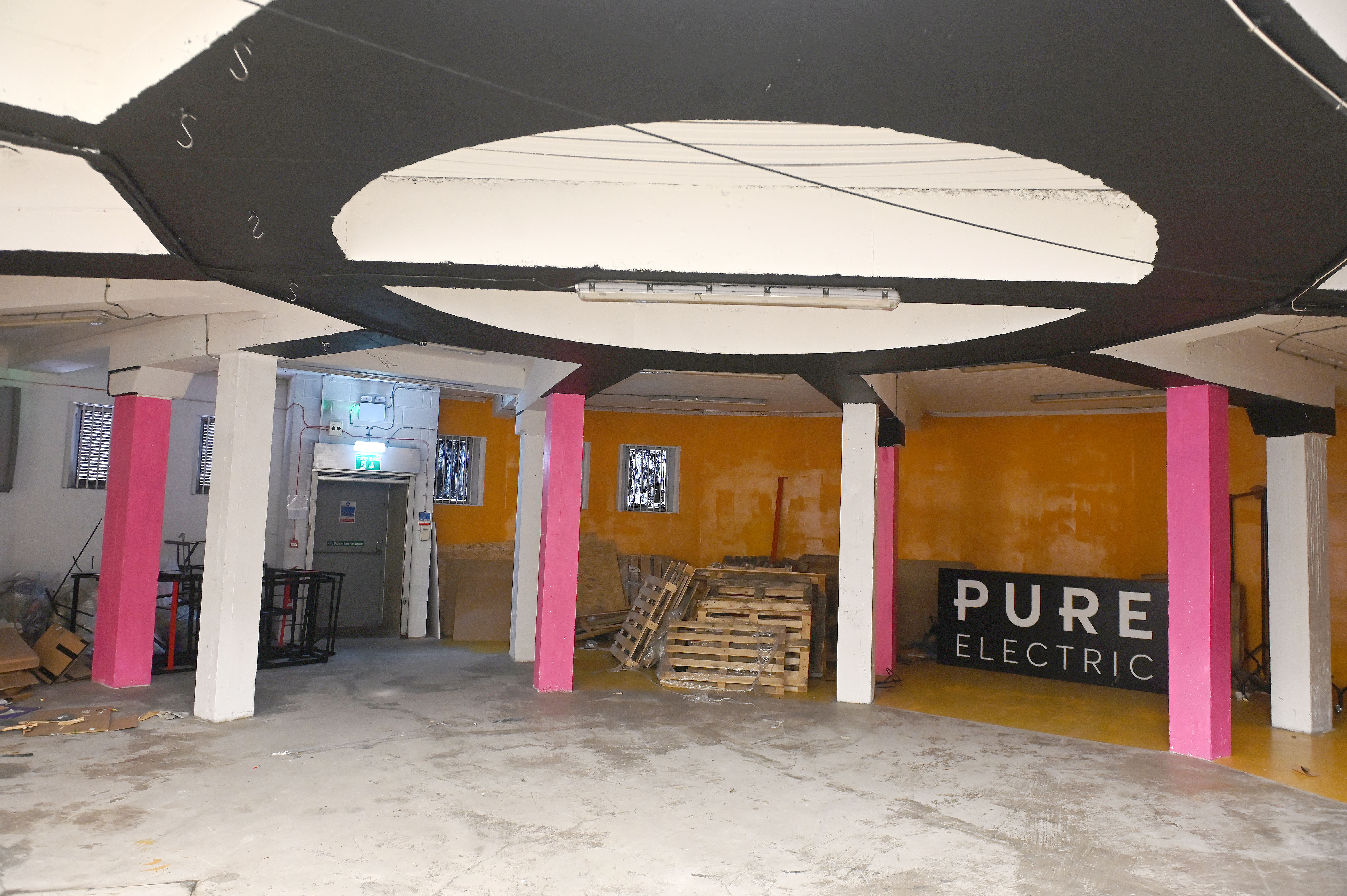
That ability to adapt is perhaps what makes this landmark so special. Plymouth has lost many of its post war commercial buildings over the years, but this one has survived by continually reinventing itself remaining an active part of the city’s everyday life rather than a relic of the past.
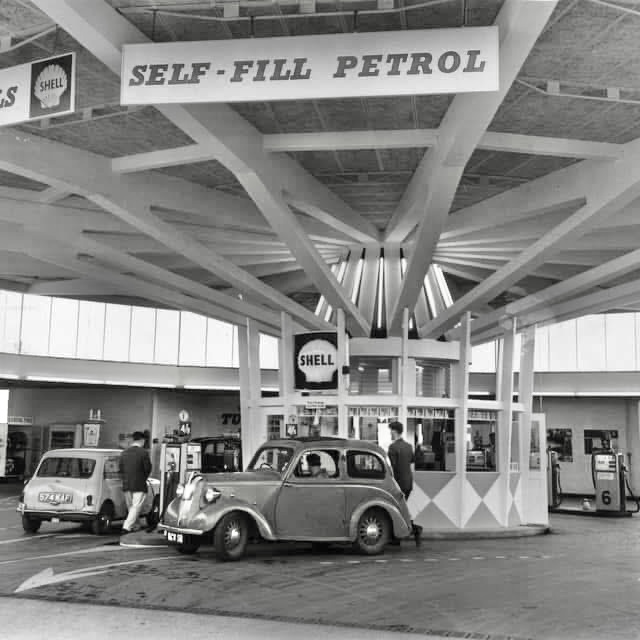
Now, with Vintage Superstore preparing to leave and the property back on the market, attention turns to what the future holds for this unusual piece of Plymouth architecture. Its circular design, large internal space and hidden basement mean it still has the potential to take on a completely new role, whether as retail, leisure, offices or another creative use.
More than 60 years after first opening, 2 Charles Cross remains a symbol of innovation, resilience and good design. From pioneering motoring to vintage fashion, it has continually found new ways to serve Plymouth while retaining the character that makes it one of the city’s most memorable buildings.
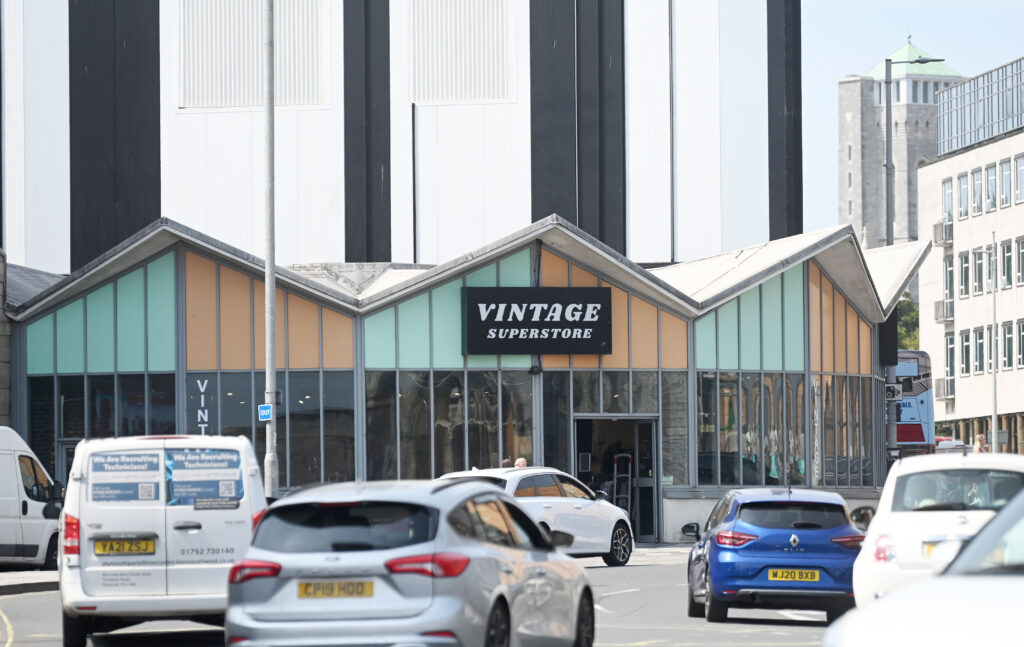
For many people, it is simply the building they drive past every day. But step inside, and you’ll discover a fascinating piece of Plymouth’s history, one that has already reinvented itself several times and is now waiting to begin its next chapter.
Photographs © Wayne Perry / Plymouth Post