Wine, Women and War: How Nelson’s Legacy Still Echoes Through Plymouth
More than two centuries after the Battle of Trafalgar, the legacy of Vice Admiral Lord Horatio Nelson still survives across Plymouth not only in naval history books, but in the city’s streets, plaques, buildings and surviving documents.
Plymouth has long held strong connections to Nelson’s life, reputation and final years, serving as one of Britain’s most important naval centres during the wars against Napoleonic France.
During his naval career, Nelson was closely connected to Plymouth Dock now Devonport as fleets prepared for war, ships were repaired and crews assembled during Britain’s struggle against Napoleon. The dockyard played a central role in maintaining British naval power, placing Plymouth at the heart of one of the defining conflicts of the age.
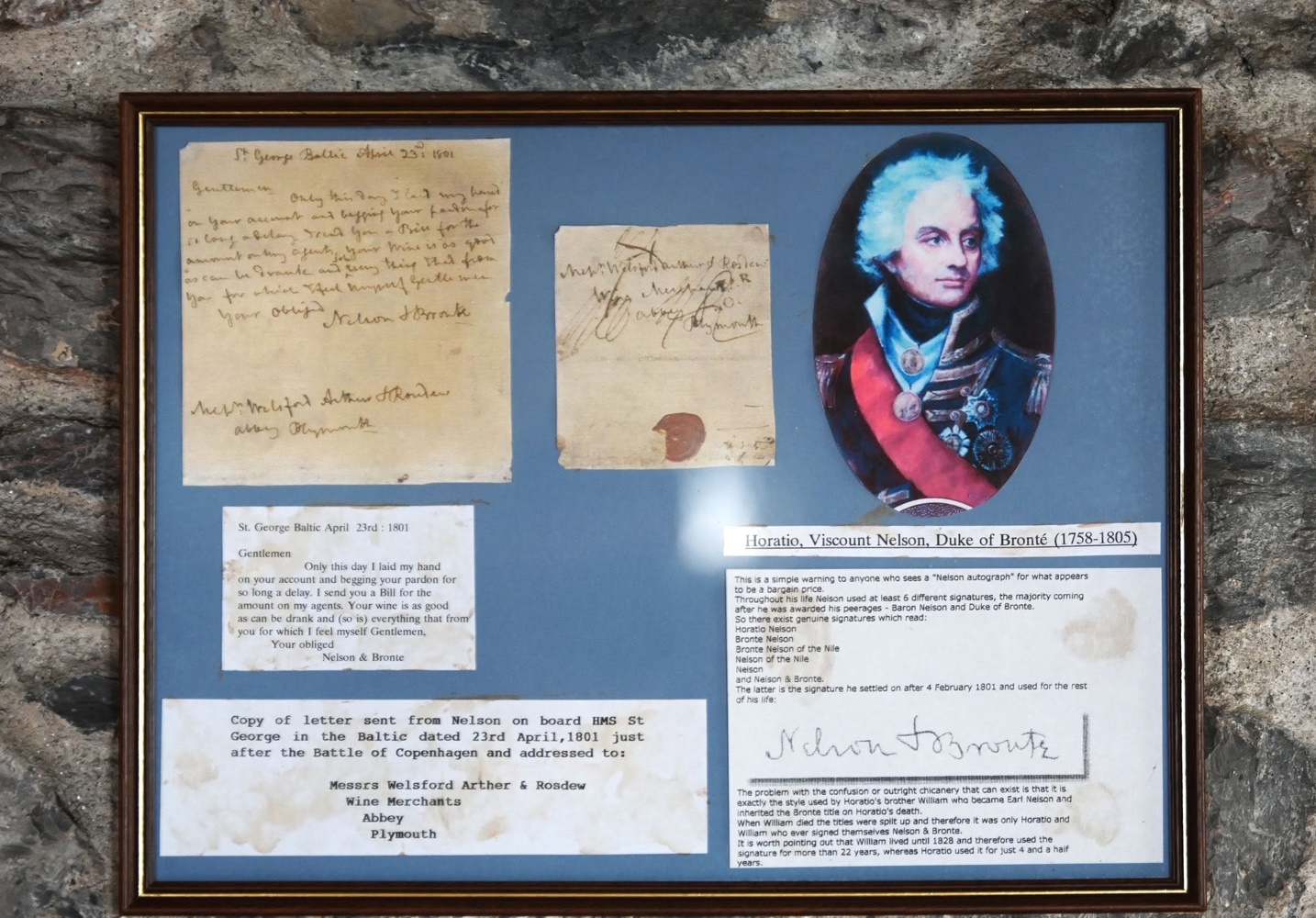
One of the city’s most intriguing surviving Nelson-era connections is a letter associated with the Plymouth wine merchant firm Messrs Welsford, Arthur and Rosdew, whose business later became linked with Prysten House in Finewell Street.
Prysten House, one of Plymouth’s oldest surviving buildings, dates back to the late 15th century and became associated with merchants serving the busy port and naval community during the age of sail. At a time when Plymouth’s harbour was crowded with warships, troop transports and merchant vessels, businesses supplying goods to sailors and officers formed part of the wider network supporting Britain’s war effort.
The surviving correspondence provides a rare link between Nelson and Plymouth’s commercial maritime world. In the letter, Nelson is reported to have praised the merchants, writing: “Your wine is as good as can be drank.”
The remark offers a glimpse into both Nelson’s character and the close relationship between naval officers, merchants and the dockyard economy during the Napoleonic Wars.
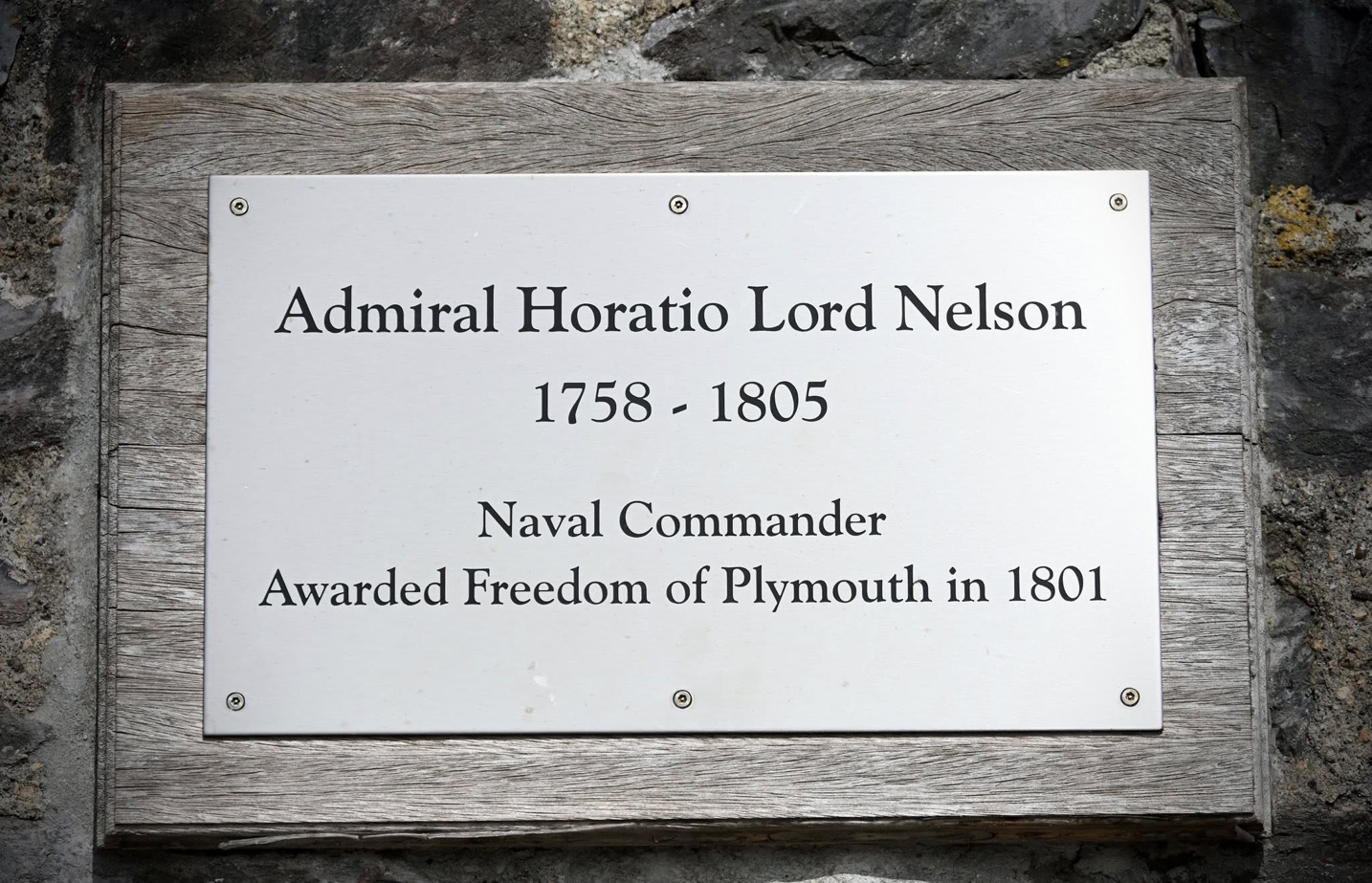
Nelson’s importance to Plymouth was formally recognised in 1801 when he was granted the Freedom of the City following his victories during the wars against France. Contemporary accounts describe huge celebrations as crowds gathered to welcome the admiral, reflecting the extraordinary admiration he commanded among ordinary people and naval communities alike.
During his time in Plymouth in 1801, local historical accounts also place Nelson among the naval officers and dignitaries attending functions at the famous Long Room in Stonehouse then one of the most fashionable assembly rooms in the South West.
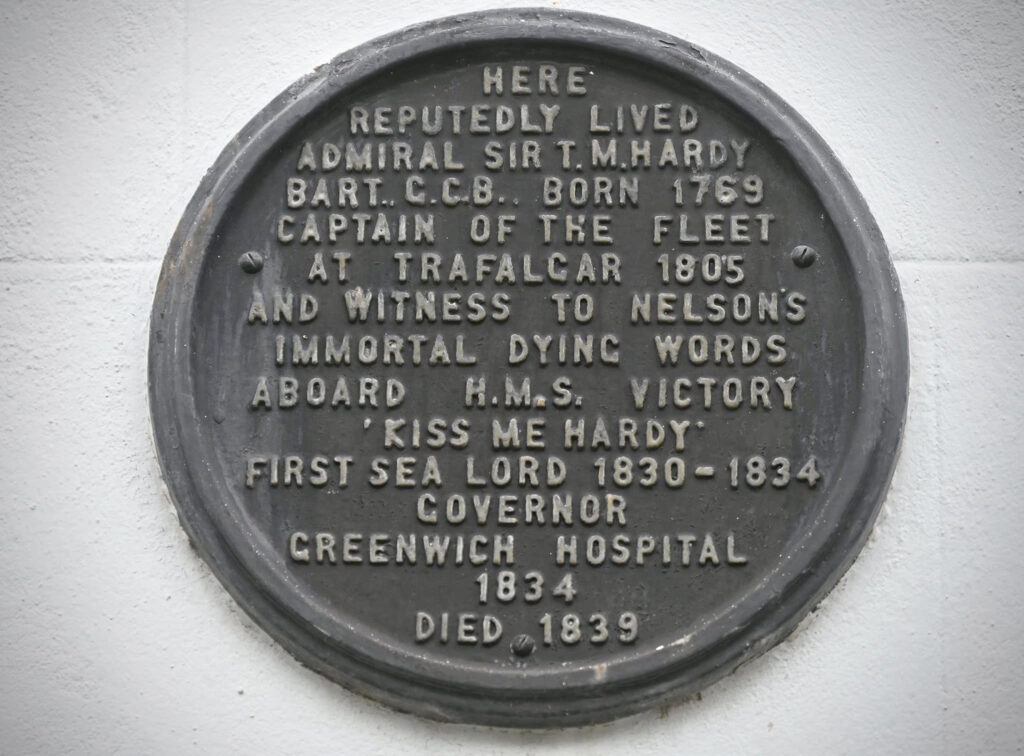
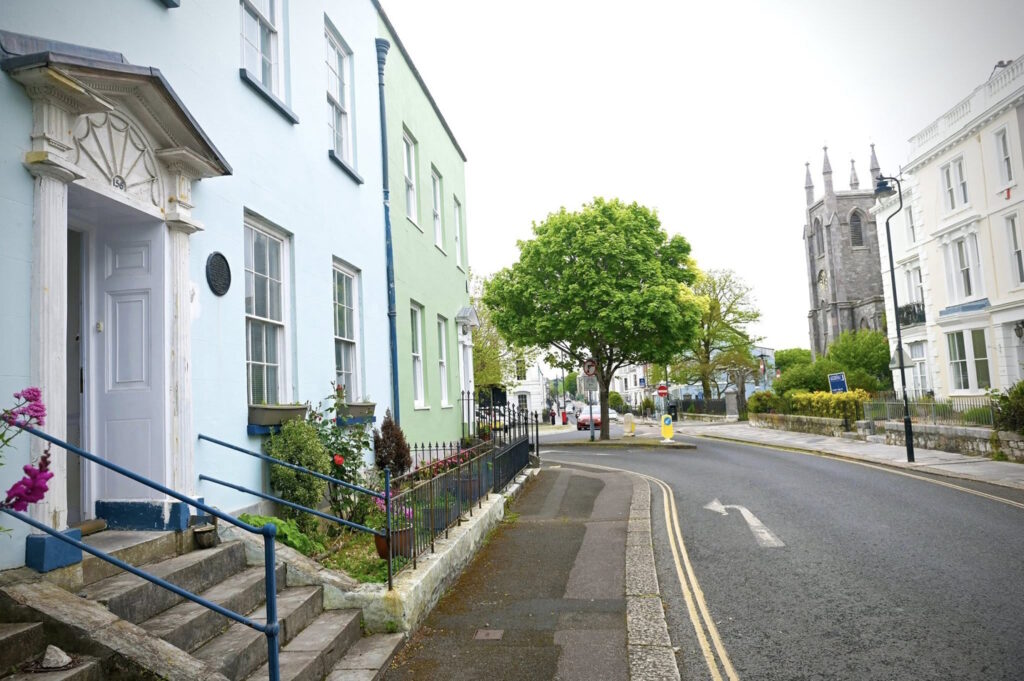
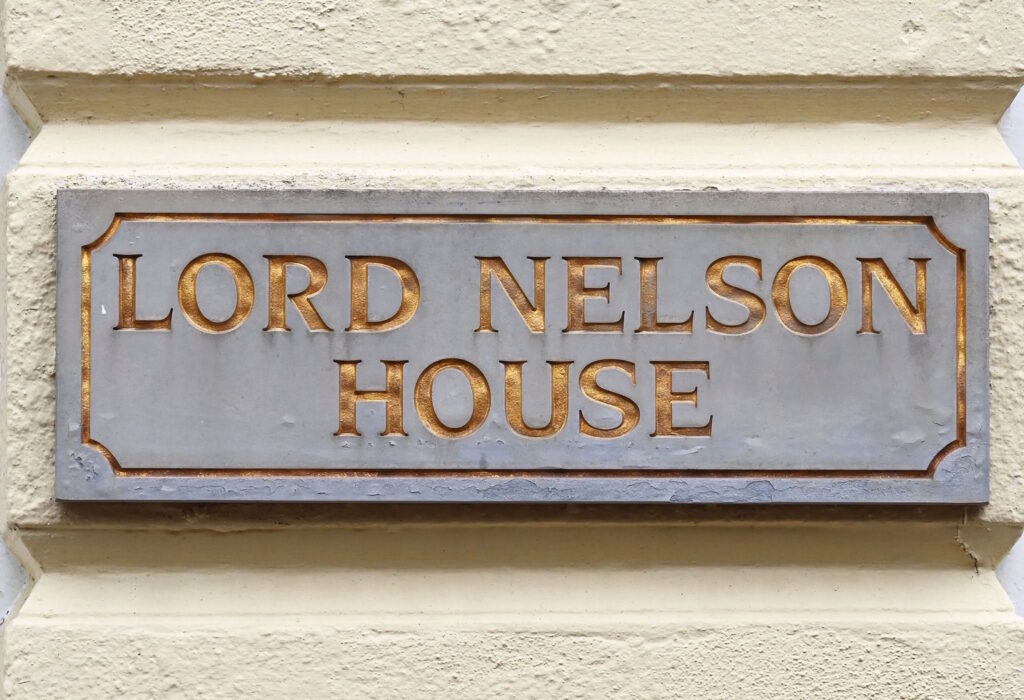
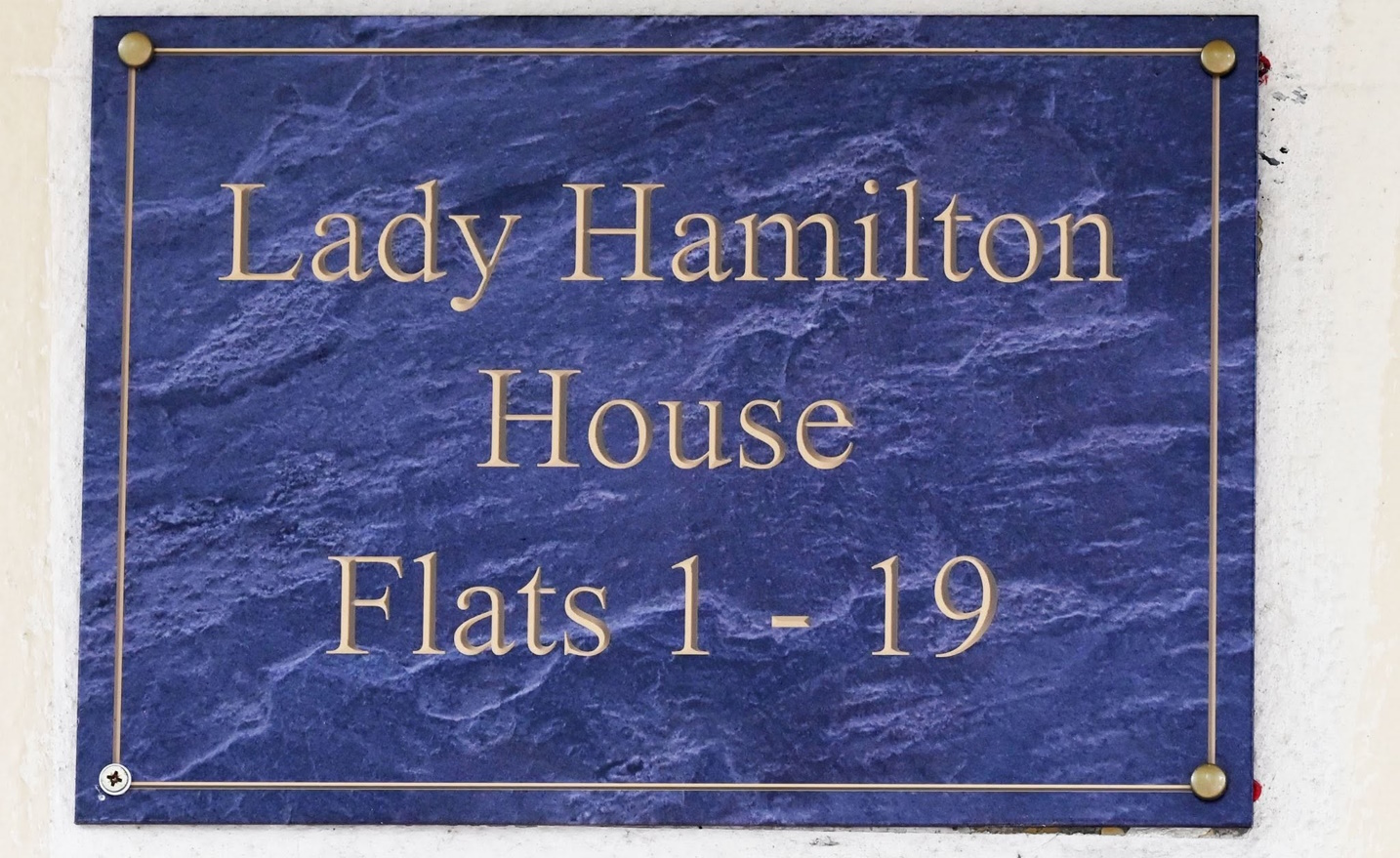
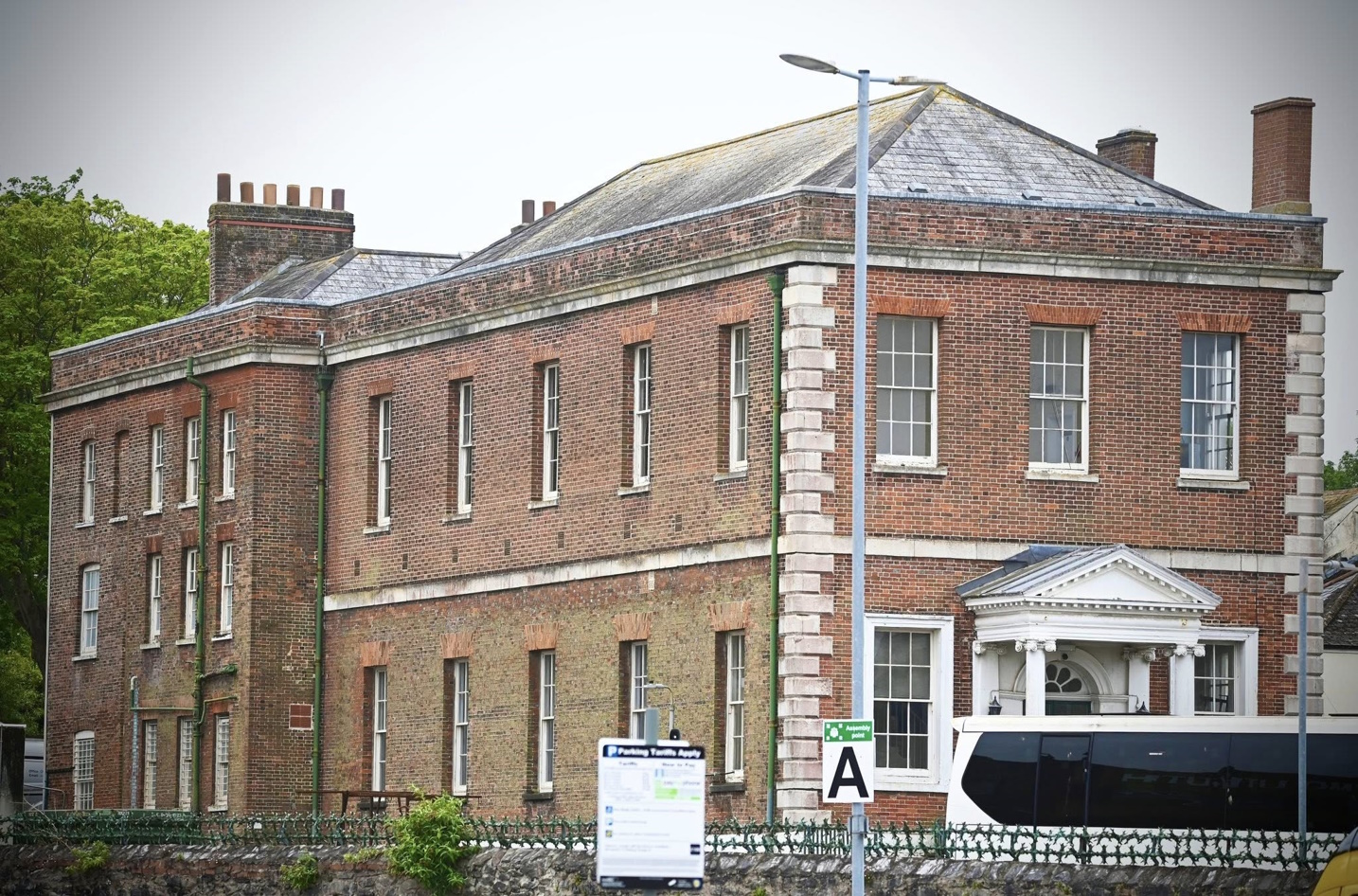
Built around 1760 as an elegant social venue for concerts, balls and gatherings of the local elite, the Long Room became closely associated with naval society during the great wars against France. When senior officers arrived in Plymouth, the building formed part of the city’s social heart, where military figures, merchants and influential local families mixed during periods when fleets were preparing for sea.
Although Nelson spent much of his career deployed abroad and at sea, historians believe he attended a number of functions at the Long Room during his periods ashore in Plymouth, particularly around the celebrations linked to his Freedom of the City in 1801.