The Remarkable Plymouth Cemetery That’s Quietly Preserving the City’s History
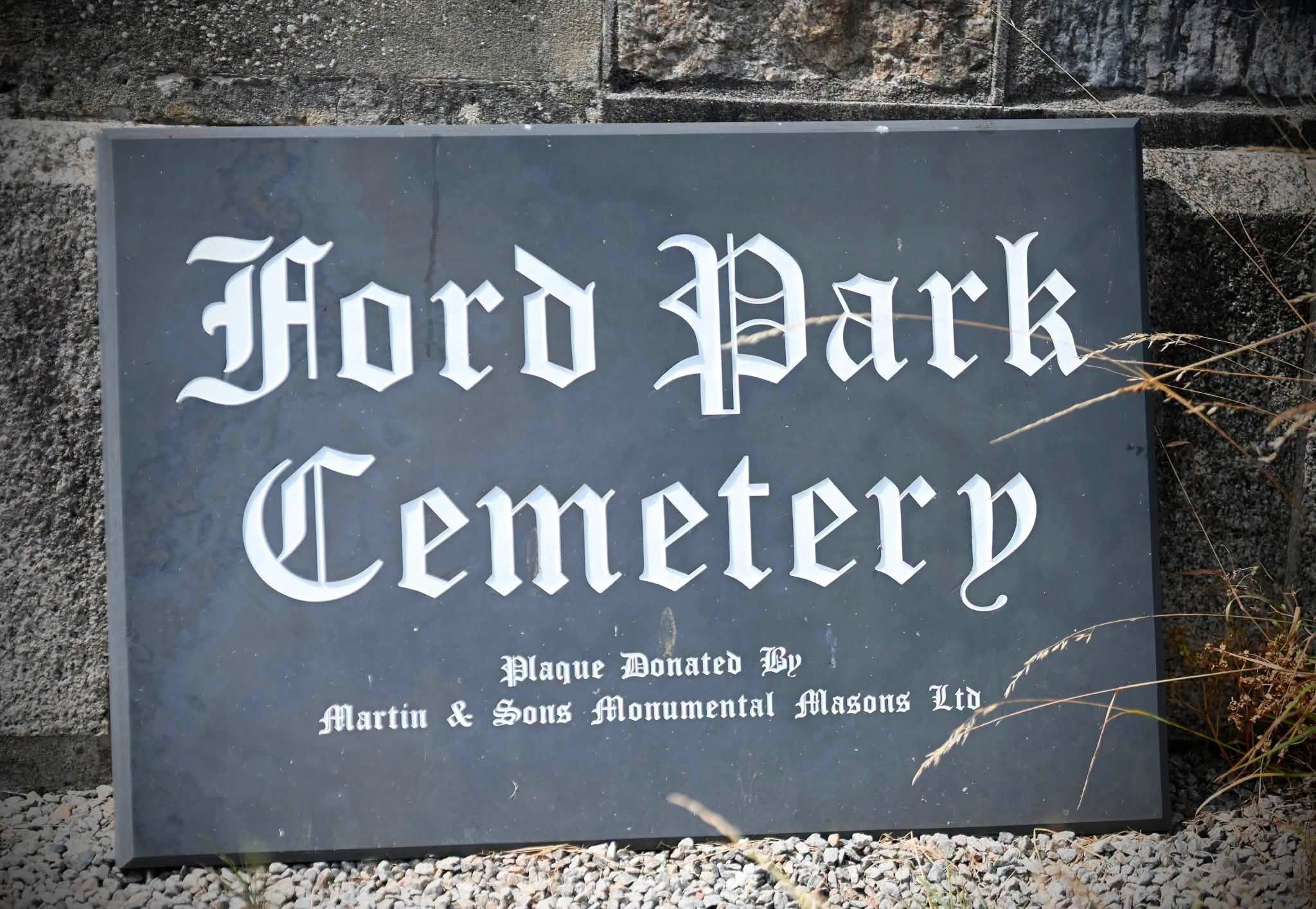
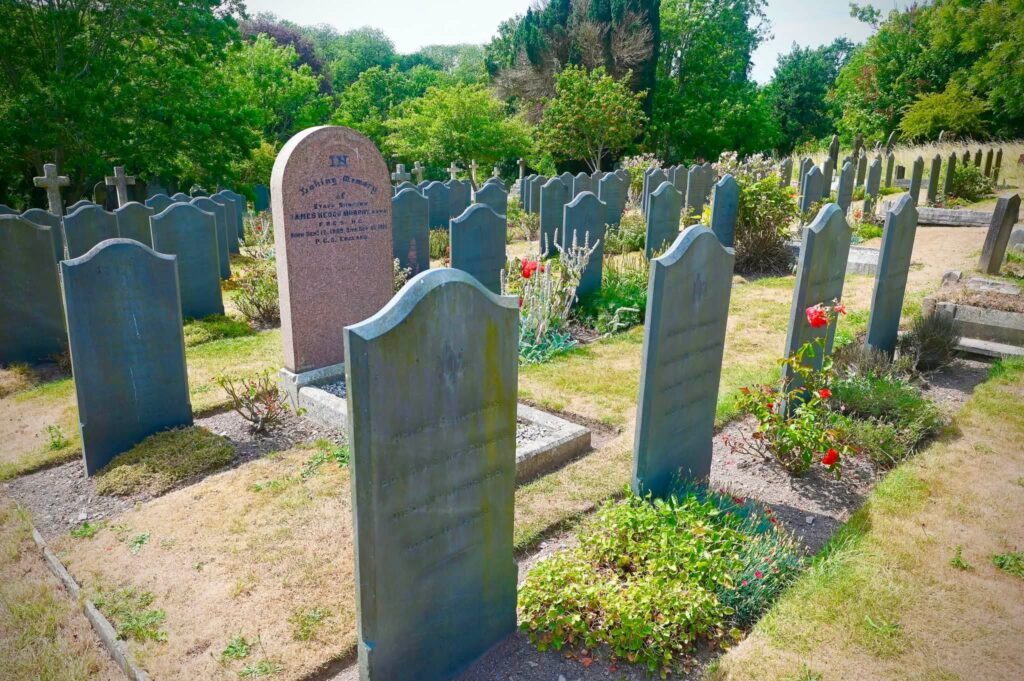
Mention Ford Park Cemetery and many people immediately think of a place of remembrance. Spend a little time there, however, and you quickly discover it is much more than that. It is a historic landscape, a wildlife haven, a community venue and a working organisation that has successfully adapted to meet the needs of modern Plymouth while protecting an important part of the city’s heritage.
Established during the Victorian era, Ford Park Cemetery was created when Plymouth’s growing population meant churchyards could no longer cope with demand. The new cemetery offered a peaceful setting on the edge of the town, with broad avenues, impressive chapels and carefully planned gardens. More than 175 years later, those same principles remain at the heart of the site, although the city has long since grown up around it.
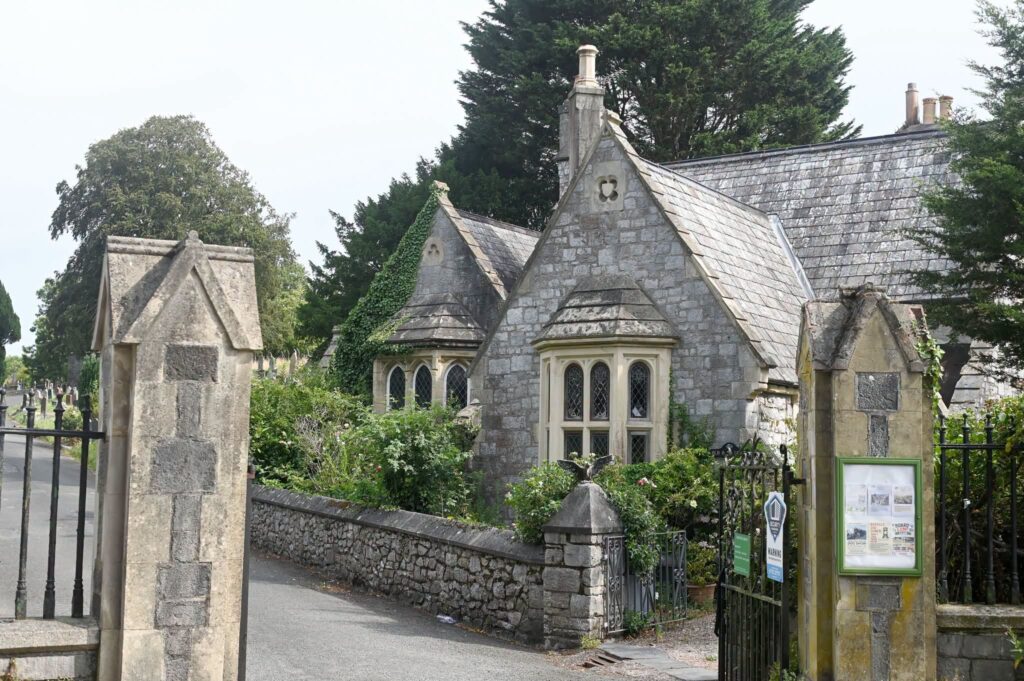
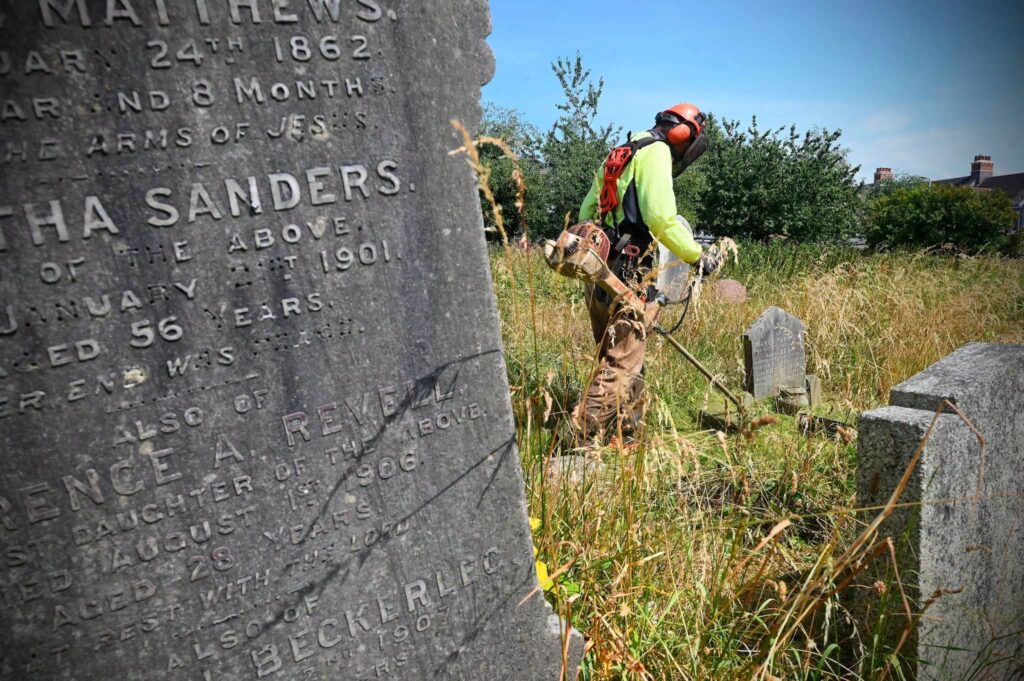
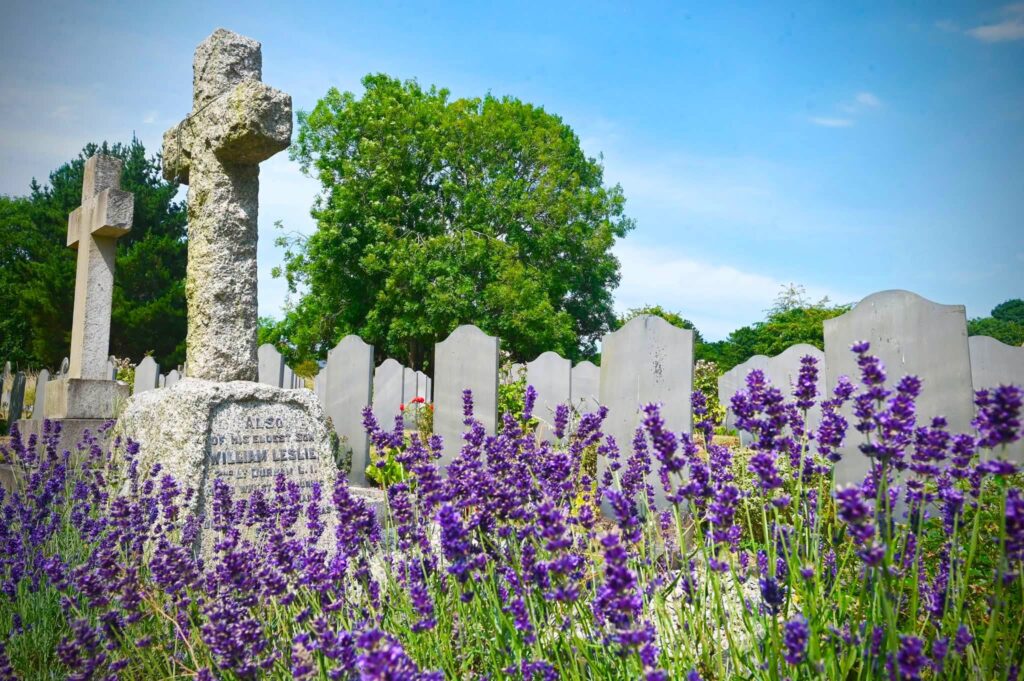
Today, the cemetery continues to provide its most important service by offering burial space for local families. As an active cemetery, this remains its core purpose and one of the main ways it generates the income needed to care for its extensive grounds and historic buildings. Alongside this, its work maintaining Commonwealth War Graves plays a significant role in supporting the long-term future of the cemetery while ensuring the final resting places of service personnel are cared for to the highest standard.
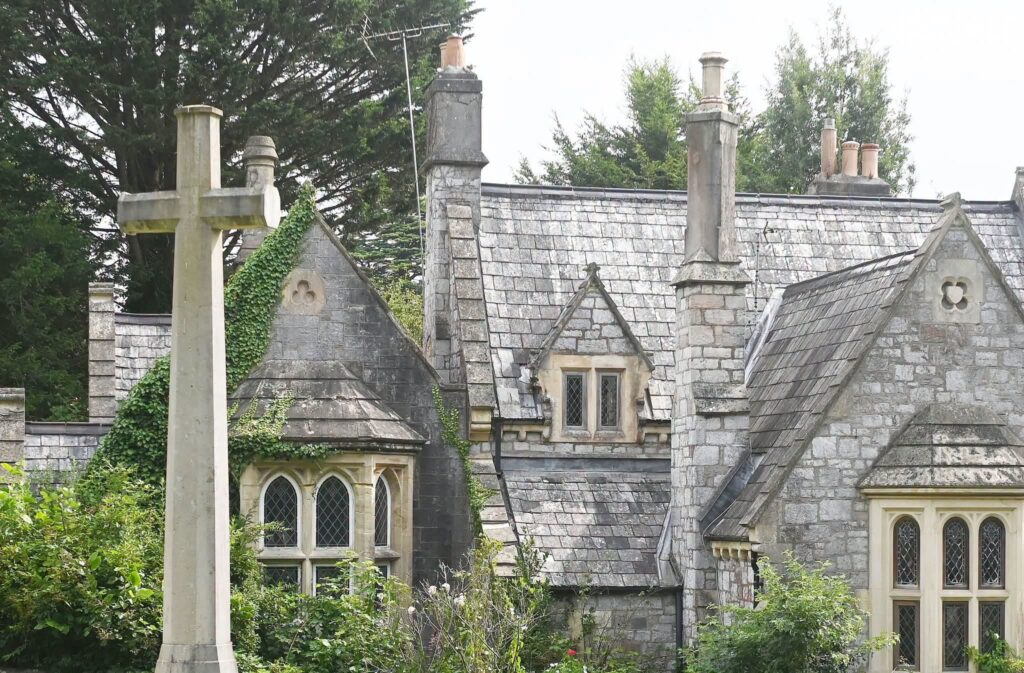
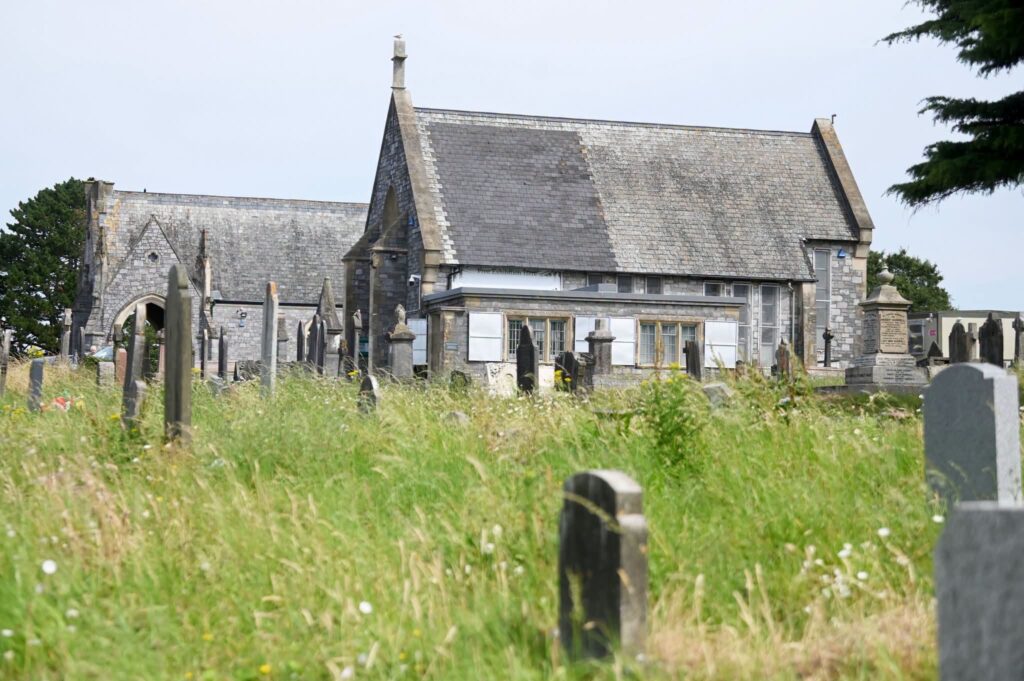
The cemetery also carries a visible reminder of Plymouth’s wartime history. During the Blitz, one of its chapels was destroyed by enemy bombing. Rather than allowing that loss to define the site, a replacement building was created and has since been given a completely new lease of life. It now serves as the Visitor Centre, welcoming people from across the city and beyond. Visitors can enjoy exhibitions, browse displays created by the Heritage Team, stop for a coffee and simply take in the peaceful surroundings. It has become a place where history is shared, conversations are started and the community comes together.
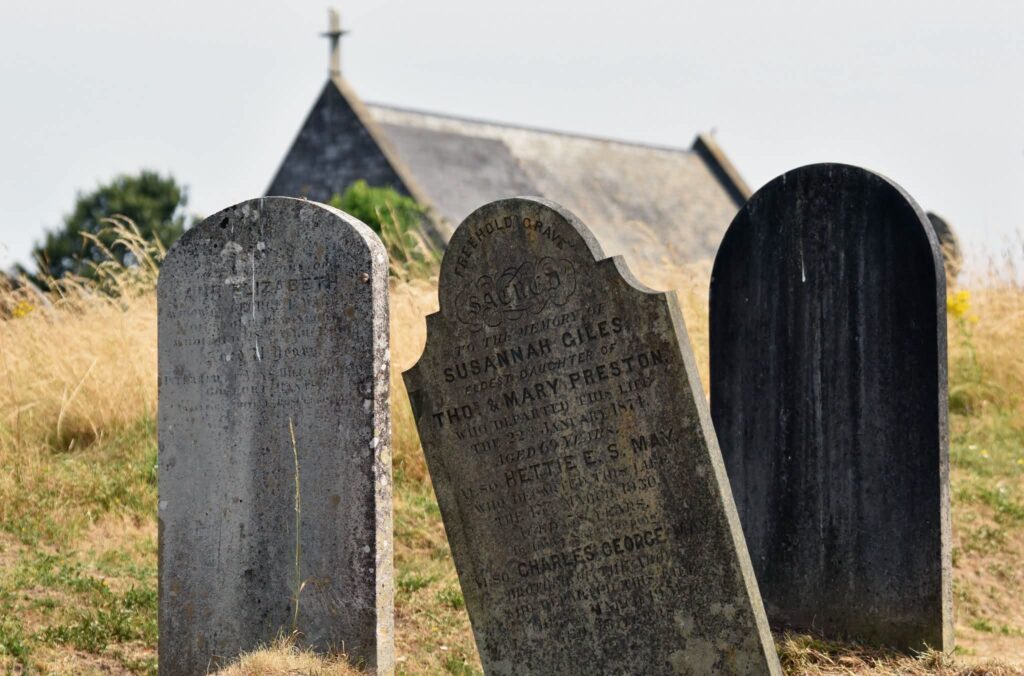
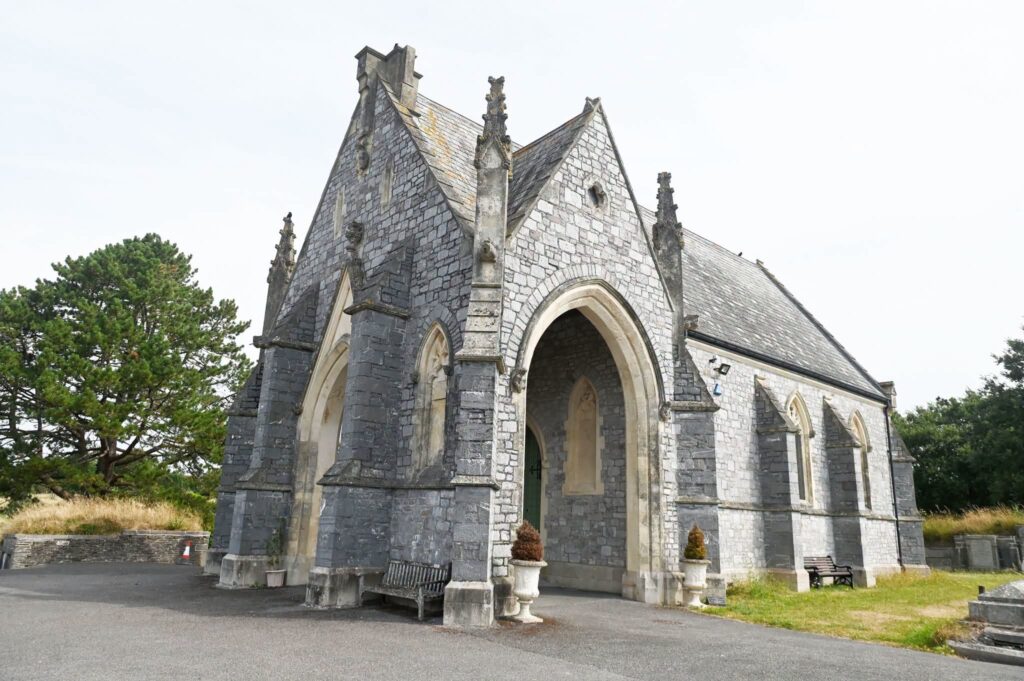
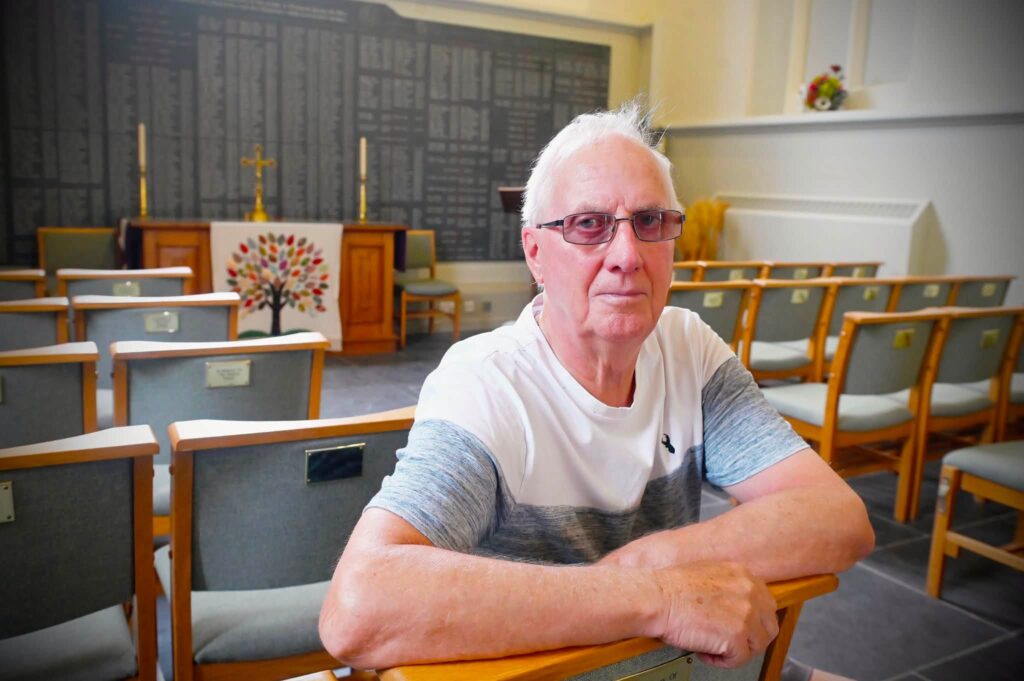
Across the grounds, the original Victorian chapel has also found a new role. Beautifully restored, it is now available not only for funeral services but also for wedding ceremonies, allowing another historic building to remain in regular use while helping to support the organisation financially. It is a wonderful example of how heritage buildings can continue serving the public without losing their character or significance.
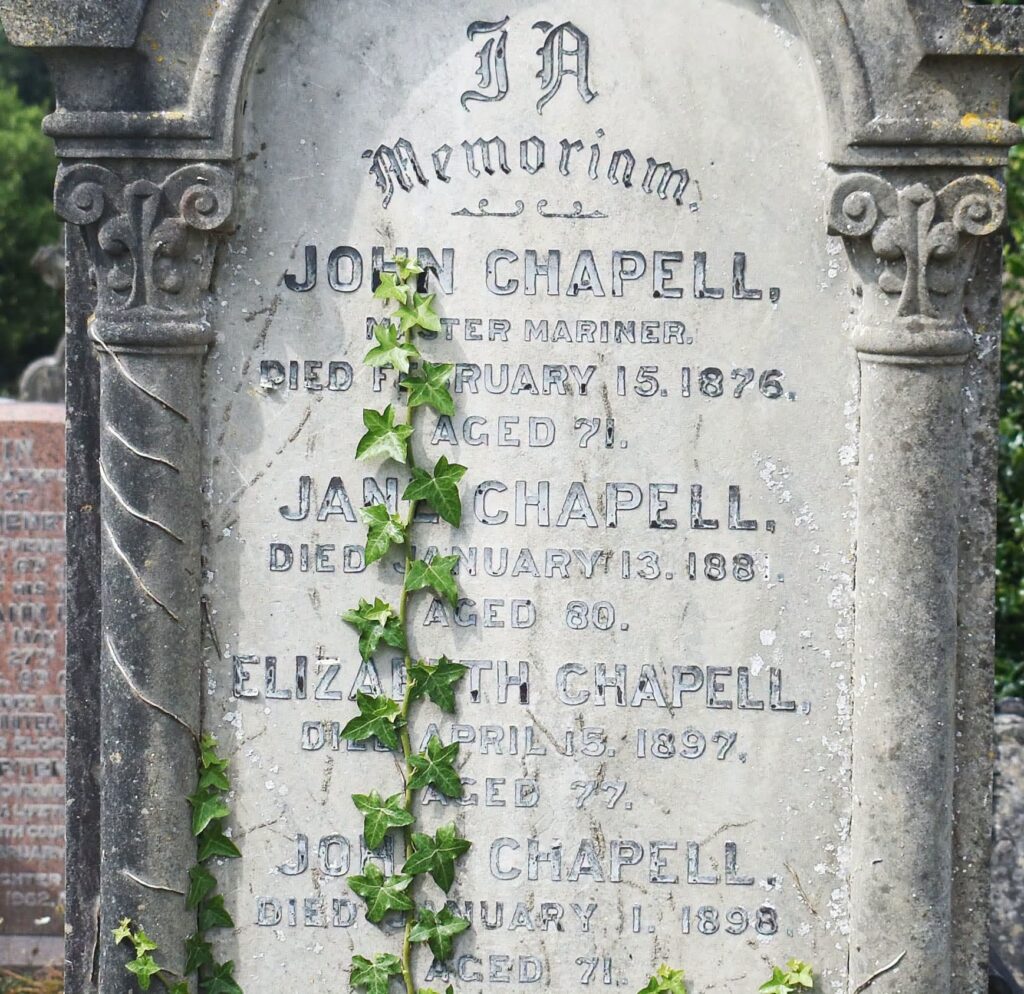
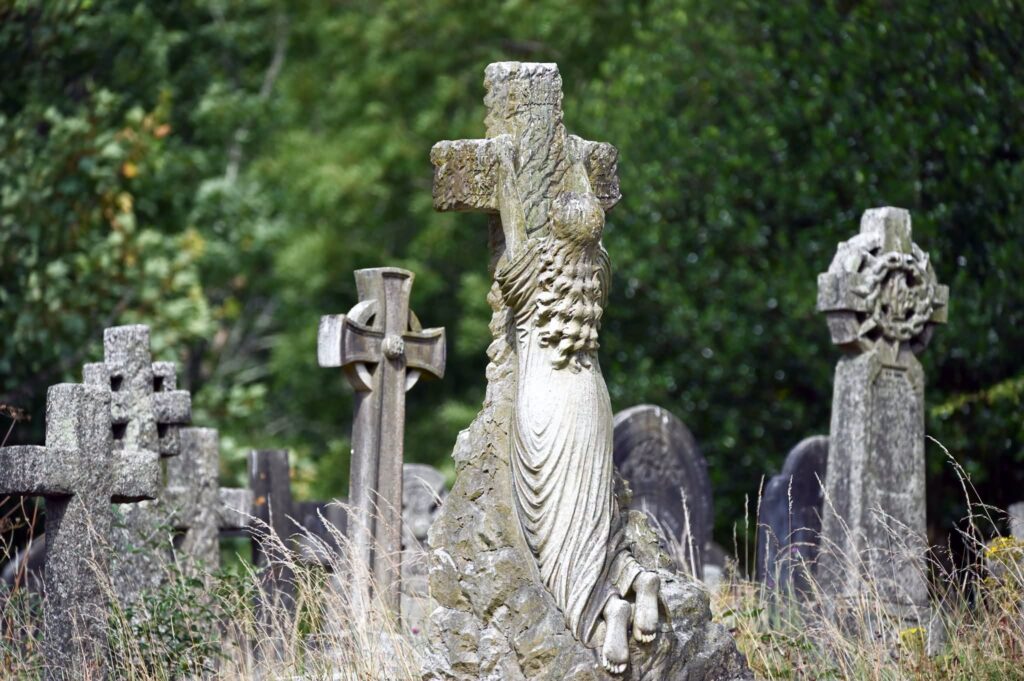
One of the cemetery’s greatest strengths is the enthusiasm of its volunteers and Heritage Team. Throughout the year they organise guided walks, talks and exhibitions that uncover the fascinating stories behind the people buried there. Military heroes, business leaders, artists, civic figures and ordinary Plymouth residents all have their own stories to tell, offering visitors a unique insight into the people who helped shape the city over the generations.
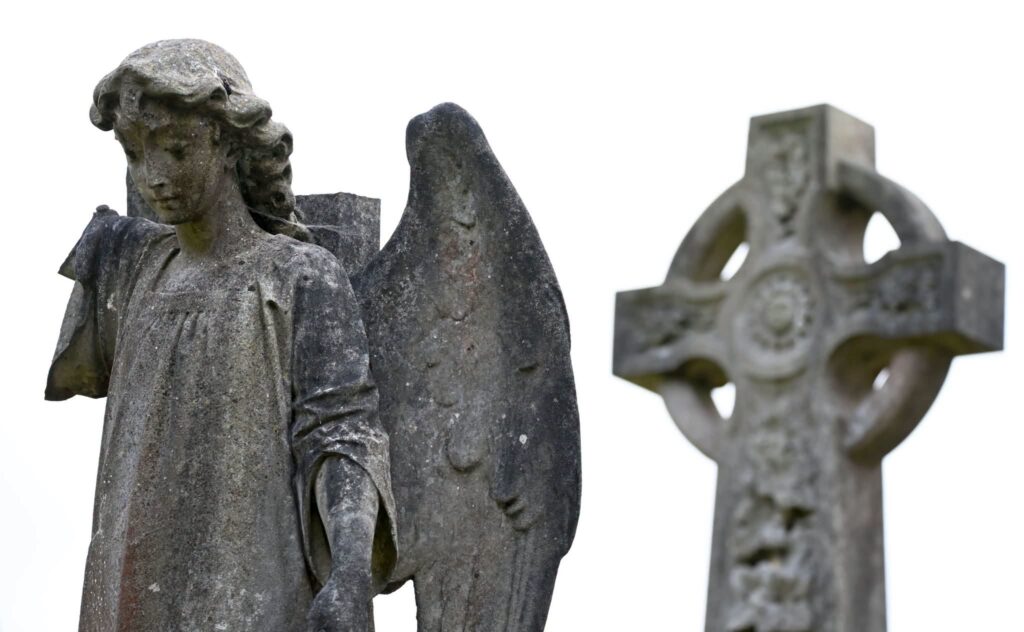
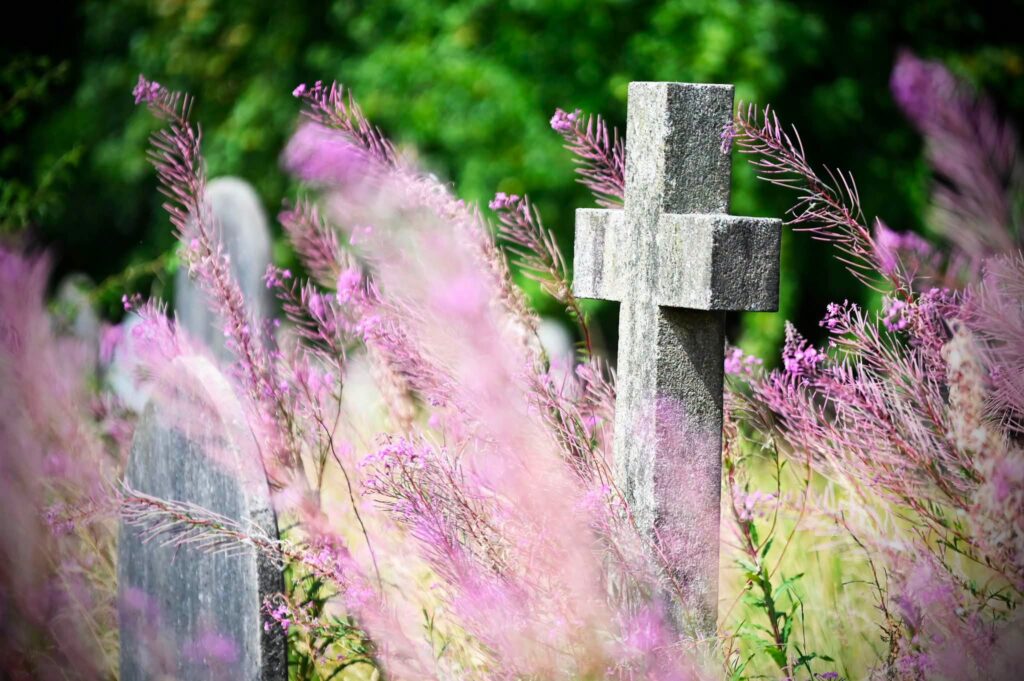
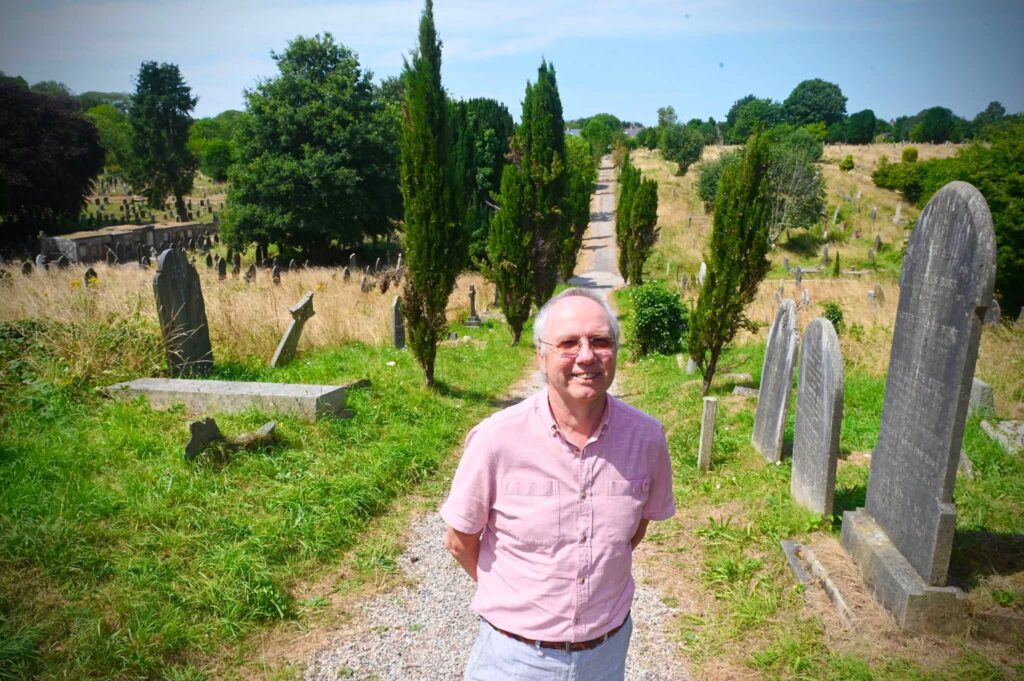
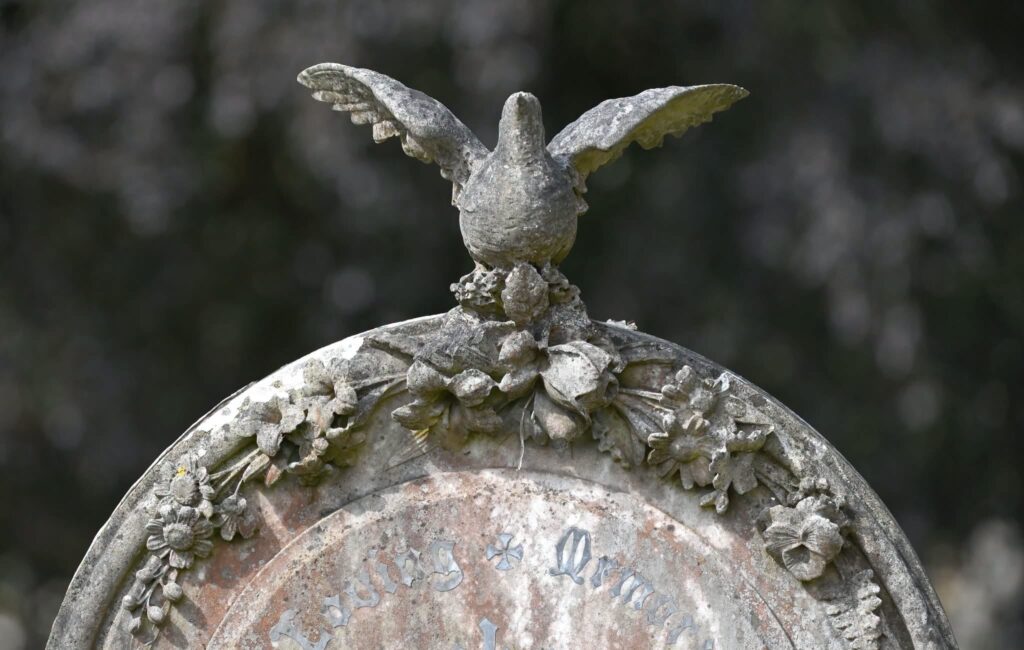
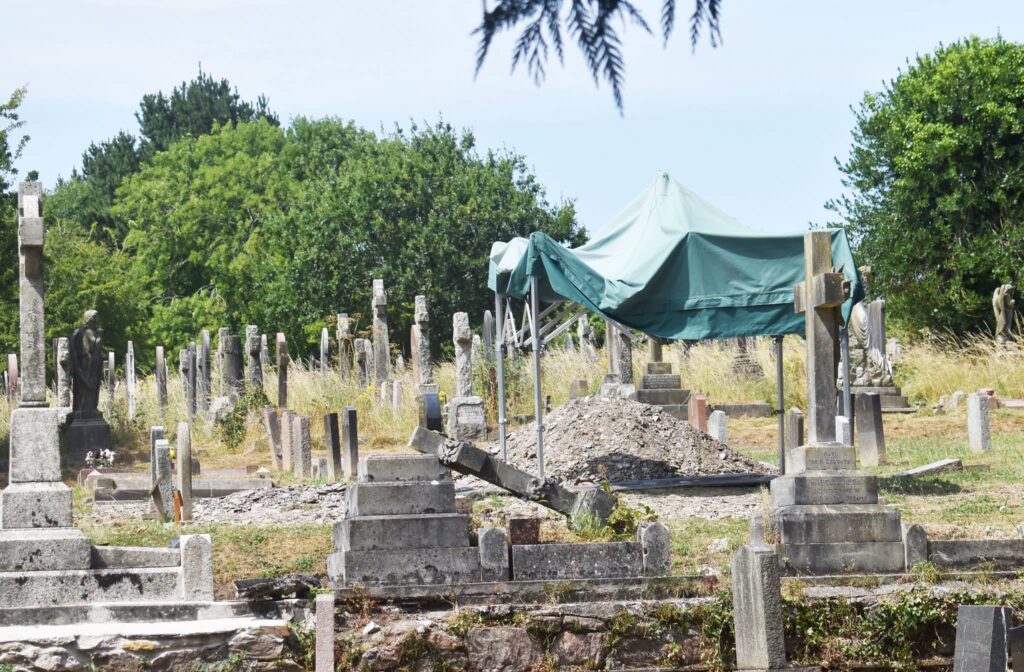
For many local people, though, Ford Park Cemetery is simply somewhere to escape the pace of everyday life. The mature trees, winding pathways and carefully maintained grounds make it one of Plymouth’s most peaceful green spaces. Birdsong often replaces traffic noise, and it is not unusual to see visitors quietly exploring the historic monuments, enjoying a gentle walk or taking a few moments to reflect.
What makes Ford Park Cemetery so special is its ability to balance respect for the past with the practical needs of the present. Every burial, heritage event, wedding, exhibition, guided tour and cup of coffee served in the Visitor Centre helps support the continued care of this remarkable place.
In an age when many historic sites struggle to survive, Ford Park Cemetery has found a way to remain relevant, welcoming and financially sustainable. It is preserving Plymouth’s history while continuing to serve the community every day.
Whether you visit to explore the city’s past, attend a heritage event, enjoy the café, celebrate a wedding, remember a loved one or simply take a peaceful walk among the trees, Ford Park Cemetery offers far more than many people realise. It is one of Plymouth’s quiet success stories a place where history is not only remembered but continues to live on.
Photographs and Video © Wayne Perry / Plymouth Post