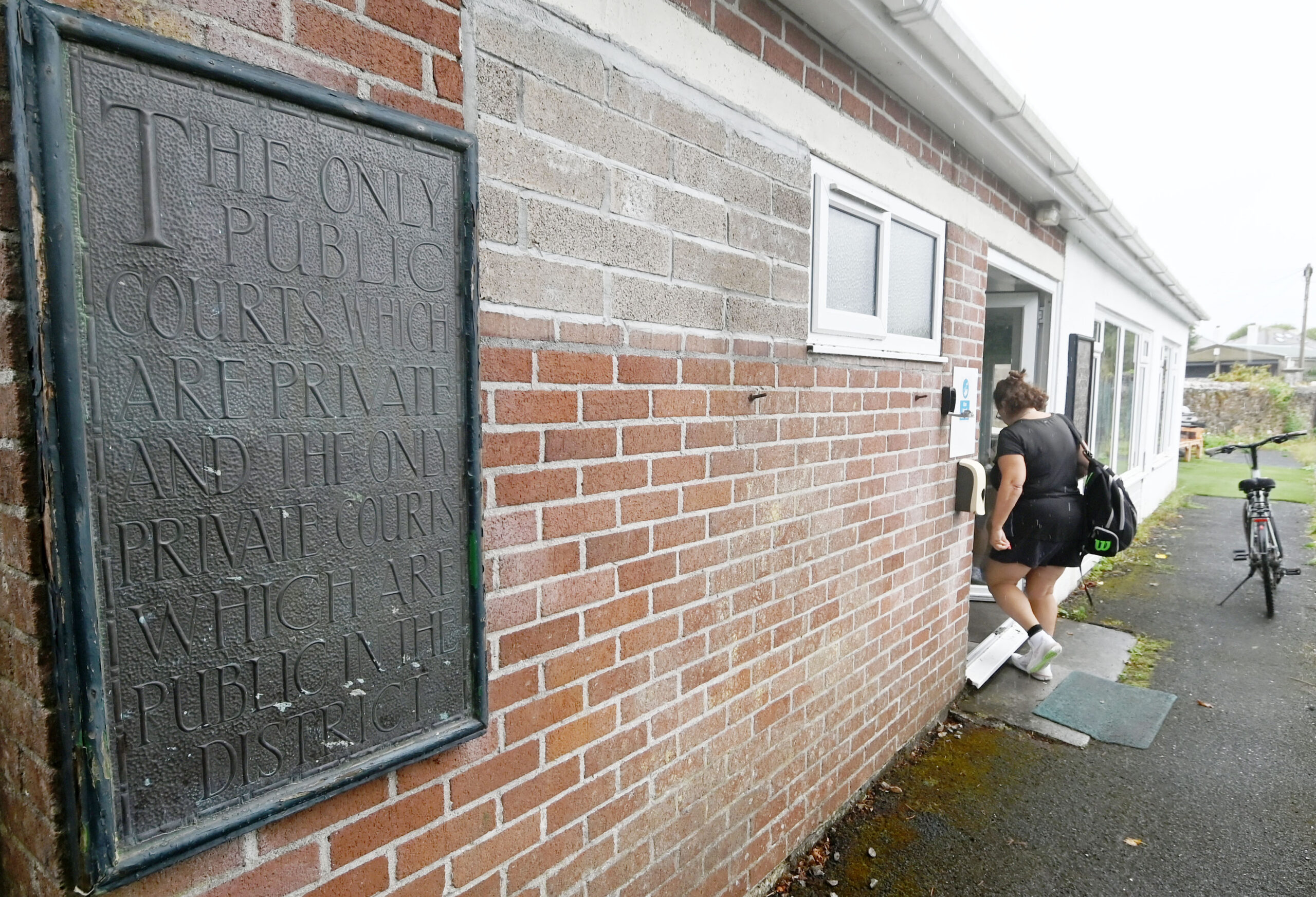
The Remarkable History of Carhullen and Hill Lane Tennis Club
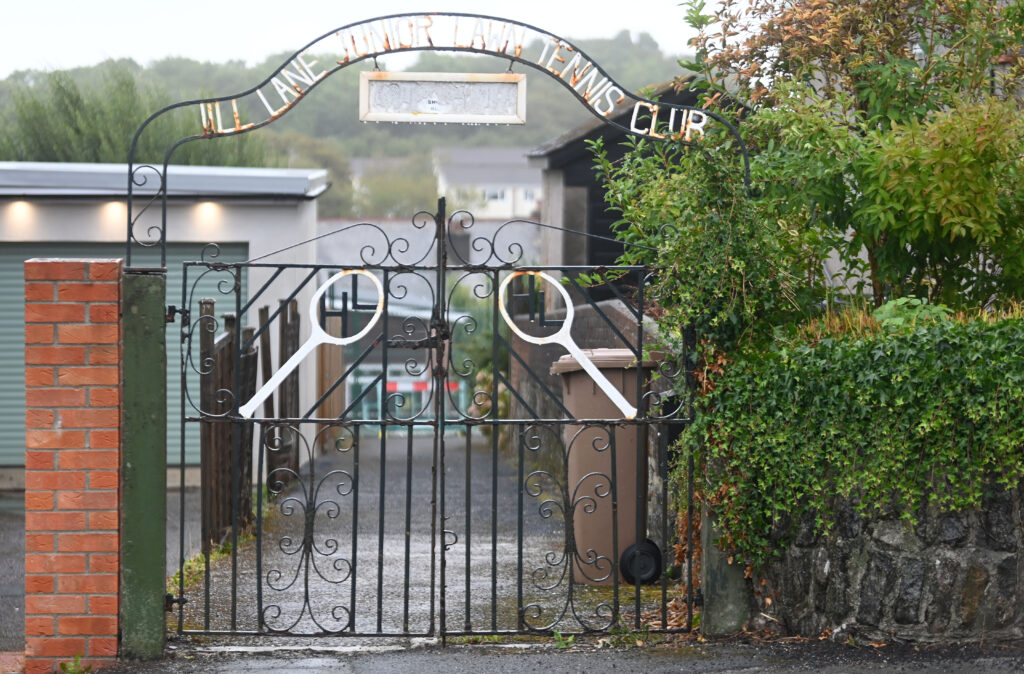
There are sporting venues in Plymouth that have come and gone, but few can claim a connection with the city’s sporting history quite like the tennis courts at Lockington Avenue. For around a century the site has been associated with tennis, first through Carhullen Lawn Tennis Club and, since the 1990s, as part of Hill Lane Tennis Club and its history contains a chapter that would be hard to match anywhere else in the city.
In 1931, the courts hosted an international Davis Cup tie between Great Britain and Monaco, the only Davis Cup match ever played in Plymouth. Great Britain won 5–0, and among the British team was a young Fred Perry, making his Davis Cup debut.
The history of tennis at Lockington Avenue goes back to 1926, when the club was established as Carhullen Lawn Tennis Club. The unusual name has a Plymouth connection: according to local historian Chris Robinson, Carhullen was the name of the Hartley home of William Law, Plymouth’s Mayor from 1892 to 1895, whose family had connections to a place called Carhullen in the Lake District.
Carhullen was selected to host the first-round Davis Cup tie against Monaco, played from April 23 to 25, 1931 a tie that brought some of the country’s leading players to the city, Fred Perry among them. Perry was still a rising star, and his appearance at Carhullen came at the beginning of what would become one of the greatest careers in British tennis. He would go on to win Wimbledon three times in singles, becoming the first British man to win the men’s singles title in the modern era of the championship. A surviving 1931 Davis Cup programme confirms the occasion, listing the Great Britain and Monaco players and identifying Carhullen Lawn Tennis Club as the venue.
The story of Carhullen was not simply about elite competition. Like many long established sporting clubs, it provided a place where generations of local people could play, socialise and compete, and its history became intertwined with the development of junior tennis in Plymouth after the Second World War.
In 1949, local solicitor B. Hamilton Whiteford established Hill Lane Junior Tennis Club on the nearby Hill Lane site, inspired by seeing children’s tennis activities at neighbouring Carhullen. The club was created specifically for players under 18 and designed to be run by the young members themselves, with an elected junior committee adults were generally excluded from the grounds, apart from Whiteford himself and occasions such as tournament finals.
Among the young players connected with the Hill Lane and Carhullen story was Angela Mortimer, whose rise would take her far beyond Plymouth. Mortimer became one of Britain’s leading tennis players, reaching world number one in 1961, the same year she won the Wimbledon women’s singles title, and went on to win three Grand Slam singles titles. One of the earliest pieces of silverware associated with her career came in Plymouth, Hill Lane’s history records that Mortimer won the Carhullen Challenge Vase in 1948 after winning the Plymouth Schools Girls Doubles title.
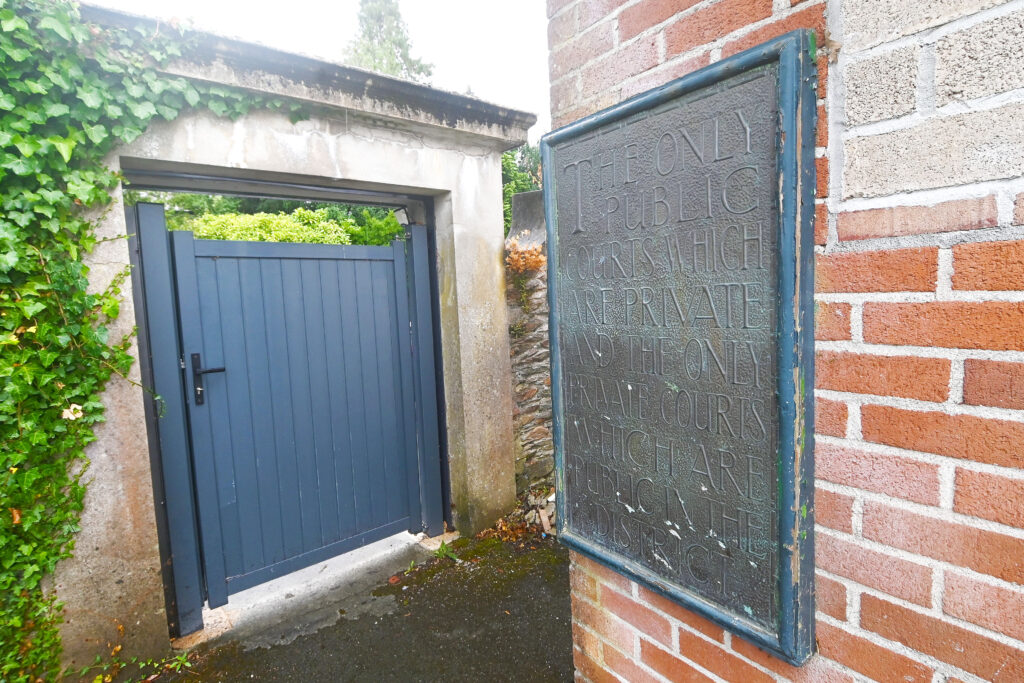
Over the decades, the Hill Lane name became increasingly associated with junior tennis, while Carhullen remained an established adult club at Lockington Avenue, the two sites only a short distance apart. Hill Lane’s history also records that the club went on to produce junior Wimbledon champions, including Janet Scobie and Julia Gilkerson in the girls’ doubles and Nuala Dwyer in the girls’ singles.
Although the Carhullen club itself eventually ceased to operate independently, its name did not disappear overnight Plymouth City Council records from the 1980s still refer to Carhullen Tennis Club at Lockington Avenue.
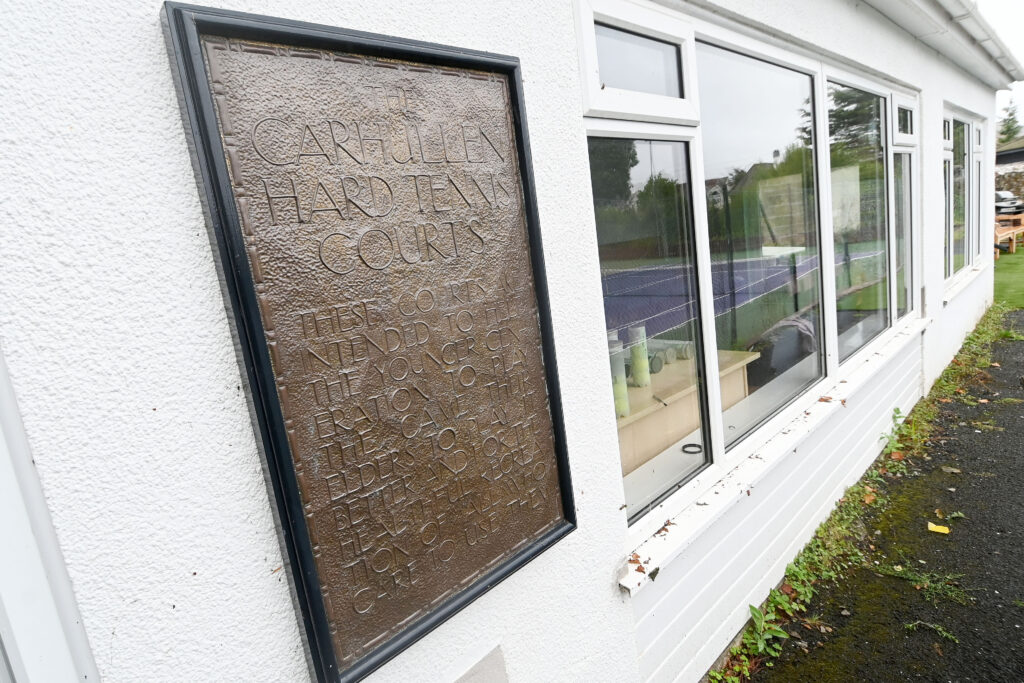
The decisive change came in 1996, when, according to Hill Lane Tennis Club’s official history, the former Carhullen Tennis Club site was adopted into Hill Lane Tennis Club, bringing the two strands of the story together. Today, the Hill Lane site is primarily used for juniors, while Lockington Avenue is the adult site and is also used for external competitions. The two locations are only around 200 metres apart.
The club’s history has not always been one of uninterrupted success. By the late 2000s, Hill Lane Tennis Club had fallen on difficult times, with membership in decline. A new committee took over in 2008 and began rebuilding the organisation, and the following year Hill Lane merged with Russell Avenue Tennis Club, with the sale of the Russell Avenue site providing important funds for the club’s recovery. By 2010 the club had its own dedicated coaching team, and the emphasis on junior development once again became central to its identity.

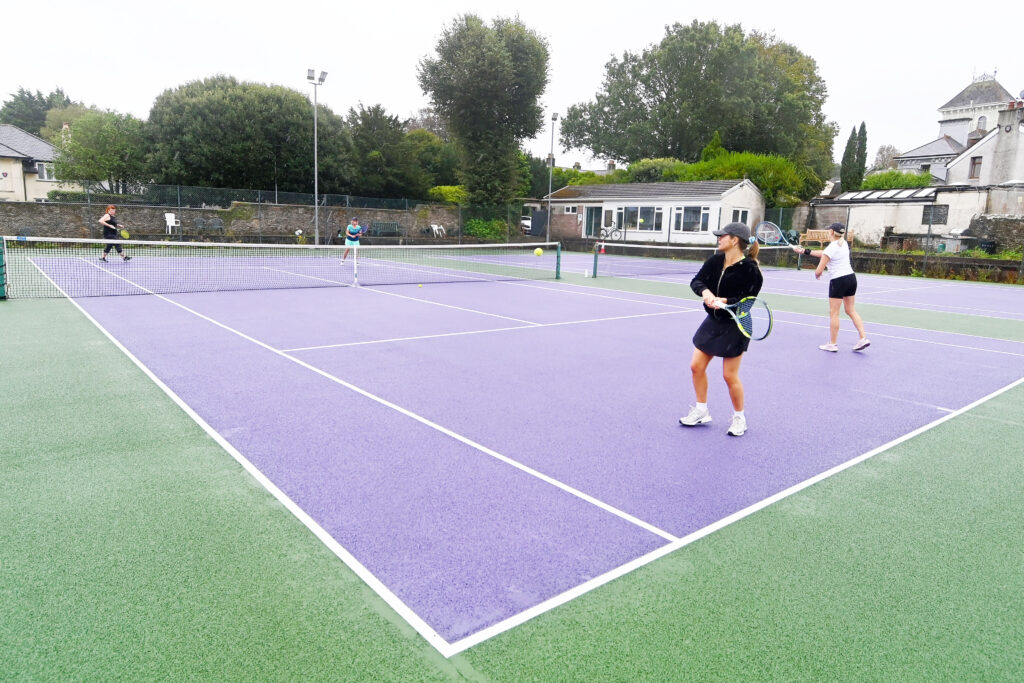
Today, Hill Lane Tennis Club operates as a community-based club across its two nearby sites, welcoming players of different ages and abilities. The Lockington Avenue courts continue to provide the adult tennis base, with floodlights allowing play into the evening, while the junior programme continues the tradition established in 1949.
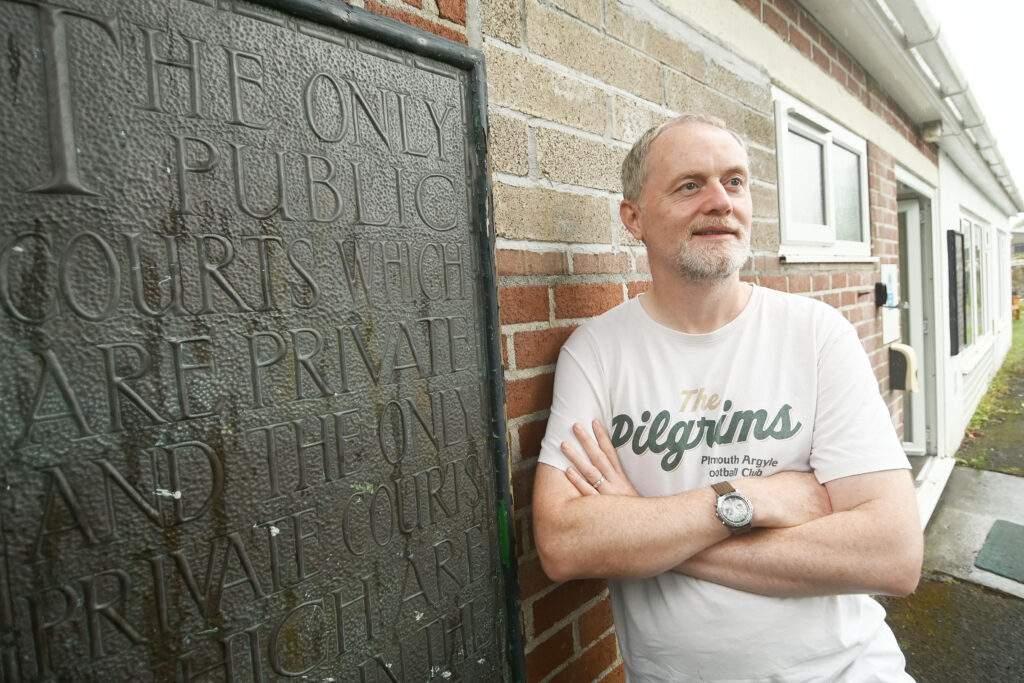
“I’ve been coming to this club since my kids were small,” said Barry Rogers, a former chairman of Hill Lane Tennis Club. “It’s a great place to be, and we’re really enjoying our centenary year.”
The names may have changed, the courts may have changed, but the basic scene remains familiar a player walks onto the court, picks up a racket and waits for the first serve, just as players have done at this corner of Plymouth for around 100 years. From Carhullen to Hill Lane, Lockington Avenue has become more than a tennis venue. It is a living piece of Plymouth sporting history.
Photographs © Wayne Perry / Plymouth Post