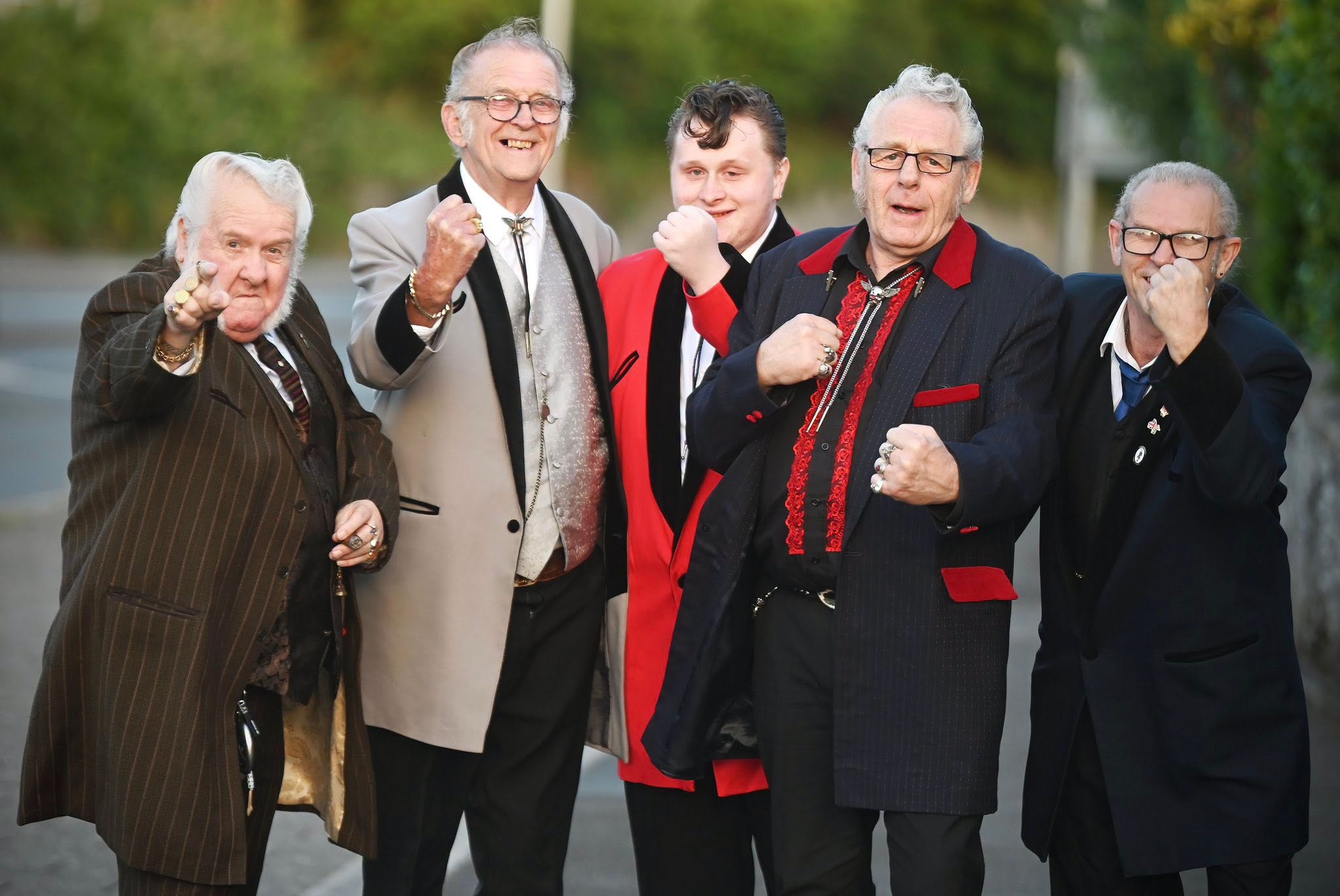
Sharp drape jackets with velvet collars, creeper shoes, slicked back hair and rock ‘n’ roll blasting from the jukebox at the local milk bar these were the young working-class men who shocked post-war Britain, created something entirely their own, and refused to disappear.
More than 70 years on, the culture is still alive. And here in Plymouth, it is still very much kicking.
Britain’s First Rebel Generation
The Teddy Boys emerged in the early 1950s, in a Britain still rebuilding after the Second World War. Rationing had only just ended, bombsites were still a feature of many town centres, and life for most working-class families remained hard and grey.
But for the first time, young working-class men had a little money in their pockets and some of them decided to spend it on themselves.

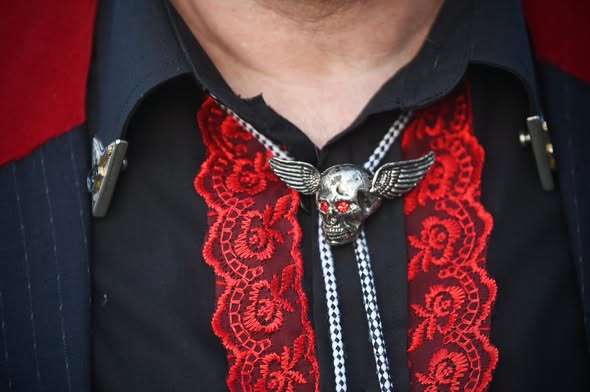
They began adopting a style inspired by Edwardian tailoring long drape jackets, slim trousers, bootlace ties and highly polished shoes. The media shortened “Edwardian” to “Ted”, and the Teddy Boy was born.
But it was never just about the clothes.
This was the first time British teenagers openly created their own identity separate from their parents’ generation. They gathered in coffee bars, milk bars, the local palais and on street corners the length and breadth of the country, embracing American rock ‘n’ roll at a time when much of Britain still felt conservative and buttoned-up.
When Elvis Presley, Bill Haley, Eddie Cochran, Gene Vincent and Little Richard exploded onto the scene their records picked up in Woolworths or heard crackling through a wireless the Teds embraced them completely. For older generations, it was unsettling. For the young people themselves, it was freedom.
Rooted In The Music
The Teddy Boys were among the first in Britain to fully embrace the roots of rock ‘n’ roll music born from rhythm and blues, gospel and the Black American musical tradition that transformed popular culture forever.
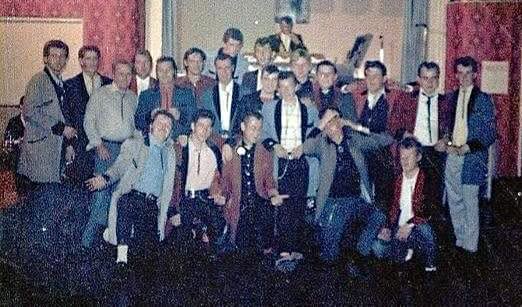
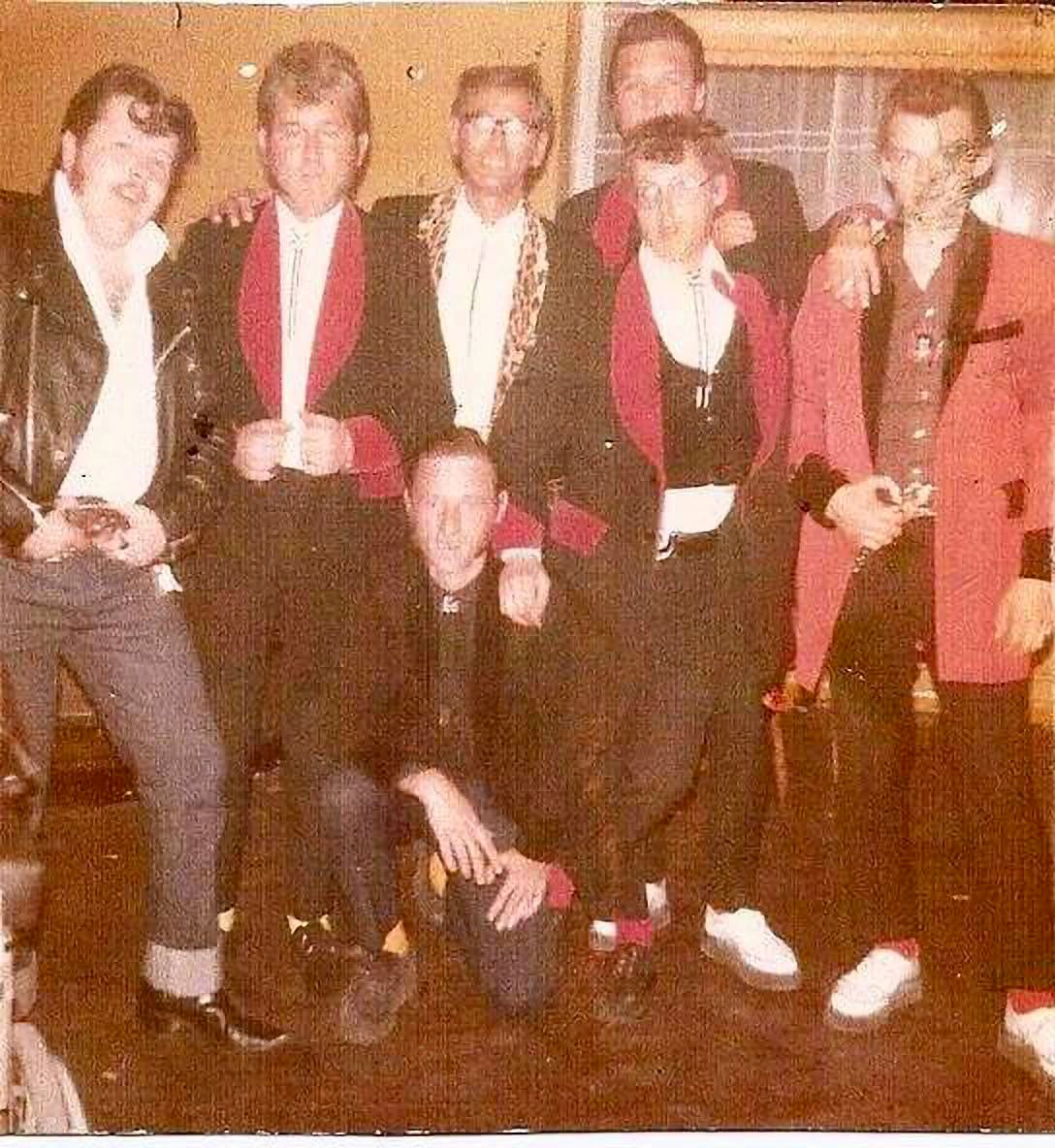
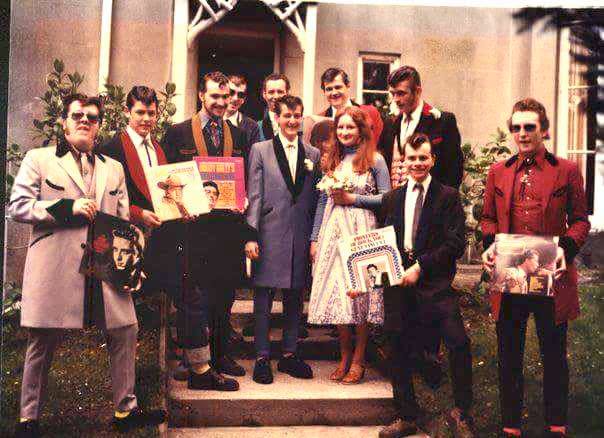
But the Teds didn’t simply import American culture wholesale. They made it their own, filtered through back streets, working men’s clubs, seaside towns and city dance halls across Britain. The music was American. The attitude was entirely British.
That connection to American culture also explains why some in the scene adopted the Confederate flag as a symbol of rebellion and youth identity a reflection of rock ‘n’ roll’s outsider spirit rather than any political statement, a tradition some still carry today.
Plymouth’s Living Scene
While many people think of Teddy Boys as something belonging to black-and-white photographs or old Pathé newsreels, the reality is very different.
The scene never died.
Here in Plymouth, dedicated rock ‘n’ roll fans still meet regularly to dance, dress in classic 1950s style and celebrate the music that defined an era. At the heart of that local scene is the Hot Rockin’ 50s Rock and Roll Club, held at St Budo Community Centre a place where the spirit of the era is kept genuinely alive.
Inside, you will find real dancing, vintage fashion, classic rock ‘n’ roll and people of all ages united by a shared love of the music and the culture. For older members, it reconnects them with a way of life they grew up around the dance halls, the drape jackets, the music that once felt like it belonged only to them. For younger people discovering it for the first time, it offers something increasingly rare, authenticity, real community, and a direct link to Britain’s original youth rebellion.
Getting Older And Badder
There is a saying well known within the rock ‘n’ roll scene:
“Teddy Boys don’t die… they just get older and badder.”
And perhaps that quiet, stubborn defiance is exactly why the culture has survived when so many others faded away.
Because beneath the quiffs, the drape jackets and the music lies something very British, a refusal to conform, a love of individuality, and a bloodyminded determination to keep a unique piece of British cultural history alive.
The dance floors are still spinning. The music is still playing. And in Plymouth, the spirit of Britain’s original rebel generation is still very much alive.
The Hot Rockin’ 50s Rock and Roll Club meets at Saint Budeaux Community Centre, Plymouth.
Are you part of a scene which we could feature next ?
Photographs & Video © Wayne Perry / Plymouth Post Plymouth Post