
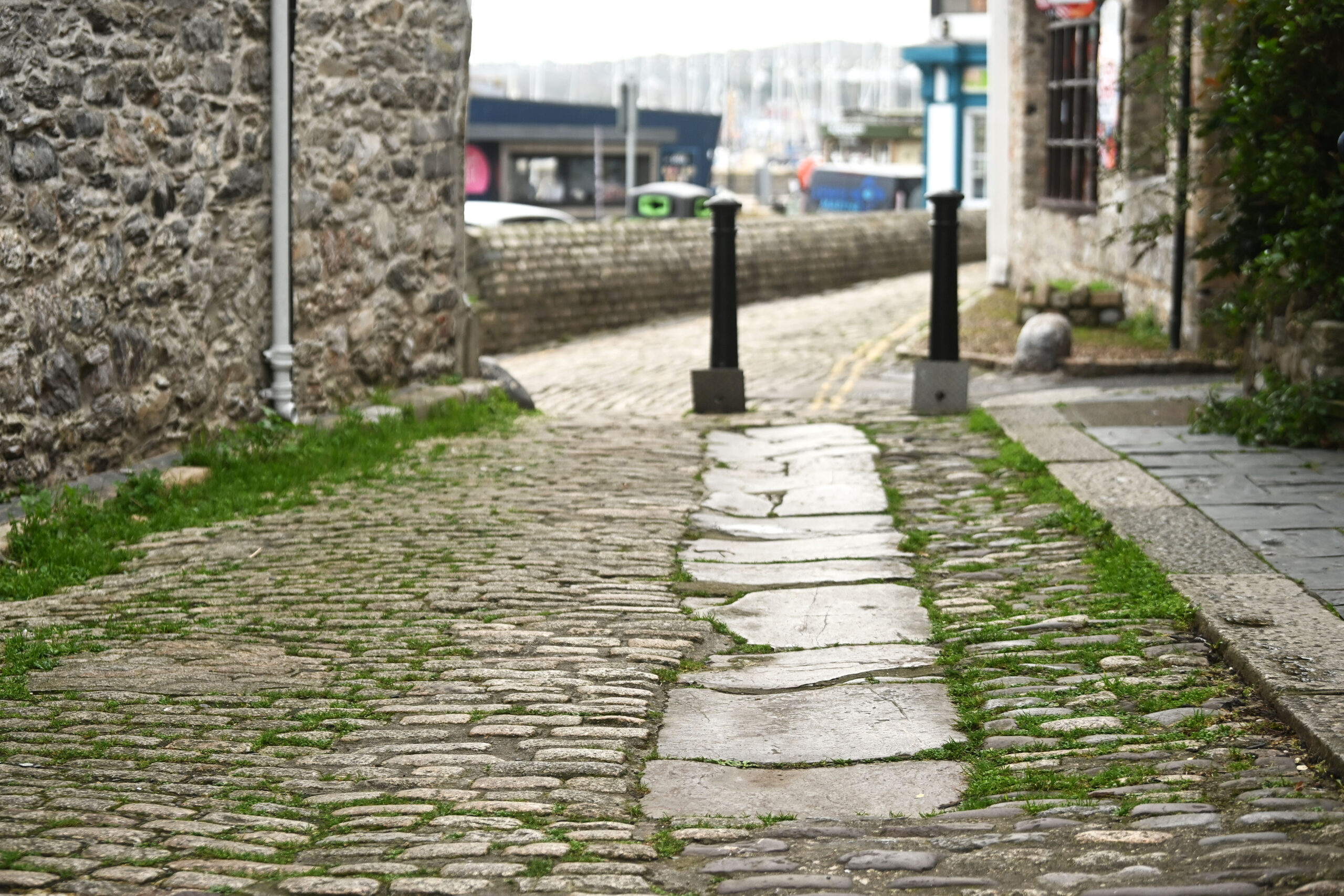
The flagstones are easy to miss amid the everyday bustle of the Barbican. But historian Malcolm Harrison believes they may mark the edge of Plymouth’s Elizabethan Quay.
Could these Barbican flagstones be part of Plymouth’s Tudor quay?
The flagstones are easy to miss amid the everyday bustle of the Barbican. But historian Malcolm Harrison believes they may mark the edge of Plymouth’s Elizabethan quay.
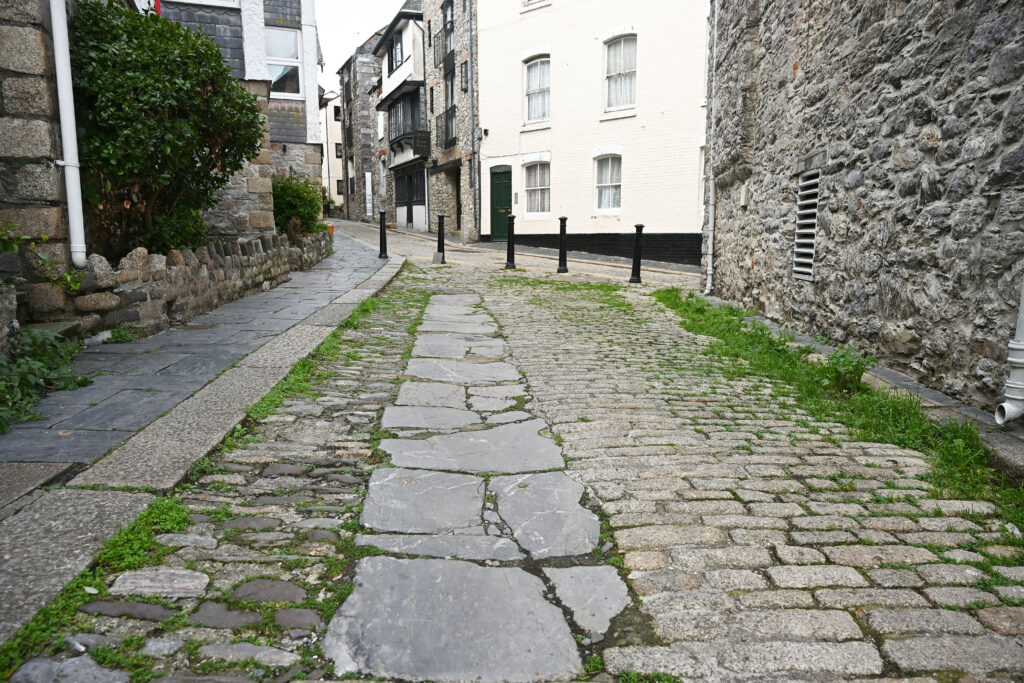
If that identification is right, the water would once have reached the side of these stones.
A quay on the Southside is mentioned in records as early as 1548. In 1572, a new quay was built there, measuring 130 feet long. Its southern end stood beside the Barbican, below the castle.
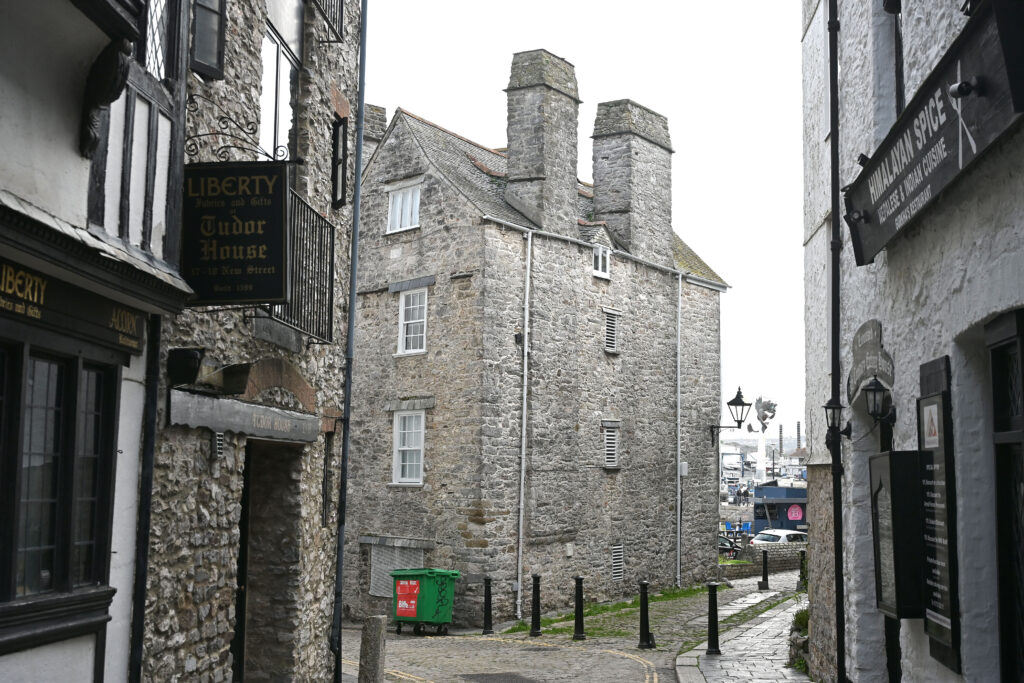
The flagstones lie tantalisingly close to that spot.
Plymouth’s borough accounts for 1584 to 1585 record work paving a street leading towards a new quay. They also refer to water running from “Mr Sparke’s new street” across Southside Quay.
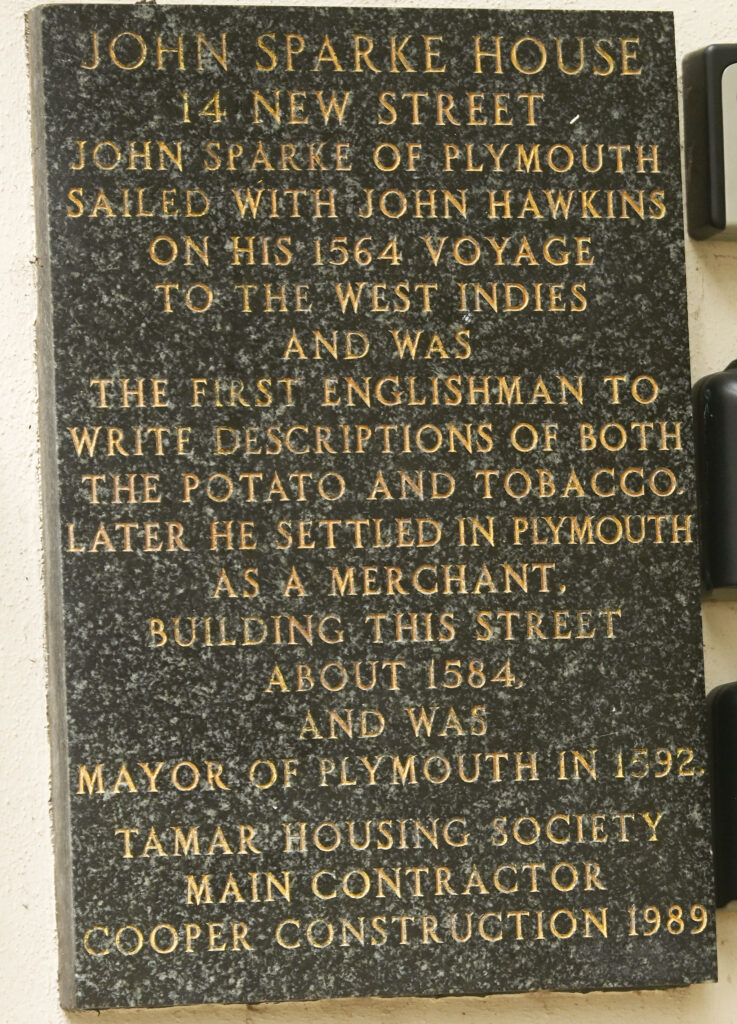
That name points to John Sparke, the Plymouth merchant who sailed with John Hawkins to the West Indies in 1564. A plaque at 14 New Street says Sparke built the street about 1584. He also served as mayor of Plymouth.
But the records do not identify the precise section of street they refer to. Nor do they prove that these flagstones formed part of the quay.
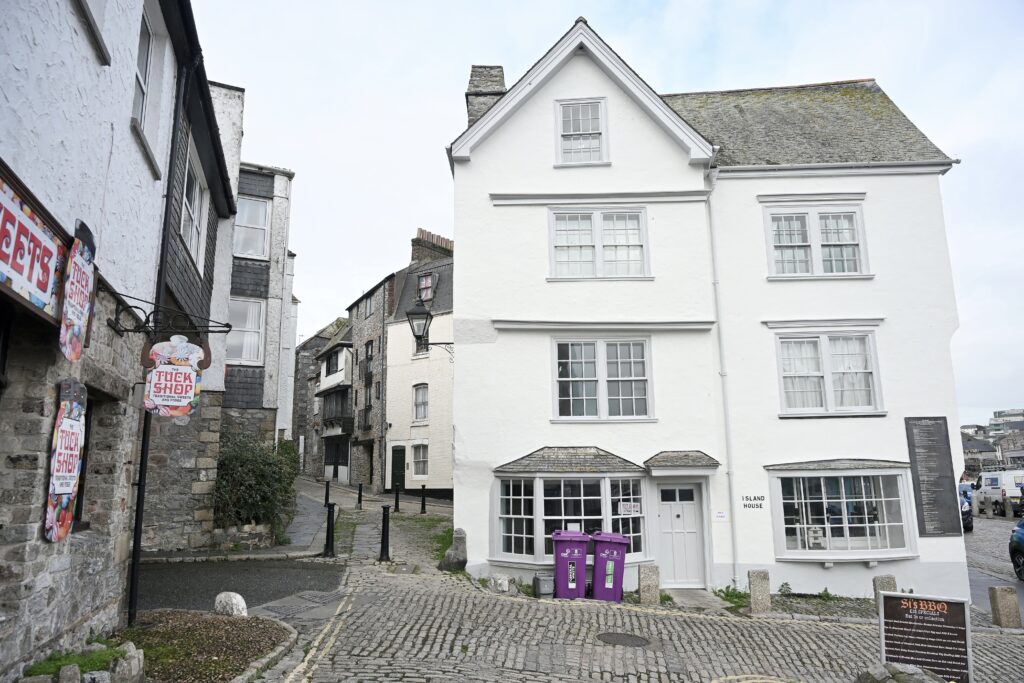
Nearby Island House offers another glimpse of the Barbican’s past. Historic England dates the building to the late 16th century, although it says it may possibly date from 1640. Like the street and the quay, it belongs to a waterfront shaped by generations of building and change.
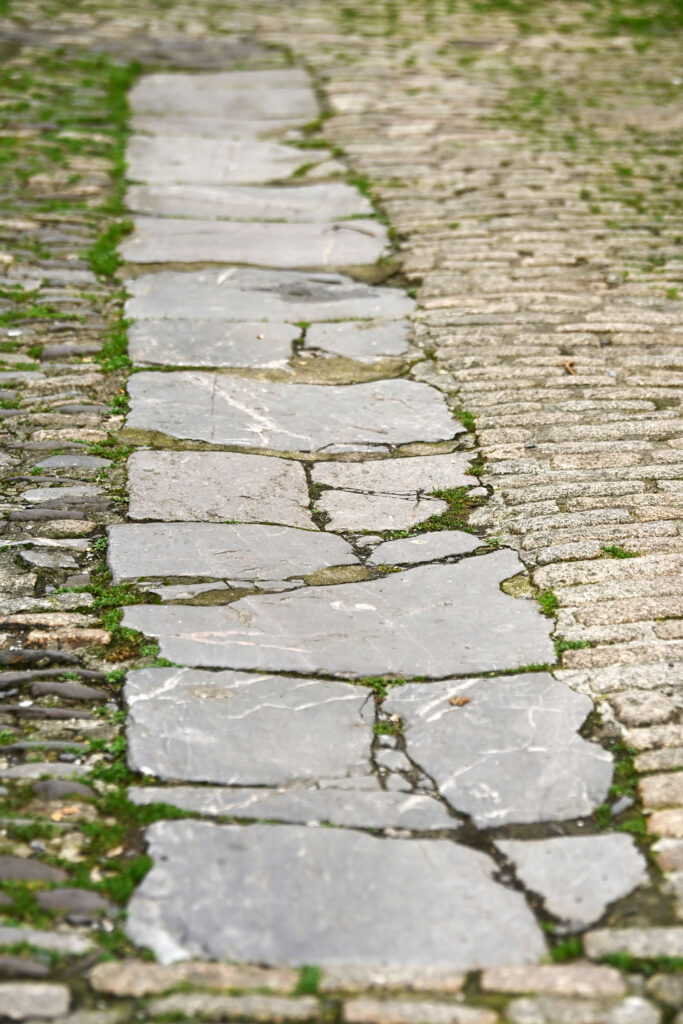
The stones themselves remain a mystery. We cannot say when they were laid or whether they are original to the Tudor quay. But their position, close to the old castle and the water’s edge, makes the possibility difficult to ignore.
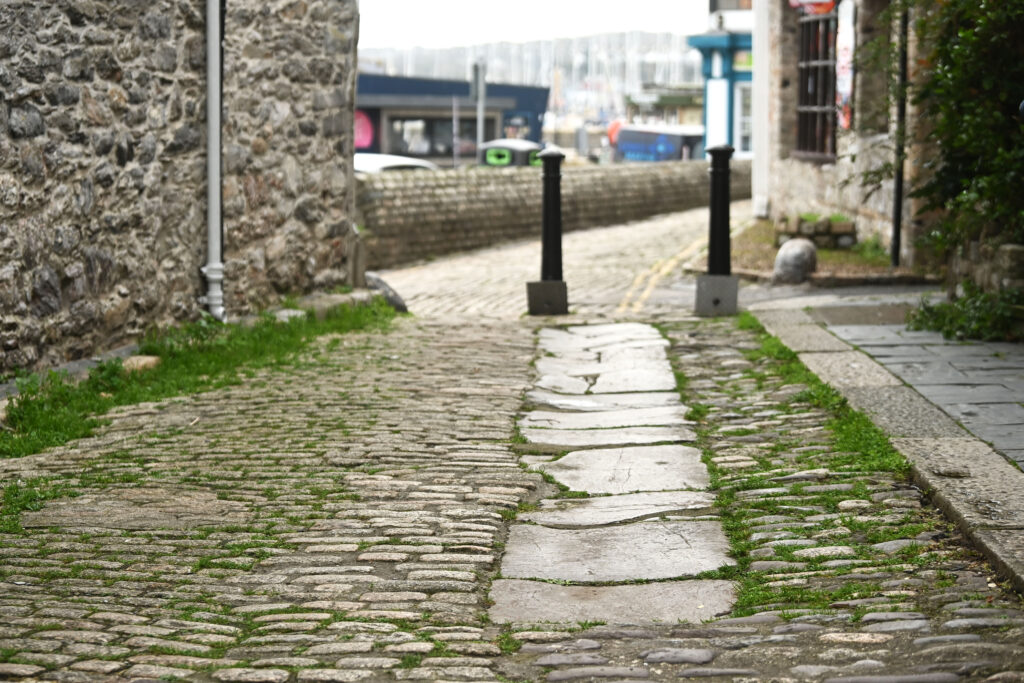
Could these modest flagstones be a small surviving part of the Elizabethan quay, where Plymouth once met the water?
Photographs © Wayne Perry / Plymouth Post