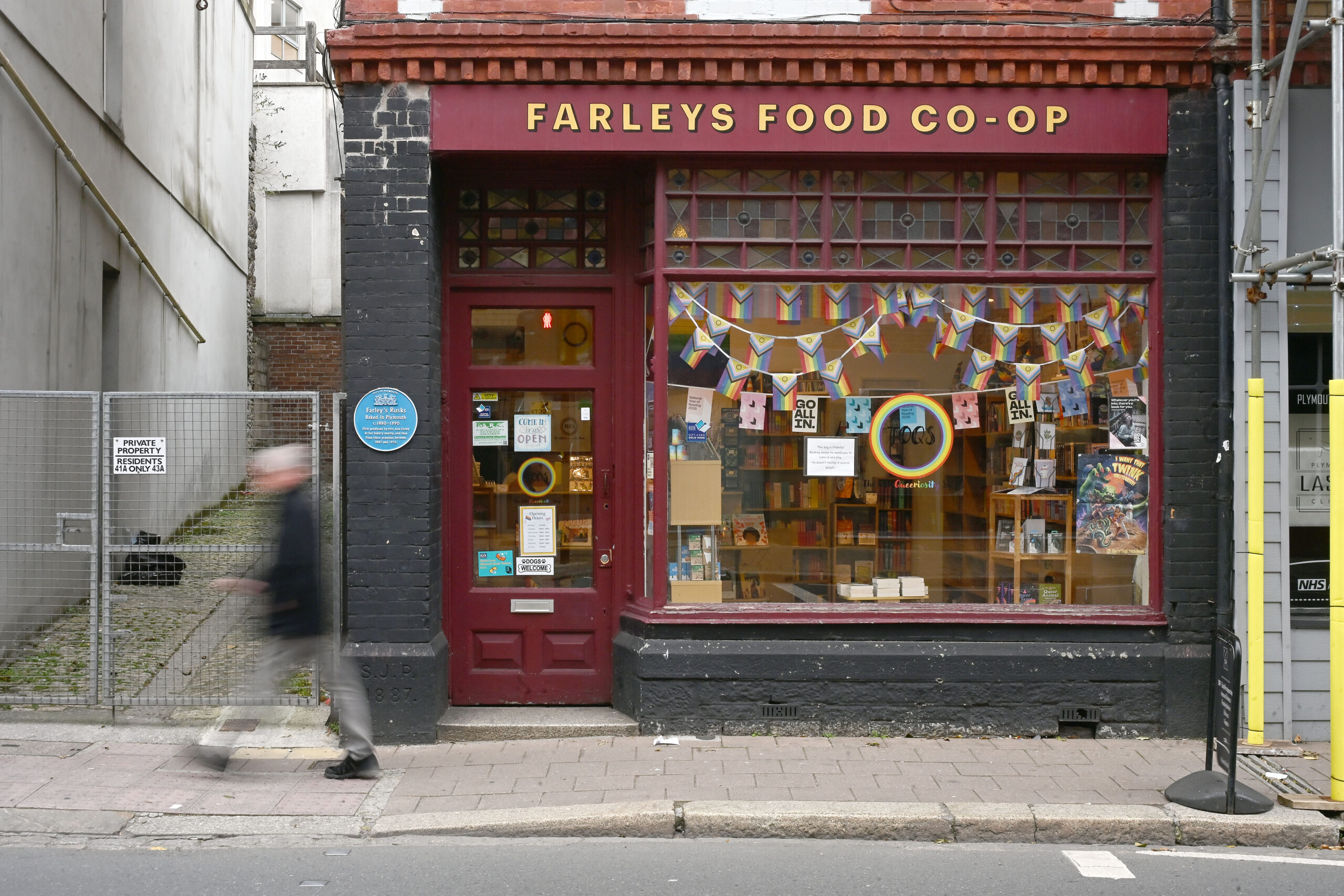
A photograph outside Sports Direct, a blue plaque on Bretonside, a grave at Ford Park Cemetery and a few boxes on a supermarket shelf all point to one Plymouth story. Farley’s Rusks began in the city as a family bakery and grew into a major food business. The factory has long gone, but the name is still familiar.
The first bakery
Samuel Farley started out as a baker and grocer at 90 Cambridge Street in 1857, working with his wife, Ann. The site is close to where Sports Direct stands today, as the photograph shows.
In 1862 the business moved to Bretonside, in the area that became Exeter Street. Samuel died in 1870 and Ann kept the business going with help from their son James. Their younger son Edwin took over after her death in 1901.
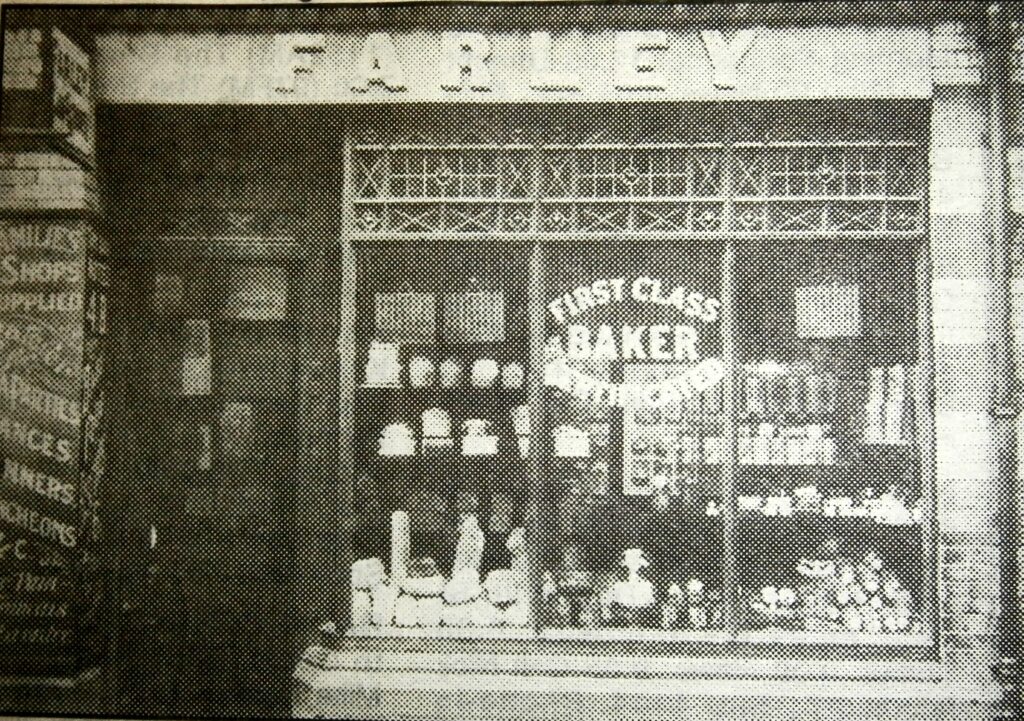
The rusk is linked to Plymouth doctor William Penn Hele Eales, who is said to have devised a special biscuit for infants and asked Ann to bake it. The product is often dated to around 1880, but Eales died in 1878, which suggests the recipe was developed earlier. The exact date is uncertain, but it began in Ann’s bakery.
From Bretonside to a growing business
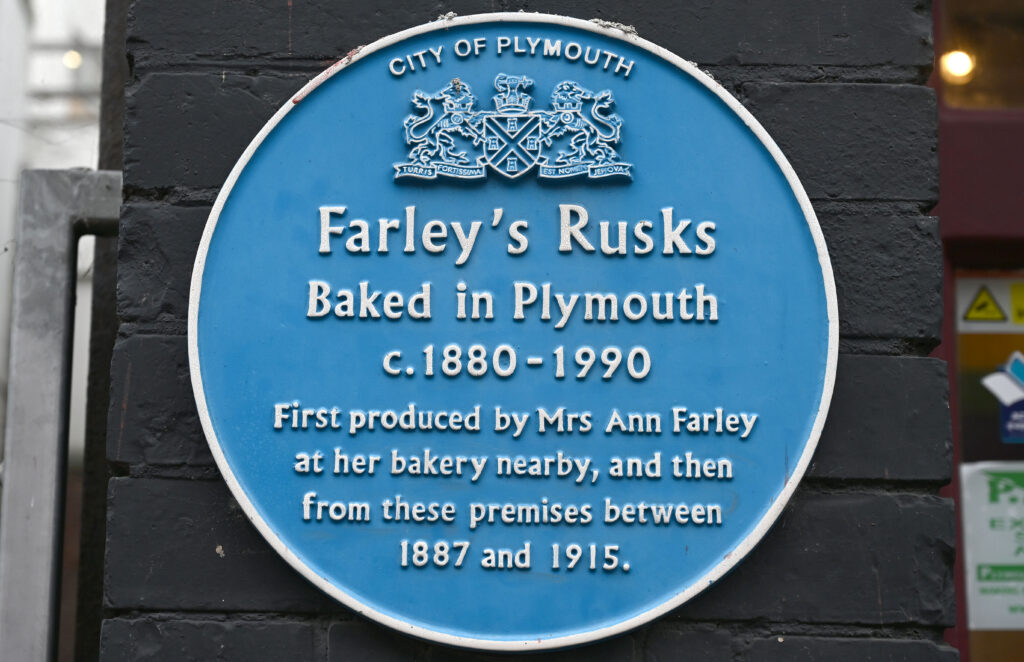
A blue plaque at 41 Bretonside marks premises where the rusks were made between 1887 and 1915. It also records that Ann first produced them at a nearby bakery.
In 1912 Edwin sold the recipe and business to Plymouth businessman William Bolitho Trahair before leaving for Canada. In 1915 Trahair moved the bakery to Notte Street and set up a packing department in Woolster Street.
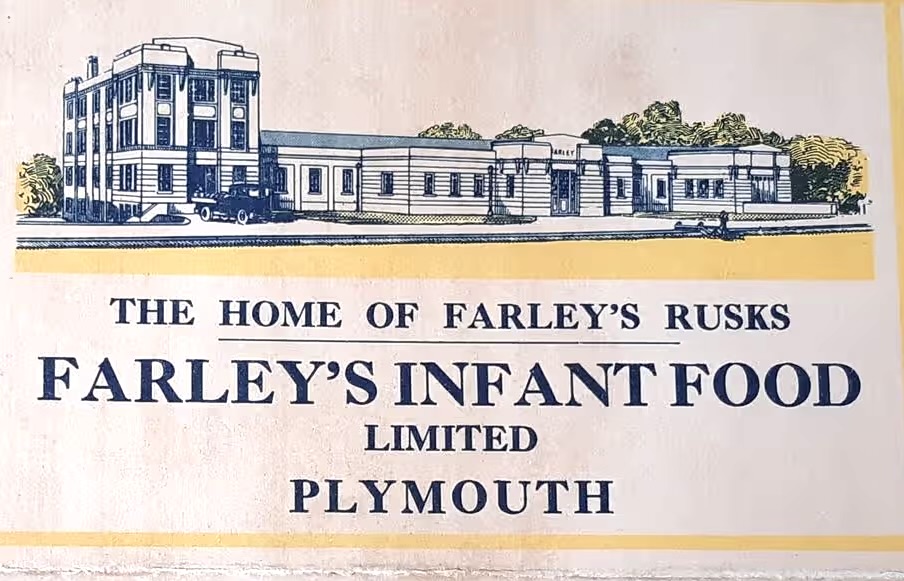
The biscuits were also known as the “4Bs”, short for “Bright Bonny Baby Biscuits”. The name was pressed into them by hand. Baskets of rusks were carried between the bakery and packing rooms before the finished products were taken to the railway station.
The Trahair family formed Farley’s Infant Food Limited in 1919. Production moved to Woolster Street the following year, where a new oven helped increase output.
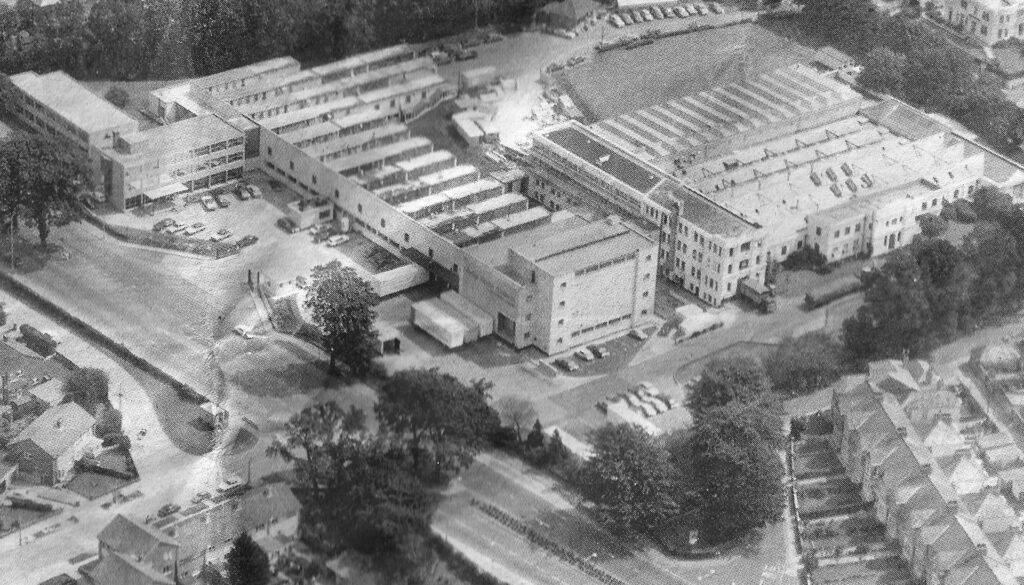
The Torr Lane factory
Work began on a new factory at Torr Lane in 1930. It became Farley’s main Plymouth base, on the site now occupied by Morrisons on Outland Road.
The factory was damaged in an air raid in October 1940. Although it was painted in camouflage, a bomb hit the building and destroyed an air raid shelter. Fortunately the shelter was empty. The factory was later repaired and expanded.
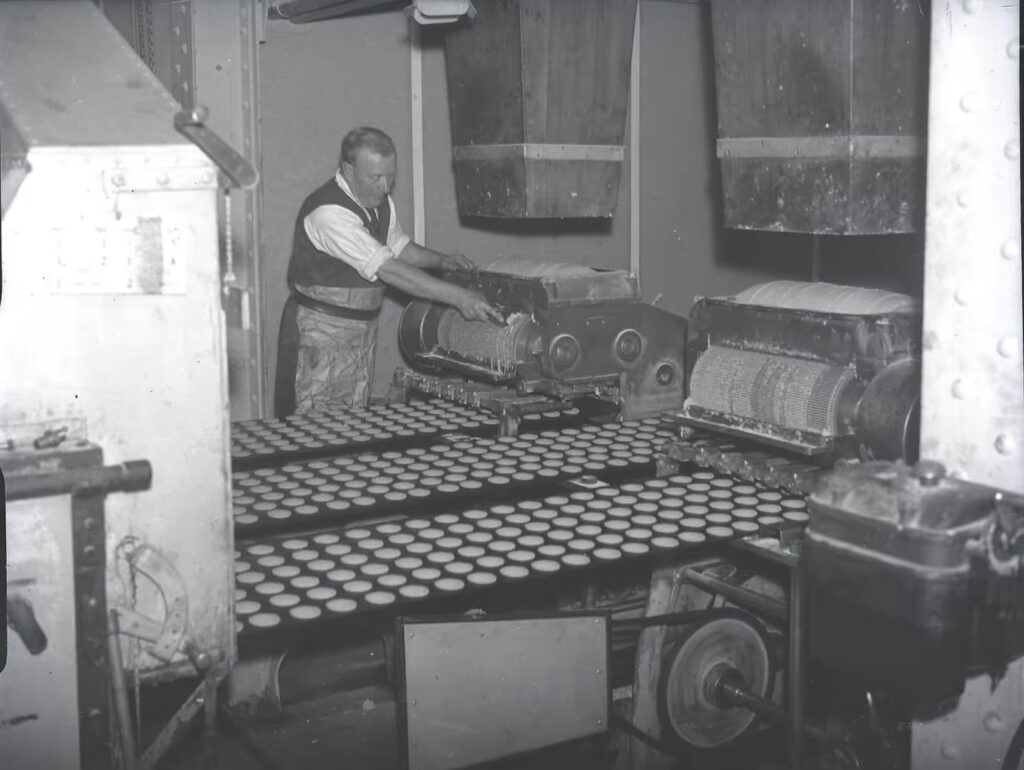
Glaxo took over in 1968 and widened the range beyond rusks to include other infant and health foods. In 1976 Glaxo grouped its food businesses as Farley Health Products, and Boots bought the business in 1986.
By the end of the 1970s, the Plymouth and Kendal sites together employed about 1,100 people, more than two thirds of them in Plymouth. The Torr Lane works was a major local employer, with generations of Plymouth families connected to it.
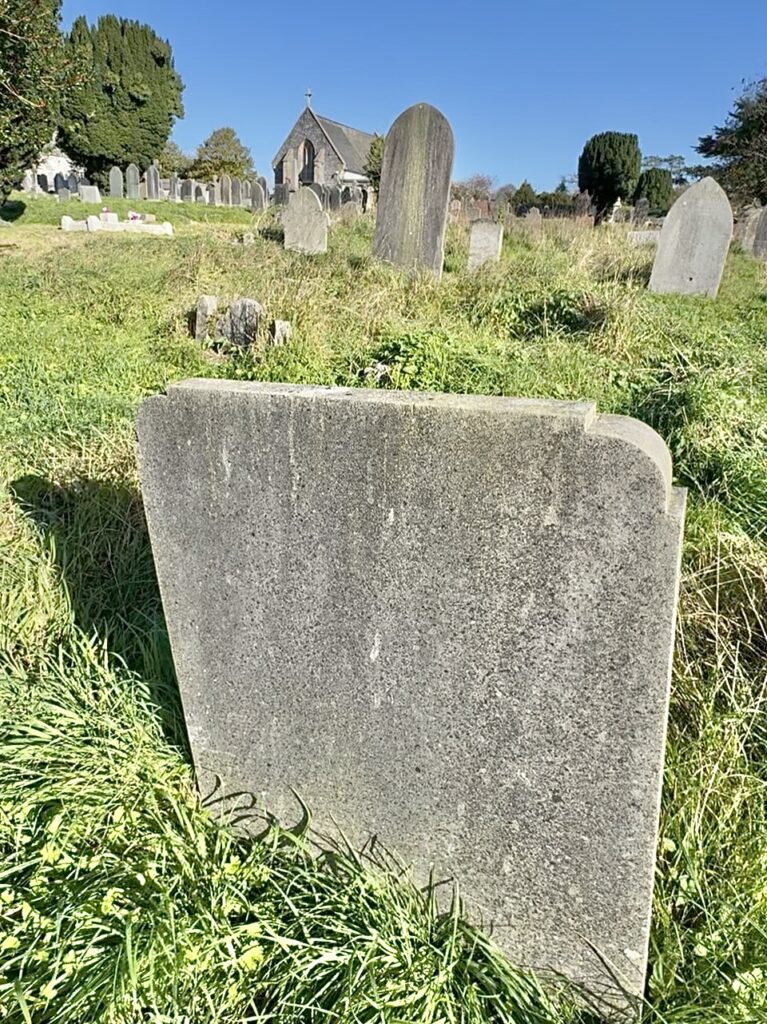
A family connection at Ford Park
Ann Farley’s grave at Ford Park Cemetery brings the story back to the family behind the bakery. It is a quieter stop on a trail that runs from Cambridge Street and Bretonside to the former factory site on Outland Road.
The name remains
The Plymouth factory closed in 1990 with the loss of 295 jobs, and the site was later demolished. Heinz bought the Farley’s business in 1994 and the rusks continued to be sold.
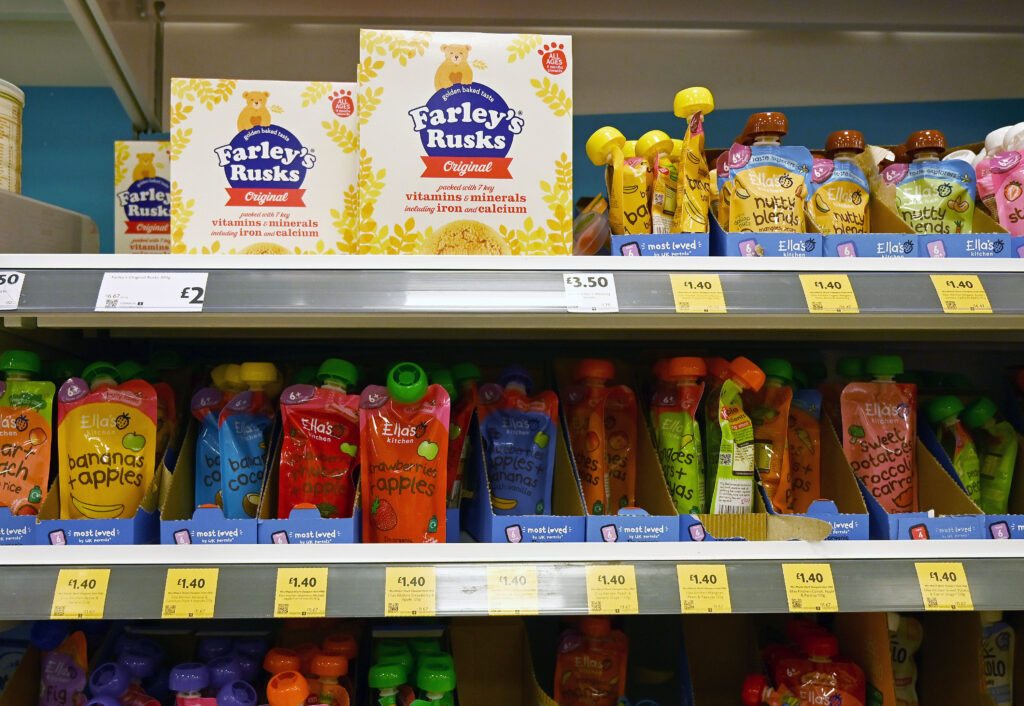
When I visited Morrisons on Outland Road, I found just three or four boxes of Farley’s Rusks in the whole shop. It was a small display, but a striking one: on the site where the rusks were once made on a factory scale, the name is still on the shelves.
Photographs © Wayne Perry / Plymouth Post