
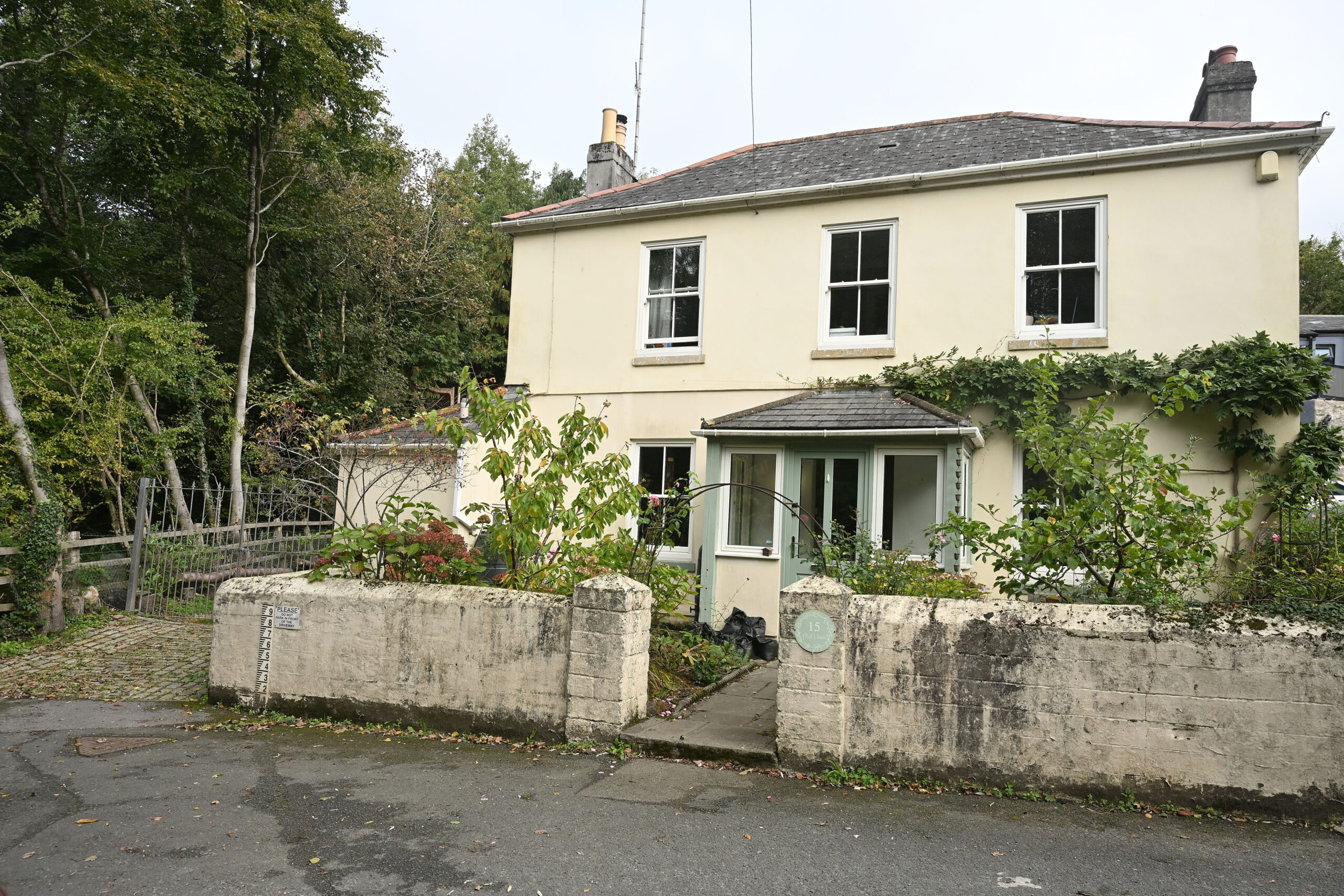
Most people in Plymouth know Weston Mill as a residential area, but how many realise that the neighbourhood takes its name from an actual mill, part of which still survives today?
Hidden within a modernised home are remarkable reminders of the area’s industrial past, including Victorian mill machinery and exposed natural bedrock, while the history of Weston stretches back almost 1,000 years.
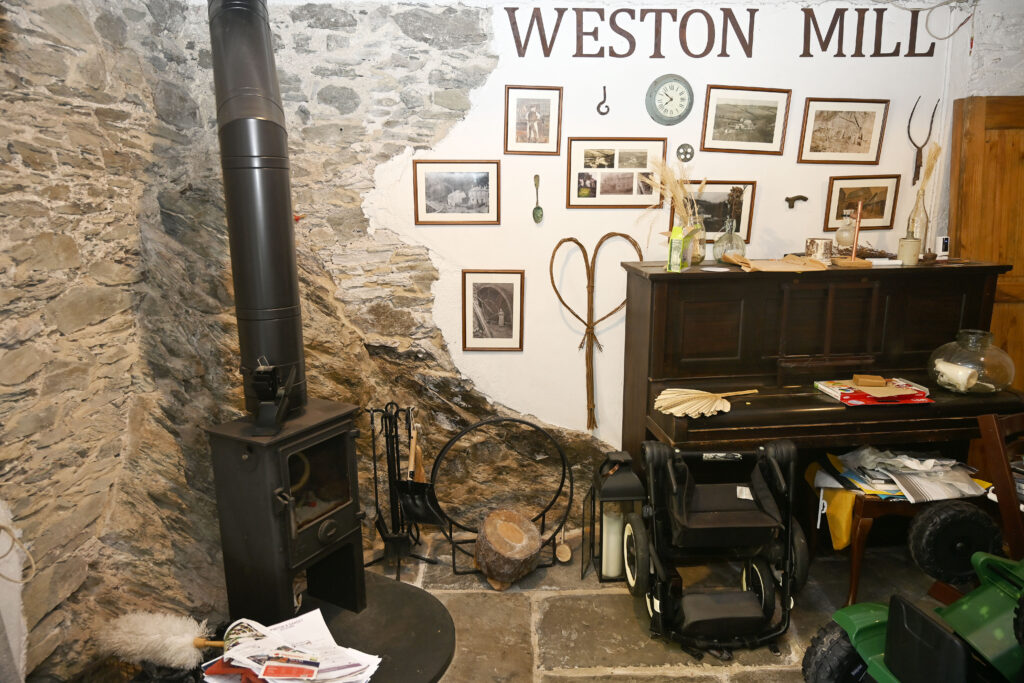
The settlement of Weston was recorded in the Domesday Book of 1086, long before Plymouth developed into the city we know today. Although the surviving building is not that old, parts of its structure are believed to potentially date from the 16th century.
One of the most fascinating pieces of evidence is a map of Plymouth dating from 1643, during the English Civil War. The map, showing the town’s fortifications and the surrounding countryside during the Royalist siege, clearly identifies a location marked “Weston mills”.
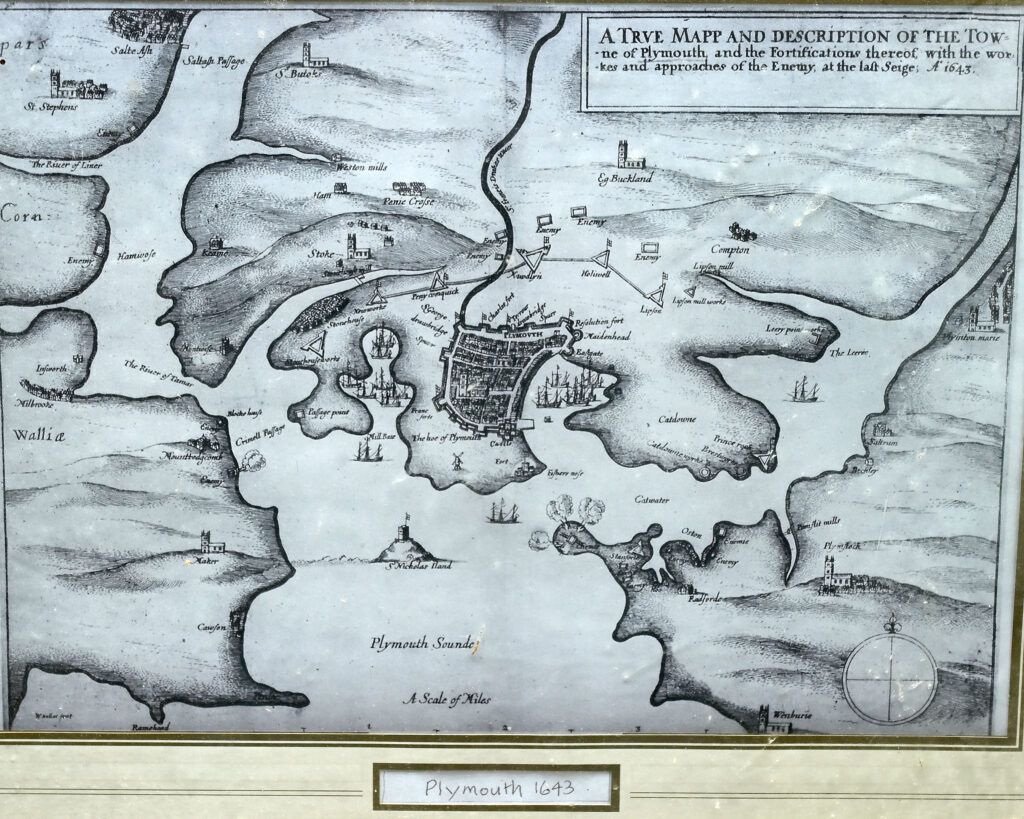
At that time, Plymouth was a Parliamentary stronghold surrounded by countryside, farmland and small settlements. Watermills played an important role in local life, using the power of flowing water to operate machinery for grinding grain.
Over the centuries, the mill complex underwent changes, with some of its original buildings eventually disappearing. However, one substantial building has survived and remains in residential use today.
Plymouth Post was recently given access to the property, where photographs reveal surviving sections of heavy iron machinery associated with the former mill.
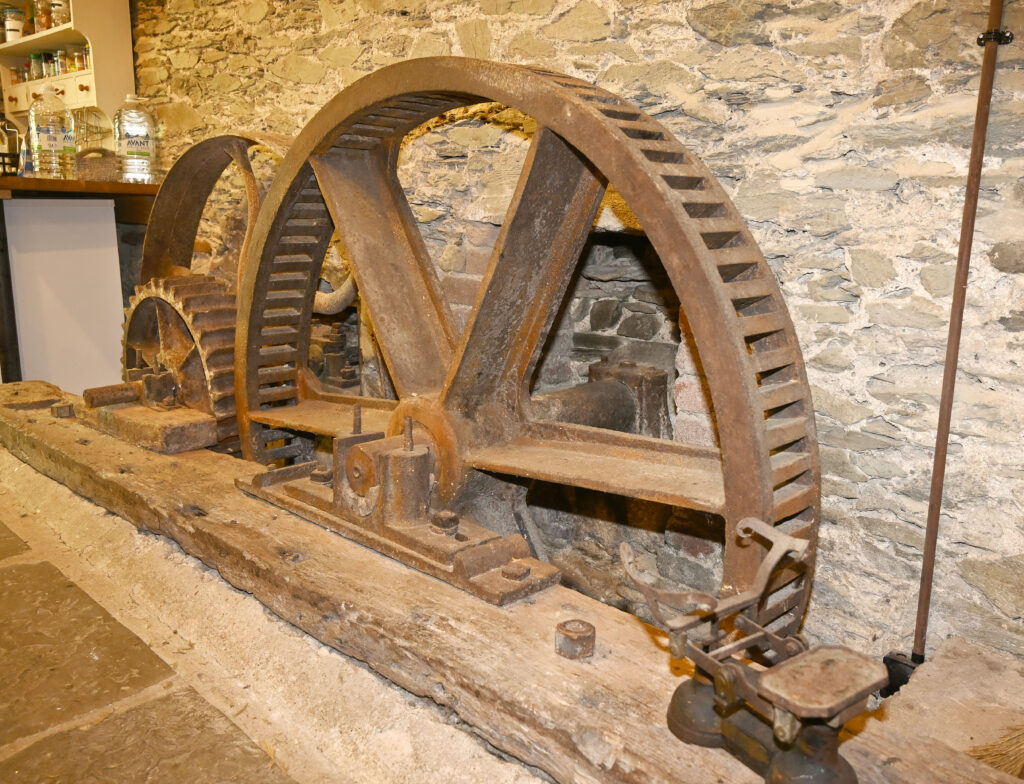
Inside, large Victorian iron wheels and gears remain in place against the old stonework. Outside, another substantial section of machinery, including a large iron shaft and wheel components, has also survived.
Perhaps equally striking is the exposed natural bedrock within the property, incorporated into what is now a modern living space.
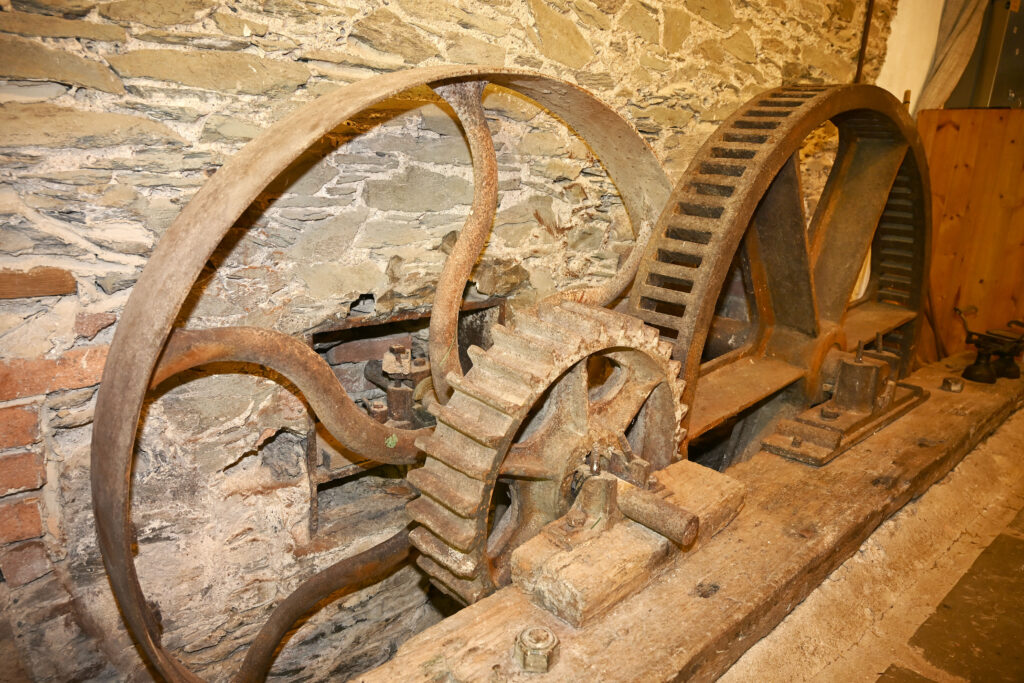
Although the building has been adapted for residential use, these surviving features offer a fascinating glimpse into its earlier working life.
Over the centuries, the surrounding countryside gradually gave way to housing, roads and the expansion of Plymouth. The rural setting has largely disappeared, but the name Weston Mill has endured.
Today, thousands of people live in or travel through Weston Mill without necessarily knowing that the name comes from a real place with centuries of history behind it.
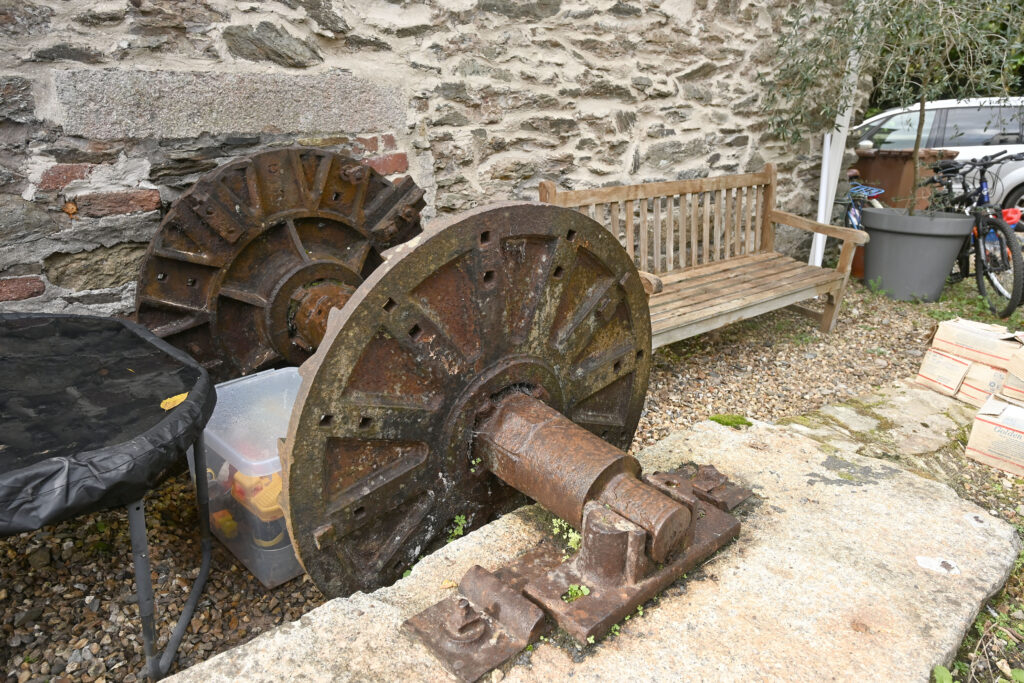
And while much of the original mill complex has disappeared, the surviving building and its remarkable machinery remain a tangible link to the area’s past.
Photographs © Wayne Perry / Plymouth Post