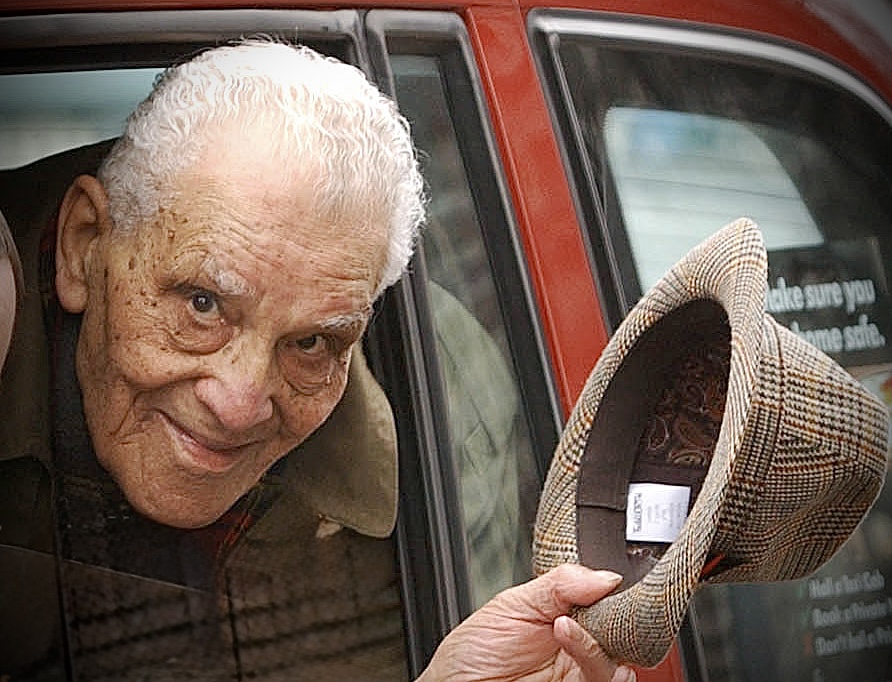
The Miller name holds a special place in Plymouth’s history. While William “Bill” Miller made history as the city’s first Black councillor, his son, Bernard Claude Miller MBE JP, went on to build an exceptional public service career of his own, serving Plymouth with distinction for more than 30 years.
Born and raised in Stonehouse, Claude Miller grew up surrounded by the values of public service, equality and community spirit. Inspired by his father’s pioneering work in local government, he devoted much of his life to helping others and improving the city he proudly called home.
His commitment to justice began in 1968 when he was appointed as a Justice of the Peace, embarking on a long career within the magistracy alongside his growing involvement in civic life.
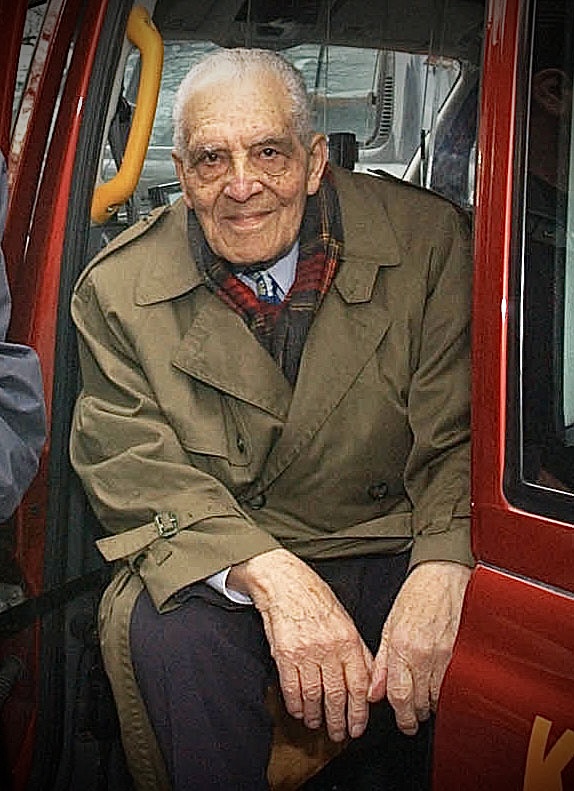
Claude later followed in his father’s footsteps by being elected to Plymouth City Council, representing the Efford and Lipson ward. During more than three decades as a councillor, he earned a reputation for listening to residents and championing causes that mattered to local communities, particularly opportunities for young people and support for older residents.
A highlight of his public career came in 2004 when he became Lord Mayor of Plymouth. Throughout his year in office, he represented the city at hundreds of official engagements, welcoming dignitaries, supporting charities and promoting Plymouth with warmth and professionalism.
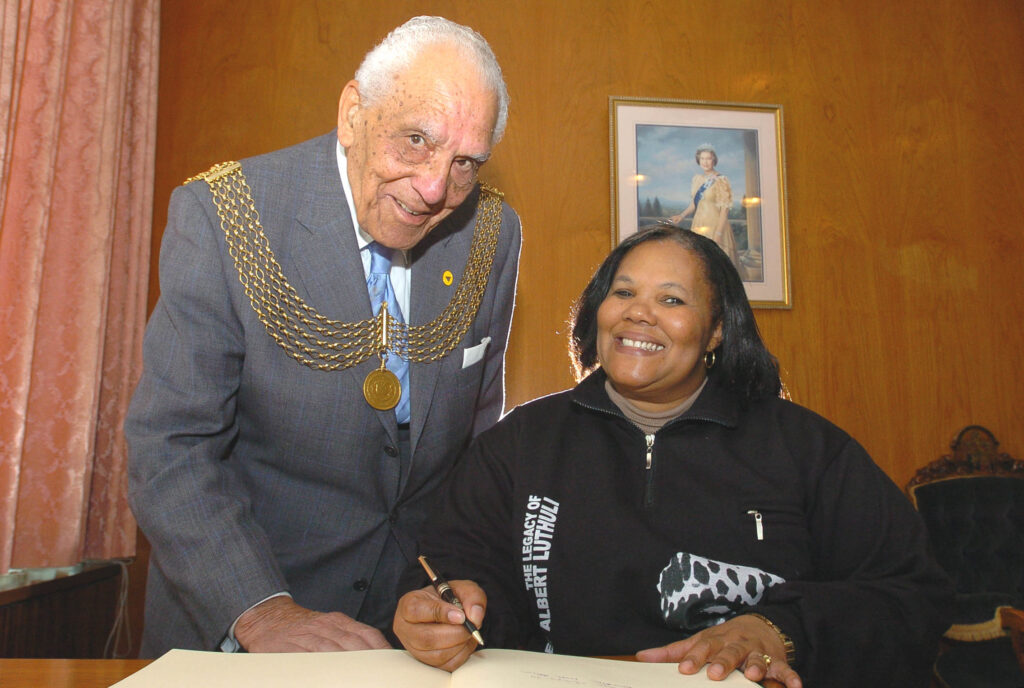
One photograph from his mayoral year captures the essence of that role. It shows Lord Mayor Claude Miller welcoming NEHAWU President Noluthando Sibiya as she signs the Visitors’ Book during an official civic visit to Plymouth. The moment reflects the many occasions on which Claude represented the city, extending Plymouth’s hospitality to visitors from across the UK and overseas while proudly carrying out the duties of the Lord Mayor.
Another photograph from the same visit captures Claude in conversation with NEHAWU President Noluthando Sibiya and her husband inside the Lord Mayor’s Parlour. Wearing the traditional Lord Mayor’s tricorn hat, he is relaxed and smiling as he chats with his guests.
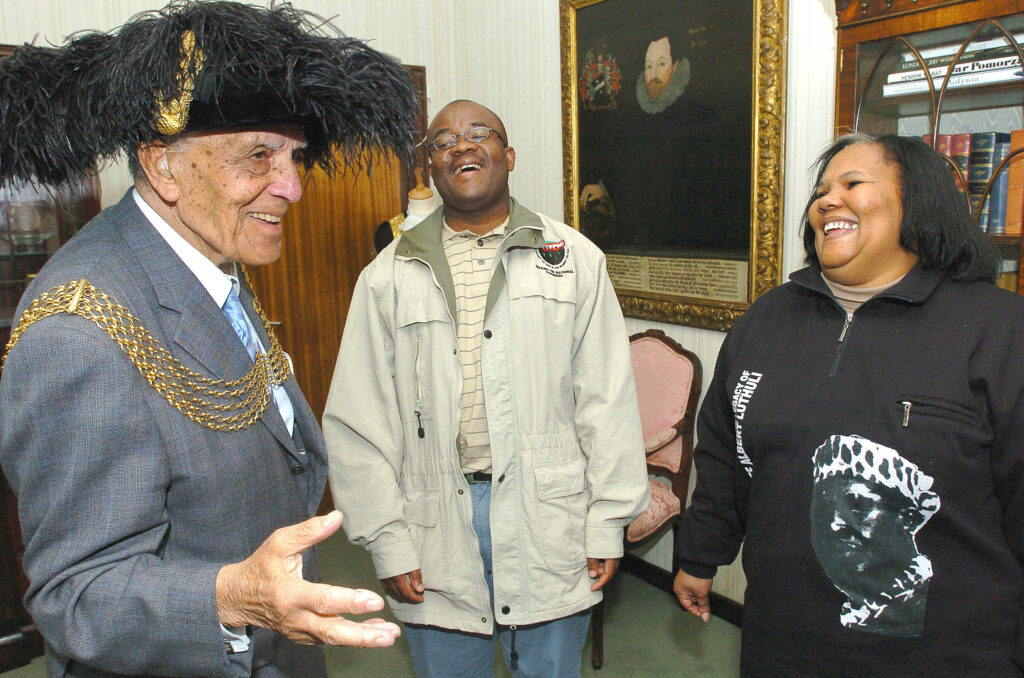
On the wall behind them hangs a portrait of Sir Francis Drake, one of Plymouth’s best-known historical figures. The image brings together different chapters of the city’s long history in a single frame. Surrounded by the traditions of the mayoral office and the portraits of those who helped shape Plymouth over the centuries, Claude carried out his duties with warmth, humour and dignity, welcoming visitors to the city and representing Plymouth with pride.
It is a photograph that reflects both continuity and progress a proud civic occasion that illustrates how Plymouth’s story has continued to evolve through the generations while respecting the rich and sometimes complex history that forms part of the city’s heritage.
Claude’s dedication to public life was recognised nationally when he was awarded an MBE for services to the community. Alongside his work as a magistrate and councillor, the honour reflected decades of commitment to improving the lives of others and strengthening communities across Plymouth.
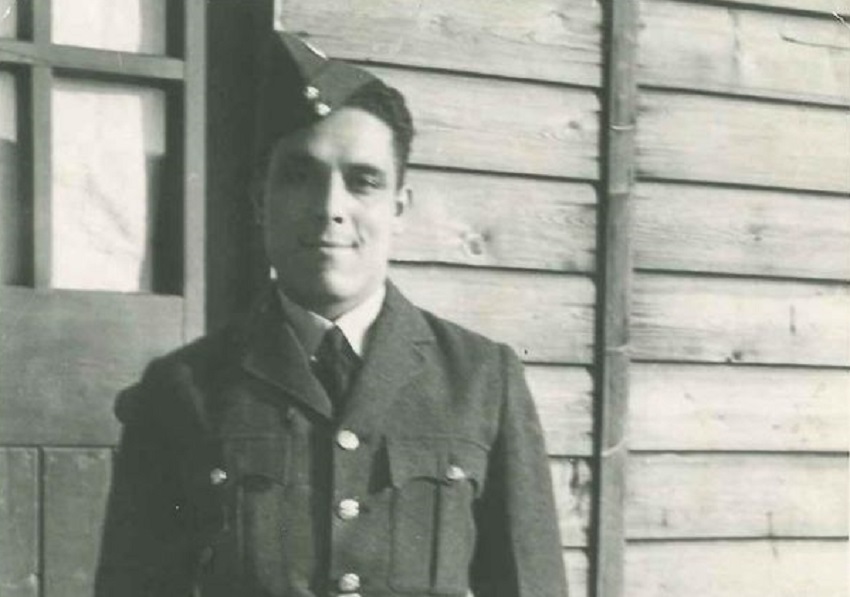
Together, Bill and Claude Miller created one of Plymouth’s most remarkable civic legacies. Across two generations, they helped break down barriers, strengthened local democracy and demonstrated the importance of public service, leaving a lasting impact on the city they both served with pride.
As Black History Month celebrates the people who have helped shape Britain’s communities, Claude Miller’s story deserves to be remembered alongside that of his father, not simply for continuing a family tradition, but for establishing an outstanding legacy through his own dedication, leadership and unwavering commitment to Plymouth.
Photographs © Wayne Perry / Plymouth Post