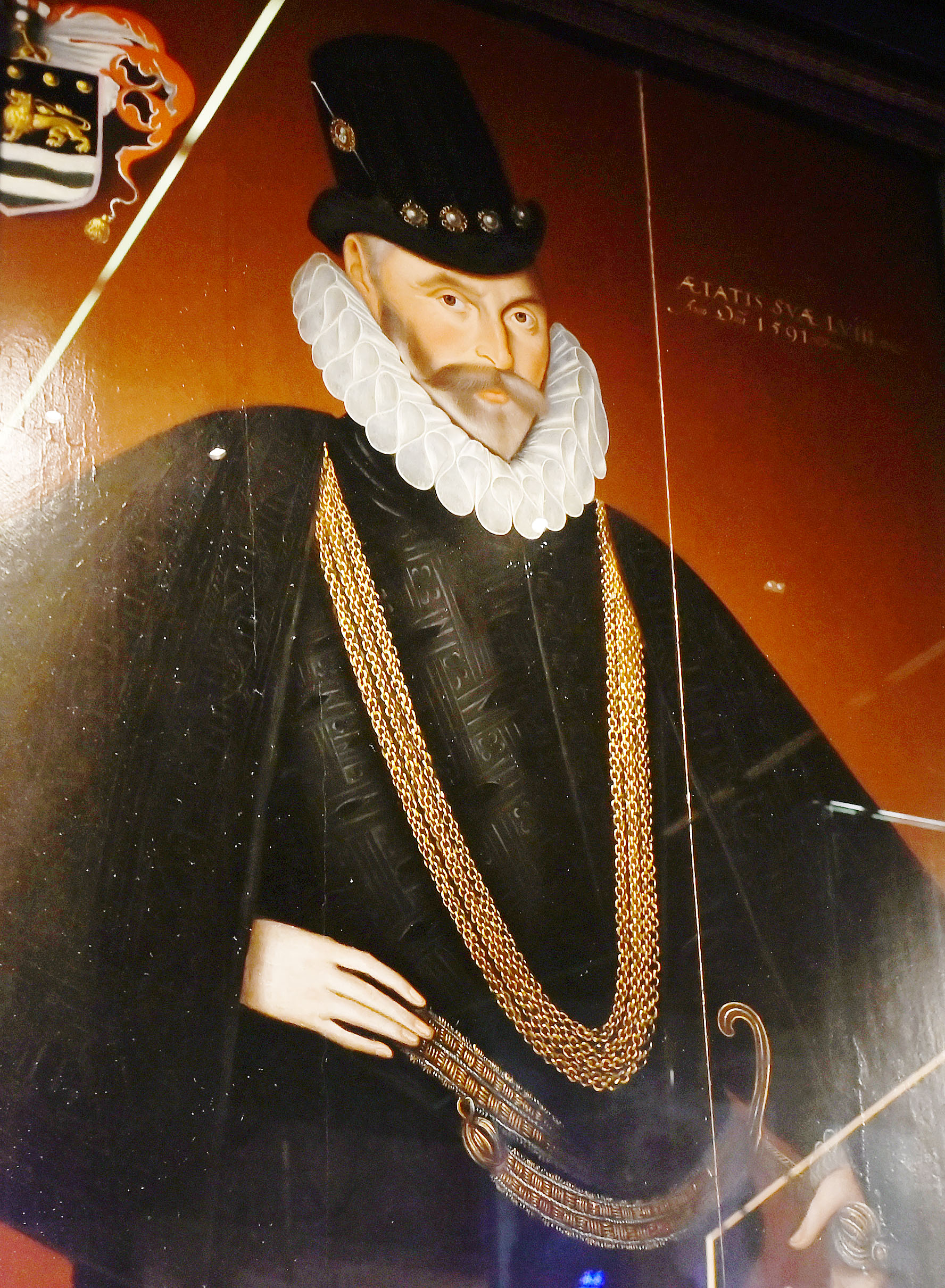
The Plymouth sailor who helped prepare England for the Spanish Armada
Sir John Hawkins was born in Plymouth in 1532 into one of the town’s leading seafaring families.
His father, William Hawkins, was a merchant, shipowner and experienced sea captain who also served as Mayor of Plymouth. The family’s business connected the town with ports and markets far beyond England.
John Hawkins is believed to have spent his childhood at the family home in Kinterbury Street, in the old town close to Sutton Harbour. Much of the area has since disappeared, although a surviving stone archway still provides a glimpse of the narrow streets and buildings which once stood there.
These were the streets Hawkins would have known as a boy. He grew up among crowded lanes leading towards the harbour, surrounded by ships, sailors, merchants and the constant movement of goods.
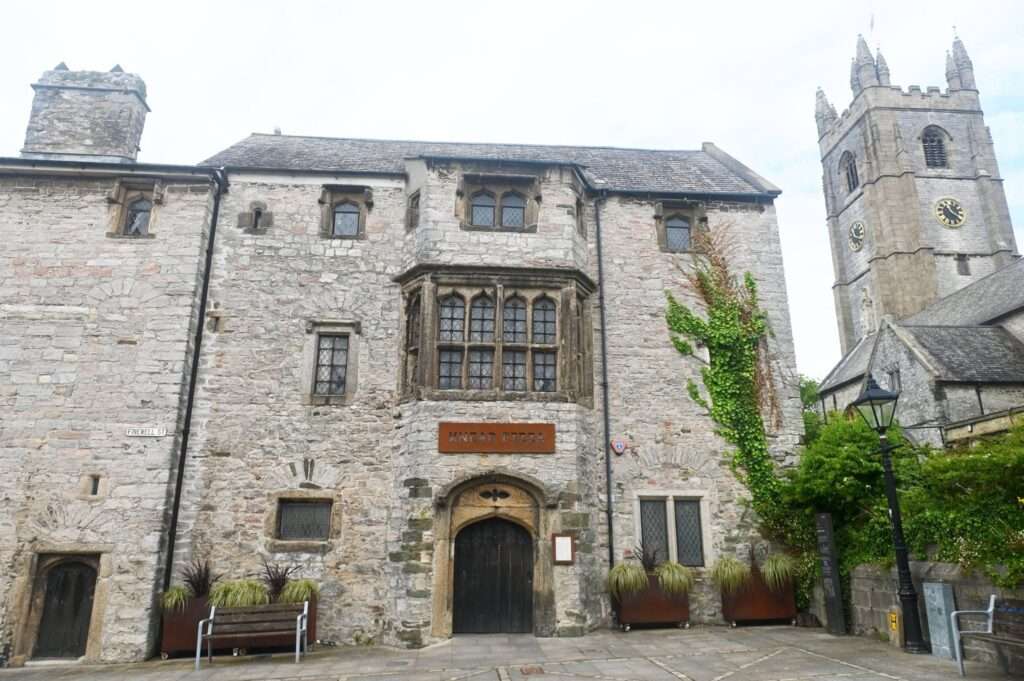
St Andrew’s Church stood at the heart of his Plymouth and would have been a familiar landmark. Below it, Sutton Harbour was central to the maritime world into which Hawkins had been born.
Hawkins followed his family into shipping and overseas trade. His experience at sea and connections within the merchant community eventually took him into the service of Queen Elizabeth I and to the highest levels of the English Navy.
He also remained closely connected with his home town. Hawkins represented Plymouth in Parliament and was a powerful figure within the network of merchants and seafarers who shaped the town during the Elizabethan period.
His most important official appointment came during the late 1570s, when he became Treasurer of the Navy.
The English fleet was facing serious problems. Ships were expensive to maintain, supplies were sometimes poor and the administration responsible for keeping vessels ready for service was open to waste and corruption.
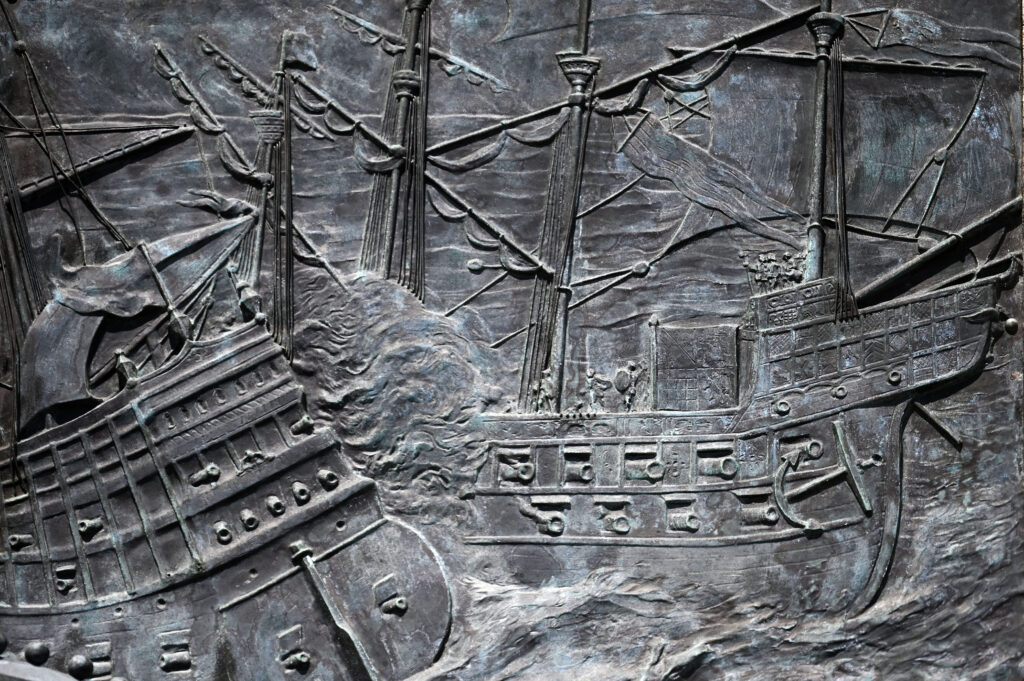
Hawkins helped reorganise the way the fleet was managed. Older ships were rebuilt and new vessels were designed to be faster, more manoeuvrable and better able to carry and use heavy guns.
He understood that naval battles were changing. Instead of relying mainly on closing with an enemy ship and boarding it, England needed vessels capable of attacking effectively with cannon while remaining under sail.
Hawkins also worked to improve supplies, accounts and conditions aboard the fleet. His reforms helped give England a more effective fighting force at a time when conflict with Spain was becoming increasingly likely.
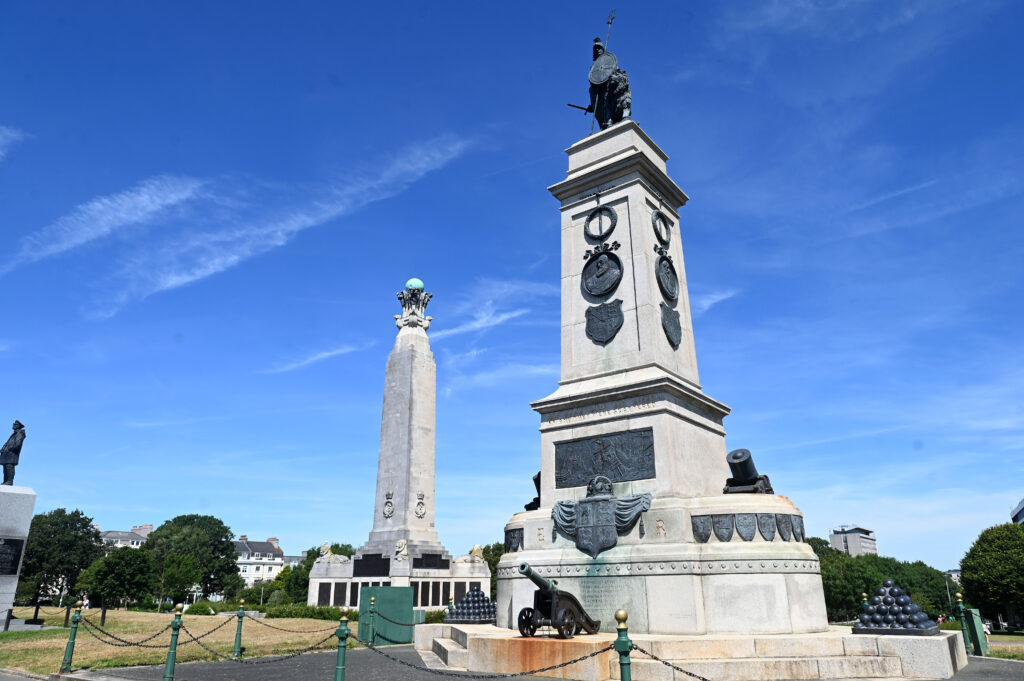
That work was put to the test in 1588, when Philip II of Spain sent the Armada towards England.
Hawkins served as one of the senior English naval commanders and went into battle aboard the Victory. The ship should not be confused with the later HMS Victory associated with Admiral Lord Nelson.
The faster and more heavily armed vessels which Hawkins had helped to develop played an important part in the English response. They were able to harass the Spanish formation and attack from a greater distance.
The Armada was eventually driven away from the English coast. Hawkins was knighted for his service during the campaign.
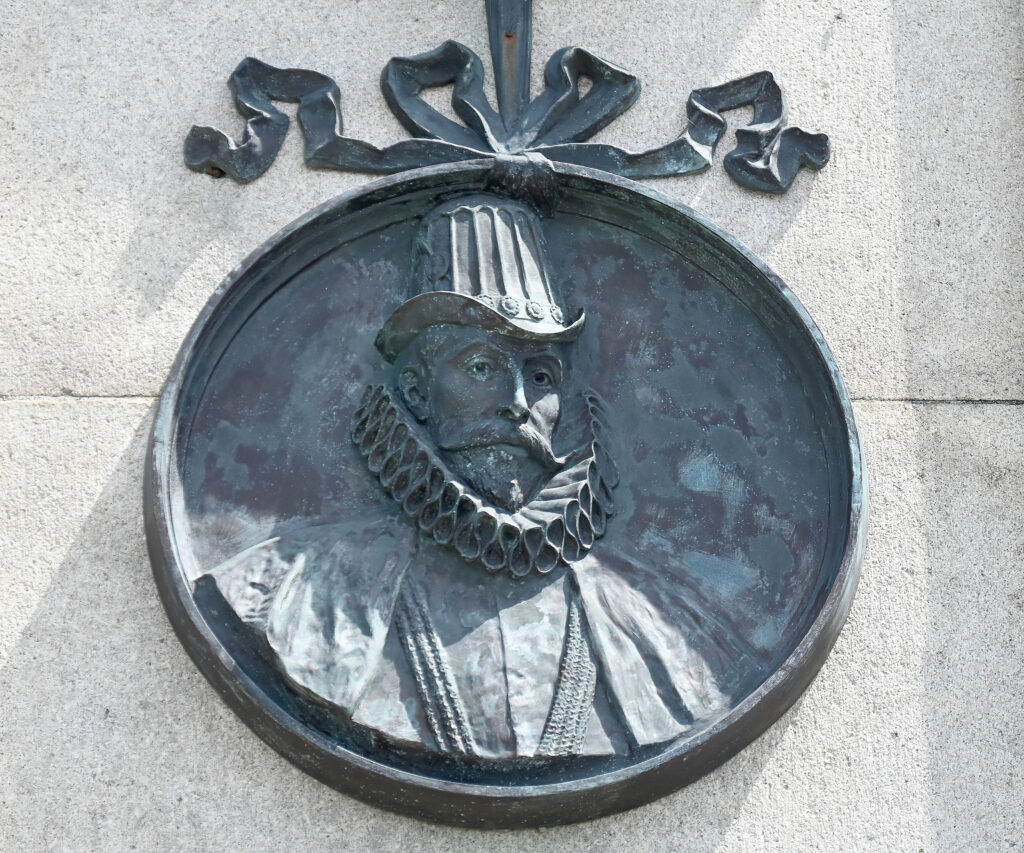
His place in history, however, cannot be understood solely through his naval achievements.
During the 1560s Hawkins became one of the earliest major English organisers of voyages carrying enslaved Africans across the Atlantic. Africans were captured or purchased on the West African coast and transported in brutal conditions before being sold in Spanish colonies in the Americas.
Those expeditions helped establish England’s involvement in the transatlantic slave trade. They remain a central and deeply troubling part of Hawkins’s legacy.
His contribution to Plymouth was also civic and charitable.
Hawkins retained substantial property and business interests in the town. In his will, he left money for poor householders in Plymouth and ordered that an annual payment of £10 should be made from his local property to support people living in the town’s almshouses.
The payment was intended to continue permanently through the Mayor and Corporation of Plymouth.
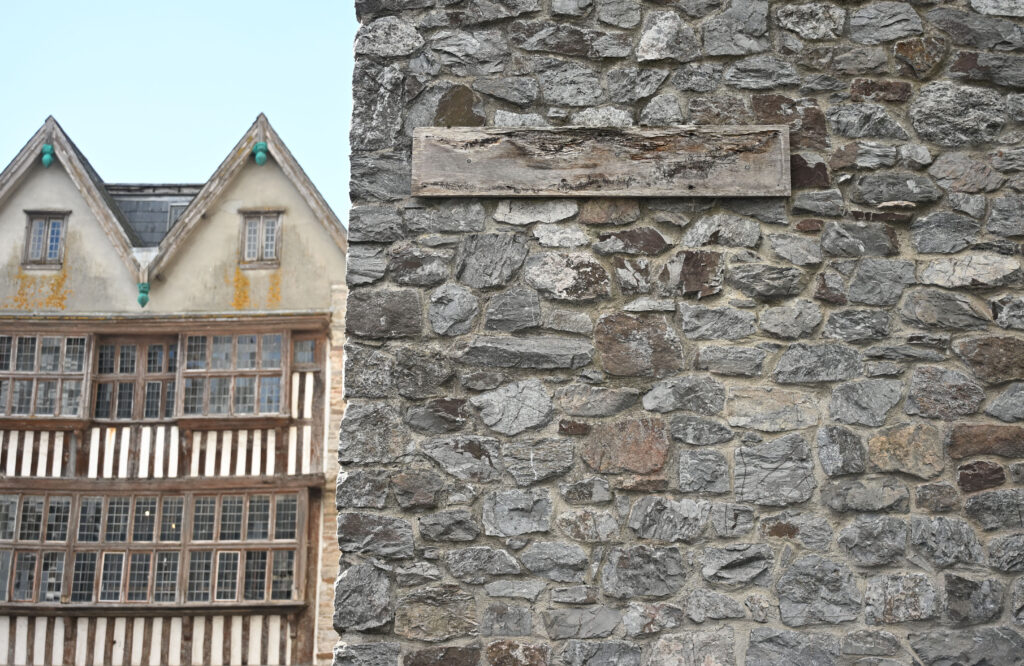
For many years, Sir John Hawkins Square carried his name close to the part of the old town where he is believed to have grown up. The name later became the subject of controversy because of his involvement in the slave trade, and the signs bearing it were removed.
Hawkins died at sea in November 1595 during an expedition to the Caribbean with his relative and fellow Plymouth sailor Sir Francis Drake. He was about 63 years old.
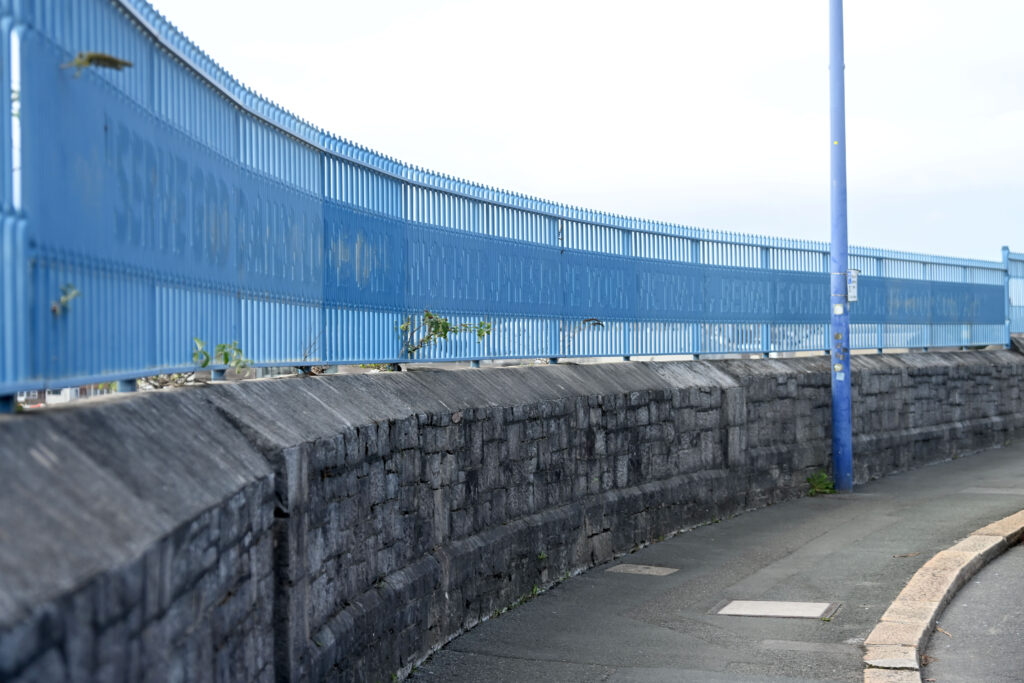
Words attributed to Hawkins can still be seen much closer to home, worked into the railings at Millbay.
They read: “Serve God daily, love one another, preserve your victuals, beware of fire, and keep good company.”
Victuals were the food and provisions carried aboard a ship. Hawkins was warning his crews to protect their supplies and use them carefully because, once at sea, wasted or spoiled provisions could place everyone aboard in danger.
The words reflect the practical concerns of a commander responsible for keeping ships and crews alive during long and dangerous voyages.
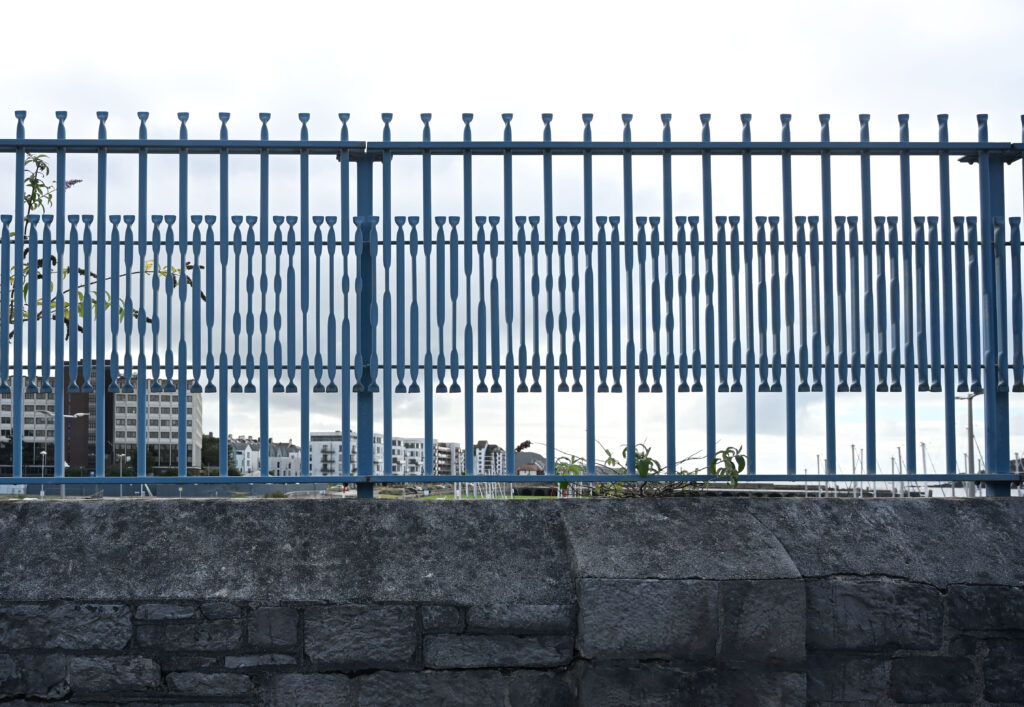
Nearly five centuries after his death, Hawkins remains one of the most significant and contested figures in Plymouth’s maritime history. His naval reforms helped prepare England for the Spanish Armada, his will provided support for Plymouth’s poor, and his voyages helped begin England’s involvement in one of the darkest chapters in the country’s history. Which we will explore next week.
Photographs © Wayne Perry / Plymouth Post