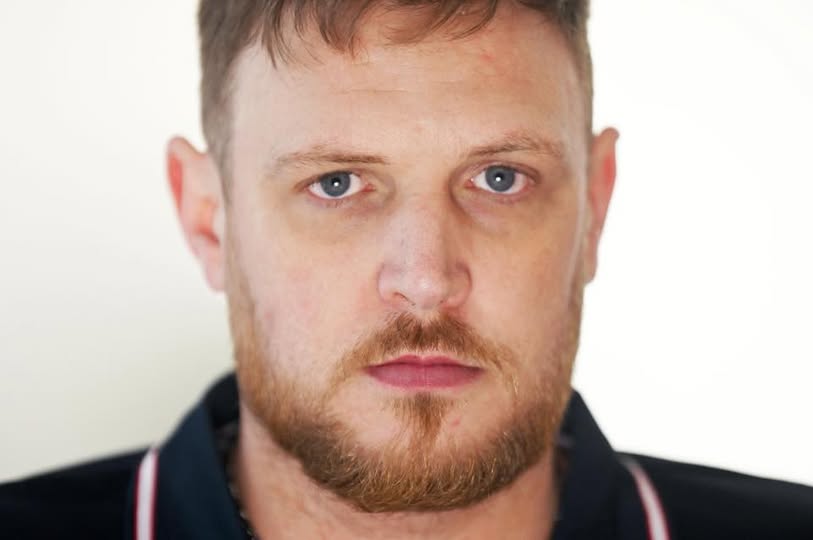
A Veteran’s Battle After Service: Simon Scott’s Story of PTSD, Survival, and Seeking Help
Simon Scott from Plymouth joined the British Army in 2007, serving eight years with the Coldstream Guards.
During his service, Simon was deployed to Afghanistan in 2009, followed by deployment to the Falkland Islands in 2011. Like many service personnel, he carried out his duties while keeping the impact on his mental health private.
After the birth of his first son, Simon left the Army to focus on family life. The transition to civilian life proved challenging. Those close to him noticed a decline in his wellbeing, and in 2020, he was diagnosed with severe Post-Traumatic Stress Disorder.
As his mental health deteriorated, Simon faced periods of instability. By 2022, he found himself homeless and without consistent support. At his lowest point, he experienced a life-threatening medical emergency and required surgery for blood clots in his lungs.
Support came through the Royal British Legion, which helped Simon secure accommodation and access mental health services. Weekly sessions allowed him to speak openly about his experiences in Afghanistan and the lasting impact on his life.
Recovery was a long process. Over the following months, Simon spent time in and out of hospital and faced ongoing challenges with his mental health. In 2024, he suffered a major heart attack and was diagnosed with heart failure, a hereditary condition that had already affected his father. Despite the seriousness of his condition, Simon continued engaging with mental health support, recognising its importance in his recovery.
Simon is now preparing to marry his fiancée, Jody in August.
Speaking openly about his experiences, Simon hopes to raise awareness of PTSD and the realities many veterans face after leaving the armed forces. He says one of the greatest barriers to recovery was the belief that asking for help was a sign of weakness.
“For a long time, I didn’t believe there was help for someone like me,” Simon says. “But there is, and getting support is what kept me alive.”
Simon’s story reflects the experiences of many former service personnel, where the psychological effects of service often emerge years later. His message is clear: support exists, and reaching out can be the first step toward survival and recovery.
For veterans and civilians alike, Simon hopes his experience encourages others to seek help before reaching crisis point, and to understand that no one has to face mental health struggles alone.
Photographs and Video © Wayne Perry / Plymouth Post