
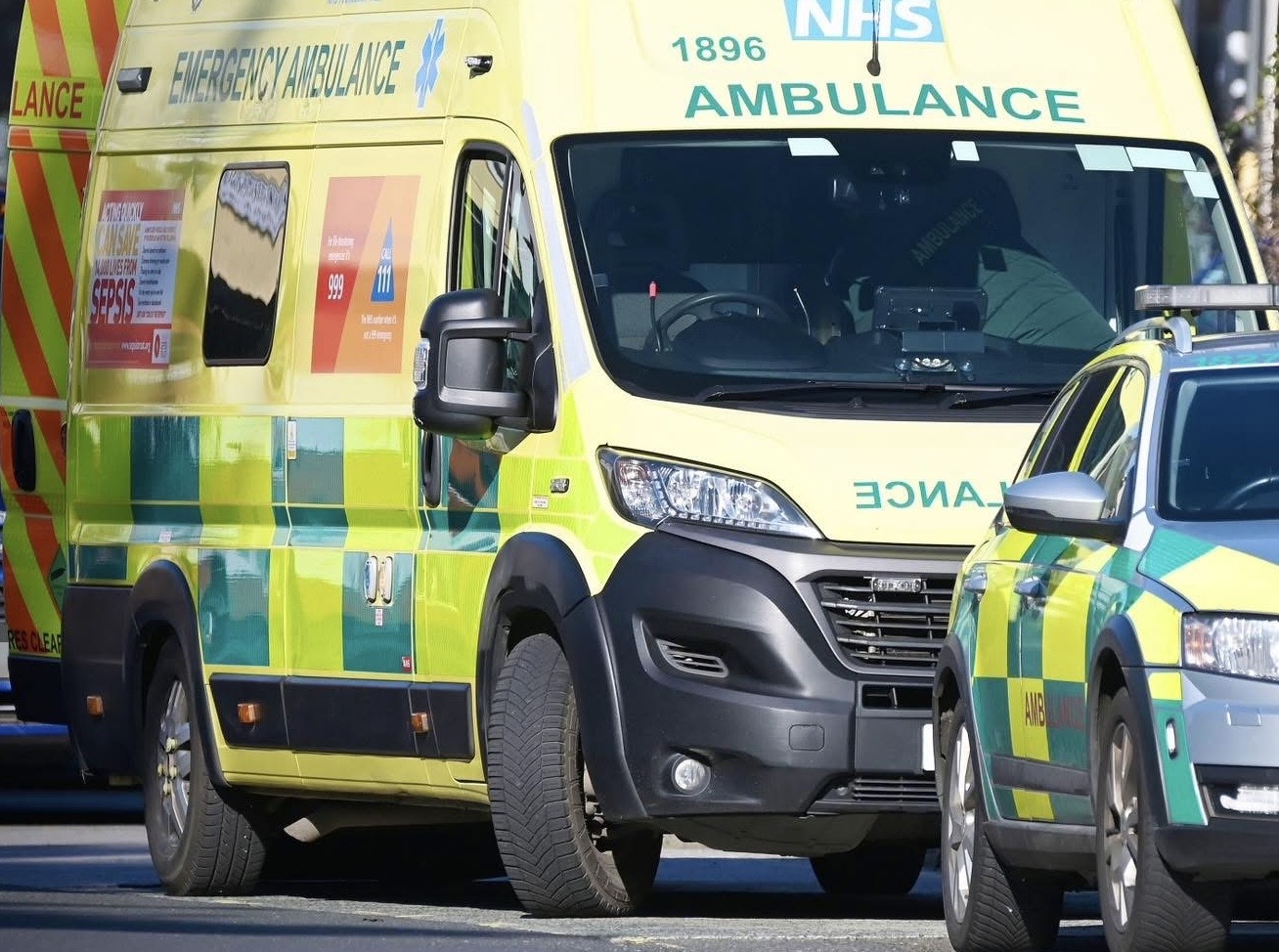
The South Western Ambulance Service NHS Foundation Trust (SWASFT) is asking people across the South West to use its services responsibly after responding to 7,037 incidents over the weekend.
The service responded to 3,502 incidents on Saturday, 31 October, and 3,535 on Sunday, 1 November. Demand was about 10 per cent higher than expected on both days.
The Trust said the increased number of 999 calls, seasonal illnesses, colder weather and delays transferring patients from ambulances into hospital care had all contributed to the pressure.
SWASFT is also expecting a busy week as people across the region attend firework displays.
The Trust is reminding people to call 999 only for serious or life-threatening emergencies, such as when someone is unconscious, is not breathing normally, has been seriously injured or is bleeding heavily. People waiting for an ambulance are asked not to call 999 for an update. Calls are prioritised according to clinical need, with the most seriously ill and injured patients receiving help first. They should call back only if the patient’s condition gets worse or an ambulance is no longer needed.
People are also encouraged to get a flu vaccination if eligible, as it can reduce the risk of becoming seriously unwell. For conditions that are not life-threatening, NHS 111 online, GP services and local pharmacies can provide advice and help people find appropriate treatment.
Wayne Darch, SWASFT’s director of operations, said: “This weekend was an incredibly demanding time for our service, and I would like to thank our people for working hard to be there for our communities.
“We are prepared for a challenging winter, but we also need the support of our communities to help ensure our crews can reach those who need us most.
“Every 999 call matters, and we want to be there for people experiencing serious illness or injury. However, it is vital that emergency ambulance resources are prioritised for patients whose lives may be at risk.
“Our teams are working incredibly hard, often in very difficult circumstances. Every decision they make is with patient safety and clinical need at its heart. Please remember to treat them with kindness and respect. They are doing their very best to help those who need them.”
SWASFT is urging people attending firework displays to stand well back from fireworks once they have been lit, including those that appear not to have gone off, as they could still explode. Anyone setting off fireworks should avoid drinking alcohol.
The Trust also advises people to wear gloves when holding sparklers and keep them away from faces, clothes and other people. A bucket of sand or water should be kept nearby to put used sparklers in.
People gathering around bonfires should stand at least five metres away and avoid wearing loose-fitting clothes near naked flames. Aerosols, batteries, tyres, canisters and anything containing foam or paint should not be burned, as they can produce toxic fumes and some containers may explode.
Photographs © Wayne Perry / Plymouth Post