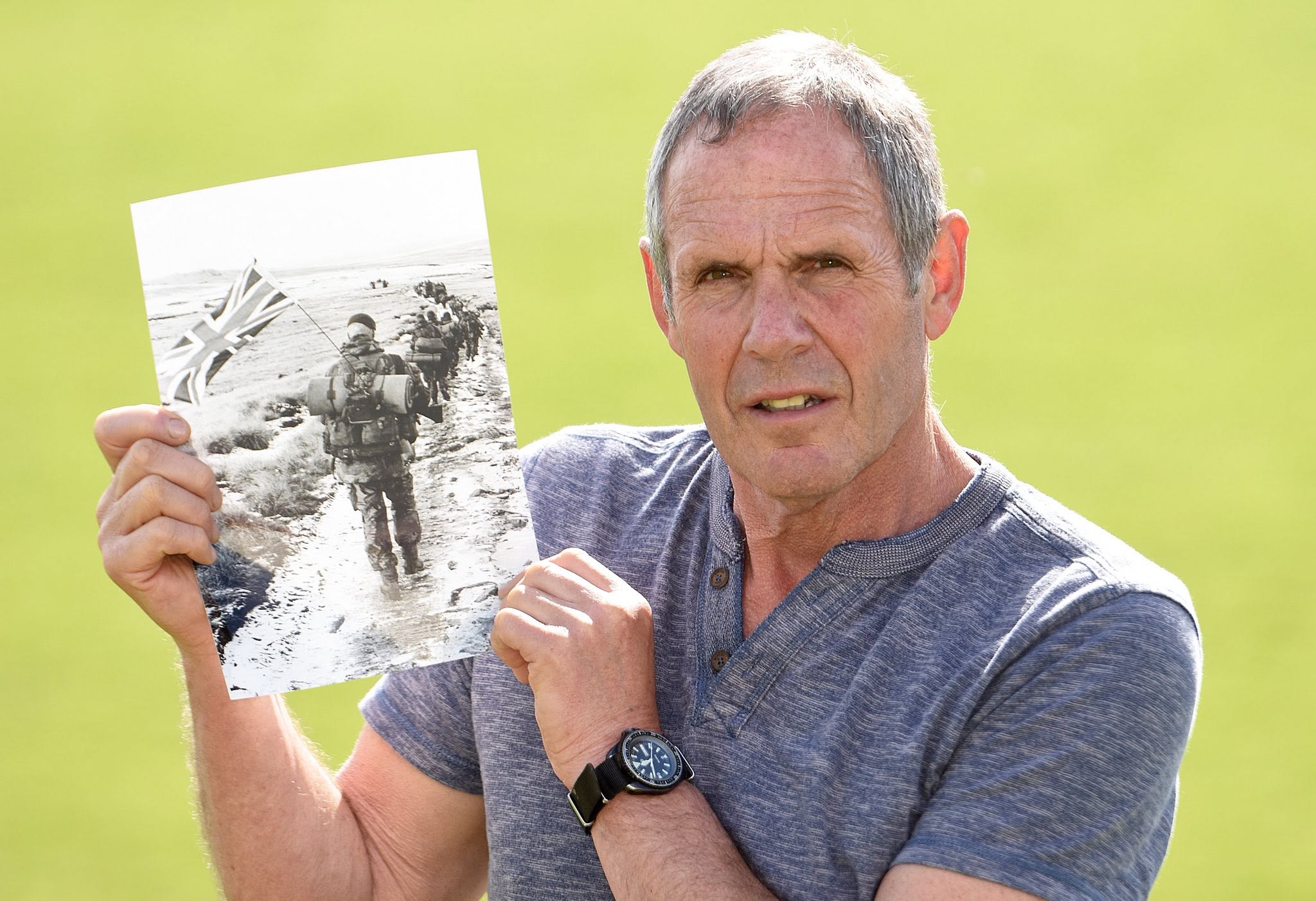
Forty four years on from the end of the Falklands War, one photograph still instantly stops people in their tracks.
The image of a battle worn Royal Marine “yomping” across the bleak Falklands landscape with a Union Jack flying behind him has become one of the defining pictures of modern British military history.
Behind the camera was Plymouth photographer Pete Holdgate the man who captured a moment that would go on to symbolise the endurance, exhaustion and determination of British forces during the 1982 conflict.
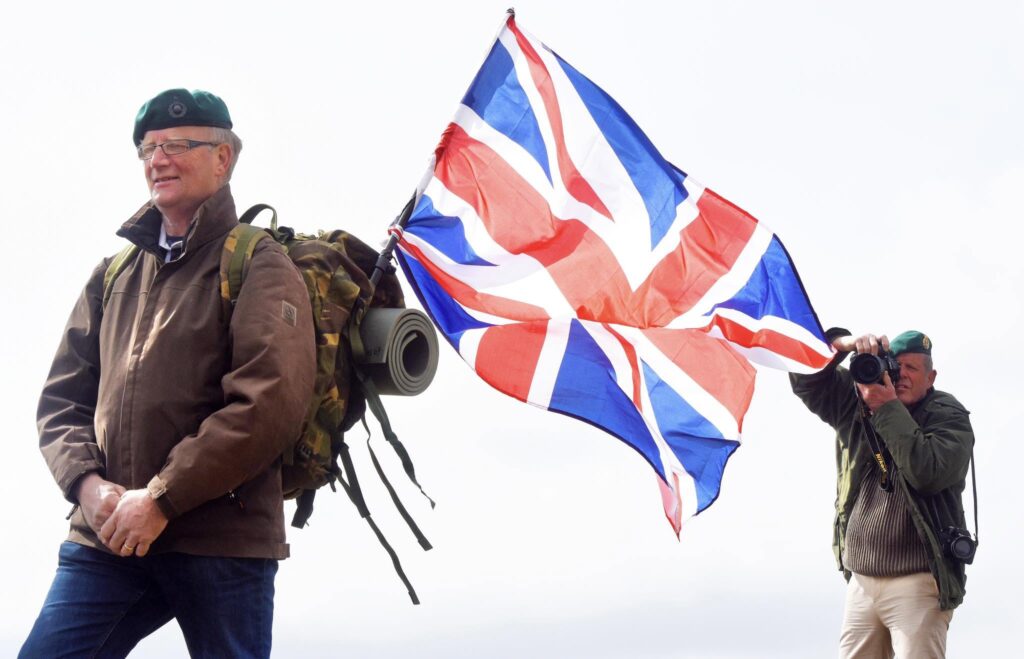
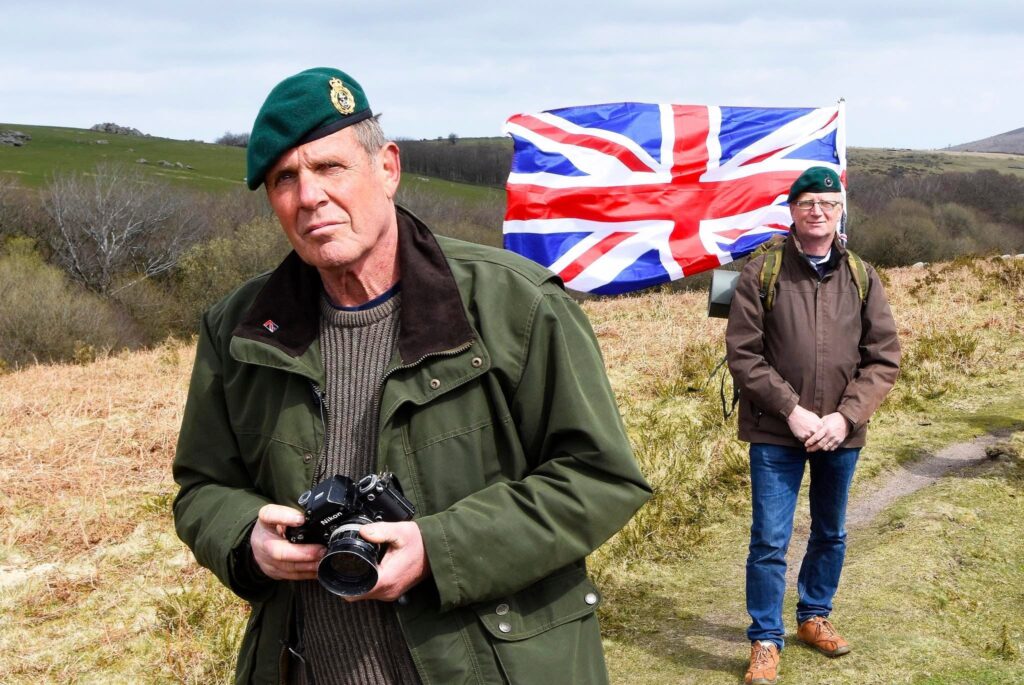
Now, decades later, Pete Holdgate himself has been photographed alongside the famous “Yomper”, proudly standing with a Union Jack beside the Royal Marine whose image became known around the world.
The original photograph became symbolic of the long marches carried out by British troops across harsh Falklands terrain after landing on the islands during the war with Argentina.
“Yomping” a Royal Marines term for marching long distances carrying heavy kit entered public consciousness during the conflict, with the image becoming one of the most recognisable visual records of the campaign.
For many veterans and families, the photograph represents far more than a single moment frozen in time.
It captures sacrifice, resilience, cold, exhaustion and the reality faced by young servicemen thousands of miles from home.
The Falklands conflict officially ended on 14 June 1982 when Argentine forces surrendered in Stanley after 74 days of fighting.
Even today, the “Yomper” remains one of the most reproduced and remembered images from the war appearing in documentaries, newspapers, exhibitions and military history collections across Britain.
And seeing Pete Holdgate standing proudly beside the famous Royal Marine all these years later serves as a powerful reminder that some photographs never lose their meaning.
Do you remember first seeing the famous Yomper photograph during the Falklands War coverage or does it still stand out to you today?
Pictures by Wayne Perry | Plymouth Post