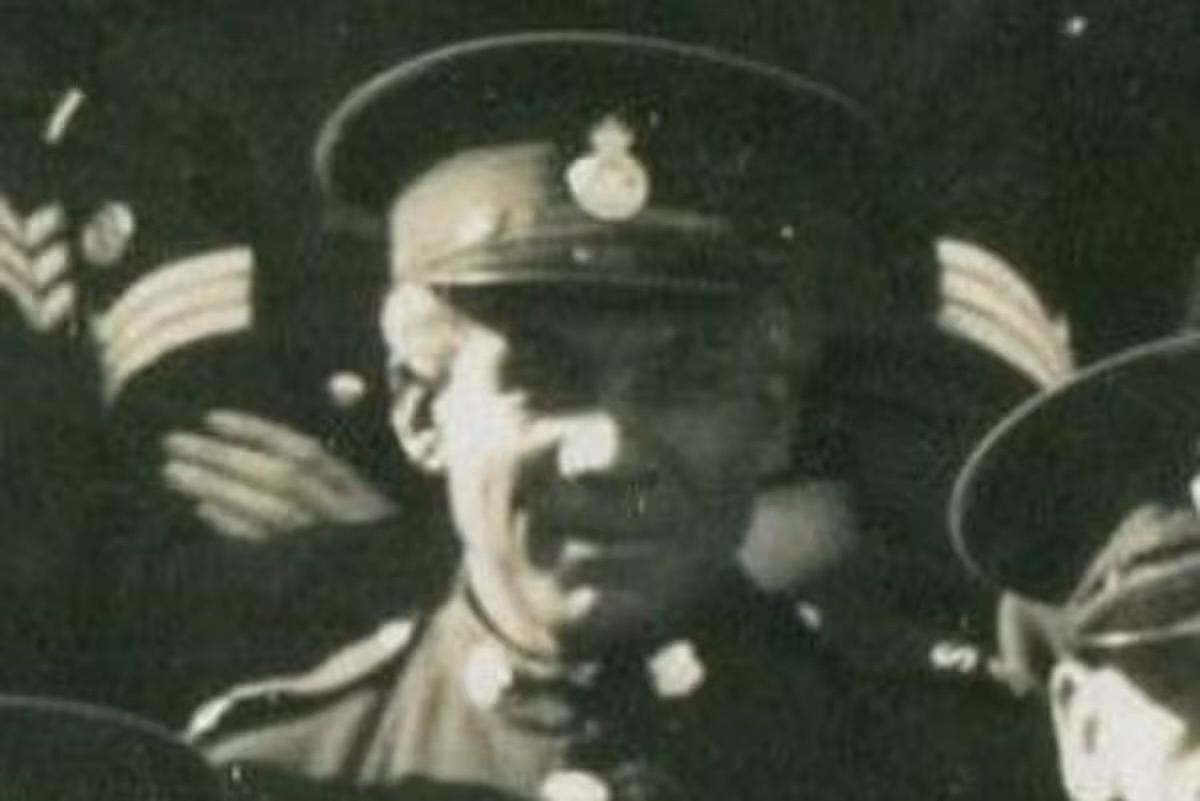
Long before diversity became part of the conversation around British policing, one Plymouth man was quietly breaking barriers.
Cecil Wilberforce Rodgers was a Special Constable with Plymouth City Police whose story has only recently begun to receive the recognition it deserves.
Born at South Milton, near Salcombe, in 1899, Cecil was the son of John Rodgers, a Jamaican immigrant who came to England in the late 19th century and worked as a self employed cabinet maker and upholsterer.
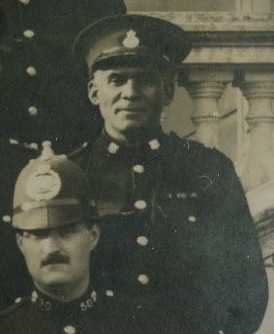
His mother Susan was born in Kingsbridge and worked to help support and care for the family.
Even Cecil’s middle name has an intriguing historical connection. He was given the name Wilberforce, shared with William Wilberforce, the politician who led the parliamentary campaign against the transatlantic slave trade.
By the time of the 1921 census, Cecil was working as a monumental stonemason in Salcombe. The following year he married Frances Lamble, also from Salcombe.
His story was made even more remarkable by his military background. Before joining Plymouth’s police service, Rodgers served during the First World War with the British West Indies Regiment, contributing to Britain’s war effort.
By the outbreak of the Second World War, Cecil and Frances were living at 8 Essex Street in Plymouth with two of their children.
The 1939 Register records Cecil as a stonemason foreman and also records his role as a Special Constable.
Serving as Special Constable 295 with the D Sub Division of Plymouth City Police, Rodgers carried out his duties through the war years, when Plymouth was subjected to devastating enemy bombing.
Special Constables helped the regular police during air raids, dealt with crime and assisted in protecting vulnerable members of the community.
One surviving Plymouth City Police charge book provides a small but fascinating glimpse into Cecil’s everyday police work.
At 10.15pm on March 27, 1943, he arrested a man following the breaking of two panes of glass in a door at the Palace Café at 93 Union Street.
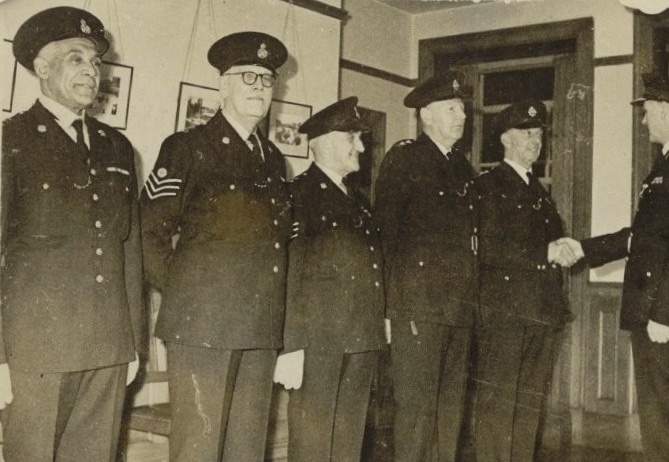
Cecil continued serving long after the war.
After completing 25 years with the Special Constabulary, he was among officers presented with a Long Service Award by Plymouth’s Chief Constable.
Perhaps one of the most revealing records of his career appeared in the Torbay Express and South Devon Echo in February 1964.
Cecil told the newspaper that throughout his service with Plymouth City Police he had not encountered active resentment towards him because of the colour of his skin, either from his police colleagues or members of the public.
His service placed him among an early generation of Black people serving in British policing, decades before diversity within the police service became more widely recognised.
While national attention has often focused on later milestones in the history of Black policing, Cecil Rodgers’ story shows that Plymouth was already part of that history many years earlier.
Cecil died on May 16, 1966, aged 67.
Remarkably, at the time of his death he was still serving as a Special Constable with Plymouth City Police.
His story represents a remarkable chapter of the city’s past: a man who served his country, protected his community through war and peace and spent more than a quarter of a century volunteering with Plymouth’s police.
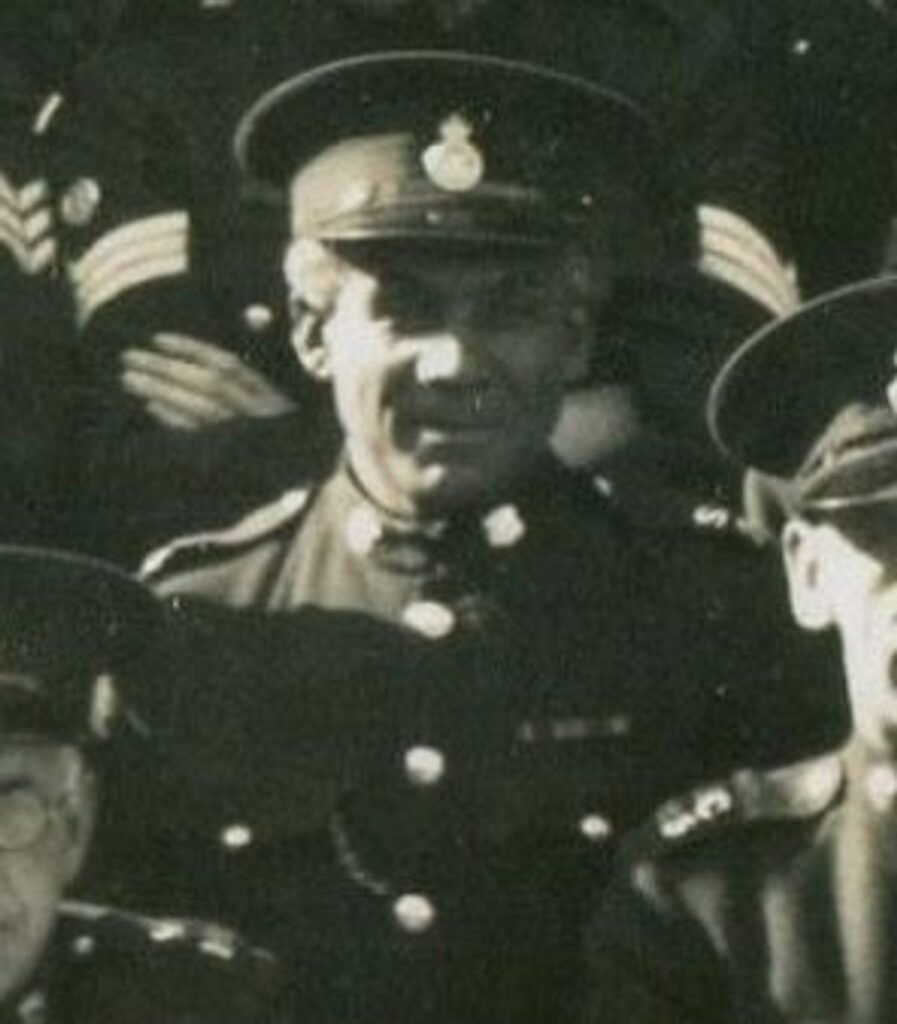
As Black History Month celebrates the achievements of people whose stories deserve to be remembered, Cecil Wilberforce Rodgers stands as a Plymouth pioneer.
His name may not be widely known today, but his contribution to the city’s history is one that deserves to be brought back into the spotlight.
Many thanks to the Museum of Policing in Devon and Cornwall for their help with this article.
Pictures Museum of Policing, Devon & Cornwall