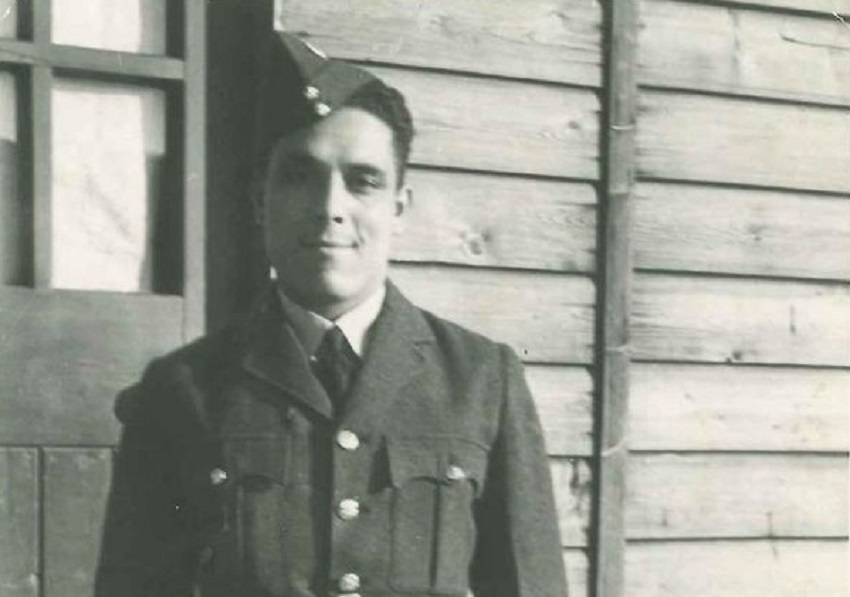
Few people have left a mark on Plymouth quite like William Alexander “Bill” Miller. A trade unionist, wartime civil defence leader and dedicated public servant, he spent almost half a century serving the city and is widely recognised as Plymouth’s first Black councillor.
Born in Stonehouse on 15 July 1890, Bill was the son of an English mother and a father from Sierra Leone, whose own father had been born into slavery before gaining his freedom. After working as a seaman, Bill’s father settled in Plymouth, where the family made their home.
Bill grew up in the city before entering the building trade after leaving school. He later found work as an electrical fitter at Devonport Dockyard, where he developed a strong interest in workers’ rights. His commitment to improving conditions led him to become an active member of the Electrical Trades Union, eventually serving as president of its Devon and Cornwall branch.
His civilian career was interrupted by the First World War when he joined the Royal Flying Corps. He served throughout the conflict and achieved the rank of warrant officer before returning to Plymouth, where he resumed work at the dockyard and became increasingly involved in local politics.
By the 1920s, Bill had established himself as a respected organiser within the Labour Party. In 1925, voters elected him to Plymouth City Council, making history as the city’s first Black councillor. It was the beginning of a public career that would last 45 years.
As a councillor, Bill quickly gained a reputation for hard work and practical solutions. He supported improvements to public services, helped promote the wider use of electricity in homes and backed the introduction of cremation facilities in Plymouth. Away from the council chamber, residents knew they could turn to him for advice on everything from housing disputes to employment problems. His willingness to help earned him the affectionate nickname, “The Poor Man’s Lawyer.”
His popularity extended far beyond the council chamber. His son, retired judge Robin Miller, has recalled that walking through Plymouth with his father could be a slow process because so many people would stop to shake his hand, thank him for his help or simply ask for advice. Robin remembered Bill as a devoted family man whose kindness and willingness to help others earned enormous respect across the city.
Long before the outbreak of the Second World War, Bill recognised the danger facing Plymouth because of its naval importance. He argued that the city needed realistic plans to protect civilians if bombing became a reality and joined the Civil Defence Warden Service to help prepare for what lay ahead.
Those fears became reality during the Plymouth Blitz of 1941. While serving as a senior air raid warden, Bill witnessed widespread destruction across the city, and even his own home was damaged by bombing. Concerned for the safety of families, he organised the evacuation of women and children using buses and lorries, despite not having official authority to do so.
His actions resulted in a court appearance after the government challenged the unauthorised evacuation. Bill defended his decision by explaining that he had promised local servicemen he would do everything possible to protect their families while they were away fighting. Although the court reprimanded him, official evacuations soon followed, reflecting the seriousness of the situation facing Plymouth.
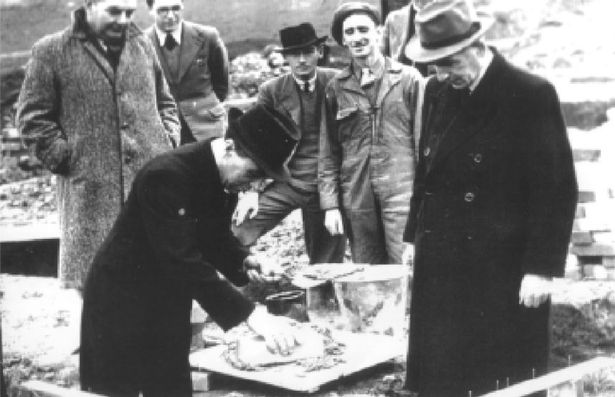
With peace restored, Bill turned his attention to one of the city’s greatest post-war challenges: housing. Thousands of homes had been destroyed during the Blitz, leaving many families without permanent accommodation. As chairman of Plymouth’s Housing Committee, he played a leading role in delivering new housing estates and temporary prefabricated homes to meet urgent demand.
He also worked closely with the Admiralty to make use of the skills and manufacturing capacity available at Devonport Dockyard, helping speed up the rebuilding programme. His commitment to the task was so great that in 1947 he declined the opportunity to become Lord Mayor because he believed the housing work was too important to leave unfinished.
That decision perhaps summed up Bill Miller’s character better than anything else. While many would have accepted one of Plymouth’s highest civic honours, he chose instead to continue the work of rebuilding homes and communities. For him, serving the people of Plymouth mattered far more than holding high office.
Bill regularly travelled to Westminster to secure support for Plymouth’s recovery, meeting senior ministers and arguing the city’s case at national level. His contribution to public life was recognised with a succession of honours, including the British Empire Medal, the OBE and later the CBE.
His influence extended beyond Plymouth through national housing organisations, where his experience helped shape post-war housing policy. Yet despite his growing profile, he remained closely connected to the people he represented and continued serving as a councillor until shortly before his death in 1970.
Bill Miller died on 21 December 1970 at the age of 80, leaving behind a remarkable legacy of public service. His name lives on in Miller Way and a commemorative plaque in Central Park, while his contribution to rebuilding Plymouth continues to be reflected in communities across the city.
More than a century after he first entered public life, Bill Miller is remembered not only as a pioneer who broke racial barriers in local politics, but as a man whose determination, compassion and leadership helped guide Plymouth through some of its darkest and most challenging years. His legacy continued through his family when his son, Claude Miller, became Plymouth’s first Black Lord Mayor. Today, Bill’s remarkable contribution is still being preserved, with his son, retired judge Robin Miller, working alongside author Rachel Hawadi to help tell the full story of the man who played such a vital role in shaping modern Plymouth.